| Key Takeaways |
|---|
| • Winter weeds are cool-season plants that sprout in fall and set seed in early spring, so timing your treatment matters most. • Natural options like horticultural vinegar, mulch, and hand-pulling work for small outbreaks, while herbicides handle larger infestations. • A dense, well-maintained lawn is your best long-term defense against winter weeds. |
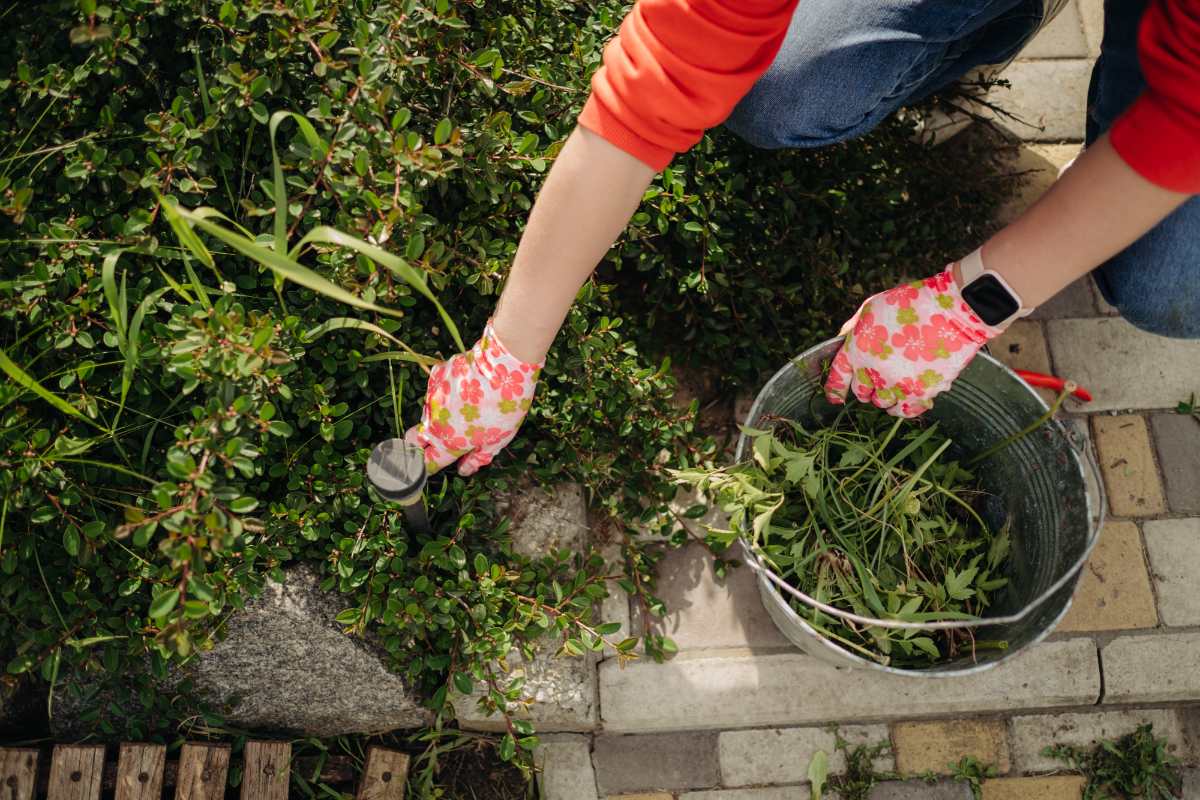
Winter weeds compete with your grass for nutrients, weakening your lawn during the cold season. In this article, we’ll explain how to kill winter weeds so your grass grows healthy come spring.
Whether you prefer chemical-free solutions or do not mind using chemicals now and then, we have you covered. With expert insights, we explain how to treat your yard with natural remedies and chemical herbicides, so you have plenty of options to help your lawn.
If you would rather skip the hassle, let a LawnStarter lawn treatment pro treat the weeds in your yard for you.
What Are Winter Weeds?
Winter weeds are cool-season plants that germinate in late summer and fall, grow through the cold months, and set seed in late winter and early spring. Knowing which weeds you have helps you pick the right treatment.
Most winter weeds fall into two groups: Broadleaf weeds have wide, veined leaves, while grassy weeds have narrow blades.
Common winter annuals include:
Henbit
Common chickweed
Annual bluegrass
Hairy bittercress
Broadleaf weeds respond to selective broadleaf herbicides, while grassy weeds need a different product. Identifying the type first saves you time and protects your grass.
How to Kill Winter Weeds Naturally
Eco-friendly weed treatments allow homeowners to avoid using chemicals that can harm the environment. From homemade solutions to mulch and mowing, here are a few natural options to get rid of the weeds in your yard without harmful chemicals:
Use a Vinegar Solution
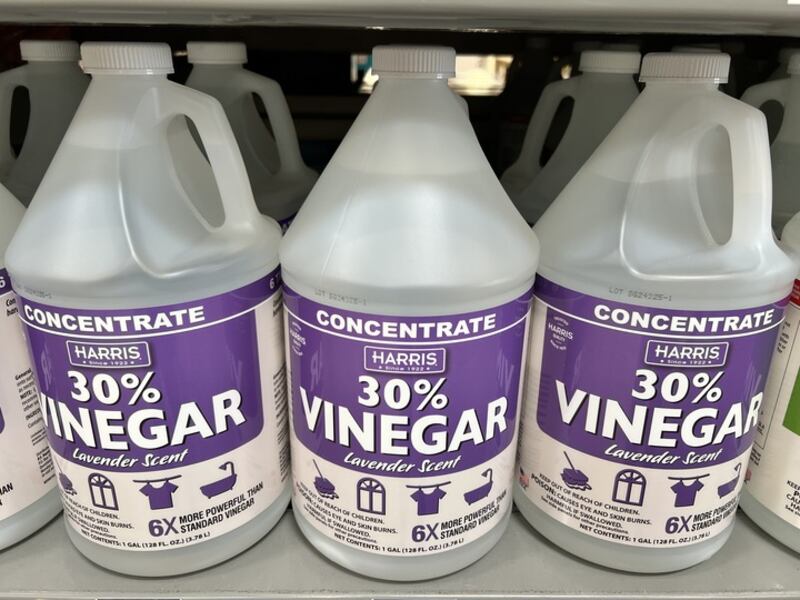
Vinegar that contains at least 20% acetic acid is an effective weed-killer. Check that the acidity is high enough; otherwise, the vinegar will not be strong enough to kill the weeds.
Here is how to use a homemade vinegar weed killer recipe:
Mix 1 tablespoon of dishwashing soap with 1 gallon of vinegar.
Pour the mixture into a spray bottle.
Spray onto the weeds.
When applying your vinegar solution, target the weeds carefully. Vinegar is a non-selective herbicide, so it will kill your grass along with the weeds if you are not careful. You may have to make multiple applications. Apply on a warm, sunny fall day for best results.
Pro Tip: Horticultural vinegar contains a high concentration of acetic acid, which can burn your skin and eyes. When you apply vinegar, wear protective gloves, goggles, and long-sleeved clothing.
Apply a Citrus Solution
Pouring a citrus solution over winter weeds can kill them, especially if you mix it with vinegar to increase its potency.
To make a homemade lemon juice herbicide, mix these ingredients:
3 tbsp. lemon juice
2 tbsp. liquid dish soap
1 oz. rubbing alcohol
2 cups white vinegar (5%)
Pour the lemon juice mixture into a bottle and spray it on the weeds. When you apply natural solutions made with basic kitchen ingredients like lemon juice and vinegar (5%), expect to make multiple applications before you weaken the weeds enough to kill them.
Pro Tip: For a stronger solution, purchase an organic weed killer with d-limonene (citrus oil) as the active ingredient.
See Related: How to Make Homemade Weed Killer
Be Strategic With Your Lawn Care
“Prevention through proper management practices is the best way to avoid weeds in your lawn,” says Erin Smith, horticulture Extension agent with Texas A&M in Denton. Implement these basic lawn maintenance practices to prevent most winter weeds:
Ensure your grass gets enough sunlight
Thick, lush grass growth blocks the sunlight, space, and nutrients that weeds need to grow. By taking care of your lawn, you encourage healthy grass, which acts as natural weed prevention.
Remember: Avoid overwatering, which harms your grass and encourages weed growth.
Mulch to Prevent Weeds
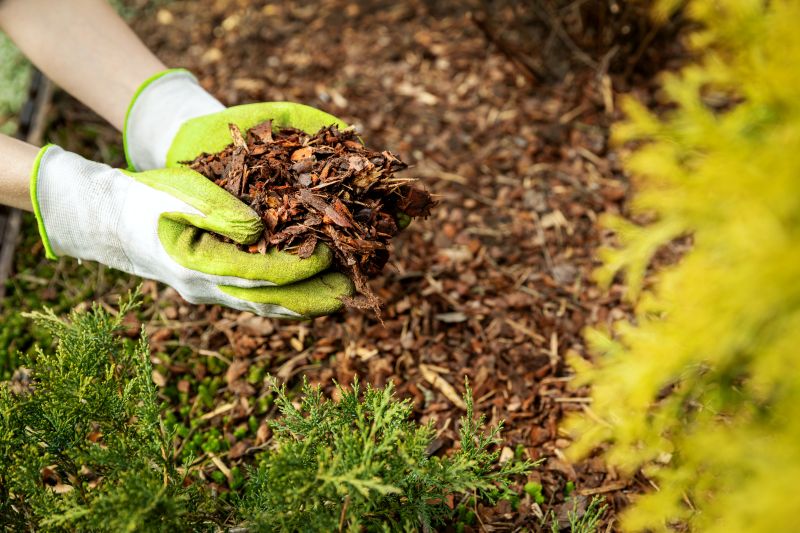
Mulching is a key strategic weed prevention practice. A three-inch layer of mulch blocks sunlight from reaching the soil, which prevents common winter weeds in mulched beds. The best time to mulch is early or mid-fall, before the soil freezes.
Organic mulches break down over time, but as they do, they provide nutrients to your soil, offering additional benefits to your landscape.
Common types of organic mulch include:
Pine needles
Straw
Tree bark
Wood chips
Another effective way to stifle weed growth is with inorganic mulches. Although they do not provide nutrients to your soil, they last many years, unlike most organic options.
Examples of inorganic mulch include:
Pea gravel
Rubber mulch
Rocks
See Related:
Mow to Prevent Flowering
It may seem strange to mow when it is still chilly outside, but annual winter weeds set seeds in late winter and early spring. Mowing in early spring helps keep some weeds from flowering and producing seeds, which prevents them from spreading.
Hand-Pull Weeds
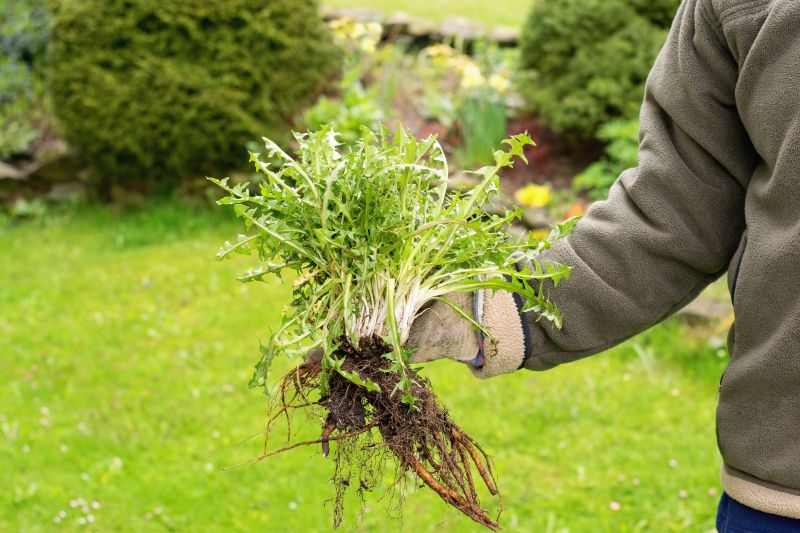
“Physical removal (is) the most natural way (to eliminate) winter weeds,” Smith says. Winter “annual weeds will decline and die after the temperatures warm (in spring) but will drop seed before they die and come back up when the temperatures cool (in fall),” she says.
Hand-pulling weeds before they flower, while time-consuming and labor-intensive, is a tried-and-true weed removal method. It is best for small infestations when there are only a handful of weeds in your yard or beds.
Remove the entire plant, not just the parts above the soil line, Smith advises. If you remove the foliage without removing the roots, the weeds are likely to grow back. Timing is also crucial: “Remove weed seed before it has a chance to drop to the ground,” she says.
Here are some tools to help you remove weeds by hand:
Hand shovel
Garden trowel
Screwdriver
Hand-pulling weeds also saves money that you would normally spend on chemical herbicides.
How to Kill Winter Weeds With Herbicides
Chemical herbicides are the best option when you have a large weed infestation, since they are the most potent way to kill a large number of weeds.
| Herbicide Type | When to Apply | Best For |
| Pre-emergent | Late summer to early fall, before weeds germinate | Preventing winter weeds before they sprout |
| Post-emergent | On dry days once weeds are visible and temperatures reach at least 55 degrees | Spot-treating weeds that have already emerged |
Use Pre-Emergent Herbicides Before Weeds Emerge
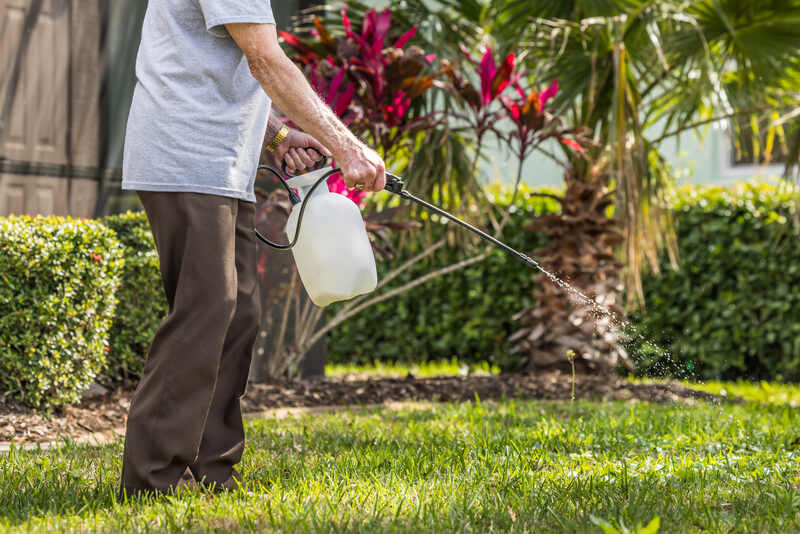
Pre-emergent herbicides let you take preemptive action against weeds rather than wait until they have already popped up. Pre-emergent herbicides “must be applied prior to weed seed germination,” Smith says. “For winter weeds, that would be late summer [or] early fall.”
Here is when you should apply pre-emergent herbicides, depending on where you live:
Southern states: Late August or September
Northern states: Late September to early October
Once a pre-emergent herbicide is applied, it forms a barrier that prevents weeds from sprouting above the soil after germination. Pre-emergents need moisture to activate, so water your lawn after application.
Pro Tip: “Match the type of herbicide to the type of weeds you are controlling and your lawn species,” Smith says.
See Related: How to Apply Pre-Emergent Herbicides
Use Post-Emergent Herbicides After You See Them
If you forgot to apply pre-emergents this year, use a post-emergent herbicide to spot-treat weeds that have popped up in your yard. There are two types of post-emergent herbicides:
Selective herbicides target weeds without harming your turfgrass.
Non-selective herbicides kill all plants, including your grass.
Correctly identifying the type of winter weeds in your lawn determines the treatment your yard needs. Some selective herbicides target broadleaf weeds, while others target grassy weeds. Non-selective herbicides will kill either.
Winter post-emergent herbicides should contain these ingredients:
Dicamba
Imazaquin
MCPP
2,4-D
Apply post-emergent herbicide treatments when the area is dry and sunny and temperatures are under 85 degrees. Post-emergent herbicides work most effectively on young weeds. For best results, apply them in early fall.
FAQs
No. Herbicides are most effective when the ground is dry, so wait for a dry, sunny day, after the morning dew has evaporated.
Several factors can explain why weeds still emerge after a pre-emergent application. Here are the main reasons your pre-emergent may have failed:
• You applied the herbicide too late.
• The herbicide is not made to treat the type of weed in your lawn.
• You forgot to water your lawn to activate the pre-emergent.
If your grass is dormant, it is too cold to apply herbicides safely. Wait until temperatures are at least 55 degrees to apply herbicides to your weeds.
Say Goodbye to Winter Weeds
This winter, weed out those unwanted plants in your yard with the right treatment methods. Decide whether chemical herbicides or natural remedies are the best way to treat your weeds based on the infestation size and your preferred method.
Do not give in to those weedy invaders. If the weed infestation taking over your lawn is more than you can handle, contact a LawnStarter lawn treatment pro for expert help getting your lawn ready for spring.
Read More:
Sources:
- Erin Smith, horticulture Extension agent with Texas A&M, Denton, TX. Personal interview.
Main Image: A young woman pulls weeds after winter. Photo Credit: sushytska / Adobe Stock
Related Posts: