| Key takeaways: |
|---|
| • Get free mulch delivered from ChipDrop, municipal programs, or local tree services. • DIY options in your yard include shredded leaves, grass clippings, compost, and pine needles. • Most free mulch sources require lead time. ChipDrop deliveries typically arrive within 1 to 5 weeks, so request early and clear space for up to 20 cubic yards. |
Free mulch is closer than you think. You do not need to spend hundreds of dollars on bags or bulk loads for your flower beds and landscaping.
You can find free mulch in your city, on your street, or as close as your own backyard. This guide covers 11 sources, from municipal programs to DIY options.
If you would rather skip the DIY route, LawnStarter’s landscaping services can handle the job for you with upfront pricing and vetted local pros.
11 Ways to Get Free Mulch Near You
You can get free mulch near you from ChipDrop deliveries, municipal recycling centers, local tree services, utility companies, and woodworkers.
Free DIY options include shredded leaves, grass clippings, compost, pine needles, newspapers, and straw.
Here’s a quick comparison of your free mulch options:
| Free Mulch Source | Best For | Effort Level |
| ChipDrop | Large deliveries | Low (delivered to you) |
| Municipal programs | Clean, quality mulch | Medium (self pickup) |
| Tree services | Fresh wood chips | Low (delivered to you) |
| Utility companies | Opportunistic pickups | Low (ask crews directly) |
| Woodworkers | Fine wood shavings | Medium (self pickup) |
| Leaves | Fall mulching | Low (already in your yard) |
| Grass clippings | Vegetable gardens | Low (already in your yard) |
| Compost | Nutrient-rich beds | Low (already in your yard) |
| Pine needles | Hillsides and slopes | Low (already in your yard) |
| Newspapers | Sheet mulching | Low (already in your home) |
| Straw | Vegetable gardens | Medium (from nearby farms) |
Quick tip: Request mulch deliveries early and clear an open staging area before the crew arrives.
1. ChipDrop Free Mulch
ChipDrop is a free online platform that matches homeowners with local arborists who need to offload wood chips quickly.
How it works:
Go to getchipdrop.com and create a free account.
Enter your delivery address and any access notes for the drop-off area.
Wait for a match. Deliveries typically take 1 to 5 weeks, though some arrive the same day.
Crews drop off whenever they’re in your area. You don’t need to be home, and no scheduling is required on your end.
After delivery, log back in to place a new request whenever you need more.
You get free mulch, and the tree service avoids paying to dump it at a landfill. Everyone wins. Expect a full truckload: Deliveries range from 4 to 20 cubic yards, with no option to request a specific amount.
The average cost of mulch alone (without installation) ranges from $30 to $135 per cubic yard. A single ChipDrop delivery could save you hundreds of dollars.
Pro Tip: You can’t choose the wood type or quantity. You get whatever the crew has, anywhere from 4 to 20 cubic yards. Plan a clear staging area and have a neighbor in mind who might want any extra.
2. Free Mulch From Your City
Many cities offer free mulch, compost, or wood chips to residents, made from yard waste and tree-trimming programs. Search your city or county website for “free mulch,” “compost giveaway,” or “green waste recycling.”
How it works:
Visit designated pickup locations such as a park, transfer station, or recycling center.
Bring your own shovel, gloves, and heavy-duty bags or containers for pickup.
Quality varies by program. Some cities distribute composted material that’s been cured for months, while others offer freshly chipped wood.
Pro Tip: Spring is the most active season for municipal mulch and compost programs, with Christmas tree mulch typically available in January and February. Some programs run year-round, while others only operate seasonally.
3. Free Mulch From Local Tree Services
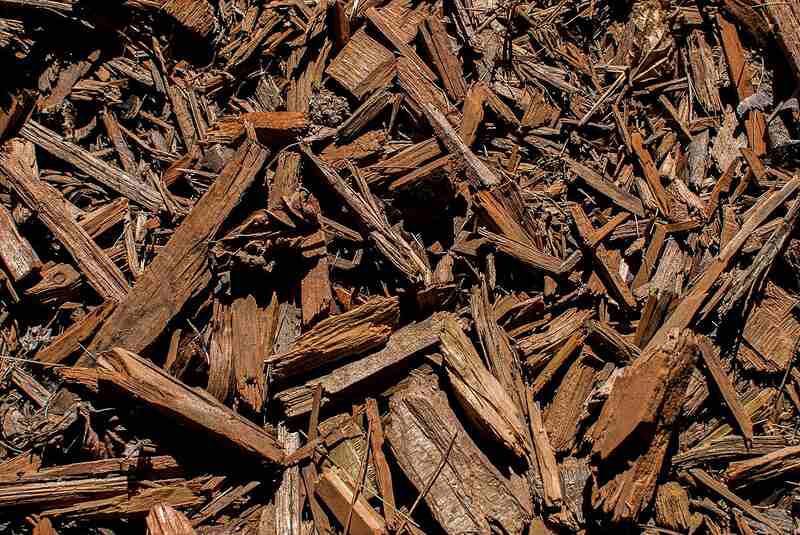
Tree services produce wood chip mulch from pruning or removing trees and often need to dispose of it quickly.
How it works:
Search for local tree services online, call directly, and ask if they have free wood chips available.
You can express preferences (e.g., ‘mostly hardwoods, no pine’), but tree services can’t guarantee wood type, quantity, or a specific delivery date. They bring what they have from their current job site.
Provide a spacious, open area for the drop-off.
The crew drops off a full truckload when they’re nearby.
Most are happy to oblige. It saves them a trip to the transfer station and the tipping fees that come with it. Wood chips from an arborist typically include bark, wood, and leaves, which promote biologically diverse soil.
See Related: Types of Mulch: How to Choose the Right One for Your Landscape
4. Free Mulch From Your Utility Company
If you see a utility crew trimming trees near power lines in your neighborhood, ask if they have free wood chips. They almost always do, and they’re often happy to drop them at your address instead of hauling them away.
You can also check your utility company’s website for a mulch distribution program.
Many utilities partner with local organizations on green initiatives, making free mulch available close to home.
5. Free Mulch From Woodworkers
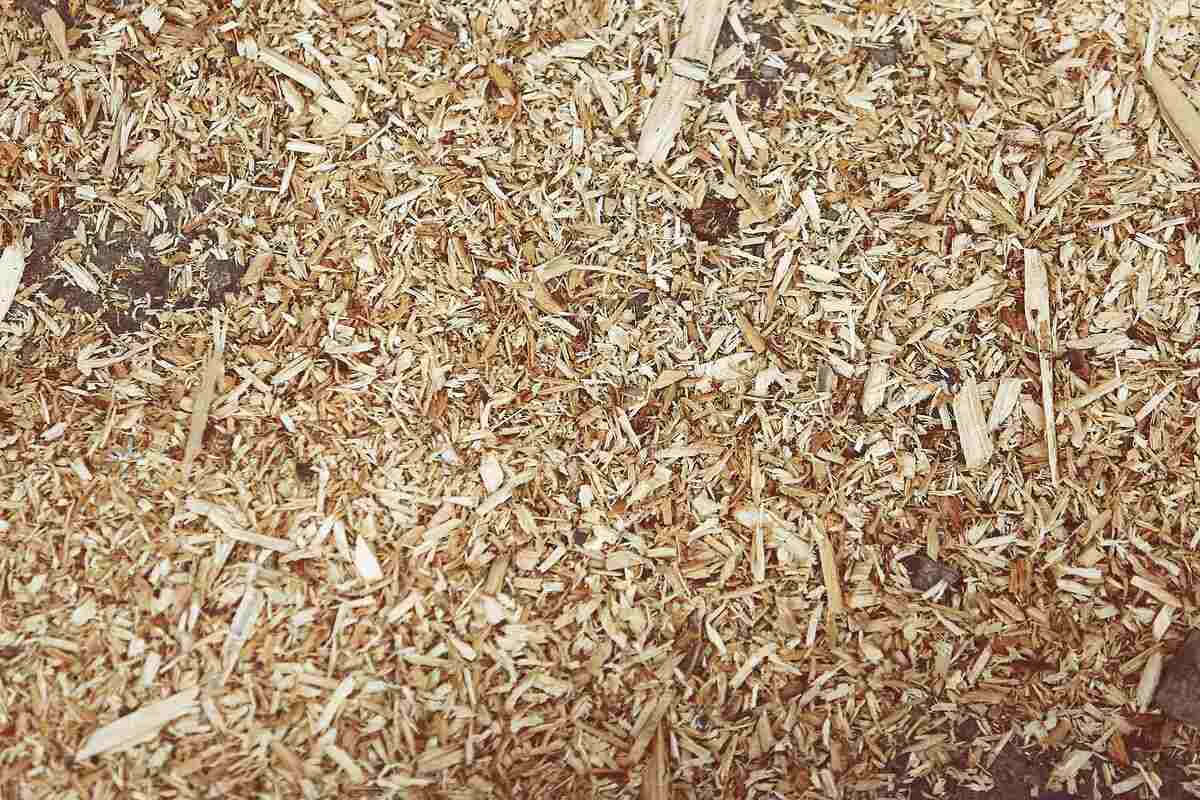
Local woodworkers (carpenters, furniture makers, cabinet makers, and woodcarvers) generate large amounts of wood shavings, chips, and sawdust. All of these work as mulch in your garden.
Offer to pick up the wood scraps yourself, and you may walk away with free mulch.
Woodworking classes and community workshops are also worth checking as additional sources.
6. Free Mulch From Backyard Leaves
Instead of bagging your yard waste for the landfill, shred it and return it to the earth. Leaves make a free, effective, and plentiful mulch, especially in the fall.
You can shred them with your lawn mower while cutting the grass.
Shredded leaves decompose quickly, help with weed control, and enrich the soil with nutrients. You can also use them to make compost or simply leave them in the yard.
Pro Tip: Shred the leaves before spreading them. Whole leaves can become soggy and attract mold to your garden beds.
See Related: 14 Things You Need to Know About Yard Waste
7. Free Mulch From Grass Clippings
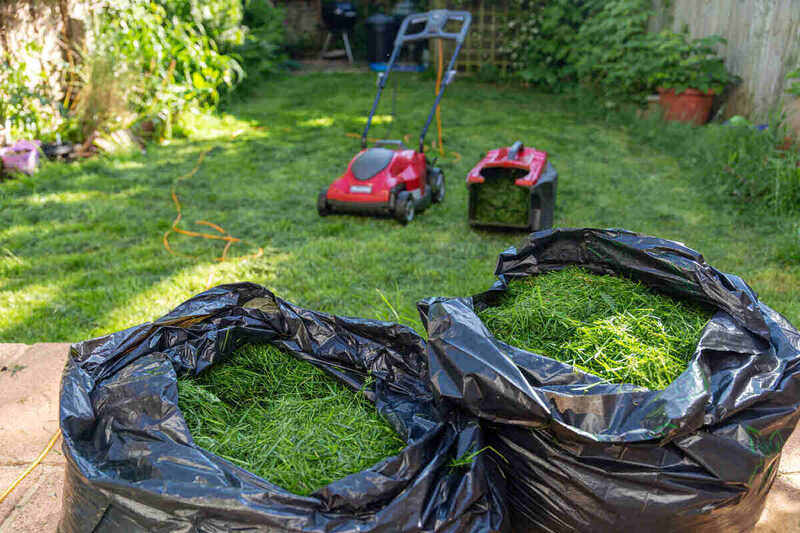
After mowing your lawn, use your grass clipping as mulch in your garden beds. Avoid spreading fresh clippings directly. They mat together and block water from reaching the soil. Instead, spread them on a tarp and let them dry out.
Once dried, grass clippings work well as a short-term mulch that suppresses weeds and retains moisture. Plan to refresh the layer every few weeks as it decomposes.
If you’d rather keep them on the lawn, grasscycling returns those same nutrients directly to your turf without contributing to thatch buildup.
They’re especially beneficial in vegetable gardens thanks to their high nitrogen content.
Pro Tip: Never use grass clippings from a lawn recently treated with herbicides. Also, skip clippings from diseased lawns to avoid spreading the problem.
See Related: Reasons to Use Grass Clippings as Mulch
8. Free Mulch From Compost
Yes, you can use your compost as free mulch and it’s one of the best-performing options for vegetable and flower beds.
Compost is rich in nutrients and improves soil structure as it breaks down. Don’t have a compost bin? Start your own compost pile, or buy a compost bins to make it easier.
Here’s what you can add to your compost bin:
Fruit and vegetable scraps
Tree trimmings and yard waste
Coffee grounds and filters
Tea bags
Eggshells
9. Free Mulch From Pine Needles
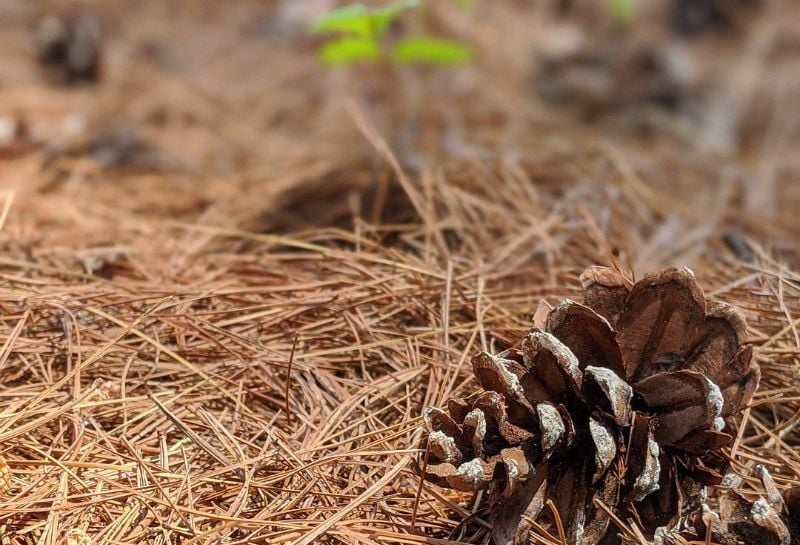
Pine needles are a free, easily accessible mulch option, especially if you have pine trees on your property. They’re particularly effective on hillsides because their interlocking needles hold in place and serve as a strong landscape fabric alternative.
See Related: Landscape Fabric Types and How to Use Them [Guide]
10. Free Mulch From Newspapers
Newspapers with organic inks are safe to use as free mulch in garden beds. They reduce landfill waste and save you from buying store-bought alternatives.
They are excellent for sheet mulching. To do this, layer 2 to 4 sheets of newspaper and cover them with attractive organic mulch like grass clippings or leaves.
11. Free Mulch From Straw
If you live on or near a farm, straw makes a beneficial free mulch for vegetable gardens, annual and perennial beds, and newly sown lawns. Use straw rather than hay. Straw may contain some weed seeds, but hay typically carries far more.
Pro Tip: Remember that straw is highly flammable and will need to be replaced more regularly than wood chip mulch.
See Related: Mulch vs. Pine Straw: Which Should You Use?
How to Apply Free Mulch
Proper application makes the difference between healthy plants and root rot. Follow these guidelines:
Apply a 2- to 4-inch layer: This depth suppresses weeds and retains moisture without smothering roots
Keep mulch away from trunks and stems: Leave a 3 to 6 inches inches gap from plant stems and tree trunks to prevent rot and pest problems
Age fresh wood chips first: Let them sit for at least 3 months, as fresh chips pull nitrogen from soil during decomposition
Time your application: Apply in spring after soil warms, or in mid-fall to insulate roots before winter
Layer newspaper or cardboard underneath: For pathways and heavy weed areas, add a base layer for extra suppression
See Related:
Let LawnStarter Handle Your Free Mulch Spreading
Free mulch helps homeowners save money on landscaping, enhance curb appeal, and boost property value.
If you prefer professional help, LawnStarter connects you with vetted local landscaping pros for mulch installation and full landscape maintenance.
FAQs
Inspect free mulch for visible mold, unusual odors, or signs of chemical contamination. Avoid mulch from trees treated with pesticides or herbicides. Let free wood chips age in an open pile for at least 3 months before spreading them around plants. Aged mulch should smell earthy, not sour or ammonia-like.
Most free mulch needs topping off about once or twice a year. Fine materials like grass clippings and shredded leaves break down faster, while wood chips and pine needles last longer. Sun, rain, and irrigation speed decomposition, especially in high-traffic or windy areas.
The 3-3-3 rule is a simple tree mulching rule: Leave a 3-inch gap around the trunk, spread mulch out to a 3-foot radius, and keep the depth to 3 inches.
Mulch can attract certain pests, but choosing less insect-friendly options like cedar helps reduce the risk. Regularly turning or fluffing your free mulch also disrupts insect habitats and discourages nesting.
One cubic yard covers about 100 square feet at 3 inches deep. Multiply your area’s length by width to get square footage, then divide by 100 for the cubic yards needed for a 3-inch deep layer (or use a mulch calculator).
For irregularly shaped beds, break the area into smaller rectangles and add up the totals.
Main Image: Close-up of natural shredded wood mulch. Image Credit: Pixabay