| Key Takeaways: |
|---|
| • Apply fall fertiiizer in 2 rounds: Apply a winterizer fertilizer around Labor Day, then a second round between Veteran's Day and Thanksgiving to help your Syracuse lawn store nutrients for winter. • Block winter weeds with pre-emergents: Apply pre-emergent herbicide once soil temperatures hit around 70 degrees to stop winter annual weeds like chickweed and henbit before they can germinate. • Remove leaves to avoid lawn diseases: Leaves left sitting on your Syracuse lawn trap moisture, creating ideal conditions for mold and other lawn diseases, so regular raking or mulching is key. |
Frost arrives early in Syracuse, bringing temperature drops and signs of the approaching winter. To keep your lawn healthy through the colder months, start preparing now.
Fall lawn care in Syracuse often includes dethatching, fertilization, applying weed killers, removing leaves, and mowing until grass growth stops.
Follow this 5-step fall lawn care checklist to set up your Syracuse lawn for success come spring.
1. Dethatch Your Lawn
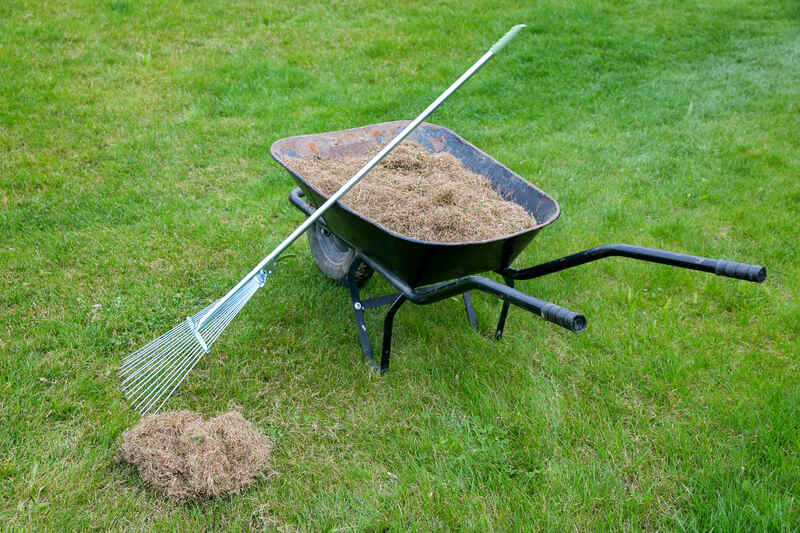
Thatch is a natural layer of decomposing grass, roots, and organic material that forms between the soil and the grass blades. However, when thatch becomes too thick, it can harbor pests and diseases, block nutrients, and prevent water from reaching the roots.
The best time to dethatch cool-season grasses is in spring or early fall, when the grass is actively growing and can recover quickly. To remove excess thatch, you can use:
- A dethatching rake for small lawns or light thatch buildup.
- A power rake for larger areas or more severe thatch problems.
See Related:
— Top 10 Benefits of Dethatching Your Lawn
— Signs Your Lawn Has Too Much Thatch
— How Much Does Lawn Dethatching Cost?
— How to Dethatch Your Lawn (Plus When to Hire a Pro)
2. Fertilize Your Grass
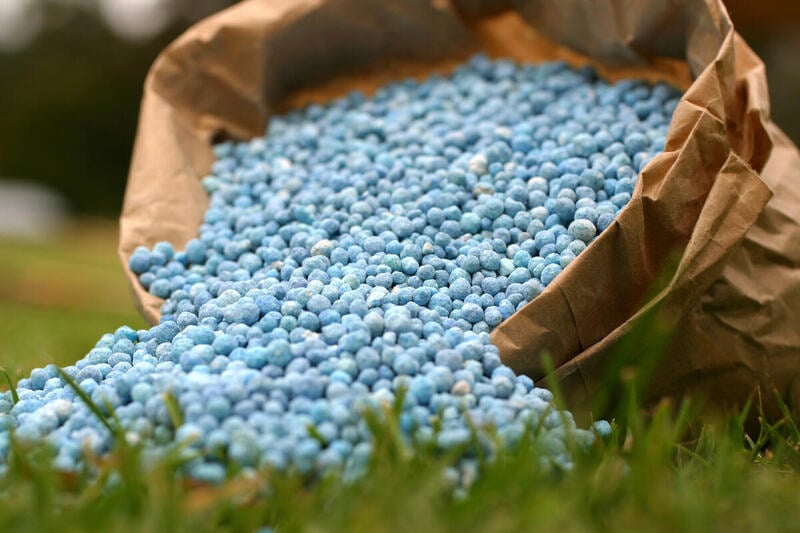
Fall is a busy growing season for cool-season lawns, and proper fertilization can mean the difference between a thin, weedy lawn and a thick, healthy one by spring. In Syracuse, follow this fertilization schedule:
- Around Labor Day: Apply a winterizer fertilizer to support root growth.
- Between Veteran’s Day and Thanksgiving: Apply a second round of fertilizer to help your lawn store nutrients for winter.
For best results, use a slow-release fertilizer to provide steady nutrients over time. Also, choose a phosphorus-free formula, as most lawns in the area don’t require additional phosphorus.
See Related:
— How to Fertilize Your Lawn
— Common Fertilizer Mistakes to Avoid and What to Do Instead
— Tell-Tale Signs Your Lawn Needs Fertilizer
3. Keep Mowing Until Grass Growth Stops
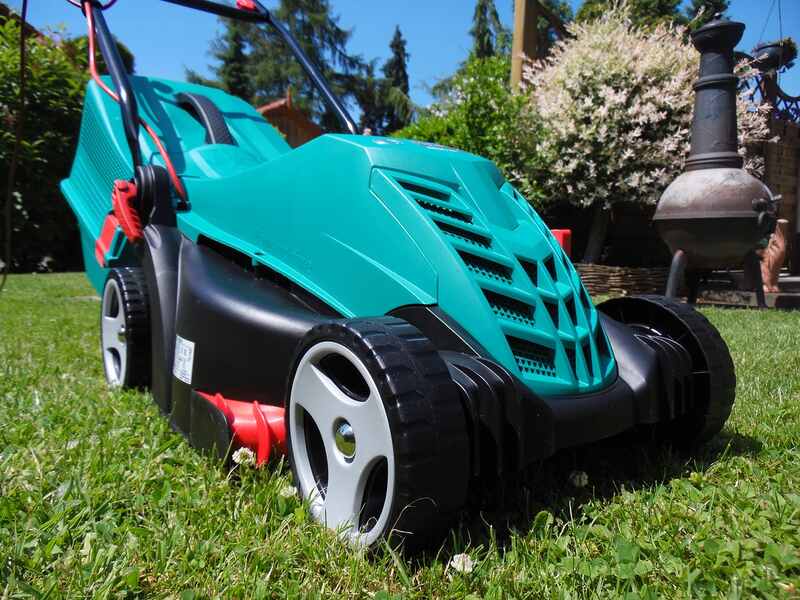
Your lawn will keep growing well into late fall, so continue mowing until you notice grass growth has stopped. Regular mowing helps maintain a healthy lawn and prevents it from becoming too long and vulnerable to disease before winter.
Avoid cutting more than one-third of the grass blade at a time to prevent stress and ensure healthy growth. Also, make sure your mower blades are sharp, as dull blades tear the grass instead of cutting it cleanly, making it more vulnerable to disease.
See Related:
— When to Stop Mowing Your Lawn Before Winter
— How to Mow Your Lawn: A No-Nonsense Guide
— Mowing Height Debate: Last Mow of the Season Low?
— How to Sharpen Lawn Mower Blades
4. Prevent Weeds Before They Appear
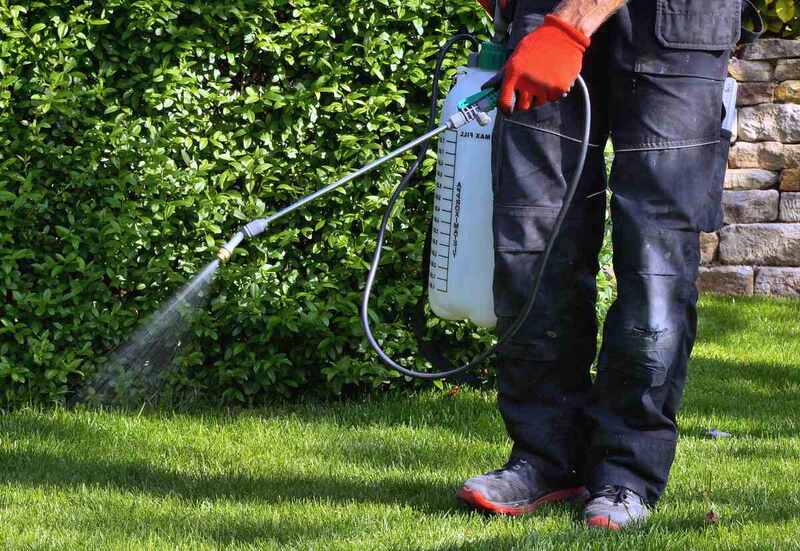
Fall is the perfect time to stop winter annual weeds before they take over your lawn. Applying a pre-emergent herbicide in early fall can prevent weeds like chickweed, henbit, and annual bluegrass from sprouting.
For the best results, apply pre-emergents when soil temperatures reach around 70 degrees. This timing ensures the herbicide works before weed seeds have a chance to germinate. If weeds do appear, hand-pull them while they’re young, making sure to get the entire plant, or spot-treat with post-emergent herbicides.
See Related:
— Most Common Weeds in New York: How to Identify and Control Them
— Post-Emergent Herbicides: Which One for Which Weed?
5. Remove Leaves and Debris
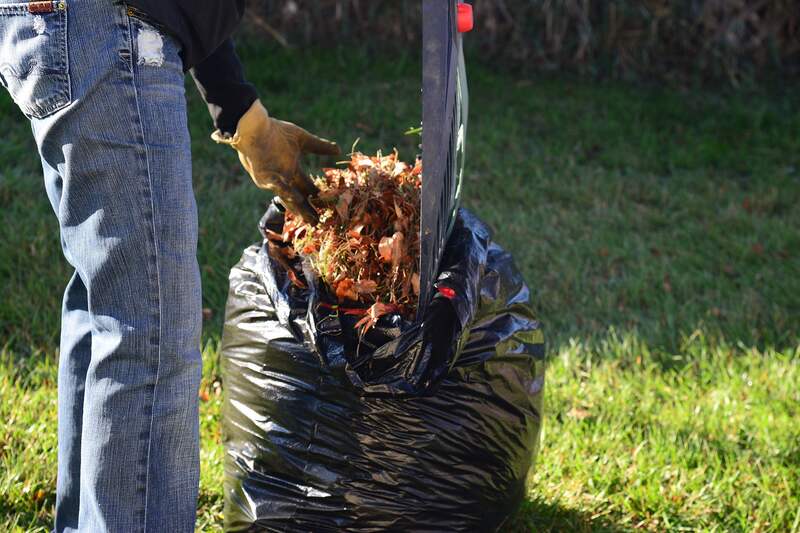
Leaving piles of leaves and debris on your lawn can lead to fungal diseases, pest infestations, and make mowing difficult. When leaves sit on your grass for too long, they trap moisture, creating the perfect environment for mold and other lawn diseases to develop.
To keep your lawn healthy, regularly rake or remove fallen leaves throughout the season. If you want a more eco-friendly approach, use a mulching mower to shred the leaves into tiny pieces and leave them on your lawn. This allows the nutrients to return to the soil, giving your grass a natural boost before winter.
See Related:
— Main Benefits of Fall Yard Cleanup
— Best Ways to Clean Up Leaves in Your Yard
— Is It Better to Rake or Mulch Leaves?
Enjoy a Stronger, Healthier Lawn This Fall
Taking care of your lawn in the fall ensures your grass stays strong through the winter and comes back healthier in the spring. In case you need professional help, visit our Syracuse lawn care page to get connected with a vetted lawn care provider near you.
In addition to Syracuse, LawnStarter provides lawn care services to other New York cities, including Rochester, Albany, and Buffalo.
Read More:
— Best Grass Seed for New York
— Planting Zones of New York State
— Alternatives to Lawns in New York
— Best New York Native Plants
Main Image: A fan rake lies among a colorful pile of autumn leaves spread across a green lawn. Photo Credit: Sasha / Adobe Stock
Related Posts: