
Despite its claims as a cheap, hassle-free alternative to traditional core aeration, there is no strong scientific evidence that liquid lawn aeration works.
Curious how it compares to core (mechanical) aeration? We will explore what liquid lawn aeration involves, discuss its effectiveness, and guide you toward the methods that deliver real results.
If you would rather skip the work, LawnStarter connects you with local aeration pros who’ll handle it for you.
| Key Takeaways |
|---|
| • Liquid lawn aeration uses a sprayed solution to loosen soil, but research has not proven it relieves real compaction. • Core aeration remains the proven method for reducing soil compaction and improving root health. • Good timing, moist soil, and the right equipment matter more than the aeration product you choose. |
What Is Liquid Lawn Aeration?
Liquid lawn aeration is a sprayed soil treatment meant to loosen compacted soil from within, without pulling out plugs. Unlike core aeration, it uses a chemical solution rather than physical action.
Think of your lawn’s soil like a sponge. When it is too compact, it cannot absorb water, nutrients, or air efficiently. That is the problem liquid aeration claims to solve.
The solution typically contains a mix of surfactants and soil conditioners. These penetrate the soil, aiming to break up compacted areas and create pathways for air, water, and nutrients to reach the roots.
How Does Liquid Aeration Work?
Liquid aeration works by altering the molecular structure of the soil, making it less dense and more porous. Think of it as giving your lawn a deep-tissue massage, relaxing the tight spots so everything flows more smoothly.
Here is a quick rundown of how it works:
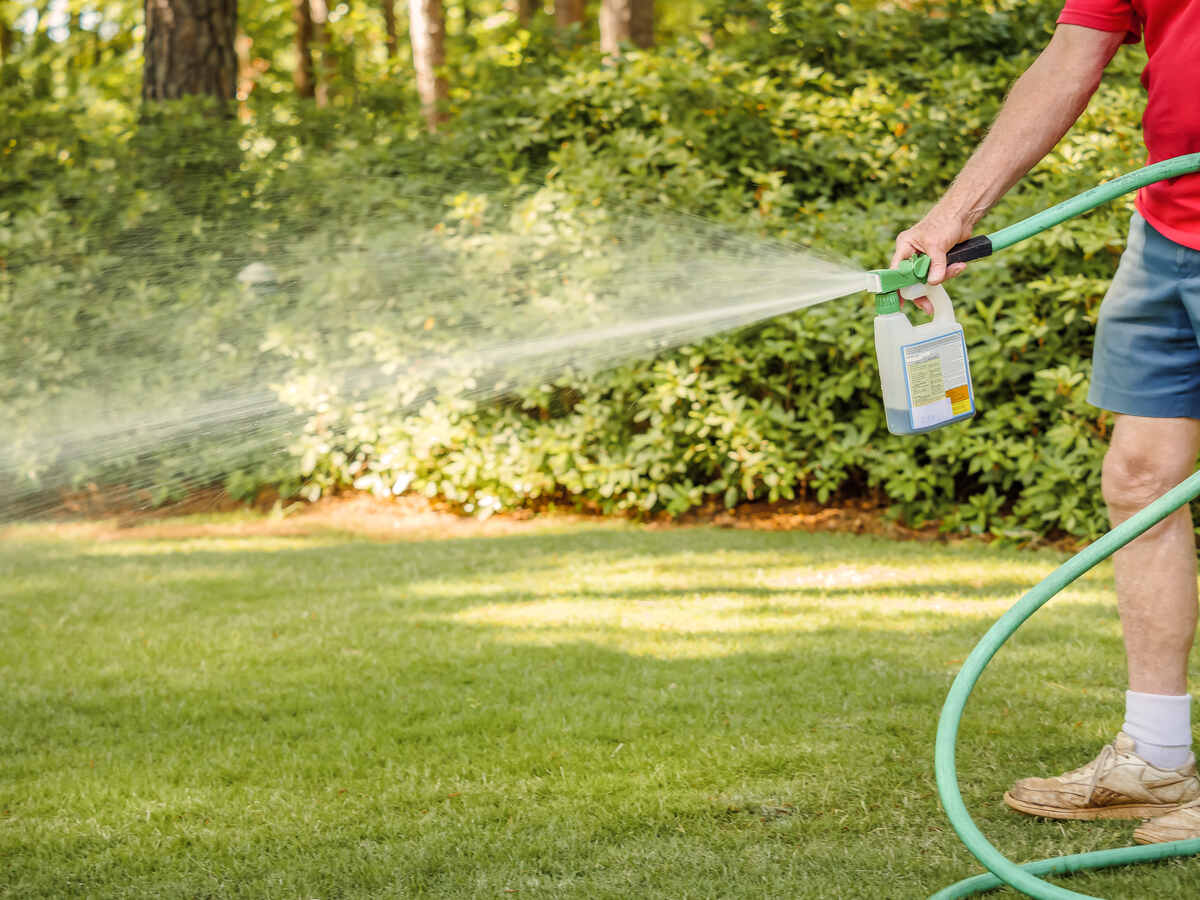
Application: The liquid aeration solution is typically applied using a hose-end sprayer, making it an easy and convenient process for homeowners.
Penetration: Once applied, the solution seeps into the soil, aided by water from rainfall or irrigation.
Action: The active ingredients start breaking down the compacted soil, improving its structure and allowing roots to grow deeper and stronger.
Is Liquid Lawn Aeration Effective?
Despite the hype, there is no strong scientific evidence that liquid lawn aeration works as well as advertised. According to the University of Nebraska-Lincoln, these products have not been scientifically tested for effectiveness.
Colorado State University points out that while some products contain liquid humates and soap-like materials like sodium lauryl sulfate, they are too diluted to make a real difference.
There is no chemical replacement for the physical process of core aeration. At best, these liquids might help water spread more evenly, but they will not solve soil compaction.
In short, while liquid lawn aeration sounds convenient, traditional core aeration is still the proven method for managing soil compaction effectively. You can read more comparisons in our article Liquid Aeration vs. Core Aeration: Which Method Actually Works?
See Related: What Is Core Aeration?
Pros and Cons of Liquid Lawn Aeration
Liquid aeration has genuine convenience upsides, but it also has real limits. Here is how the tradeoffs stack up before you decide.
| Pros | Cons |
| Minimal soil disruption | Does not relieve heavy, deep compaction |
| Even, whole-lawn coverage | Slower and less certain results |
| Easy hose-end application | Inconsistent product quality and dilution |
| Better short-term water infiltration | No proven replacement for core aeration |
Best Practices for Lawn Aeration
Now that we have established traditional aeration methods as more effective than liquid aeration, let us explore some essential tips to ensure you properly aerate your lawn. Here are some best practices to give your lawn the best care possible:
1. Choose the Right Method
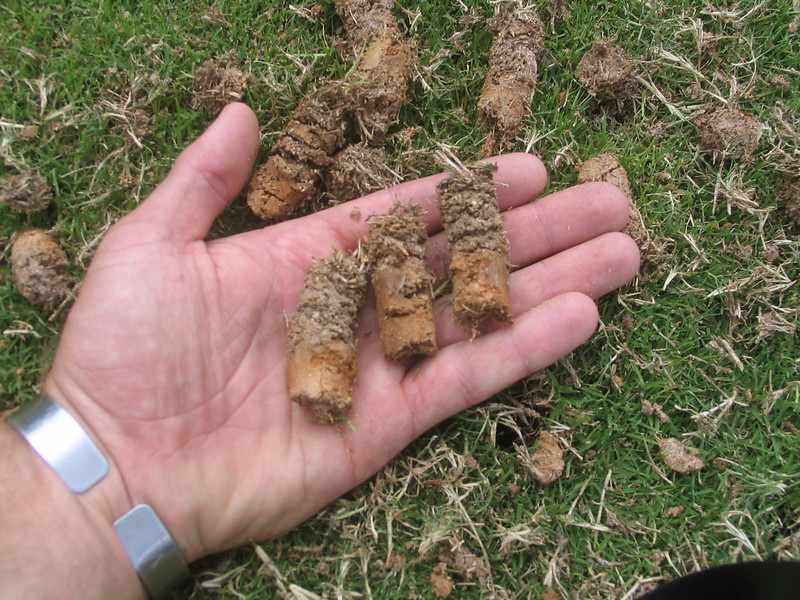
Stick with the tried-and-true method: core aeration. This involves removing small plugs of soil to reduce compaction, physically opening up the soil so air, water, and nutrients reach the roots. As Scott Culala of The Lawn Cypress, in Gardner, Kansas, puts it, “Aeration helps revive the soil.” Liquid aeration can help as a wetting agent, but do not rely on it alone for serious soil compaction.
2. Aerate at the Perfect Time
Timing is crucial. For cool-season grasses, aim to aerate in early spring or fall when the grass is actively growing, while late spring to early summer is best for warm-season grasses. Aerating during these windows helps your lawn recover quickly and fill in the aeration holes.
3. Prepare Your Lawn
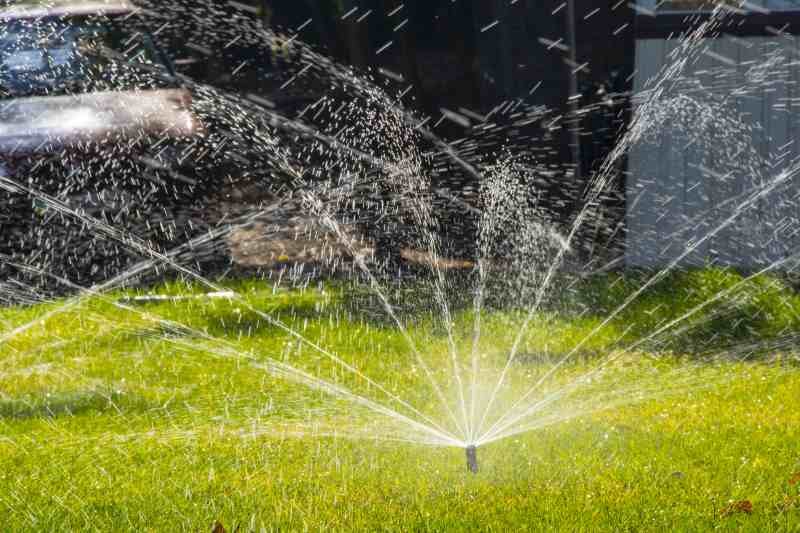
Get your lawn ready before aerating. Water it a day or two beforehand to soften the soil, making it easier to remove plugs. The soil must be moist but not wet, so avoid aerating during droughts or extreme heat to prevent stressing the grass.
See Related: 7 Steps to Prepare Your Lawn for Aeration and Overseeding
4. Use the Right Equipment
Renting a core aerator from a local garden center or hardware store is a great option. These machines are designed to efficiently remove soil plugs and are easier than using hand tools. Follow the manufacturer’s instructions for safe and effective use.
5. Fertilize and Overseed
After aeration, your lawn is primed to absorb nutrients. Apply a high-quality fertilizer to give your grass the essential nutrients it needs.
Overseeding can also help fill in bare spots and boost lawn density. New grass seeds will thrive in the loosened soil, leading to stronger growth. Once a lawn is fertilized and aerated, says Chuck Vogt of Metro Lawns, in Atlanta, Georgia, “It’ll grow much quicker and much deeper.”
Here is a comprehensive overview on What to Do After Aerating Your Lawn.
6. Maintain Regular Care

Aeration is just one part of a healthy lawn care routine. Regular mowing, watering, and fertilizing are essential. Keep an eye on the thatch layer and remove excess thatch as needed to prevent future compaction.
In fact, you can even dethatch and aerate at the same time to save effort and enhance your lawn’s overall health.
See Related: Best Time to Aerate and Overseed Your Lawn
FAQs
Liquid aeration acts slowly, so give it time. Many homeowners notice slightly softer soil and better water absorption within a few weeks, though results vary by product and soil type. Pairing it with regular watering and fertilizing helps, but do not expect the fast, physical relief that core aeration delivers.
Yes, and more product does not mean better results. Overapplication can waste money or leave a soapy residue on the surface, so always follow the label rate and dilution instructions for your product. When in doubt, apply less and reapply later rather than saturating your lawn all at once.
Apply during your grass’s active growing season, when roots can take advantage of any improved soil structure. Choose a day with light rain expected or plan to water afterward, since moisture helps the solution move into the soil. Avoid applying during droughts, extreme heat, or dormancy.
Yes, and pairing them can be smart. Core aeration handles the physical compaction, while a liquid product may help water spread more evenly across the surface afterward. Treat liquid aeration as a supporting wetting agent, not a substitute, and let core aeration do the heavy lifting for compacted soil.
Trust LawnStarter Experts for Your Lawn Care Needs
Sometimes it is best to leave the lawn care tasks to the pros. LawnStarter’s vetted pros can handle mowing, trimming, and general maintenance, keeping your lawn neat and healthy.
Ready to take your lawn to the next level? Connect with one of LawnStarter’s local aeration professionals for that and other routine tasks, like mowing, and enjoy a perfectly manicured lawn all year long.
Read More:
Main Image: Person choosing a liquid for lawn aeration. Image Credit: BearFotos / Shutterstock
