| Key Takeaways: |
|---|
| ● Create more restorative yards: Homeowners are using landscapes to relax, garden, entertain, and get away from screens. ● Reduce maintenance with smarter choices: Smaller lawns, climate-adapted plants, better drainage, and automation can cut routine upkeep. ● Make outdoor spaces more useful: Edible plants, sensory gardens, outdoor gathering areas, and layered planting styles are making yards more functional and personal. |
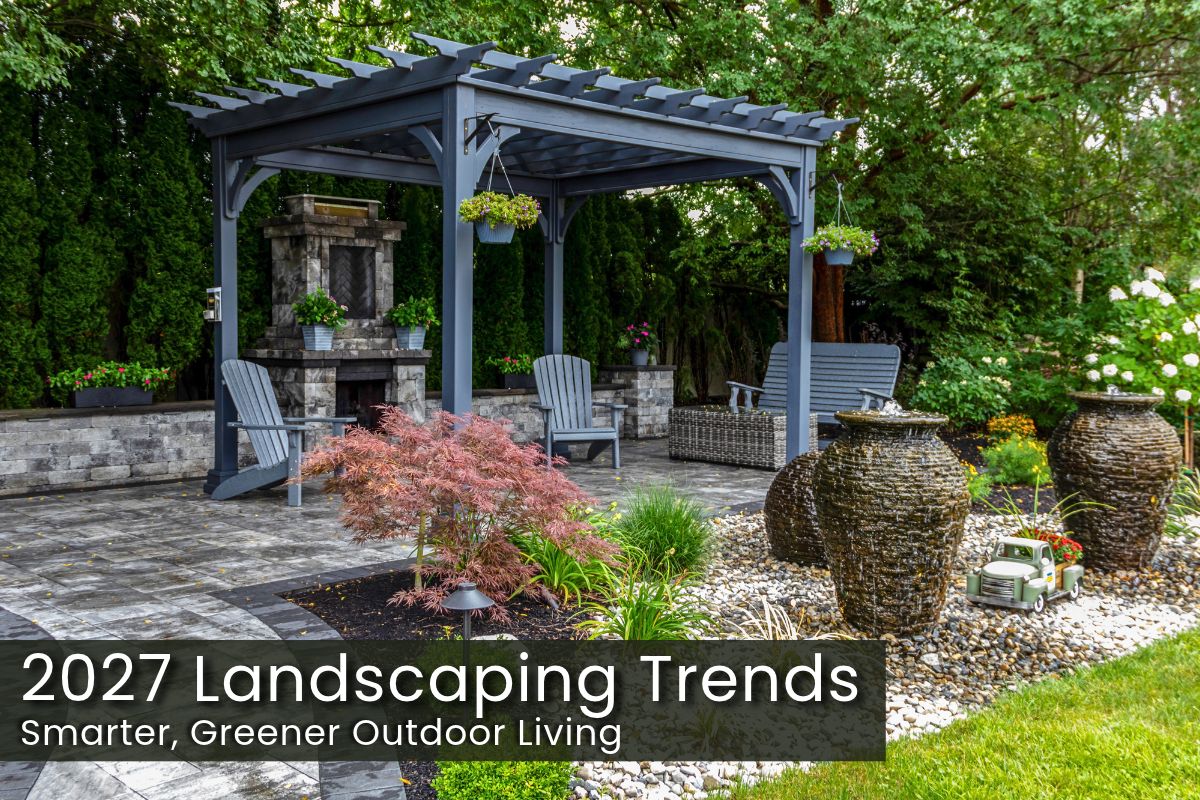
These 2027 landscaping trends show that a good-looking yard may not be enough. Homeowners want a reason to spend time outside in their backyard oasis.
That can mean a garden you can smell and touch, a few vegetables mixed among the flowers, a shady place to sit without your phone, or simply a landscape that doesn’t demand every minute of your free time.
Water use, extreme weather, and maintenance are also changing what makes sense to plant and build.
- 1. Outdoor Spaces Offer an Escape From Screen Time
- 2. Gardens Are Designed to Be Felt, Not Just Seen
- 3. Edible Gardens Move Beyond the Vegetable Patch
- 4. Less Upkeep, More Natural Beauty
- 5. Lawns Lose Some Ground
- 6. Climate-Ready Landscaping Becomes the Norm
- 7. Robots and Smart Sensors Take on Yard Work
- 8. Outdoor Spaces Become More Multifunctional
- 9. Lush, Layered Gardens Make a Comeback
1. Outdoor Spaces Offer an Escape From Screen Time
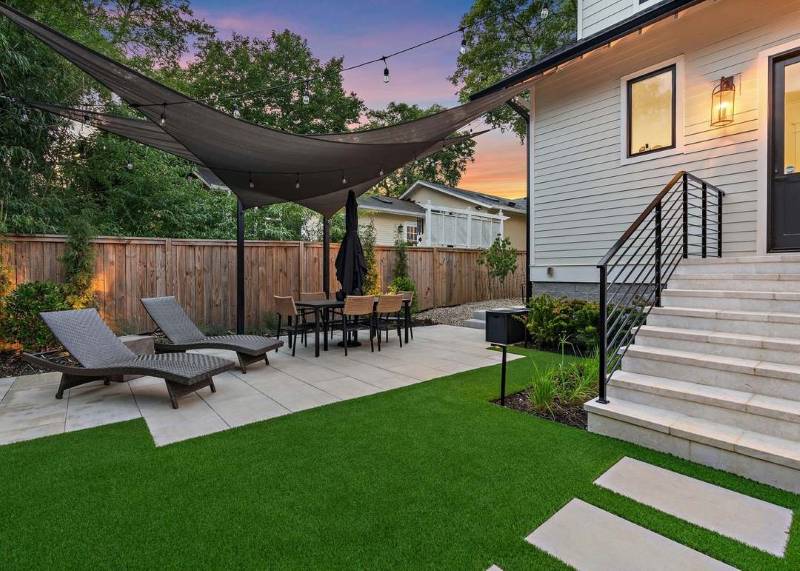
For some homeowners, the backyard is becoming one of the places where there’s no reason to look at a screen. Instead of designing every corner to make an impression, some people are making room for spaces where they can sit, talk, read, garden, or simply spend some time outside.
Tara Piergies-Baker, vice president of custom clients at The Addison Group, Landscape Architects, in Nashville, says her firm is already seeing “a strong desire for quieter, more contemplative retreats,” and for “spaces designed for gathering, but scaled for smaller, more intimate moments.”
Sensory gardens, cutting gardens, and basinless water features are among the features showing up in those spaces, she says.
John Haryasz, a landscape designer in Longmeadow, Massachusetts, is seeing a similar shift. “Having a comfortable and aesthetically pleasing space to gather outdoors gives people a chance to detach from the digital world in a way that might not have been possible without a comprehensive landscape design,” he says.
That desire for an escape can also shape the overall feel of the yard.
Diane Blazek, executive director of the National Garden Bureau, says she’s hearing more about homeowners “recreating a vibe,” whether that means a tropical oasis inspired by a Caribbean vacation, a Tuscan-style garden, or an Old World European look.
See Related: 7 Ways to Touch Grass (And Cut Back on Screen Time)
2. Gardens Are Designed to Be Felt, Not Just Seen
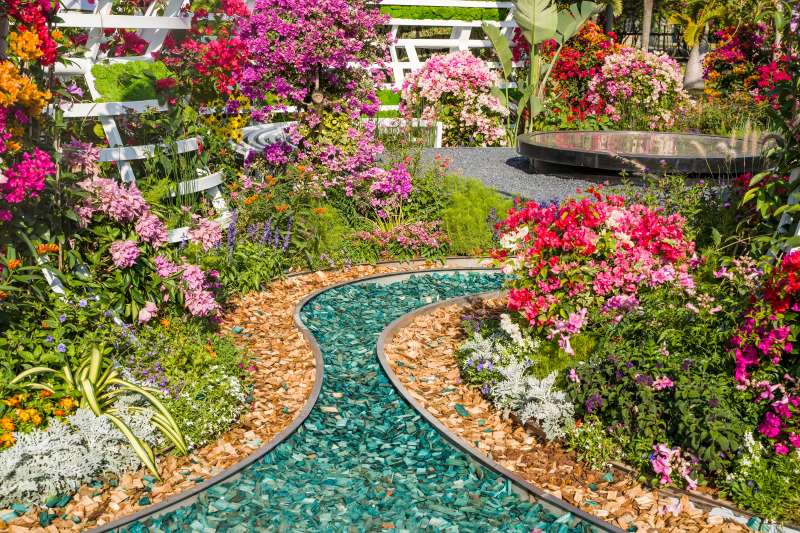
Color will always matter in a garden, but the plants people choose can do a lot more than give them something pretty to look at.
“I do think more gardens will be designed for the senses,” Blazek says. Think fragrant plants near a patio, grasses that move in the breeze, leaves with interesting textures, or plants and landscape features that soften outside noise.
Piergies-Baker is seeing something similar. “We are designing a significant number of dedicated cutting gardens and sensory borders filled with tactile foliage, fragrance, and soft movement that invite you to slow down and interact directly with the landscape,” she says.
Blazek is also seeing more interest in texture, along with plants used as sound and visual barriers. It’s landscaping that gives people more reasons to stop and experience it instead of just looking at it.
See Related:
3. Edible Gardens Move Beyond the Vegetable Patch
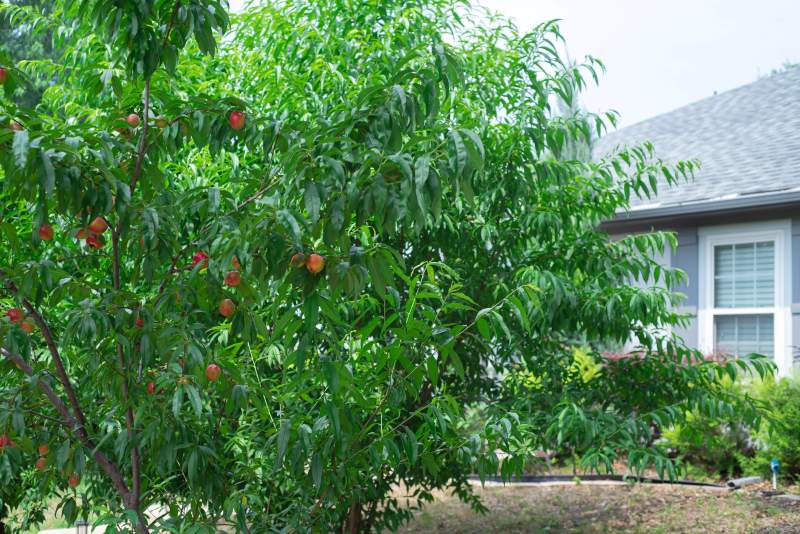
The vegetable garden doesn’t have to be hidden at the far end of the backyard anymore. Fruit trees, berry bushes, herbs, and vegetables are finding their way into ornamental beds, containers, walkways, and front yards.
“People are moving their vegetable gardens out of the backyard and making them part of the view from the street,” says Joseph Demkovich, brand president at Heroes Lawn Care, in South Carolina. He points to raised garden beds, berry bushes, and colorful kale planted along walkways.
The benefits go beyond aesthetics, though.
“I definitely think edible landscaping fits the trend of being more hands-on and screen-free,” says Nikki Bruner, marketing and horticulture specialist at Perfect Plants Nursery in Monticello, Florida.
There’s a built-in activity to it, according to Bruner: Plant something, watch it grow throughout the year, harvest it, and eventually bring it into the kitchen. “It can become a hobby that the whole family participates in,” she says.
Pro Tip: In warmer climates, fig trees are “extremely easy to grow,” Bruner says, and dwarf varieties can even grow in containers. Blackberries can also be highly productive and give homeowners “a tangible reason to get outside and interact with their garden.”
See Related:
- 4-Course Guide to Edible Flowers for Your Garden
- 15 Inspiring Ideas for Your Backyard Vegetable Garden
4. Less Upkeep, More Natural Beauty
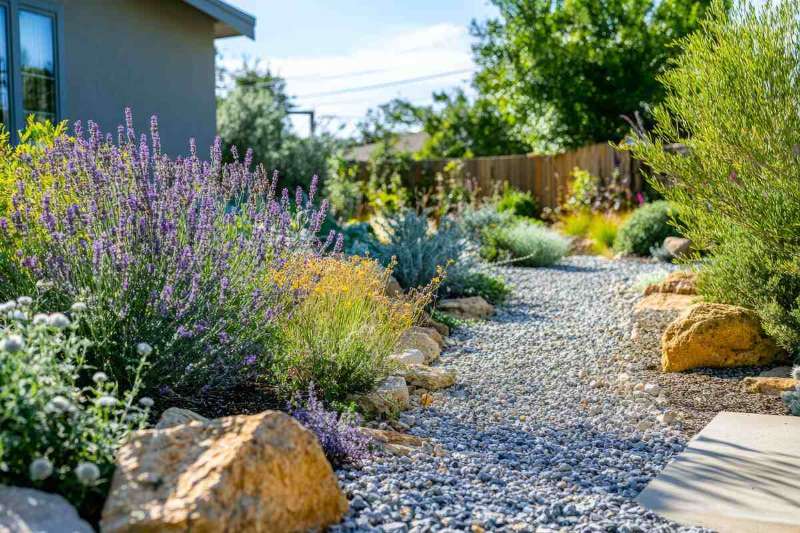
Low-maintenance landscaping used to bring to mind sparse flower beds and lots of rocks. That’s changing. Homeowners still want attractive yards, but they don’t want to spend as much time watering, mowing, and pruning.
Wells Westmoreland, owner of Tomball Lawn Care Service, in Texas, puts it this way: “Manicured grass needs regular maintenance (mowing, seeds, herbicide, dog waste scooping). Naturalistic landscapes need large overhauls a few times a year (trimming, pruning, re-planting, mulch, weeding, and so forth).
“It’s still cheaper than annual mowing and maintenance, but the investment is more concentrated.”
Homeowners’ planting choices reflect this. In Houzz’s 2026 Outdoor Trends Study, 73% of renovating homeowners upgrading plants in their yards chose low-maintenance varieties, 55% chose natives, and 49% chose drought-resistant ones.
Pro Tip: Be wary of online inspiration and AI-generated images. Haryasz says that these images often include more plants, lighting, or hardscaping than “the contractor can realistically build and the homeowner can realistically maintain.”
See Related:
- 11 Low-Maintenance Landscaping Ideas
- 12 Low-Maintenance Plants to Use in Your Landscaping
- How Much Does Xeriscaping Cost?
5. Lawns Lose Some Ground
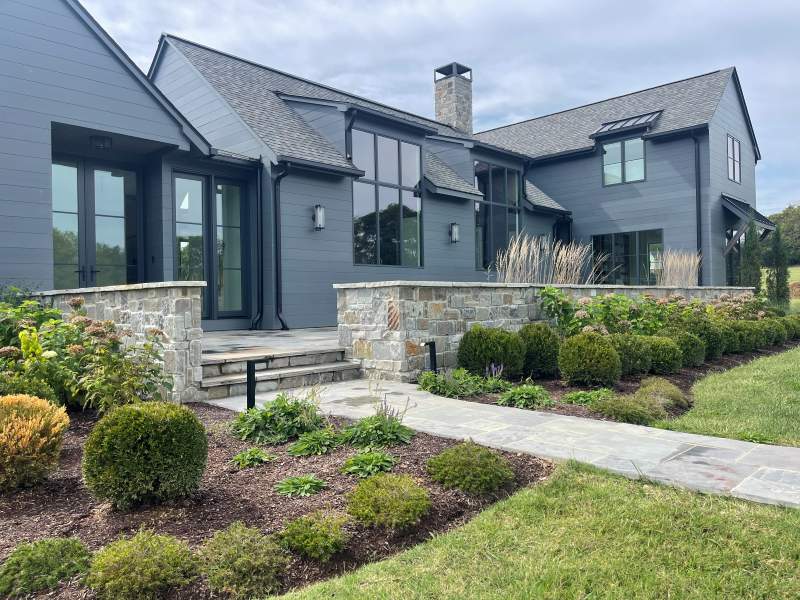
Lawns are becoming smaller and more purposeful. Instead of keeping grass everywhere, homeowners are turning underused areas into planting beds, gravel paths, or outdoor living spaces.
The shift is more noticeable in dry climates. Marc Ballard, owner of No Limit Pools & Spas in Mesa, Arizona, says, “Desert-adapted plants, decorative gravel, and layered accent lighting are replacing high-water turf.”
He’s also seeing “outdoor living zones replacing the traditional lawns.”
For homeowners who still want a lawn, the type of grass matters, too. Piergies-Baker says some clients are moving away from artificial turf in favor of living lawns, especially improved Zoysia and hybrid Bermuda varieties with better heat tolerance and lower summer irrigation needs.
In other words, the question is less “lawn or no lawn?” and more “how much lawn makes sense here?”
See Related: 12 Eco-Friendly Grass Alternatives
6. Climate-Ready Landscaping Becomes the Norm
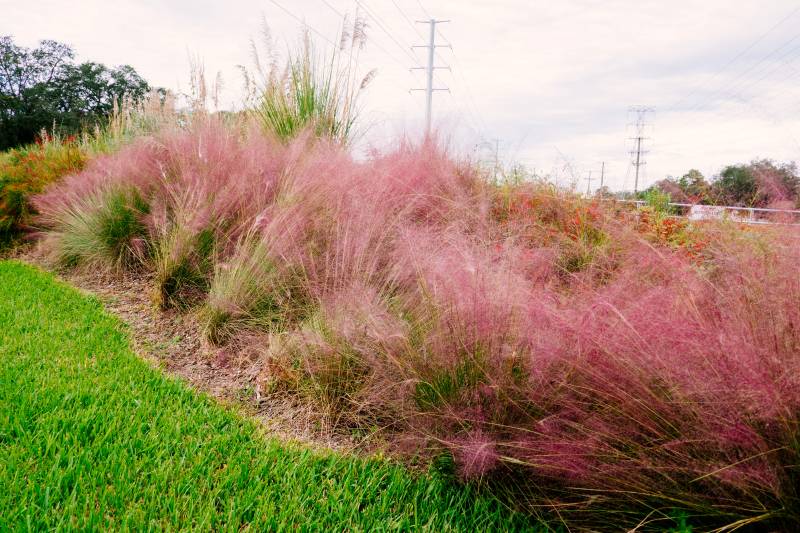
What works in Phoenix doesn’t work in Tampa or Boston or Seattle, and homeowners are paying more attention to that. In 2027, more homeowners will choose plants and landscape features based on the weather their yards actually have to withstand.
Robert Fausette, owner of Revival Homebuyer, in Florida, says, “Native plants like coontie, muhly grass, and firebush are becoming more popular because they thrive on less water and in the intense heat typical of Florida.”
Storm-ready yards that incorporate drainage can also look good. “A rain garden or a swale can be very attractive, add value to a property, and help protect the foundation from costly damage,” he says.
For Blazek, the plants coming to your local grower reflect the same climate-ready ideal. She says breeders continue to focus on “heat and drought tolerance,” with “tough, hardy, continual-blooming plants” getting more attention.
See Related:
- What is Drought-Tolerant Landscaping?
- 10 Best Drought-Tolerant Grasses for Your Yard
- 7 Ways to Improve Drainage in Your Yard
7. Robots and Smart Sensors Take on Yard Work
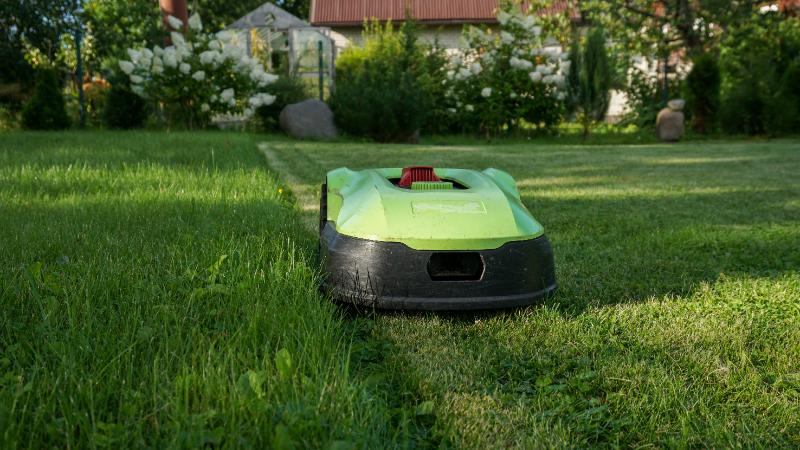
A screen-free yard can still have technology in it, but you may not see much of it. That’s the appeal of tools such as robotic mowers and smart irrigation: They handle repetitive jobs behind the scenes instead of giving you one more thing to think about.
Westmoreland sees that as positive. As homeowners adopt these tools, “the tech will be more in the background, and I think that’s a good thing.”
Fausette points to controllers that adjust watering based on local weather conditions and, in some cases, soil moisture. Instead of remembering when and how much to water, homeowners can let the system respond to conditions on its own.
See Related: How Do Robot Lawn Mowers Work? A Simple Guide
8. Outdoor Spaces Become More Multifunctional
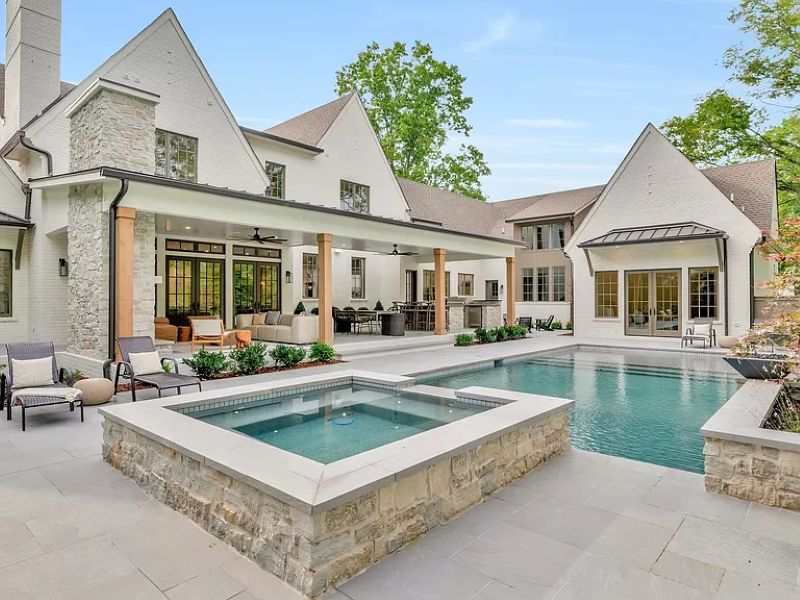
More homeowners are breaking their backyards into smaller areas meant for something specific: lounging, eating, swimming, gathering around a fire, or getting a little privacy.
Some of those spaces are also becoming more specialized. Piergies-Baker says clients are asking for “tailored nooks” and increasingly turning outdoor wellness areas “from luxury add-ons into core programming elements for our sites.”
Taylor Milliken, owner of Milosi, a luxury landscape design, build, and maintenance firm in Nashville, is seeing the same thing.
“There is a growing demand for wellness to be included in design,” he says. “This might be a cold plunge, a sauna, or a meditation garden. Clients are coming to us asking for these to be included.”
9. Lush, Layered Gardens Make a Comeback
Minimalist landscaping with clean lines is making way for a return of more colorful, varied, and textured designs.
Piergies-Baker says clients are mixing different types of landscapes and bloom cycles. This “blends aesthetic beauty with everyday utility, making the garden feel active and engaging rather than purely ornamental or strictly austere,” she says.
Milliken says designers also have more plant choices to work with. Nurseries continue to develop new varieties with more options for size, color, texture, and flowering characteristics.
“If there is a size, color, texture, or flowering attribute, you can likely find it,” he says.
Still, he cautions against relying too heavily on an unfamiliar variety before seeing how it performs. “The key is not to go all in with a new variety until it’s been proven. I have made that mistake before, and it bit me.”
After years of clean lines, landscapes in 2027 will have more room for color, texture, memories, and personality.
Create a Yard That Works for You
The biggest landscaping trends for 2027 point toward yards that do more: They give homeowners a place to unplug, make better use of local conditions, require less upkeep, and offer more reasons to spend time outside.
If your own yard could use an upgrade, LawnStarter’s landscaping services can connect you with local pros who can help bring your landscape plans to life.
Sources:
- Diane Blazek, executive director of the National Garden Bureau. Personal interview.
- John Haryasz, landscape designer, Longmeadow, MA. Personal interview.
- Joseph Demkovich, brand president at Heroes Lawn Care, Seneca, SC. Personal interview.
- Marc Ballard, owner of No Limit Pools & Spas, Mesa, AZ. Personal interview.
- Nikki Bruner, marketing and horticulture specialist at Perfect Plants Nursery, Monticello, FL. Personal interview.
- Robert Fausette, owner of Revival Homebuyer, Tampa, FL. Personal interview.
- Tara Piergies-Baker, vice president of custom clients at the Addison Group, Landscape Architects, Nashville, TN. Personal interview.
- Taylor Milliken, owner of Milosi, Nashville, TN. Personal interview.
- Wells Westmoreland, owner of Tomball Lawn Care Service, Tomball, TX. Personal interview.
Main Image: Backyard oasis with a gray pergola, stone fireplace, and waterfall urns on a paver patio. Photo Credit: rabbitti / Adobe Stock
Related Posts: