| Key Takeaways |
|---|
| • Aerate and overseed during your grass's peak growing season: Fall for cool-season grasses, late spring to summer for warm-season grasses. • Late aeration and overseeding leads to poor germination, frost damage, and wasted resources. • Core aeration paired with proper watering gives new seeds the best chance to establish. |
If your lawn needs a revival, timing is everything when you aerate and overseed. November is too late for cool-season lawns, and warm-season grasses should be done before mid-August.
Each grass type has a different growing season. Aerating and overseeding during peak growth boosts germination, while waiting too long leads to poor results and wasted effort.
Getting the timing right can be tricky, especially when juggling soil temps and frost dates. LawnStarter’s aeration and overseeding pros can handle the job at the right time for your lawn.
Aeration and Overseeding: When Is It Too Late?
It is too late to aerate and overseed a cool-season lawn once late fall transitions into early winter, typically around November. For warm-season grasses, the cutoff falls between late August and mid-September.
If you live in a frosty area, aerate and overseed at least 45 days before the first frost.
If you missed fall aeration, early spring is an alternative for cool-season lawns. Once temperatures rise into summer weather, it is too late to start.
For warm-season grasses, aeration and overseeding may be fruitless between late summer and early fall. Many warm-season types, such as Bermudagrass and Zoysiagrass, spread through stolons and rhizomes. They often recover from thin spots without overseeding if properly aerated and fertilized.
Timing matters because aeration and overseeding work best during the grass’s peak growing season. Performing these tasks during dormancy leads to poor germination and wasted resources.
See Related: When to Mow After Overseeding Your Lawn
When Is the Best Time to Aerate and Overseed Your Lawn?
There is one ideal window for warm-season grass and two windows for cool-season grasses.
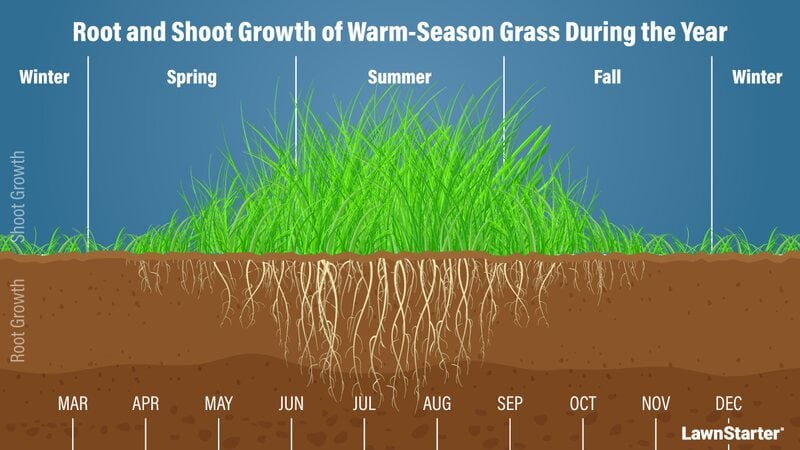
For warm-season grasses, the best window is between late spring and summer, May through early August.
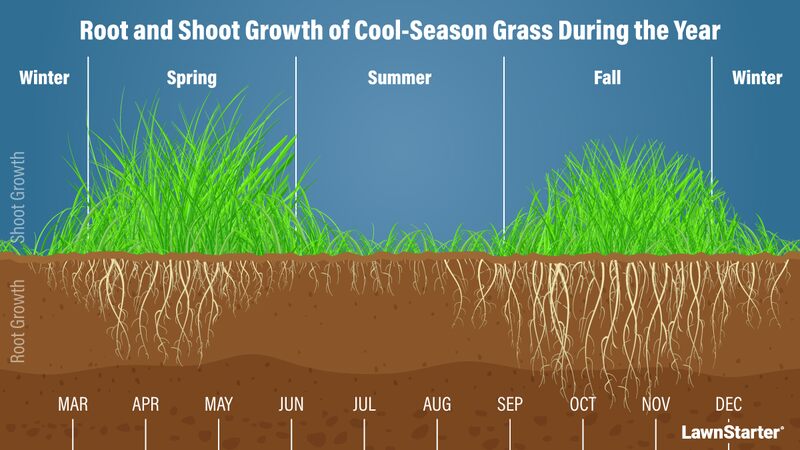
For cool-season grasses, the best time to aerate and overseed is in fall, late August to mid-September. The second-best time is early spring, or early March to mid-April.
New grass seeds grow quickest at their preferred soil temperature. Use a soil thermometer (available for under $15 at garden centers) to check soil temperature at a 2-inch depth before aerating.
Warm-season grasses: Germinate best when the soil temperature is between 75 and 85 degrees, depending on the species. Air temperatures above 70 degrees help germination.
Cool-season grasses: Prefer soil temperatures between 59 and 86 degrees for germination. An air temperature between 60 and 75 degrees is ideal for leaf growth.
See Related:
What Happens if You Aerate and Overseed Too Late?
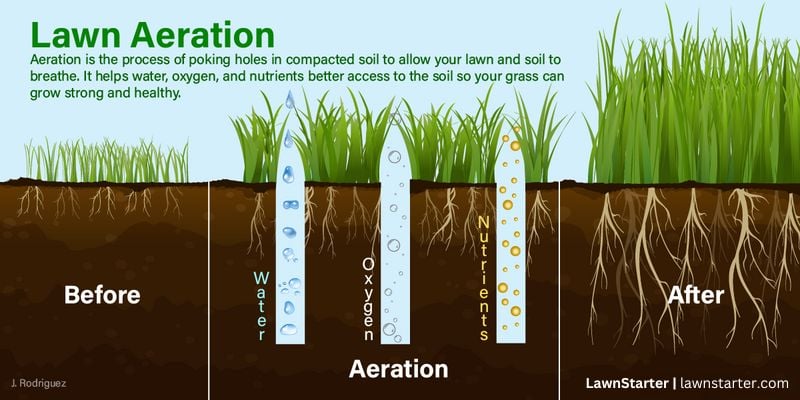
Late aeration and overseeding leads to several problems. The most significant is poor seed germination.
Why Poor Seed Germination Occurs
Grass seeds require specific soil temperatures to germinate. Aerating and overseeding outside that range means seeds will not sprout effectively, leaving your lawn dull and patchy.
To learn more about seed planting, here is an in-depth article: Best Time to Plant Grass Seed.
High Vulnerability to Frost
Cool-season grasses need strong roots to survive winter. If you aerate and overseed too late, new seedlings will not have time to establish before the first frost arrives.
Young plants with shallow root systems will fail to withstand freezing temperatures, leaving patchy spots across your lawn.
Waste of Time and Resources
Aeration and overseeding require grass seed, equipment, and thorough watering. Performing these tasks at the wrong time wastes both time and money with no visible improvement.
“Without proper timing, that investment rarely pays off,” says LawnStarter pro Chelsea Morris, owner of High-Class Grass in Virginia Beach.
Grass Struggles to Recover From Aeration
Aeration stresses your grass, and it needs consistent watering to recover. Aerating too late slows recovery and will not give you the thick turf you want.
You May Have to Skip Other Treatments
Aeration opens the door for fertilizer and topdressing treatments. Late aeration eliminates the chance to follow up with these growth-boosting treatments.
See Related: When to Fertilize Your Lawn
Benefits of Aerating and Overseeding Your Lawn
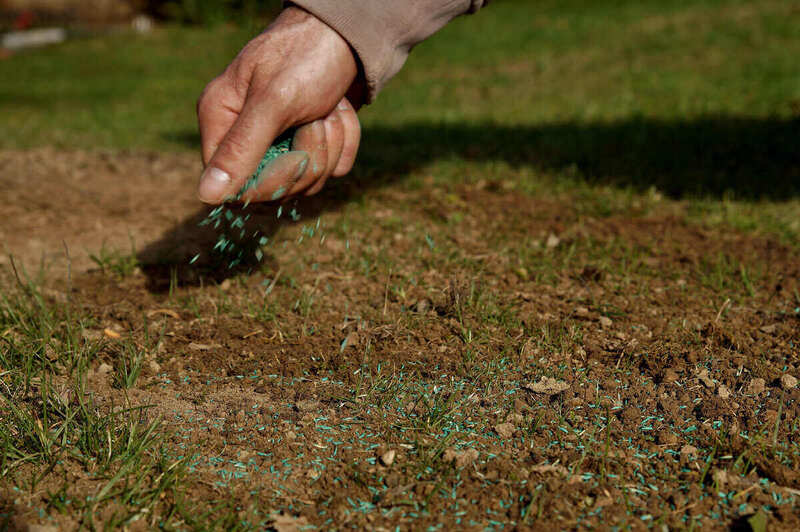
Aerating and overseeding at the right time produces a thick, green, healthy lawn. “Aeration helps revive the soil,” says LawnStarter pro Scott Culala, owner of The Lawn Cypress in Gardner, Kansas.
Here are the benefits of aeration:
Strong, thick, and healthy root system
Improved water absorption (soil)
Reduced thatch buildup (aeration is recommended when thatch exceeds half an inch)
Improved water drainage
Fertilizers and nutrients reach the roots more effectively
Lawn becomes more heat- and drought-tolerant
Lawn is primed for other treatments
If you follow up aeration with overseeding, here are the benefits:
Reduced soil erosion
Minimal weed growth
Increased grass density
Vibrant, green lawn
See Related: Benefits of Aerating Your Lawn
How to Aerate and Overseed Your Lawn
Always aerate before overseeding. “If you’re reseeding, your lawn needs to be aerated,” says LawnStarter pro Chuck Vogt, owner of Metro Lawns in Atlanta, Georgia.
Aeration improves seed-to-soil contact, which significantly boosts germination compared to broadcasting seed over an un-aerated lawn.
We recommend core aeration over spike aeration for better results.
Core Aeration
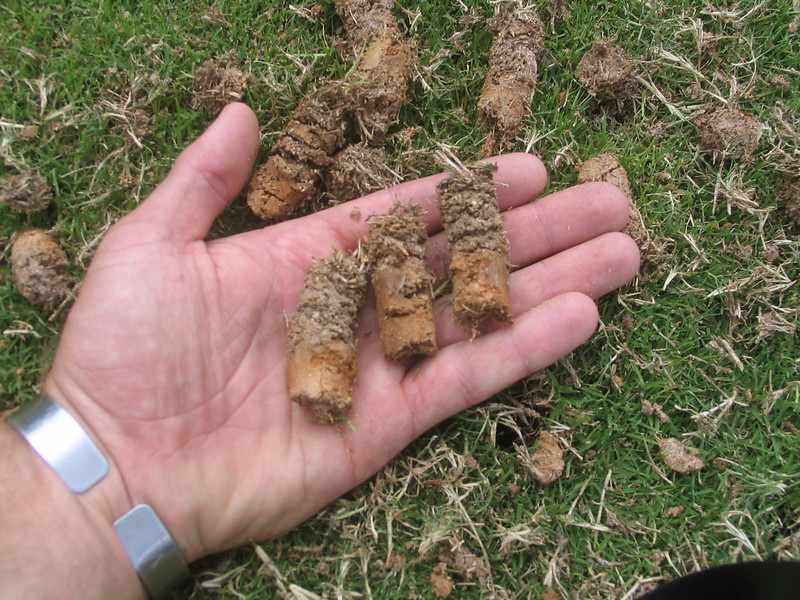
Core aerators use hollow tines that remove soil plugs from the ground. Here are the steps:
Step 1: Select the right core aerator for your lawn size. Manual aerators cost around $25 to $50, while machine rentals run about $75 to $150 per day at most home improvement stores.
Step 2: Mow the grass shorter 2 or 3 days before aerating.
Step 3: Water the lawn (1 inch of water) 2 days before aeration to soften the soil.
Step 4: Flag sprinkler heads and call 811 to mark utility lines before you start.
Step 5: Aerate the entire lawn making at least 2 passes in different directions, creating holes roughly 2-3 inches apart. Leave the soil plugs on the surface to break down naturally over 1–2 weeks.
See Related: How to Aerate a Lawn
Overseeding
Overseeding fills in bare, thin spots across your lawn. Spread 4 to 6 pounds of grass seed per 1,000 square feet as a general rule. A 10-pound bag of quality seed typically costs between $20 and $50, depending on the grass species.
After spreading seed, apply a starter fertilizer high in phosphorus (such as 10-15-10 or 18-24-12) to support root development. Avoid weed-and-feed fertilizers because they contain pre-emergent herbicides that will prevent your new seed from germinating.
Water the lawn lightly 2 to 3 times per day for the first 2 weeks to keep the top inch of soil moist. Reduce to once daily during weeks 3 and 4 as seedlings establish.
Limit foot traffic until seedlings reach 1 or 2 inches tall. Wait to mow until new grass matches the height of established lawn.
See Related:
5 Mistakes to Avoid When Aerating and Overseeding
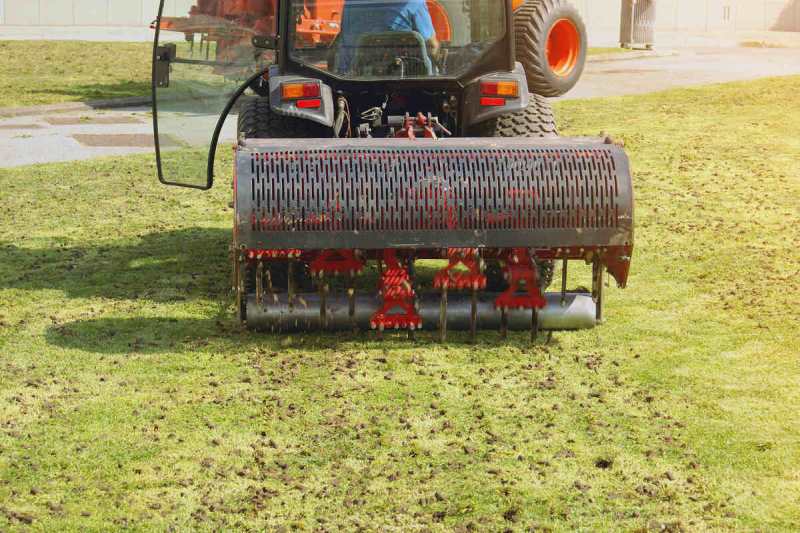
First-time DIY aeration can be tricky. Avoid these common aeration mistakes:
Choosing the wrong aerator: A manual spike aerator is too slow for large lawns. Match your aerator type to your lawn size.
Misuse of aeration machines: Always disengage the tines during each turn. Failing to do so will severely damage your lawn.
Aerating during dry conditions: Overly dry, compact soil makes it harder for tines to penetrate. Aerate the day after a good rainfall.
Skipping irrigation: Start watering immediately after spreading new seeds to maintain soil moisture.
Mowing too soon: Resume mowing only after new grass reaches the same height as established blades.
See Related: What is Core Aeration?
FAQs
Most cool-season grasses germinate in 7 to 21 days. Perennial ryegrass is the fastest (5 to 10 days), while Kentucky bluegrass takes the longest (14 to 30 days). Full establishment takes 6 to 8 weeks.
Yes, but not in the same way as a normal fall overseeding. Once soil temperatures drop below about 40 degrees and it’s too cold for seed to germinate, you can switch to dormant seeding.
You can spread cool-season grass seed on bare or lightly raked soil in late fall or winter and let it germinate naturally in early spring.
You should use it only as a backup rather than a first choice. Fall overseeding provides faster, more predictable establishment and better competition against weeds.
Dormant seeding works well when you miss the fall window, but results depend more on winter weather and soil movement, and seedlings can still face heavy spring weed pressure.
If soil pH is too low or too high, seeds may germinate but seedlings will struggle to establish a dense turf, even if timing and watering are perfect.
Hire a LawnStarter Pro
Core aeration relieves soil compaction, allowing more water and nutrients to reach grass roots. Overseeding fills in bare patches for a fuller lawn.
Aeration and overseeding can be time-consuming, especially for large lawns. Professional aeration typically costs between $107 to $202 for an average-sized yard, and hiring a pro saves you the hassle of renting equipment.
Hire one of LawnStarter’s local aeration and overseeding pros to aerate your lawn, spread new seeds, and bring your turf back to life.
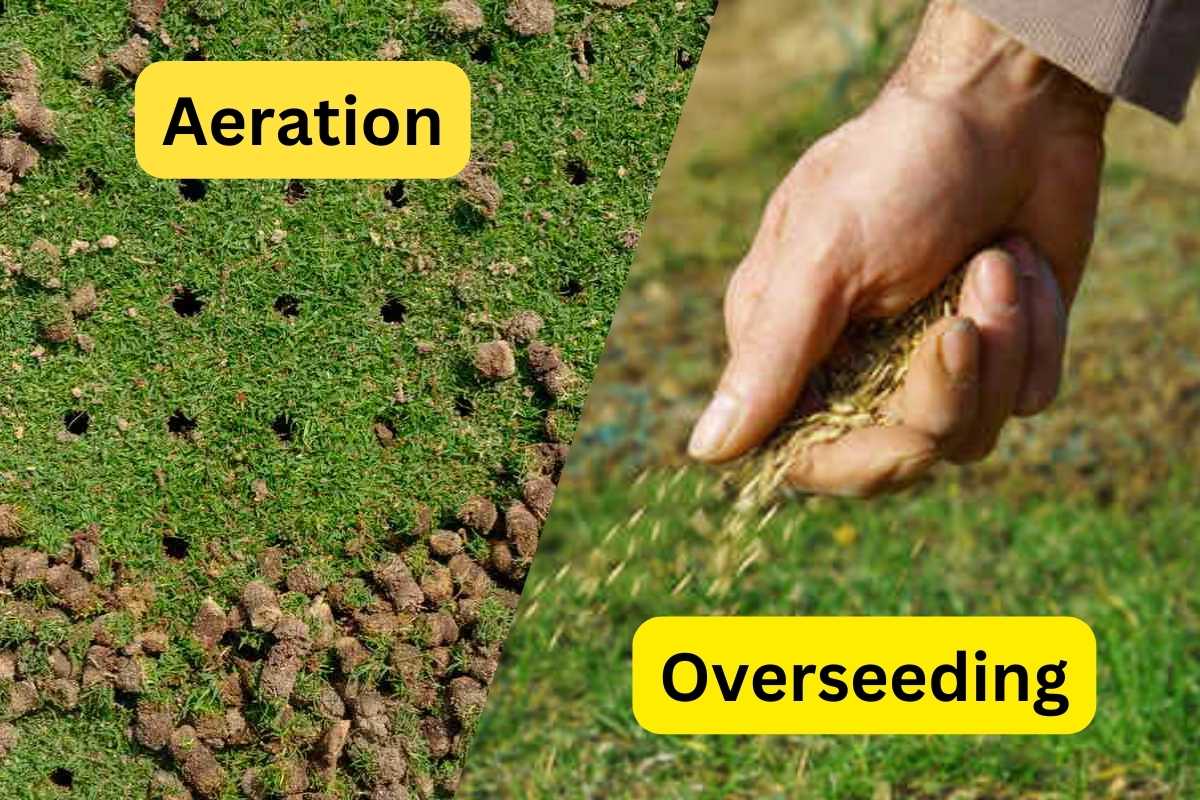
Main Image: Aeration vs overseeding
Aeration: Oldboys / Shutterstock
Overseed: Mabeline72 / Shutterstock, created using Canva Pro
Related Posts: