| Key Takeaways |
|---|
| • Mow at 3 to 4 inches to shade soil and prevent weed germination. • Apply pre-emergent herbicides before weeds germinate. • Overseed bare patches to keep grass dense and competitive. |
Preventing weeds in your lawn may not require more time or money. Instead, maintain thick, healthy grass through proper mowing, watering, fertilization, and soil care — tasks you already do on a regular basis.
Dense turf shades the soil and prevents weed seeds from germinating, while strategic use of pre-emergent herbicides, if needed, adds an extra layer of protection.
In this guide, we’ll share practical tips and strategies to help you prevent weeds before they take hold of your entire yard.
Need professional help? LawnStarter’s weed control services combine targeted treatments with ongoing maintenance to keep your yard weed-free year-round.
Use Proper Mowing Techniques
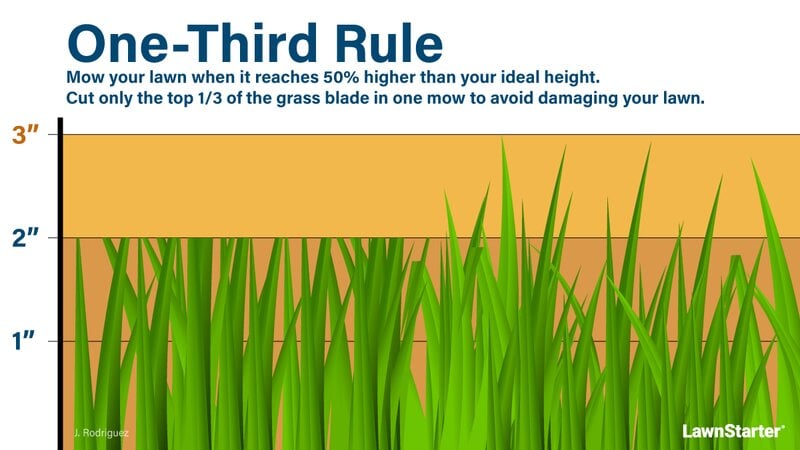
Proper mowing is one of the easiest ways to prevent lawn weeds. Cut your grass to the recommended height for its type, but mow on the high side. According to Leslie Beck, Extension weed specialist at New Mexico State University, the typical height for residential lawns is 3 to 4 inches. This helps shade the soil and stops weed seeds from germinating.
Beck emphasizes that “mowing height and especially frequency should be adjusted for the type of turfgrass, the time of the season, and lawn usage in order to maintain a healthy and competitive turf.”
- Follow the one-third rule for mowing: Trim no more than a third of the grass blades when you mow. Cutting too short can scalp your lawn, exposing soil to sunlight and creating ideal conditions for weed germination.
- Keep mower blades sharp: Dull blades stress grass and create entry points for disease.
- Leave the grass clippings as you mow: This natural mulch covers the soil and blocks sunlight, which helps prevent weeds such as crabgrass from germinating. In the fall, you can also mulch your leaves, creating an additional layer of fine mulch to block winter weed germination, improve soil health, and protect the lawn before winter.
Water Strategically
Too little water weakens your lawn, while overwatering stresses grass and discourages root development.
“The vast majority of the time, lawns are overwatered,” Beck says. Instead of a “set-it-and-forget-it” approach, water according to your lawn’s needs.
Best practice: Water deeply and infrequently to encourage deep root growth. Aim for 1 to 1.5 inches of water per week, including rain. Deep watering helps grass develop strong roots that can outcompete weeds.
See Related: How Often Should I Water My Lawn?
Take Regular Soil Tests
Think of soil as the foundation of your lawn’s health. The right balance of nitrogen, phosphorus, and potassium, plus an ideal pH between 6 and 7, creates conditions for healthy grass.
“A lawn that is stressed is the most susceptible to weed invasion,” says Beck. “If the turf cannot outcompete germinating weed seedlings by taking up adequate space, water, nutrients, light, etc., then the environment favors the weed and not the lawn.”
Test your soil every 3 years. If grass is struggling, test more often. Apply amendments and nutrients as needed to boost soil health and help grass grow strong and resilient.
See Related: How to Test the Soil pH of Your Lawn
Apply Pre-Emergent Herbicide
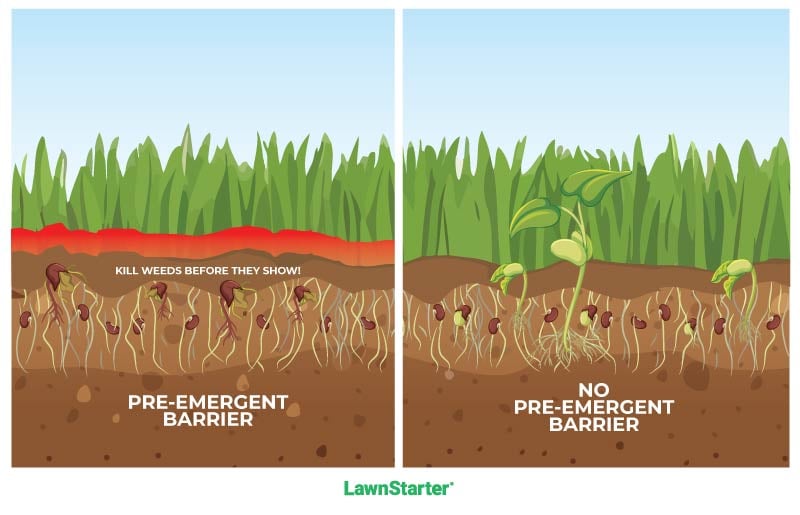
If you want to be proactive, use a pre-emergent herbicide before germination begins to create a chemical barrier that prevents weeds from germinating above the soil surface.
When should I apply pre-emergent for weeds?
- To prevent summer weeds: Apply a pre-emergent herbicide in late winter to early spring when soil temperature reaches 50 F to 55 F.
- To prevent winter weeds: Apply in late summer to early fall when soil temperature drops to 70 F.
Can’t keep up with pre-emergent timing? LawnStarter’s weed control pros apply treatments at exactly the right time for your climate, so get a free quote.
See Related:
Dethatch and Aerate
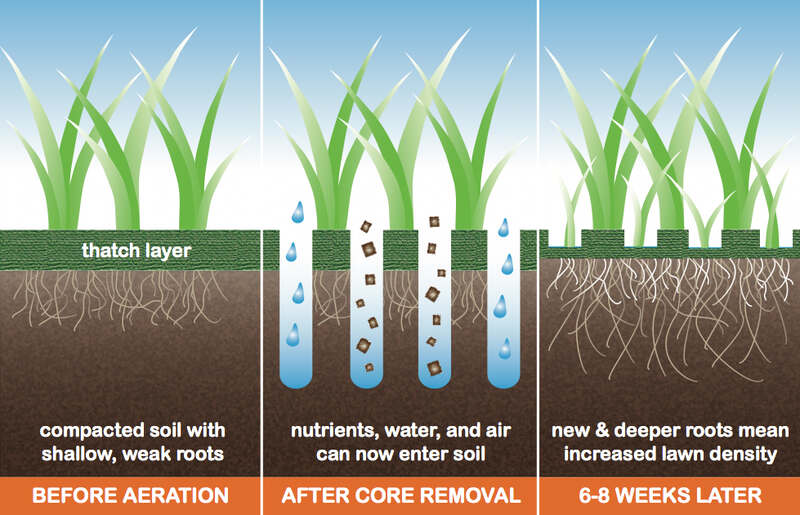
Remove excess thatch when it exceeds 1/2 inch, as too much thatch weakens grass and makes it prone to weeds. Beck recommends dethatching “during the mid-to-late spring or early fall when the turf is actively growing and can recover from injury better.”
“Turfgrasses that spread by rhizomes and/or stolons, such as Bermudagrass, Kentucky bluegrass, or creeping bentgrass, will produce more thatch,” she says. “These types of lawns may need to be dethatched yearly for optimum weed control.”
Along with dethatching, aeration is often performed to relieve soil compaction and improve airflow to grass roots, making the grass thicker and stronger to outcompete weeds. “Grasses should be aerated at a time when they are actively growing and can recover from the aeration more effectively,” says Beck.
Here is the suggested timing for aeration:
- Cool-season (northern) grasses: Late summer/early fall or early spring
- Warm-season (southern) grasses: Late spring to early summer
See Related:
Overseed Bare Patches
According to Beck, proper lawn management creates “an environment that favors the lawn and other desirable plants in the landscape, not the weeds.” And dense grass shades the ground and stops weed seeds from germinating.
“Overseeding bare soil areas in the lawn during the spring and/or fall (depending on type of turfgrass) is a great way to try and get healthy growing turfgrass throughout the growing season to outcompete weeds,” says Beck.
Pro Tip: “The turf should have at least one growing season to effectively establish prior to making any herbicide application for weeds,” Beck advises, to avoid injuring newly germinating grass.
See Related: How to Overseed a Lawn
Fertilize Your Grass
Fertilizing promotes full, dense growth that crowds out weeds. Start by testing your soil to see what nutrients it needs, then choose the right fertilizer for your lawn.
Also, knowing when to fertilize your lawn is critical:
- Cool-season grasses: Fertilize in early fall or early spring
- Warm-season grasses: Fertilize in late spring or early summer
It’s tempting, but don’t overfertilize your lawn. This can cause the grass to grow too fast, making it weak and more likely to be taken over by weeds.
Pro Tip from Beck: Avoid weed-and-feed products that combine herbicide with fertilizer. Herbicides should be applied in early spring before grass is actively growing, but fertilizer is best applied later when grass needs nutrients. “It is safer and you get more bang for your buck to buy a fertilizer and an herbicide and use them both at the most appropriate timing for the target plants.”
See Related: How to Fertilize Your Lawn
Choose the Right Grass
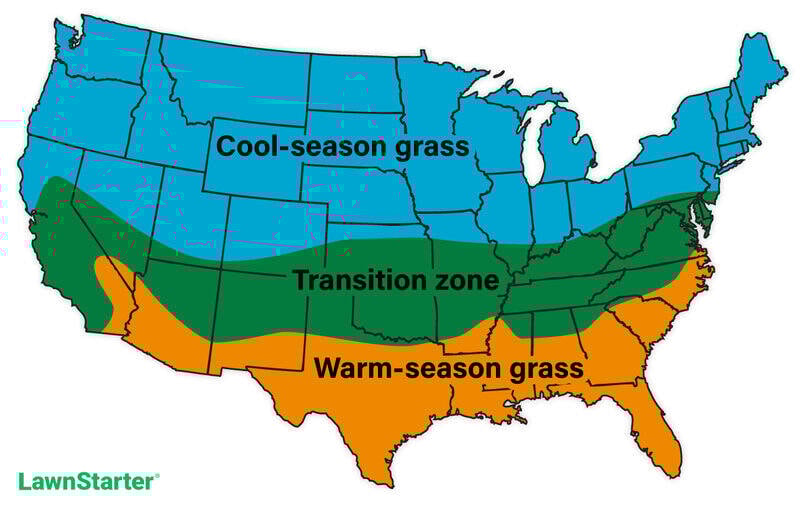
Beck explains that it’s important to choose the right grass for your specific landscape, which will depend on your yard’s sun/shade exposure and soil type, as well as your geographic location and local climate conditions.
- In warm southern states: Heat-tolerant warm-season grasses like Bermuda, Zoysia, centipede, or St. Augustine work well. For drought-prone areas, choose Bermuda, bahia, or buffalograss.
- In cooler northern states: Cool-season grasses like Kentucky bluegrass, tall and fine fescues, or perennial ryegrass are common.
Grass adapted to the local climate, soil, and region grows thicker and healthier, leaving fewer bare spots where weeds can take hold.
FAQ
No single method kills weeds permanently. The most effective approach combines dense, healthy grass (which naturally suppresses weeds), pre-emergent herbicides (to prevent germination), and spot-treating existing weeds with post-emergent herbicides or hand-pulling. Consistent lawn care is key to long-term weed control.
No grass type is naturally weed-resistant; health and density matter most. “While there are different turfgrasses available for a lawn, the best defense against weeds is always going to be a dense, healthy, and competitive turfgrass stand,” says Beck.
“When choosing a type of turfgrass for your lawn, it is best to choose the type of grass best suited for growth and health in that area.”
Let LawnStarter Keep Your Lawn Weed-Free
Preventing weeds effectively requires consistent lawn care, such as proper mowing, watering, aeration, and dethatching. If you’re tired of battling weeds or worried about missing critical pre-emergent application windows, LawnStarter’s local lawn care pros can handle it for you.
Get a free quote for weed control services in your area and enjoy more grass and fewer weeds year-round.
Sources:
- Leslie Beck, Extension weed specialist and associate professor at New Mexico State University, Las Cruces, New Mexico. Personal interview.
- “Good Question: Do you Really Need to Rake all Those Leaves?” By Sam Bauer, Extension expert. University of Minnesota.
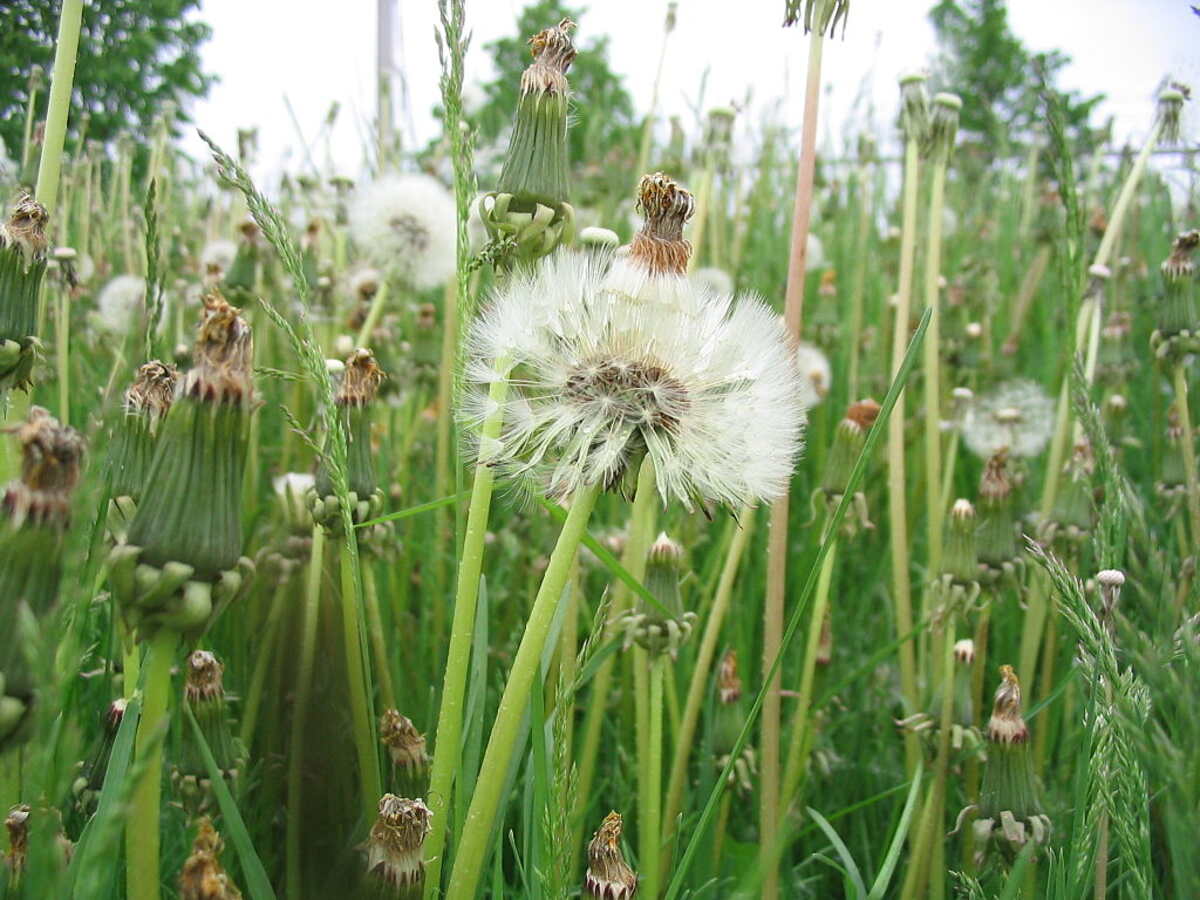
Main Image: Closeup of weeds grown in a lawn. Image Credit: Lupin / Wikimedia Commons / CC BY-SA 3.0
Related Posts: