

Maintaining a healthy and beautiful lawn is largely about consistency, and few tasks matter more than regular mowing. But how often should you mow?
Weekly, biweekly, and monthly schedules each affect lawn health, curb appeal, and overall cost in different ways. While every option has a place, the differences matter more than many homeowners realize.
“Weekly is so much better” for your grass, says LawnStarter pro Justin Stultz, in Hutto, Texas. “I have a lot of people who think they can go biweekly only. And that’s fine. But if they want to up their game and have the best yard on the block, it’s gotta be weekly, in my opinion.”
Below is a practical breakdown of how each mowing schedule impacts appearance, maintenance, and pricing so you can choose the right fit for your yard and your budget.
What Factors Affect Lawn Mowing Prices?
Lawn size is the biggest factor. Most lawn care companies, like LawnStarter, charge based on square footage or total mowing time.
Other factors are:
- Grass height and condition: If your grass is overgrown or strewn with debris it takes longer to cut. Some companies add a surcharge when grass exceeds 9 inches or when yards contain sticks, debris, pet waste, or other obstacles that slow mowing.
- Scheduling: Popular days, such as Friday, may cost more due to high demand.
- Terrain and accessibility: Flat, open yards are the easiest and quickest to mow. Costs increase when the property is difficult to mow due to hills, narrow gates, or dense landscaping.
- Bagging clippings: Some lawn mowing companies charge more to bag grass clippings.
These factors help set the stage, though other considerations – like your lawn’s size, the climate in your area, and how polished you want the yard to look – can also play a role in what you’ll pay.
Worth Noting: LawnStarter does charge a long-grass fee for grass taller than 9 inches, but there is no “surge pricing” added fee for mowing on Fridays or any other day. LawnStarter also does not charge more for terrain and accessibility issues. LawnStarter pros mulch clippings, which returns nutrients to your soil.
Does Frequency Affect the Price?

Yes, mowing weekly will cost you more per mowing season than mowing biweekly, but your grass will be healthier with more frequent mowing. The following pricing data is based on national LawnStarter customer pricing data. Your price may be higher or lower, depending on the size of your yard and where you live.
| Frequency | Jobs | Avg | Medium |
| Weekly | 444K | $53.55 | $52 |
| Biweekly | 1.59M | $54.31 | $53 |
| Monthly | 44K | $56.29 | $54 |
Here’s how it typically breaks down:
- Weekly mowing is the gold standard for most grass types, especially during the active growing season. While weekly mowing will cost you the most over the course of the mowing season, it delivers the best value by supporting healthier growth, consistent appearance, and fewer added fees.
Grass grows quickly in warm weather, and cutting a small amount off the top each week helps keep your lawn lush and dense. - Biweekly service is the most common choice for LawnStarter customers (75%) across the country. You save money with biweekly mowing, but mowing every other week leaves your grass more vulnerable to weeds and lawn pests and long-grass fees if it rains and your grass shoots up between mows.
- Monthly service offers the lowest upfront price, but it comes with tradeoffs. Grass often becomes overgrown between visits, which increases the chance of long-grass fees. Over time, this schedule can also lead to inconsistent results and a lawn that struggles to stay healthy.
What looks like a budget-friendly option can easily cost more in fees and long-term lawn decline.
Stultz says of weekly vs. biweekly mowing: “I guess it’s just convincing them the cost of the extra service is worth it, so they have to see the value in it, and have the extra income.”
On average, LawnStarter customers save about $1-$4 per visit when choosing weekly mowing over the biweekly rate per visit. So you’ll pay nearly double for 2 mows over a 2-week period, but you’ll pay a little less per mow.
And then there is a hybrid “shared mowing” option: “I have customers that mow their yard biweekly, but I mow it biweekly, so they just take turns with me,” Stultz says. “Their yards look amazing, and they’re saving themselves four to six hours a month by letting me do it twice.”
Weekly Mowing: Pros and Cons
For lawns that grow fast or stay active all season long, weekly mowing delivers the best results:
- Keeps grass healthy and evenly trimmed.
- Prevents overgrowth and reduces pest risk.
- Avoids long-grass fees.
- Leaves your lawn looking consistently sharp.
Weekly mowing is for front-facing curb appeal and helps avoid last-minute yard work caused by unexpected issues like lawn pests or lawn damage.
“At least, to me, it seems like your yard looks better if you just have it done weekly, rather than every other week,” says High-Class Grass owner Chelsea Morris in Virginia Beach.
Biweekly Mowing: Pros and Cons?
Biweekly mowing is the middle ground. It’s popular because:
- You pay roughly $1-$4 more for biweekly lawn mowing than for weekly mowing
- Sufficient control over growth in most seasons
- A practical fit for cooler climates or slower-growing grass
During rainy months or growth spurts, 2 weeks might be too long between visits, and that’s when fees or patchy cuts can creep in.
“One of the advantages of weekly versus biweekly mowing is that you don’t run into the issue of your grass getting too long if it rains during that biweekly period,” Morris says.
Monthly Mowing: Riskier Than it Sounds
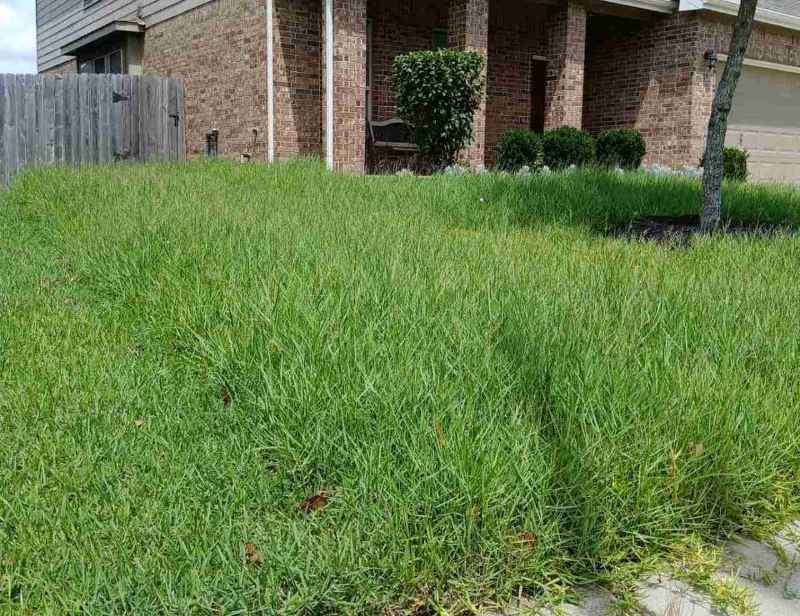
Monthly mowing may seem like a great budget option, but it often leads to:
- Taller grass and untidy edges
- Higher risk of unappealing weeds, and costly lawn pests and lawn diseases
- A lawn that looks neglected between visits
Monthly mowing can work in cooler months or for slow-growing grass, but most homeowners and HOAs prefer a more frequent mowing schedule to keep things looking sharp.
Example Pricing for LawnStarter Customers*
| Schedule | Typical Price | Suitable For |
| Weekly | $44 to $63 | Active growth, neat look |
| Biweekly | $45 to $63 | Average grass growth patterns |
| Monthly | $46 to $65 | Slow-growing lawns only |
*Pricing varies based on region and lawn size.
How LawnStarter Pricing Works
LawnStarter is a marketplace that connects homeowners like you with local lawn care pros. These professionals are independent contractors who use the LawnStarter platform to book jobs and handle payments.
Some independent lawn care pros, like Stutz, owner of Wildflower Lawn Care, already have websites and established pricing. Others, like Morris, rely on LawnStarter and word of mouth to find customers and build routes. Because the platform supports both types of providers, our pricing tends to fall between independent rates and the higher prices charged by national franchises.
LawnStarter gives you access to a wide pool of background-checked local lawn care pros and makes it easier to find the right lawn care service that fits your needs. If you don’t like your assigned pro, you can request another with just one click in the app.
How the 3 Mowing Schedules Stack Up
Weekly mowing gives your lawn the most polished look and helps you avoid extra fees. Weekly mowing also reduces the chance of lawn pest problems and helps your grass stay healthy.
Biweekly mowing is a solid choice if your grass grows at a moderate pace and you want to reduce your overall cost. Biweekly mowing provides reliable results in most conditions, but you could wind up paying long-grass fees.
Monthly mowing works well only in low-growth periods. The risk of long-grass fees and uneven cuts increases when too much time passes between visits.
Frequently Asked Questions
Keep a consistent mowing schedule. Grass taller than 9 inches takes more effort to cut, which increases the price.
Yes. LawnStarter lets you change your mowing frequency as needed. You can shift between weekly, biweekly, or monthly depending on the season.
New customers must schedule at least 3 visits. This gives your lawn care pro enough time to learn your yard and provide consistent, high-quality results. That first visit typically costs just $19 when you agree to give LawnStarter 3 visits to show the quality of our work.
LawnStarter does not currently offer one-time mowing. You can pause or cancel your mowing service after the third visit. The 3-cut minimum helps your lawn care provider plan his or her route and deliver the best service.
Ready to Get Started?
Sign up to get a free instant quote for lawn mowing. Then pick your mowing frequency, set your preferences in the app, and LawnStarter will match you with a local lawn care pro. Your first mow starts at just $19 when you book a 3-cut trial.
The right mowing schedule (we recommend weekly or even biweekly) can save you time, money, and stress while keeping your lawn in top shape.
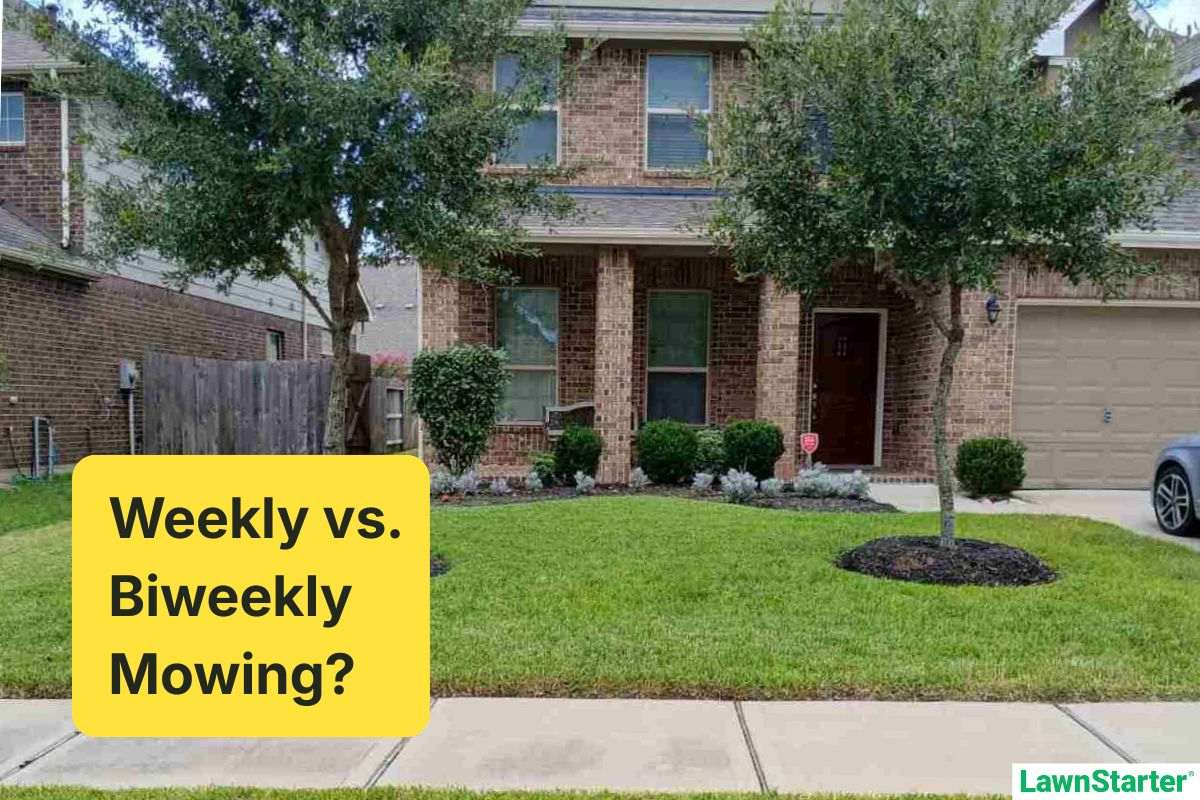
Main Image: Lawn mowed by a LawnStarter Pro in Katy, TX. Image Credit: LawnStarter
Related Posts:





Editorial Contributors
-

Liz Gabel
Author
Liz lives on the north side of Charlotte with her husband. They enjoy taking long walks in their hilly HOA, tending the 10 myrtles on their property that all bear names starting with the letter ‘M,’ and planting native flowers that keep the bees, bugs, and birds coming back for more.
Learn more -
Jeff Herman
Editor
Jeff Herman, editor-in-chief of LawnStarter, mowed lawns as a teen, and his uncle owned the biggest sod business in St. Louis. Previously, Herman worked at The New York Times, CreditCards.com, and most recently at AllAboutVision.com. Now Herman is All About Lawn Care.
Learn more