| Key Takeaways |
|---|
| • Aeration relieves compacted soil so air, water, and nutrients can reach grass roots for a thicker, healthier lawn. • The best time to aerate depends on your grass type: early fall for cool-season grasses, late spring for warm-season grasses. • Most lawns benefit from aeration about once a year, and hiring a pro takes the guesswork out of timing. |
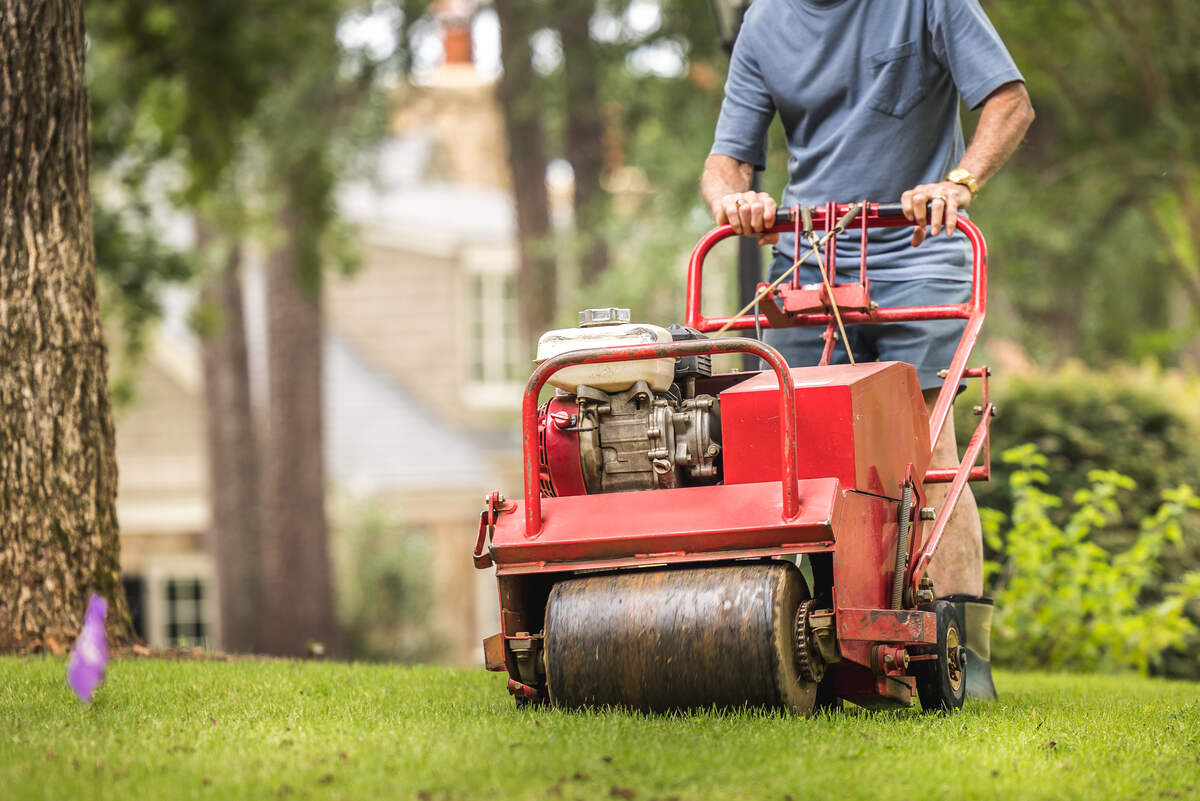
The benefits of aerating your lawn include healthier soil and grass, better water absorption, deeper roots, and easier access to nutrients. Aeration also reduces excess thatch and helps your turf fend off pests and diseases.
So, if you’re struggling with patchy, dry grass and stubborn weeds, aeration might be the fix. This article will tell you everything you need to know, with expert tips, on why this once-a-year task can turn a tired lawn into a thick, healthy one.
Getting the timing and technique right can be tricky, which is why many homeowners let a pro handle it. LawnStarter’s aeration service connects you with vetted pros who aerate at exactly the right time for your grass.
What is Aeration?
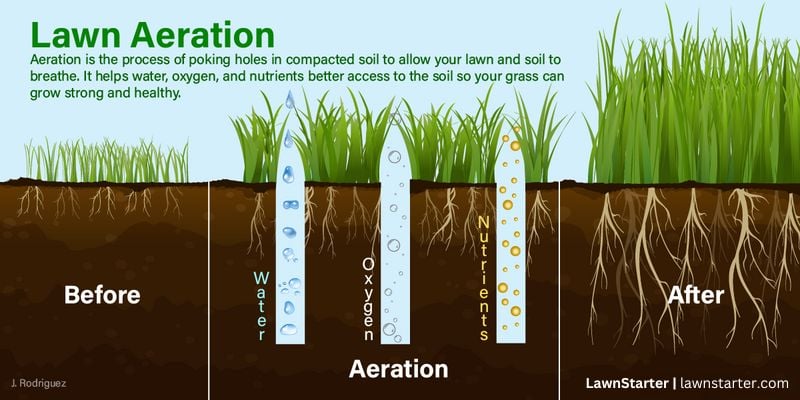
Aeration is a lawn care technique that involves making tiny holes in compacted soil to let air, water, and nutrients reach the roots of your grass. This helps your lawn breathe better and grow stronger.
If you want to learn more about the process, check out our video on What is Aeration?
16 Benefits of Aerating Your Lawn
Aeration is a simple maintenance task you can do once a year to bring a ton of benefits to your lawn. You’ll notice some right away, while others will take time.
Here are 16 advantages of lawn aeration:
1. Relieves Compaction
Compacted soil is a common problem, particularly in high-traffic areas. Maria Turner, a horticulture expert from the University of Illinois Urbana-Champaign, adds that compaction is pretty common in the heavy clay soils of most suburban lawns.
When your soil gets compacted, it becomes dense and hard, blocking sunlight, oxygen, and water from reaching your grass and making it tough for roots to grow.
Aeration breaks up compacted soil, creating small openings a few inches deep. These openings allow moisture, fertilizer, and air to get to the root zone more easily.
Pro Tip: Not sure if your soil is compacted? John C. Stier, a horticulture specialist from the University of Wisconsin-Extension, suggests a simple test: Try pushing a pen into it. If it doesn’t go in easily, you should aerate.
To learn more about soil compaction, check our articles:
2. Improves Lawn’s Health and Strength
When you aerate your lawn, you’re basically giving it a breath of fresh air. Roots need oxygen to grow, so if airflow is blocked, plants can suffer what experts call an “aeration deficit.” Your turf will start to wilt, thin out, and lose its color.
If the oxygen shortage goes on for too long, it will die.
The holes made during aeration let air flow straight to the roots, so your grass will have enough oxygen to grow thicker and greener. This healthier grass also will have strong blades that can better withstand foot traffic and resist diseases and harsh weather conditions.
LawnStarter pro Scott Culala, owner of The Lawn Cypress in Gardner, Kansas, puts it simply: “Aeration helps revive the soil.”
3. Encourages Stronger Grass Roots
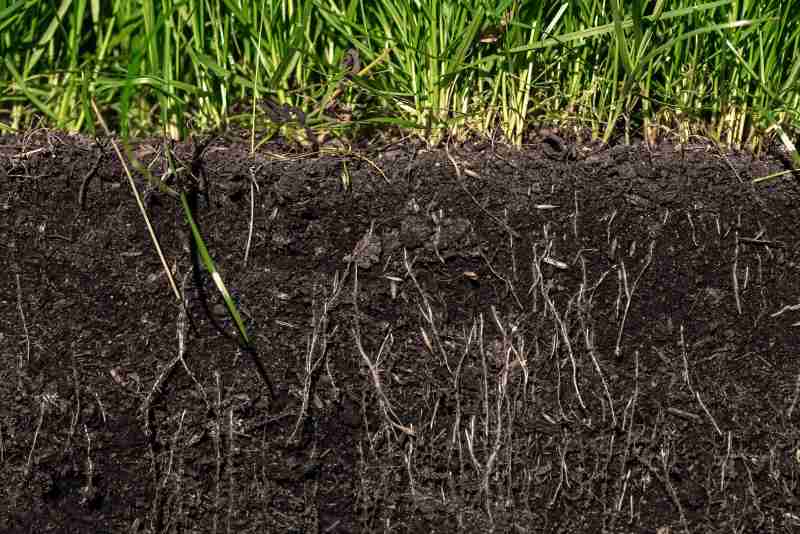
Your grass roots are the heart of your lawn. They hold everything in place, soak up water and nutrients, and help your grass handle tough conditions.
Aerating your lawn gives roots the opportunity to get everything they need to grow stronger and spread out wider (air, nutrients, water, and improved soil structure).
With stronger roots, the grass blades above have the support they need to thrive. Also, the wider a root system is, the more nutrients and moisture it can access, so it’ll be easier for your turf to adapt to changing weather conditions and bounce back from stress.
4. Boosts Seed Germination
If you’re overseeding or power seeding, you need to aerate your lawn first. With aeration, you create ideal spots for seeds to land right in the soil. This direct seed-to-soil contact, along with the loosened soil, gives them a much better shot at sprouting.
In fact, aerating before you seed can meaningfully improve your chances of success compared with overseeding alone.
See Related: How to Overseed a Lawn
5. Helps Break Down Thatch
Aeration also manages thatch buildup, which consists of layers of dead grass, roots, and other organic debris that can accumulate on the soil surface.
A good aerating schedule will help prevent thatch from becoming too thick (over 1 inch or more) and suffocating your grass, saving you time and money on dethatching.
When you poke holes in the soil to let airflow in, you’re creating an environment where many beneficial soil microbes and insects can thrive. These work to decompose the thatch and improve your soil’s health.
See Related: How to Dethatch Your Lawn
6. Increases Moisture Uptake and Minimizes Runoff
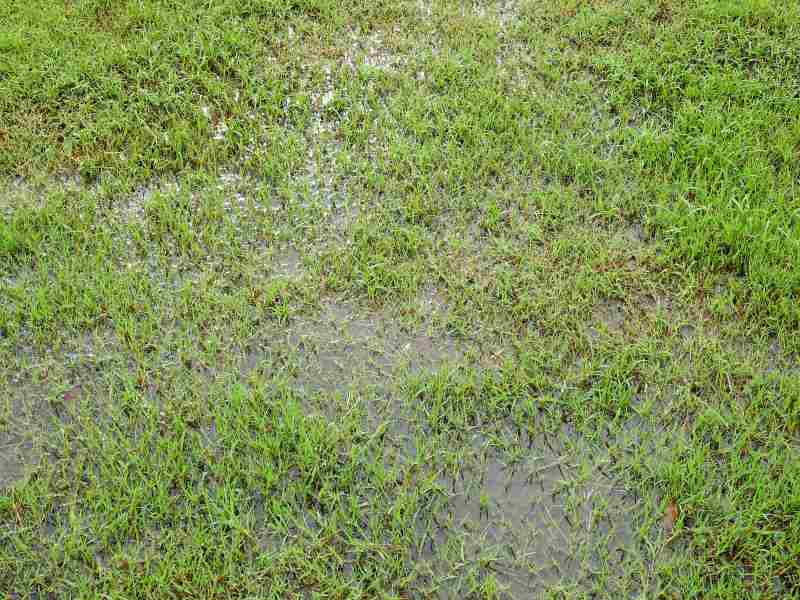
Once you aerate your lawn, the holes let water soak in deeper, which reduces runoff and makes sure moisture gets to the roots where it’s needed. This means you’ll waste less water and have a healthier lawn overall.
Plus, you won’t have to deal with soggy spots that can lead to other issues, such as mold growth and pest infestations.
7. Makes Lawns More Drought-Tolerant
Aeration helps your grass grow deeper roots, which lets it tap into moisture from lower layers of soil. This is especially helpful during dry spells because your lawn can stay healthier and stronger by drawing on water reserves that shallow roots can’t reach.
As a result, your grass becomes more drought-tolerant, needing less frequent watering while still looking lush and vibrant.
8. Lowers Your Water Bill
Since aeration makes your lawn retain moisture more effectively, you’ll need to water less often. How often, exactly?
Well, that can vary based on things like your soil type and the weather. However, with better water absorption and deeper root systems, you’ll see a slight drop in your monthly water bill.
See Related: How Often Should I Water My Lawn?
9. Optimizes Fertilization
Aerating your lawn helps nutrients get absorbed better into the soil. When you apply fertilizer after aerating, it can sink deeper into the ground and reach the roots easily. This leads to healthier grass without needing to use as much product.
You’ll spend less on fertilizer and reduce the risk of over-fertilizing, which is pretty common when the soil is compacted.
10. Supports Helpful Soil Microbes
Aeration creates loose, oxygen-rich soil that creates a welcoming environment for helpful organisms like earthworms and bacteria. These are essential for your lawn’s health because they break down organic matter, like fallen leaves and grass clippings.
As they decompose this material, they release vital nutrients back into the soil, making it easier for your grass to soak them up. Plus, a healthy population of earthworms naturally aerate the soil as they burrow.
11. Reduces the Threat of Lawn Diseases and Pests
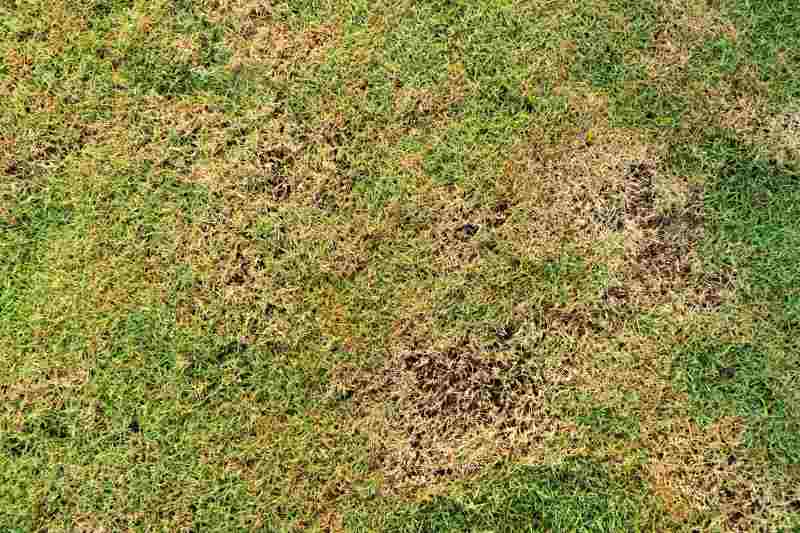
When soil is compacted, it can trap moisture and create still, wet spots below the surface that are perfect for fungal growth. If water puddles above, you’ll end up with brown patches of weak grass that attract pests.
Aerating improves air circulation and drainage, so it’s harder for common lawn diseases like red thread and dollar spot to take hold. Your grass also will be more resilient and better equipped to fend off pests.
12. Crowds Out Weeds
A thick, healthy lawn is your best defense against weeds because it competes really well for resources. Aeration helps your grass grow strong and lush, making it dense enough to block out weed seeds from getting the light and space they need to sprout.
With your turf’s wider root system, it’ll also be more difficult for weeds to find the moisture and nutrients they need to thrive.
But for this to be effective, you need to properly care for your lawn after aeration.
Peter Landschoot, a turfgrass specialist and former professor at Pennsylvania State University, warns that spring aerating can be tricky. If you’re not careful, it can bring weed seeds to the surface and leave open spots where they can easily take root and grow.
13. Decreases Soil Erosion
Aerating is also a great way of controlling erosion in your yard. When grass roots are well-developed and deep, they create a network that stabilizes the soil and prevents it from washing away during heavy rains or storms.
Besides, a denser lawn can absorb more rainfall, which minimizes runoff and further reduces the risk of soil erosion.
14. Prepares Lawns for Seasonal Changes
Aeration is part of winterizing your lawn. If you aerate before the cold weather hits, your grass can soak up all the nutrients and oxygen it needs to stay healthy while it’s dormant.
As we mentioned above, it also makes it easier for water and fertilizer to reach the soil, so when spring arrives, your grass is ready to bounce back quickly and grow strong.
15. Enhances Curb Appeal
With proper aeration, your grass will be a bright, vibrant green, looking thick and lush like a soft carpet across your yard. It’ll look healthier and boost your home’s curb appeal.
Lawns that haven’t been aerated often look thin and patchy, with bare spots and a dull, faded color that can make your yard seem neglected.
16. Increases the Feel and Durability of Turf
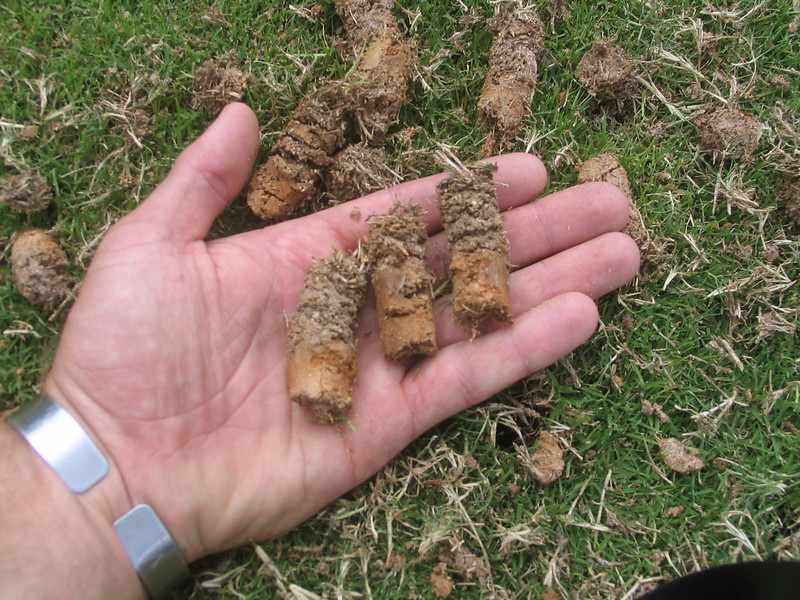
When your soil is compacted and your grass struggles to grow, it has a coarse, uneven texture that feels rough underfoot. Aerating your lawn helps change that over time, leading to a soft, thick turf that feels great to walk on.
Plus, a well-aerated lawn is tougher and can handle foot traffic better, so it won’t wear down as quickly. With stronger roots and healthier soil, your grass can bounce back more easily after any activity, reducing the chance of damage.
When and How Often to Aerate Your Lawn
Timing decides whether aeration helps or hurts your lawn. Aerate when your grass is actively growing so it can recover quickly and fill in the holes.
Cool-season grasses: Aerate in early fall, when temperatures cool and the grass is putting on strong growth.
Warm-season grasses: Aerate in late spring or early summer, once the lawn has fully greened up.
For most homeowners, aeration is a regular annual task, though lawns on heavy clay soil or with heavy foot traffic may need it more often, while healthy lawns on sandy soil may need it far less.
See Related: Best Time to Aerate and Overseed Your Lawn
FAQs
It depends on a few factors, including the type of grass you have, the condition of your soil, and how well you care for your lawn after aeration. Typically, you can start seeing improvements within two to three weeks.
Yes. You can rent an aerator from most garden supply stores for a half day or a full day.
The cost for professional lawn aeration usually falls between $107 and $202. The final price can vary based on the size of your lawn, the condition of your soil, and where you live.
Aeration might not be needed if you have sandy soils since they drain well and don’t compact easily. Also, if your lawn is healthy with a thick layer of grass or if it’s newly established (less than a year old), you may want to hold off on aerating for now.
When to Hire a Pro
DIY aeration seems budget-friendly, but renting equipment can add up fast. Plus, if you’re not familiar with lawn care or lack time, you could miss out on the full benefits of aeration. Hiring a professional takes the stress off your shoulders.
They have the right tools and expertise to aerate your lawn and know exactly what to do afterward to help your grass bounce back beautifully.
Skip the equipment rental and the guesswork. LawnStarter’s overseeding and aeration pros get your lawn in tip-top shape without the hassle.
Main Image: Person aerating a lawn. Image Credit: The Toidi / Adobe Stock
Related Posts: