| Key Takeaways: |
|---|
| • Apply a pre-emergent once soil temps hit 50-55 degrees consistently. • Solarize your soil in mid-summer (best when temps are over 90 degrees). • Maintain a thick, dense lawn. |
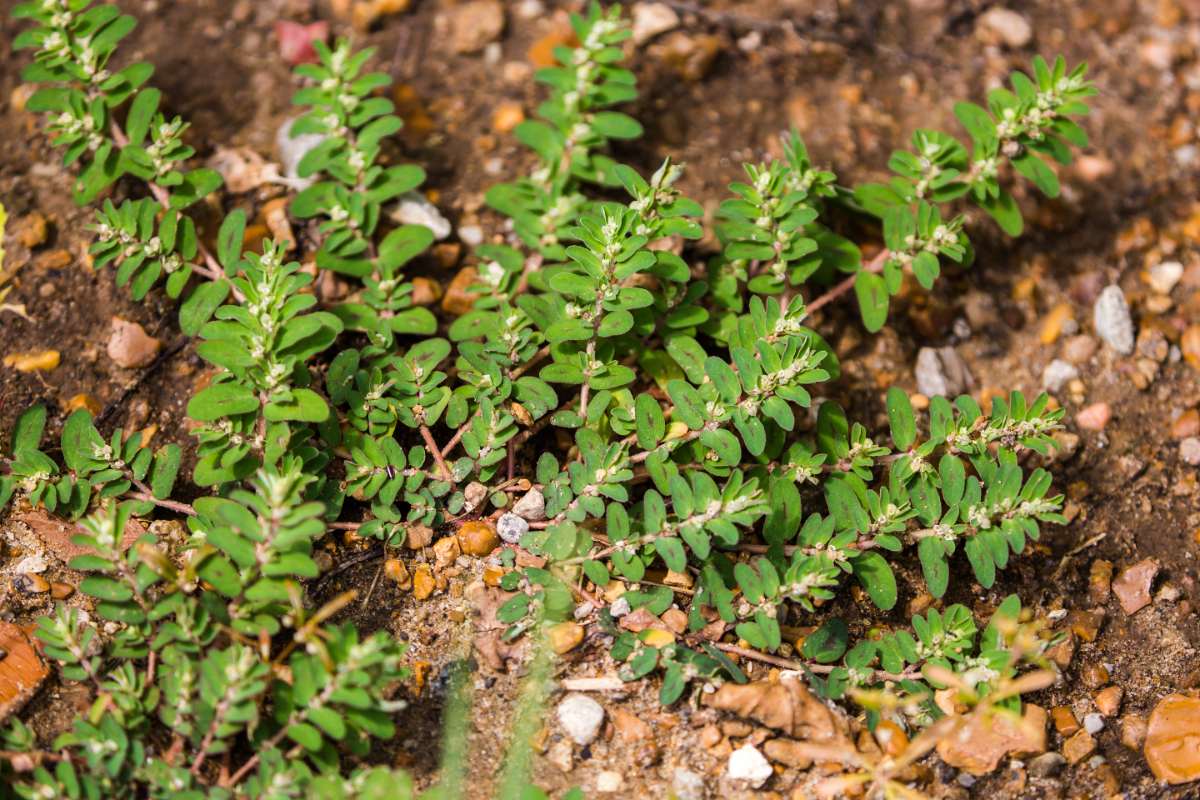
You’ve mowed, fertilized, and watered, but spurge still shows up and steals the show. To prevent spurge weed in your lawn, treat with pre-emergent herbicides, solarize small areas, and maintain your lawn consistently.
In this guide, we’ll walk you through the best ways to keep spurge at bay, including both natural and chemical methods.
If you struggle to get pre-emergent timing right, let a pro take over. LawnStarter lawn treatment pros know just when to start pre-emergent applications in your area.
Apply a Pre-Emergent Herbicide
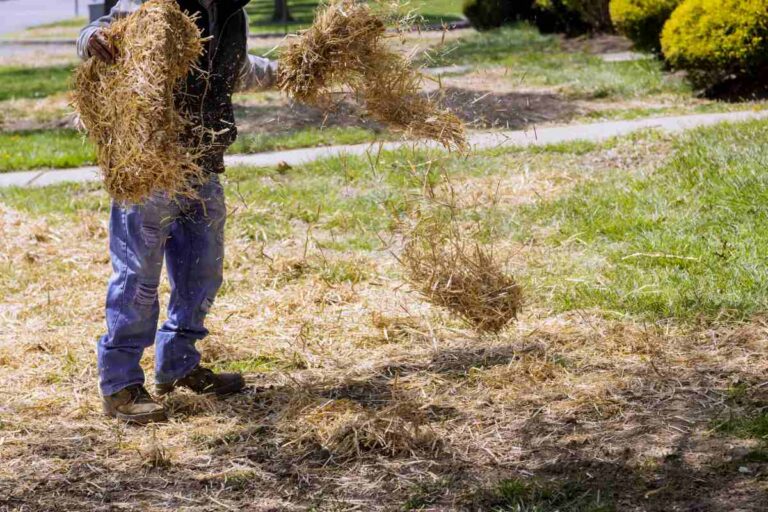
Pre-emergent weed killers create a barrier in the soil that prevents spurge seeds from germinating. Popular chemical pre-emergent herbicides for spurge control include:
- Balan
- Dimension
- Pendulum
- Barricade
- Gallery
Anna Hill, horticulture Extension agent at Clemson University, recommends rotating products with different active ingredients and always following label rates.
There are also natural alternatives, like corn gluten meal (CGM). Unlike chemical products, CGM works by preventing seedlings from developing strong roots. This means weed shoots will still emerge, but they’ll struggle to survive and die.
The best time to apply a pre-emergent is in late winter or early spring, just before weeds start to germinate. However, the exact timing can vary depending on your local climate. To ensure you apply before weeds emerge, spread it when your soil reaches 50-55 degrees.
Check out our guide on How to Apply Pre-Emergent Herbicides for more information.
See Related: Corn Gluten Meal: All Natural Weed and Feed?
Solarize Your Soil
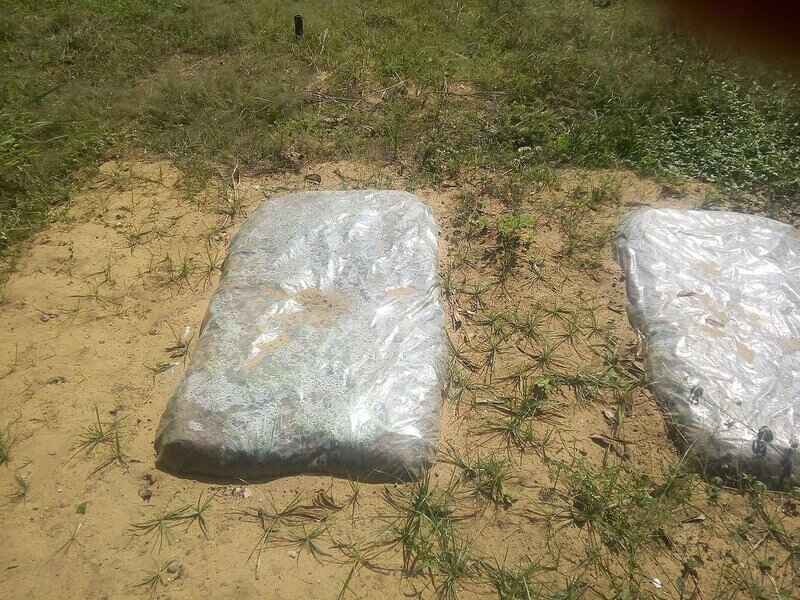
To prevent spurge weed naturally, use the sun’s energy instead of chemicals.
Here’s how to use soil solarization in your yard or landscape beds:
Cover the soil with clear plastic sheeting for 4 to 6 weeks during the hottest part of the summer (when day temperatures are consistently above 90 degrees). The heat trapped under the plastic will kill the spurge seeds.
Pro Tip: Remember, this method will also kill your grass, so it’s best for areas where you plan to replant.
Note: If you live in a region with moderate summer temperatures (below 90 degrees), soil solarization may not be effective.
Maintain a Healthy Lawn
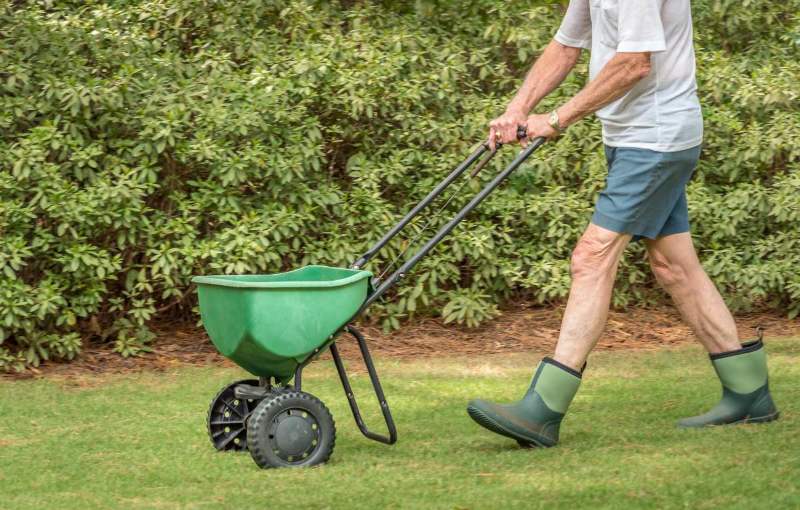
According to Hill, there is no “silver bullet” against spurge, but “maintaining a healthy, thick lawn is key to preventing spurge from establishing.” Proper lawn care helps create a strong, competitive turf that crowds out unwanted plants.
- Mowing: Hill says, “Mowing at the upper end of the recommended range for your grass type will help shade out the spurge (seeds).” For more mowing tips, see our guide on How to Mow Your Lawn: A No-Nonsense Guide.
- Fertilization: Fertilize in spring and fall to boost your lawn’s growth and help it compete with spurge. You’ll find everything you need to know about lawn fertilization in our guide on How to Fertilize Your Lawn.
- Watering: Deep, infrequent watering encourages deep root growth, leading to a stronger lawn. To learn the best watering practices for your lawn, head over to How Often Should I Water My Lawn?
- Aeration: Hill says, “Aeration can help reduce compaction, improve soil health, and promote nutrient uptake and water absorption, thereby allowing the grass to develop a stronger root system that can outcompete weeds.” Read our step-by-step guide on How to Aerate a Lawn for more details.
FAQ About Preventing Spurge Weed
Yes, it’s best to remove any existing spurge weed before applying pre-emergent herbicides. Why? Because if you don’t, it’ll continue to grow and produce seeds, undermining the effectiveness of the herbicide.
Hill recommends always scouting for new spurge and hand-pulling them immediately while they’re still small.
Once you’ve identified spurge, check our guide on getting rid of spurge weed to learn more about the most effective removal methods.
Healthy soil is vital for preventing spurge. Well-aerated, nutrient-rich soil promotes strong grass growth, making it difficult for spurge to compete. Regularly testing your soil and adding organic matter (e.g., compost) can improve its health and resilience against unwanted weeds.
Yes. Grass types that have good density and are well maintained can make a significant difference when combating spurge.
For instance, cool-season grasses like Kentucky bluegrass and tall fescue are known for their dense growth and ability to outcompete weeds. These grasses thrive in cooler climates with mild summers, such as the northern U.S.
Warm-season grasses like Bermuda and Zoysia also create a thick lawn that can deter spurge, but they’re best suited for warmer climates common in the southern half of the country.
Shield Your Lawn From Spurge with Expert Help
Preventing spurge can be a real headache. You have to spend time researching, buying products, and figuring out the best time to apply them.
Why not let our lawn care pros handle the dirty work? With their expert care, LawnStarter’s lawn treatment and mowing pros apply pre-emergent and fertilizer at the proper time and mow regularly, helping your grass to thrive.
Reach out to a LawnStarter lawn care pro in your area today.
Source:
Anna Hill, horticulture Extension agent with Clemson University, Barnwell, South Carolina. Personal interview.
Main Image: Closeup of Spotted Spurge in a lawn. Image Credit: Melissa McMasters / Flickr / CC BY 2.0
Related Posts: