| Key Takeaways: |
|---|
| • Pull spurge by the roots or spray with a post-emergent herbicide. • Hand-pull when soil is moist; wear gloves and long sleeves to prevent skin irritation. • Prevent its return with regular mowing, fertilizing, and pre-emergent herbicide in late winter. |
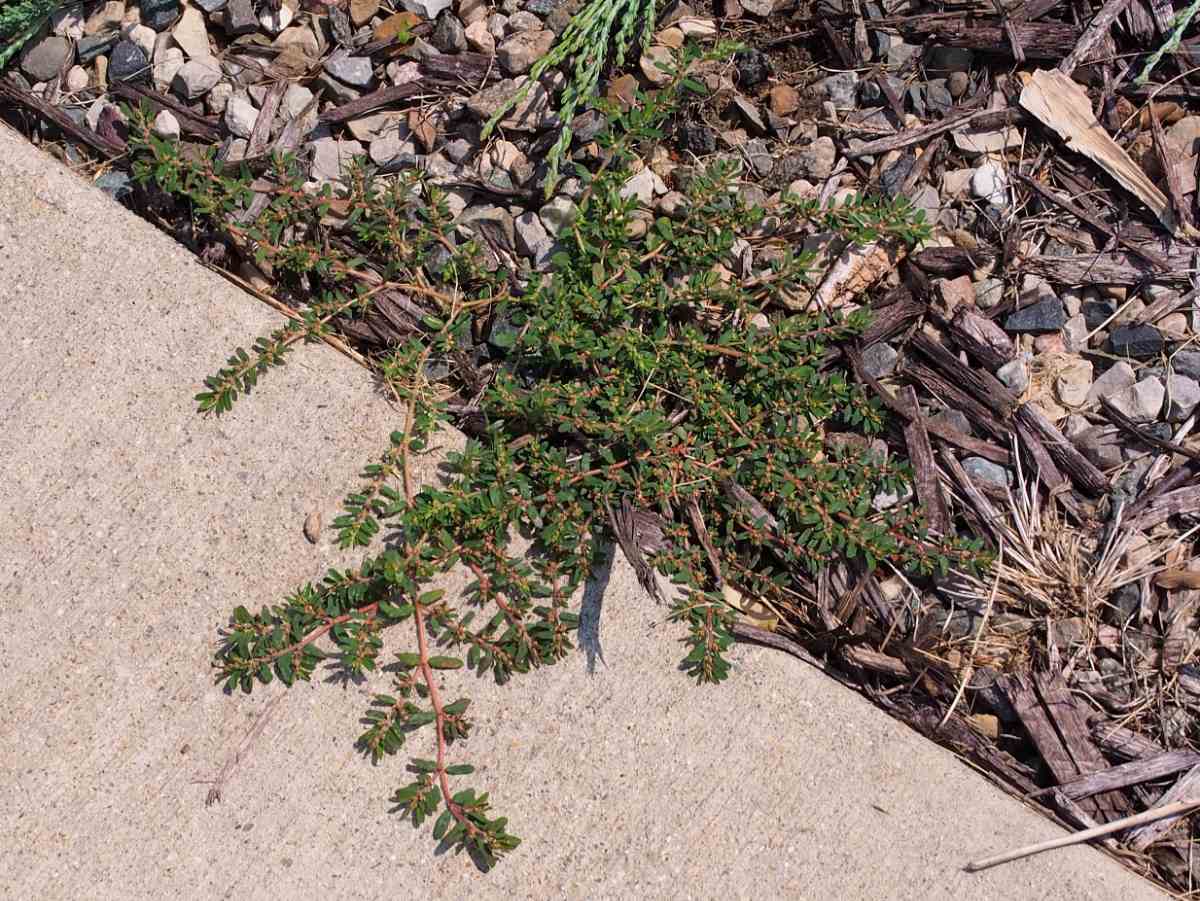
Spurge spreads faster than wildfire, growing to dinner plate-sized patches and choking your grass. So, how can you get rid of spurge weed? Pull it out by the roots or spray with a post-emergent herbicide.
Products like Trimec, Surge, and Turflon can tackle most spurge, but you can also try natural methods like vinegar or boiling water. Whether you need chemical control or prefer a hands-on approach, we’ll guide you step-by-step through the best ways to eliminate spurge once it’s established.
Prefer to let a pro do the work? Hire a LawnStarter lawn treatment pro to get rid of spurge in your lawn.
Step 1: Identify Your Weed
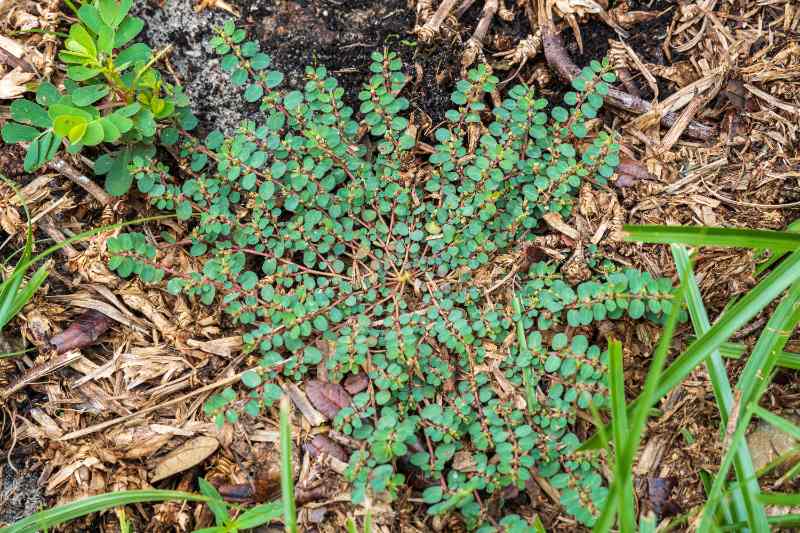
The most common spurge weeds have pink to reddish stems, lay flat on the ground, and have small green oval leaves running along the stems. Spurge can start germinating in soil temperatures as low as 60 degrees.
According to Anna Hill, horticulture Extension agent at Clemson University, “The most distinguishing shared characteristic of spurge is the white sap, which oozes from the stem when cut or bruised.”
The most common spurge varieties in lawns are:
- Prostrate spurge (Euphorbia humistrata)
- Spotted spurge (Euphorbia maculata)
- Creeping spurge (Euphorbia serpens)
Check out our guide on What Does Spurge Look Like? to learn more about its key features and how to recognize the type that’s growing in your yard.
Step 2: Inspect Your Yard and Landscape
Spurge is a weed that can pop up almost anywhere in your lawn, garden, or landscape, from the cracks between pavers to the shady spots under trees. You’ll typically find it in areas that have:
- Thin or weak turf: It often takes root in bare patches or areas with sparse grass.
- Well drained, sandy, or compacted soil creates ideal conditions for spurge growth.
- Shady areas: While some types of spurge tolerate full sun, many prefer partial shade. Check under trees, large shrubs, or hardscapes that cast shade on your lawn.
- Disturbed soil: Areas where the soil has been recently disturbed, such as after digging, construction, or core aeration.
Step 3: Choose Your Control Method
Before you choose a removal technique, first assess the degree of your infestation:
- Spotty infestations: If you see only a few isolated spurge plants scattered around your lawn, remove by hand or spot treat. For spurge in pavement cracks or ornamental beds, hand removal is usually best.
- Moderate infestations: When spurge starts to form patches or clusters, you may need to combine hand-pulling with additional methods (e.g., spraying with an herbicide and applying mulch, like grass clippings or wood chips, in landscaping beds).
- Severe infestations: If your lawn is covered in spurge, a broadcast application of herbicide might be your best bet.
Pro Tip: Apply at least 3 inches of mulch to prevent light from reaching the soil, triggering germination.
Manual Removal
“The most successful time to hand-pull spurge is right after rain or after the lawn has been irrigated,” Hill says. “When the soil is sufficiently moist, the roots are much easier to pull.”
“Because spurge taproots grow so deeply, it is extremely difficult to remove the entire taproot when the plant is mature and/or the soil is dry,” Hill says.
Removing spurge by hand is best suited for spot-treating stubborn weeds that have survived other methods, or for catching new ones early on.
Here’s how to remove spurge manually:
- The sap is a skin irritant, so first make sure to wear gloves and long sleeves.
- Hill says, “Grab the main stem of a young plant at its center as close as possible to the ground and gently pull until the entire taproot comes out.”
- If it breaks, Hill recommends digging down until you can feel the end and pulling out the remaining root. “If the taproot is broken off and any part is left in the ground, the spurge will regrow,” she says.
- Don’t add spurge to your compost pile. Bag it and dispose of it with your regular trash.
Pro Tip: Hand-pick these weeds right away. Spotted spurge, for example, produces flowers and seeds after only one month in ideal conditions, and each plant can produce thousands of seeds. Also, the seeds easily stick to surfaces, like mower wheels, shoes, and animal fur when wet, spreading them across your lawn.
Post-Emergent Herbicide
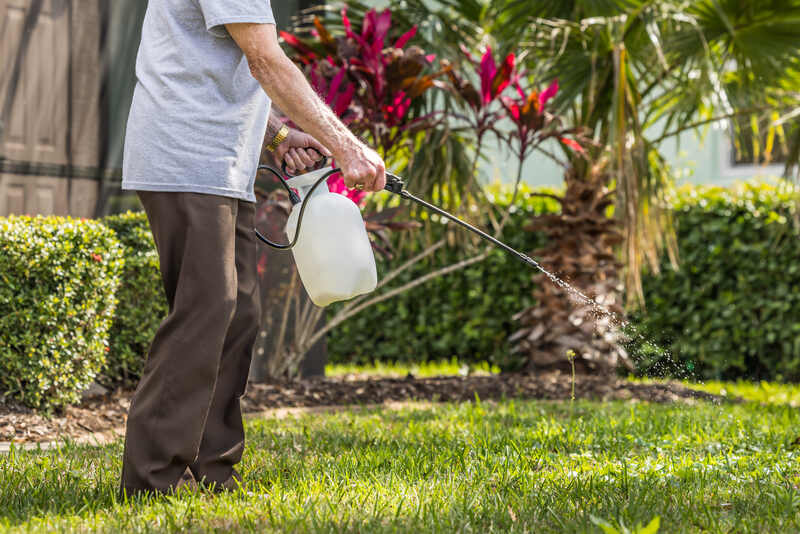
If the spurge is already established, opt for a post-emergent weed killer. There are many types of post-emergent herbicides, but the most popular products for getting rid of spurge are:
- Celsius WG
- Speedzone
- Trimec
- Turflon (not for use in warm-season grass)
- Surge
- Lesco Three-Way
For a deep dive on using these products, read our detailed guide: Applying Post-Emergent Herbicides to Your Lawn.
If you’re new to weed control, check out our Guide to Weed Control in Your Yard first.
Beware: Identify whether you have a warm-season or a cool-season lawn before choosing a product. Some herbicides are labeled safe for only certain types of grasses.
While spurge can invade any lawn, it tends to thrive in warm-season grasses like St. Augustinegrass and Bermudagrass. Don’t know which grass type you’re growing? Check out these guides to find out:
How to Spot-Treat Spurge Weed
To spot-treat spurge weed:
- Mix the herbicide according to the label instructions, fill your sprayer, and calibrate it.
- Spray directly onto the spurge leaves, ensuring even coverage without over-spraying onto surrounding grass. When using a non-selective herbicide (which kills any plant or grass it touches), apply it on a calm day to minimize drift. Non-selective herbicides are best used on paved surfaces, not on grass.
- Rinse your sprayer with water and follow the manufacturer’s cleaning instructions to prevent any cross-contamination to other plants.
How to Kill Severe Spurge Weed Infestations
To apply herbicide over the entire lawn, you’ll need a broadcast spreader (also known as a rotary spreader), which is a type of lawn spreader that evenly distributes granules over a wide area. Granular products, such as Preen Lawn Weed Control, are popular and available at local hardware stores.
Once you have your spreader, here’s what you need to do:
- Clear any debris and make sure the area is free from foot traffic before applying the product.
- Calibrate your spreader according to the product directions.
- Walk in parallel lines while applying the herbicide, making sure you cover the entire area where spurge is present.
- If recommended on the label, lightly water the area after application to activate the product.
See Related: How to Choose the Right Lawn Spreader
Organic Herbicides
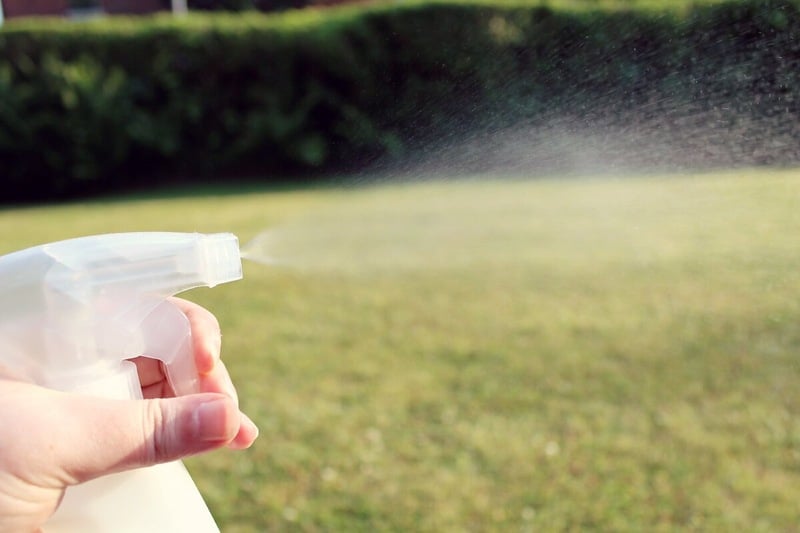
For a targeted approach that minimizes environmental impact, consider organic herbicides. However, taking the organic route means more time and effort, often requiring multiple applications for complete control.
Popular organic weed killers for killing spurge weed include:
- Vinegar: This might dry out and kill small spurge weeds, but don’t count on your kitchen vinegar to do the job. It has only a 5% acetic acid concentration, which isn’t strong enough to reliably kill established weeds.
To remove spurge, use a horticultural vinegar pesticide with at least 20% acetic acid. Remember though, that the higher concentration also means it can burn nearby grass with repeated application.
Note: Horticultural vinegar can permanently damage your eyes and burn your skin. Personal protective gear is a must.
- Boiling water: Simply pour boiling water directly onto the spurge. The extreme heat will kill the plant almost instantly by burning its tissues.
The problem? The heat can damage surrounding grass. Plus, the water may not reach the roots, so while it’s a quick fix for small patches, it won’t stop the spurge from coming back.
See Related:
How to Prevent Spurge Weed
Spurge weed loves yards where the grass is thin and weak — which means regular mowing, fertilizing, and watering are the most important steps you can take to prevent spurge from taking over. Applying pre-emergent herbicides in late winter can stop seeds from sprouting, and techniques like solarization can also help.
To get a full breakdown of the best ways to keep spurge away, take a look at our guide on How to Prevent Spurge Weed.
Pro Tip: If you see spurge coming back year after year, don’t be discouraged. Seeds from past seasons can lie dormant in soil for years. With care, attention, and a thick lawn, the seed population in the soil will decrease over time.
FAQ About Getting Rid of Spurge Weed
It depends on the severity of the spurge infestation and your lawn’s condition, but generally you’ll see results within 1 to 2 weeks after the first application.
According to Hill, “For established spurges, it will take more than one treatment. For best results, rotate products with different active ingredients, and always follow label rates.”
Most post-emergent herbicides can be reapplied every 2 to 4 weeks, depending on the product and the level of infestation. Always consult the label for detailed instructions on how often it can safely be reapplied.
Hire a Pro to Grow a Hassle-Free, Weed-Resistant Lawn
Eliminating spurge is a yearly task for some homeowners. While DIY methods can be effective, handling chemicals can present safety risks. Investing in professional lawn care provides peace of mind and ensures your turf is in tip-top shape.
Hire a local LawnStarter lawn treatment pro in your area today. Whether you need weed removal or preventive services like mowing or fertilization, they’ll help you build a healthier, more resilient lawn.
Source:
Anna Hill, horticulture Extension agent with Clemson University, Barnwell, South Carolina. Personal interview.
Main Image: Spotted spurge weed growing beside concrete path. Image Credit: F. D. Richards / Flickr / CC BY-SA 2.0
Related Posts: