| Key Takeaways |
|---|
| • Fine fescues are a group of 5 low-maintenance, shade-tolerant cool-season grasses best suited to northern lawns. • They need little water and nitrogen but tolerate heat and heavy foot traffic poorly, so they are often grown in mixes. • Sow seed in early fall and mow high, or leave it unmowed, for a healthy, meadow-like lawn. |
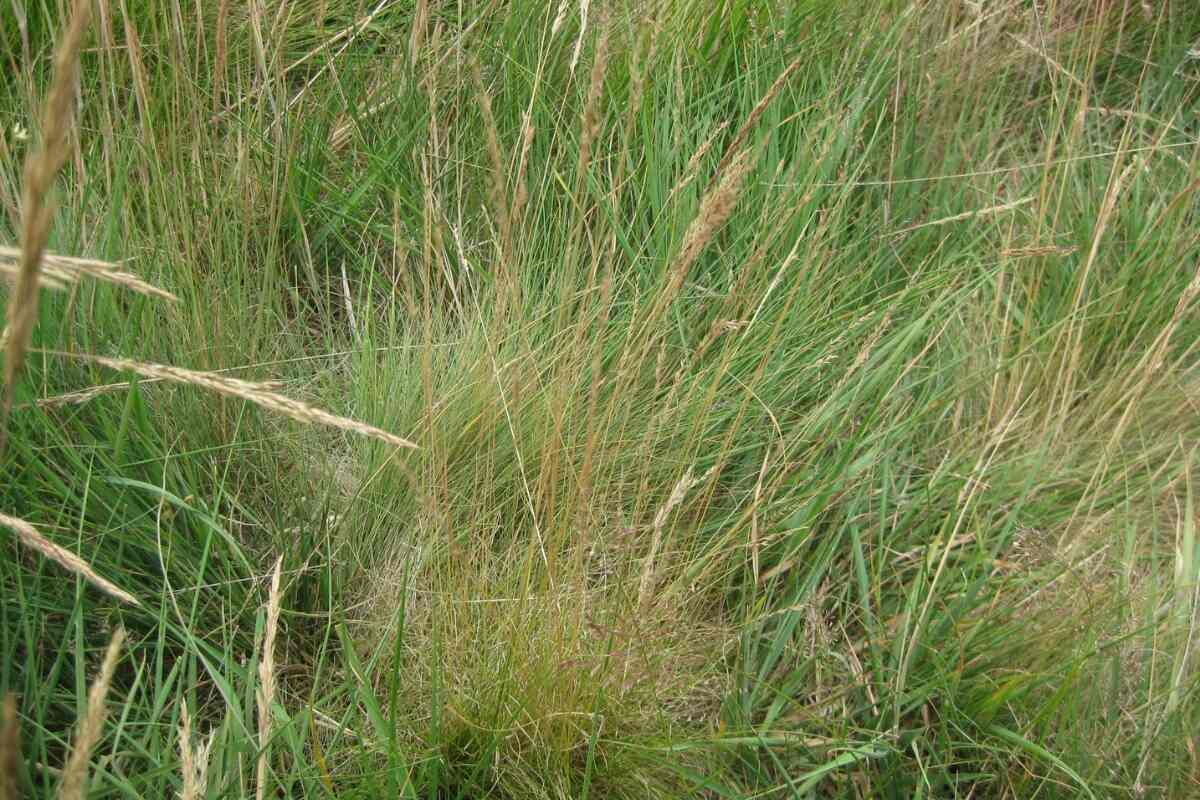
Dreaming of a meadow-like lawn that doesn’t need mowing or constant fertilizer? Or struggling with shaded areas where finicky, high-maintenance Kentucky bluegrass just won’t grow? Fine fescues may be the answer.
These low-maintenance cool-season grasses grow beautifully in full sun to moderate shade and can be left natural, making them worth considering if you live in a cool, humid climate.
If you would rather skip the hard work, a local lawn mowing professional from LawnStarter can help you maintain it.
Fine Fescue at a Glance
Fine fescue is a group of 5 fine-bladed, cool-season lawn grasses prized for shade tolerance and low maintenance. They thrive in cool, humid climates, need little water and fertilizer, and can be mowed short or left naturalized.
Classification: Cool-season grass
Spreads by: Bunch type grass mainly; creeping red fescue spreads by rhizomes
Soil type: Well-draining; grows in sand and infertile soil
Soil pH: 5.6 to 6.5
Mowing height: 2 to 4 inches
Shade tolerance: Moderate to high
Drought resistance: Moderate to high
Foot traffic tolerance: Low to moderate
Maintenance needs: Low
Potential for disease: Moderate
Insect pest tolerance: Low to moderate; endophyte-enhanced types available for improved insect resistance
Other notes: Fine fescues have good drought tolerance but quickly lose color in hot, dry conditions. They are often combined with other cool-season grasses for a sun-shade mix and may thin over time and need overseeding.
“They are not especially tolerant of wet soils or heavy traffic, so if these conditions are present, there are better options,” says Jason Lanier, Extension specialist of commercial horticulture at the University of Massachusetts.
The Basics of Fine Fescue
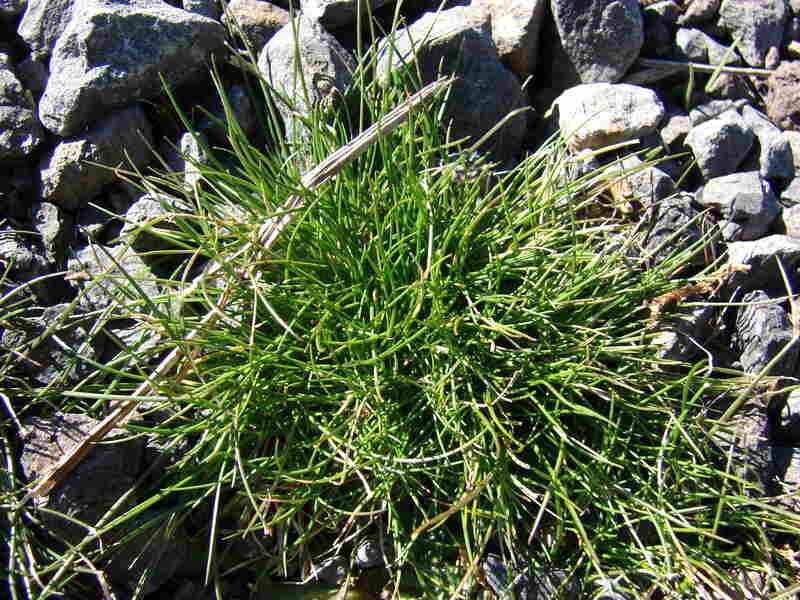
Fine fescues are a group of 5 similar-looking, fine-textured grasses: Chewings fescue, hard fescue, sheep fescue, slender creeping red fescue, and strong creeping red fescue.
“They are better suited to poorer soils and growing in shade than other comparable cool-season grasses,” Lanier says.
“They also demand less overall in the way of irrigation, fertility, and mowing relative to other choices like Kentucky bluegrass or perennial ryegrass, so they are a good choice for areas for which there is a desire to reduce maintenance,” he adds.
You can mow fine fescues normally or leave them naturalized for a meadow-like yard. They prefer cool, humid Northern areas, especially the Pacific Northwest and New England, though some varieties handle heat well enough for the northern parts of the transition zone.
Different Types of Fine Fescue
“Fine fescues as a group break down into two complexes: the red fescue complex and the sheep fescue complex,” Lanier says. “The red fescue complex includes Chewings and the red fescues; and the sheep fescue complex, in addition to sheep, includes hard fescue.”
“Generally, the red fescues are better suited to more traditional lawn applications, while sheep and hard fescues are very tough, very resilient species especially suited to very low maintenance applications such as “no mow” areas,” he says.
Here’s a summary:
| Fine fescue type | Growth habit | Shade tolerance |
| Strong creeping red | Rhizomes | Good to excellent |
| Slender creeping red | Rhizomes | Good to excellent |
| Chewings | Bunch | Excellent |
| Hard | Bunch | Good |
| Sheep | Bunch | Fair to good |
Strong creeping red fescue (Festuca rubra ssp. rubra) has longer rhizomes and slightly darker blades, with moderate salt tolerance. Common in Europe, the Pacific Northwest, and the Northeast, it is often mixed with Kentucky bluegrass and other fine fescues. It is sometimes simply called creeping red fescue.
Slender creeping red fescue (Festuca rubra ssp. litoralis) spreads by rhizomes and is the most salt-tolerant type, so it grows along salt marshes and coastlines. It is more common in northern Europe than the U.S.
Chewings fescue (Festuca rubra ssp. commutata) has the best shade tolerance of the 5, a low to moderate nitrogen need, and moderate salt tolerance. It suits sandy, infertile, or coastal soils, and some cultivars tolerate very low mowing on Northern putting greens.
Hard fescue (Festuca trachyphylla) is the most heat- and drought-tolerant type, with a deep, branching root system. It keeps a dark green-gray color on low nitrogen and thrives in poor soils, but it does not tolerate salt.
Sheep fescue (Festuca ovina) is the most drought-tolerant type, with a grayish-blue color and low nitrogen needs. It dislikes salty soils but is a great low-mow choice that grows well with wildflowers.
“Any blended fine fescue stand can benefit from some inclusion of the red fescues, which have a spreading, rhizomatous growth habit in contrast to the remainder of the fine fescue species, which have a predominantly bunch-type habit,” Lanier says.
Pros and Cons of Fine Fescue
Fine fescues are super low-maintenance, but they have downsides, too. Weigh the pros and cons before deciding.
Pros
Moderate to high shade tolerance; also handles full sun
Different species offer different strengths
Does not need frequent mowing
Works well in cool-season, sun-shade mixes
Does not spread aggressively
Low nitrogen needs and moderate to high drought resistance
Some types tolerate salt well, good for coastal or road-salt areas
Grows well at high elevations and feels soft underfoot
Cons
Not suitable for high-traffic areas
May go dormant during the summer heat
Susceptible to some diseases
Excessive fertilizer contributes to high thatch levels
“Flexibility must also exist for a lawn that establishes more slowly, as well as one that may not grow as vigorously or heal as rapidly from injury,” Lanier says.
“Fine fescues can also have a markedly different appearance than some of the other recognized grasses, so an affinity for this look is also important,” he adds.
How Do You Establish Fine Fescue?
“Once a fine fescue lawn is well-established, the persistence and resilience can be quite remarkable,” Lanier says.
Fine fescue is mainly established from seed, though you can install sod in some areas.
The Cost of Planting Fine Fescue
Fine fescue seed: Seed is fairly affordable, usually a few dollars per pound. The recommended seeding rate is 3 to 6 pounds of seed per 1,000 square feet, depending on the type.
Fine fescue sod: Sod is harder to find than seed and generally costs more, so most homeowners establish it from seed.
When to Plant Fine Fescue Seed
You can sow seed anytime, but summer heat wastes your time and money because the seed will not take off. The best time for sowing cool-season grass seed is early fall, followed by mid to late spring.
Spring is the second choice because it is better for grass to germinate and then go into winter dormancy than to germinate and get stressed by summer heat. Winter is easier on new grass than summer.
See Related: How to Plant Grass Seed
Choosing Between 100% Fine Fescue and a Mixed Grass Lawn
Like perennial ryegrass, homeowners rarely grow only one type of fine fescue. Instead, they blend the fine fescue types or mix them with other cool-season species.
Lanier recommends a primarily fine fescue lawn “when there is a desire for a resilient, low-input lawn area, and/or where shade is more prevalent, where the soil is not too wet on an ongoing basis, and where foot traffic is not heavy.”
A mix gives you a better combination of genetics for varying conditions. Fine fescues have better shade tolerance than Kentucky bluegrass, while Kentucky bluegrass recovers best from foot traffic.
How to Care for Your Fine Fescue Lawn
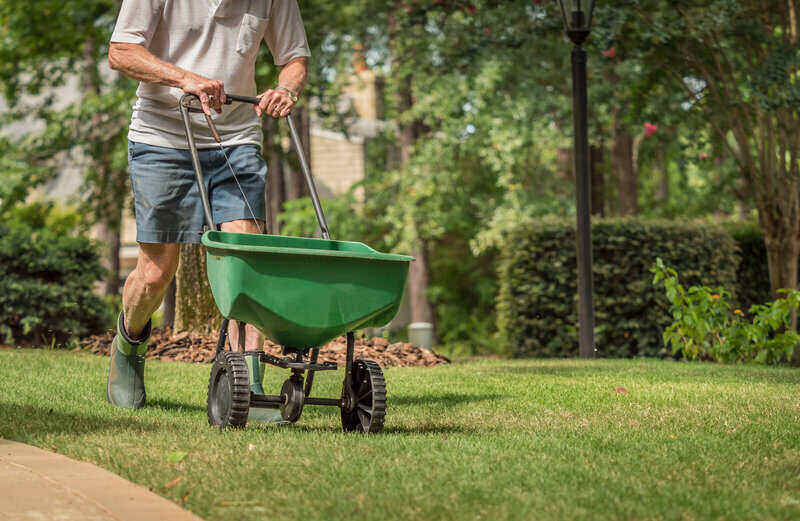
Luckily, fine fescues are low-maintenance, so your lawn care schedule stays light.
Watering Fine Fescue
Water needs depend on the type, soil, and climate. In some areas, you will need supplemental water to keep fine fescue from going dormant in peak summer; your local county Extension Office can tell you how much your grass needs.
Fine fescues prefer to stay on the dry side and will die in constantly moist soil, and overwatering also increases thatch and disease. If you would rather not irrigate, keep heavy traffic off the lawn until it recovers.
See Related: 8 Signs Your Lawn Needs Watering
Fertilize Depending on Your Preference
For a low-maintenance lawn, you only need 0.5 to 2 pounds of nitrogen per 1,000 square feet per year. Apply most of it in late summer to early fall, with an optional light spring feeding after dormancy.
A few fertilization tips for fine fescue:
Fertilize unmowed lawns less than mowed lawns.
Fertilize less if you leave clippings on the lawn.
Fertilize new lawns and sandy soils on the higher end of the range.
Fertilize more if you want high-quality turf.
Leaving clippings on the lawn stretches your fertilizer further. Chelsea Morris of High-Class Grass in Virginia Beach agrees: “I always recommend mulching your clippings into your lawn.”
For more help, see our guide on How to Choose the Right Lawn Fertilizer.
Mowing Recommendations
If you mow, keep fine fescue between 2 and 4 inches, depending on the species and use, and cut with sharp blades. Remove only one-third of the leaf blade at a time, which means trimming more often if you keep it short.
Note: Look up your species or seed mix for its recommended height, and check out our article on how to mow if you need a refresher.
Keep Air and Water Moving
If your lawn builds more than one-half inch of thatch, it is time to dethatch your lawn with a hand rake or power rake. Thatch is a layer of debris that blocks air, water, and fertilizer from reaching the root zone.
Watch for soil compaction, too, and aerate the lawn as needed. Compaction squeezes air and water out of the soil so they sit on the surface instead of reaching the roots.
Core aeration pulls small plugs from the ground to restore that movement. Aerate heavy clay soils yearly and lighter soils every couple of years.
Homeowners short on time often turn to LawnStarter for professional lawn aeration.
Keeping Weeds Controlled
Weeds are toughest while establishing fine fescue from seed, since weed seeds germinate alongside the young turf. You should not use herbicides in the first or second year, so pull weeds by hand and mow weed stalks before they seed.
Once established, a thick fine fescue lawn shades out most weeds. If weeds persist, apply a pre-emergent herbicide in early spring or fall, then spot-spray with a post-emergent herbicide as needed.
Common Insect and Disease Problems
Even well-kept lawns face insects and diseases, but early treatment keeps small issues from becoming big ones. Watch for abnormal browning or thinning and address the cause quickly.
Common insects that bother fine fescue include:
Billbugs, winter mites, and crane flies
Endophyte-enhanced fine fescues offer greater insect resistance and help keep problems to a minimum.
Fine fescue is also susceptible to fungal diseases such as red thread, dollar spot, leaf spot, summer patch, powdery mildew, and downy mildew. To prevent them, avoid excess nitrogen, water only as needed, and aerate so water does not sit on the surface. Mixing in disease-resistant turf-type tall fescue also helps.
FAQs
No. Fine fescue is a group of 5 fine-bladed, shade-tolerant species that prefer cool, humid conditions and low input. Tall fescue is a separate, coarse-bladed grass with far better heat, drought, and traffic tolerance. The two are often mixed so tall fescue adds durability while fine fescue handles shade.
It depends on the type. Most fine fescues are bunch-type grasses that stay put and do not spread, so bare spots need overseeding. Creeping red fescues are the exception, spreading slowly by underground rhizomes to fill thin areas over time.
Fine fescue seed usually germinates in less than 14 days, depending on the variety, soil temperature, and how consistently you keep the seedbed damp. Growing into a mature, wear-ready lawn takes a full growing season or more.
Need Lawn Care Help?
Fine fescue is a great choice if you want a low-maintenance lawn or you hate mowing. If it sounds like a good fit, contact a local lawn care professional through LawnStarter today.
They can help you with lawn treatment, aeration, and more so you get a beautiful, easy-care yard.
Source:
Jason Lanier, Extension specialist of commercial horticulture at the University of Massachusetts, Amherst, MA. Personal interview.
Main Image: Fine fescue grass. Photo Credit: Bat / Flickr / CC0
Related Posts: