| Key Takeaways |
|---|
| • Tall fescue is a low-maintenance, heat- and drought-tolerant cool-season grass that does best when mowed at 2 to 4 inches. • Fall is the best time to fertilize, aerate, and overseed tall fescue. • Tall fescue grows in bunches and does not fill in gaps on its own, so regular overseeding keeps it thick. |
Tall fescue is called “wonder grass” for a reason: It is heat- and drought-tolerant, low-maintenance, and versatile. Whether you already grow this cool-season grass or want to know if it’s right for your lawn, our tall fescue lawn care guide has you covered.
Getting the timing right for mowing, watering, fertilizing, and fall overseeding is the hard part. If that is more than you want to manage, LawnStarter’s lawn mowing pros can keep your lawn on schedule.
What Is Tall Fescue?
Tall fescue is a durable, cool-season bunch grass prized for its heat and drought tolerance and low upkeep.
As LawnStarter pro Scott Culala, owner of The Lawn Cypress, in Gardner, Kansas, puts it: “As long as it’s fescue grass, it’s usually pretty darn resilient. That’s why we use them on all our baseball fields, soccer fields, and football fields.”
Native to Europe, the Mediterranean, the Middle East, and Asia, it thrives in the upper half of the United States, where cool-season grasses do well.
What is cool-season grass? Cool-season grass grows actively in spring and fall but goes dormant in summer heat. Tall fescue handles heat and drought better than most, making it a good fit for the transition zone (the middle of the United States).
Tall fescue grows in many soil types but does best in well-drained clay soils rich in organic matter. The old standard cultivar is Kentucky-31, but improved tall fescues offer finer texture, denser growth, darker color, and better tolerance for shade and low mowing.
Classification: Cool-season grass
Spreads by: Bunch-type grass
Shade tolerance: Moderate
Drought tolerance: Moderate
Traffic tolerance: Moderate, but it doesn’t recover well
Maintenance needs: Low. Mow every 5 to 7 days and irrigate with 1 inch of water each week. Depending on a laboratory soil test, expect to fertilize with 1 pound of nitrogen per 1,000 square feet during the growing seasons, for a yearly total of 3 pounds.
Recommended mowing height: 2.0 to 4.0 inches (mow down to this height)
Pros and Cons of Tall Fescue
Every grass type has its vices and virtues. Here is why people like tall fescue and why they don’t.
Pros
Low-maintenance
Tolerates heat and drought
Tolerates many soil types and conditions
Not vulnerable to chinch bugs, a common summer lawn pest
Is resistant to the lawn disease dollar spot
It doesn’t generate much thatch, the layer of plant debris that forms on the soil
Cons
Grows in bunches, meaning it won’t fill in gaps quickly
Slow to recover from damage
Vulnerable to the lawn disease brown patch
Tall Fescue Monthly Maintenance Calendar
This calendar shows how to care for your tall fescue lawn all year. The table lists the best time and a possible time for each task; not every task has an ideal window. For timing tuned to your area, check with your local Cooperative Extension.
| Task | Best Time | Possible Time |
| Mow | April through November | December through March |
| Weekly watering | June through August | September through May |
| Fertilizing | April, October, November | March, May, September, December, February |
| Soil amendments | March, April, October, November | May, September, December, February |
| Aerating | April, October | March, May, September, November |
| Dethatching | As needed | September through November |
| Seeding | September | February through April, August, October |
| Sod installation | March through May, October, November | June, September, December, February |
| Pre-emergent weed control | February | January, March through May, September |
| Post-emergent weed control | April through July, November | December through March, August through October |
| Grub or pest control | As needed | May, June, August through October |
| Disease control | As needed | March through October, December through February |
Tall Fescue Maintenance Tasks
Here are maintenance tips catered specifically to tall fescue lawns.
How to Mow Tall Fescue
Tall fescue grows fast, so mow it every 5 to 7 days, most often in spring and fall. In summer and winter, mow only until it stops growing.
What height should your grass be? Keep it between 2 to 4 inches, raising the mower up to half an inch in summer to keep the soil cool and moist.
Blade quality matters as much as height. LawnStarter pro Chuck Vogt, owner of Metro Lawns in Atlanta, Georgia, reminds homeowners to “make sure your mower blades are sharp” so each pass leaves a clean cut instead of ragged, stressed grass.
Grass clippings give your lawn a nutritional boost, reducing fertilizer needs by up to 25%. You can use them as mulch too, but bag them when your turf is diseased so you don’t spread the problem.
How to Water Tall Fescue
How much water does tall fescue need? About 1 to 1 1/4 inches of water a week, from you or from rain. If it goes dormant in summer, water about 1/2 inch every 3 weeks to keep it alive.
How often should you water? Plan to water once a week without rain, depending on the season. As Vogt puts it, “It’s better to water less frequently, but deeper.”
Clay soils absorb slowly, so water until runoff, pause, then repeat; sandy soils may need two shorter sessions a week.
Watch for drought stress, too. Water if the grass looks dark bluish gray, wilts, folds, curls, or holds footprints, sometimes as often as every 5 days in hot, dry spells.
How to Fertilize Tall Fescue
Fertilizer supplies the nitrogen (N), phosphorus (P), and potassium (K) your lawn needs. The NPK numbers show each nutrient’s percentage; a 16-4-8 bag is 16% nitrogen, 4% phosphorus, and 8% potassium.
Test your soil first. Send a soil sample to your local Cooperative Extension or a lab so you know what your lawn actually needs.
Apply 1 pound of nitrogen per 1,000 square feet, a standard fertilizer rate for cool-season lawns, up to 3 times a year for a yearly total of 3 pounds. Tall fescue also does fine in low-fertility soil, so always follow your soil test results.
Fall is the best time to fertilize, especially if you feed once a year, since your turf needs nutrients to recover from summer and prep for winter. You can feed in early spring (March or early April), but too early risks a premature growth spurt. Skip summer feeding, when dormant grass can’t use nutrients and heat raises the risk of fertilizer burn.
See Related: How to Fertilize Your Lawn
How to Apply Soil Amendments to Tall Fescue
A soil test also reveals your soil pH, measured from 0 (acidic) to 14 (alkaline). The ideal pH range for tall fescue is between 5.5 and 6.5. Staying in range improves microbial activity and nutrient uptake and lowers the chance of aluminum and manganese toxicity.
If your grass is outside that range, apply soil amendments. They work almost any time there’s no ice, drought, heavy rain, or pest and disease stress. However, they take months to break down, so wait at least 6 months before retesting.
Lime (raises pH) works best in spring or fall; sulfur (lowers pH) works best in spring.
See Related:
How to Aerate Tall Fescue
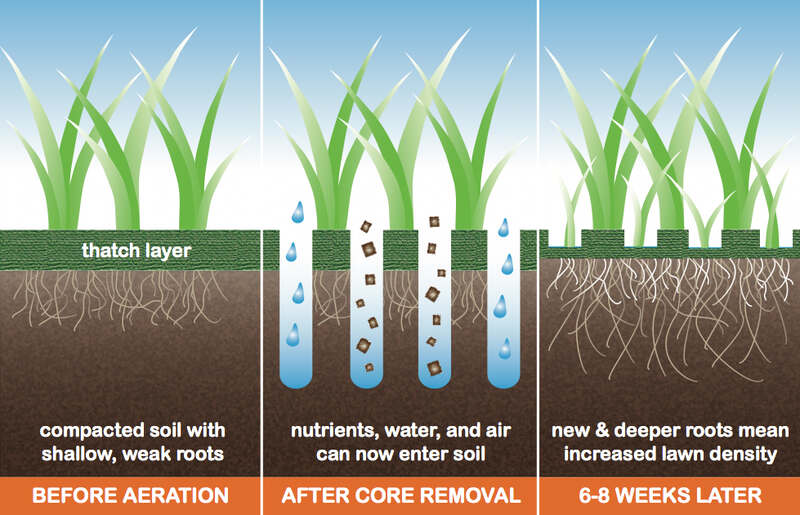
If your lawn gets heavy use, compacted soil may need core aeration, which pulls small plugs to relieve compaction. It also provides other benefits:
Lets nutrients, water, and air reach the soil
Improves root growth and drainage
Reduces thatch and helps earthworms
Boosts fertilizer, soil amendments, and overseeding
Aerate tall fescue in fall, when it grows well and recovers easily from this beneficial but invasive process. Aerate in spring only if compaction is causing severe problems.
See Related: How to Aerate Your Lawn
How to Dethatch Tall Fescue
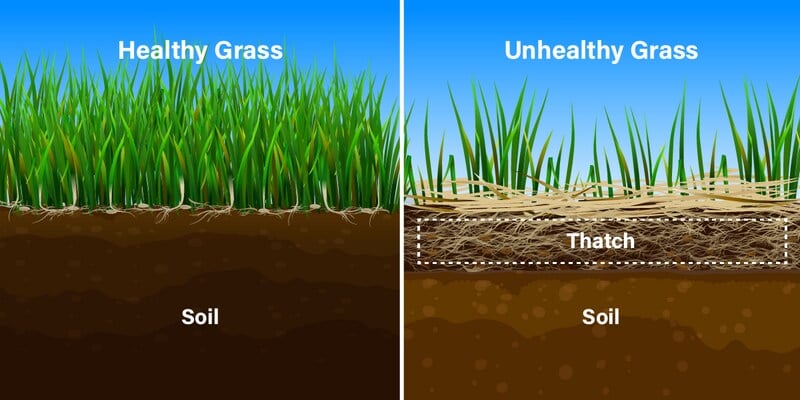
Thatch is the layer of dead and living shoots, stems, and roots at the soil surface. A little is fine, but more than half an inch can smother your lawn and harbor pests and disease. Dethatching tools remove the excess; raking and aerating help too.
Good news: Tall fescue isn’t thatch-prone. Keep an eye on the level (see Signs Your Lawn Has Too Much Thatch), but you likely won’t need to dethatch but once every few years, if ever. If you do, fall is the best time.
See Related: How to Dethatch Your Lawn
How to Seed and Overseed Tall Fescue
Seeding plants a new lawn; overseeding spreads seed over an existing one to thicken it or fill patches.
Because tall fescue is a bunch-type grass that won’t fill gaps on its own, overseeding is especially important. “Neither rye nor fescue spread by the roots. They have to be reseeded each year,” Vogt says.
The best time to overseed tall fescue is fall. In the South, “the best time to do that is September, October, because it takes 4 to 6 weeks for the seed to really germinate and root,” Vogt says. In more northern states, you can overseed as early as August.
Aim to seed when soil temperatures stay above 60 degrees and air temperatures hold between 68 and 77 degrees, generally no later than early October. Aerate right before for better seed-to-soil contact, and keep seeds moist until they germinate.
For a hands-off approach, LawnStarter offers aeration and overseeding to help thicken a bunch-type lawn like tall fescue.
How to Install Tall Fescue Sod
Want a quicker fix? Install sod for an instant lawn. Tall fescue sod is sometimes mixed with Kentucky bluegrass for added strength. Water new sod until it roots; if it still lifts easily, it needs more time. The best time to install is spring or fall.
See Related: How to Care for New Sod
How to Control Weeds in Tall Fescue
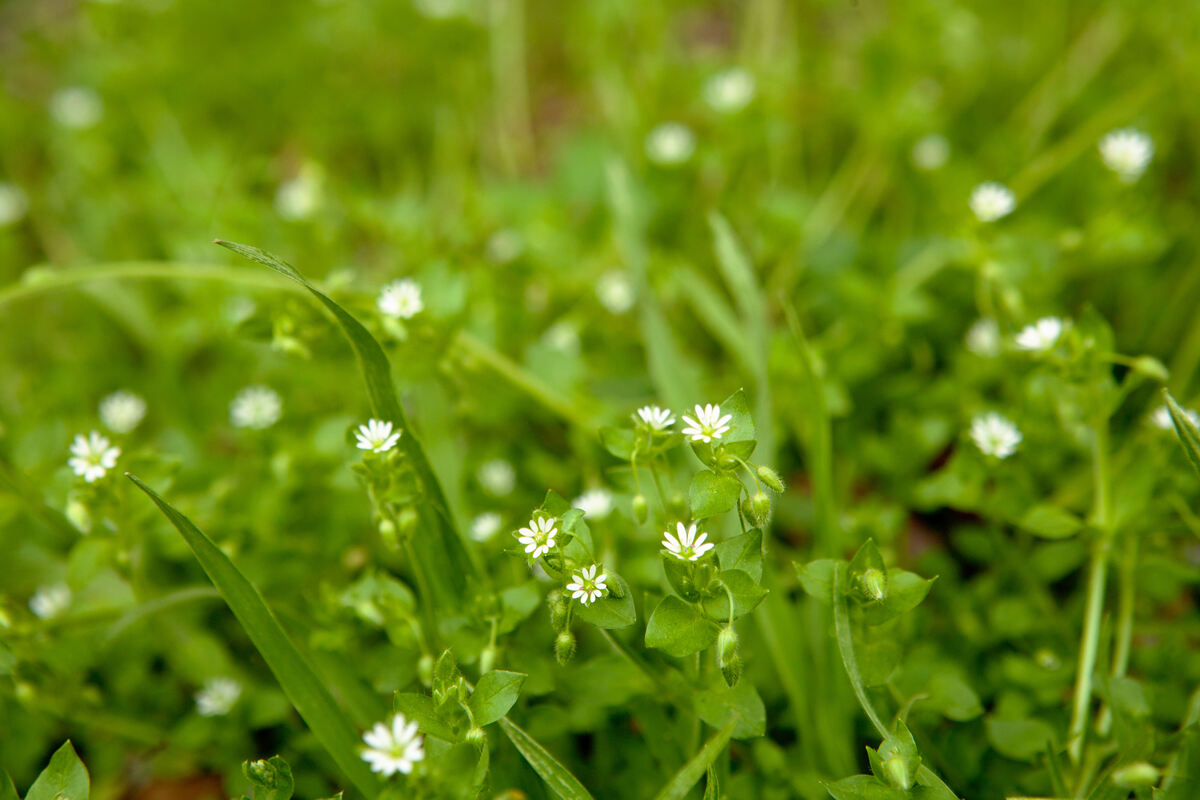
Like any grass, tall fescue competes with weeds, but a healthy, well-maintained lawn resists them best.
When that isn’t enough, use targeted herbicides. Pre-emergent herbicides stop weeds before they sprout, applied in spring for summer annual weeds and in fall for winter annual weeds. Post-emergent herbicides kill weeds after they appear.
You can also pull weeds by hand or tool, removing the entire root to stop regrowth.
Pro tip: Avoid herbicides in summer, when heat and chemicals can damage cool-season grass, and skip them while new grass is establishing.
See Related:
How to Control Pests in Tall Fescue
Tall fescue has few pests but recovers slowly from damage. Grubs, the larvae of beetles, are the main threat and feed on grass roots.
Signs include animals digging in your yard or turf that pulls up easily. Improve your maintenance and apply insecticide once you confirm a problem to prevent further damage.
See Related:
How to Control Diseases in Tall Fescue
Tall fescue is prone to brown patch, a fungal disease of hot, humid weather that causes brown circles, lesions, and rotting grass. Keep it in check with these steps:
Aerate and dethatch: Increase air circulation and keep turf drier.
Avoid excessive nitrogen in high growth periods, since it feeds the fungus as well as the grass.
Reduce irrigation and improve drainage to clear excess moisture, without neglecting your grass’ needs.
Water in the morning so grass dries in the sun; nighttime watering keeps it wet and encourages fungus.
Apply fungicide if the above methods have no effect.
Note: Always bag and dispose of grass clippings when your lawn is diseased.
See Related: How to Treat Brown Patch Disease in Your Lawn
FAQs
Depending on where you live, tall fescue can stay green all year if well-irrigated. It naturally goes dormant and browns where summer and winter are harsh, then greens up again once mild temperatures and moisture return.
The most common reasons your tall fescue could die:
• Heat or drought stress
• Excessively moist soil
• Diseases, especially brown patch
Remember: Just because your grass turns brown in summer or winter doesn’t mean it’s dead. If it is only dormant, it will green up again with water and mild temperatures.
If you want other cool-season options, consider Kentucky bluegrass, fine fescue, or perennial ryegrass. Live in the transition zone? You can also look at warm-season varieties like Zoysiagrass and Bermudagrass, which handle summer heat well.
When to Hire a Lawn Care Pro
Even though tall fescue is called the wonder grass, you may not feel wonderful while caring for it. Sometimes, you’d rather rely on the expertise of a pro. Let LawnStarter connect you with lawn mowing professionals who care for all sorts of grass types.
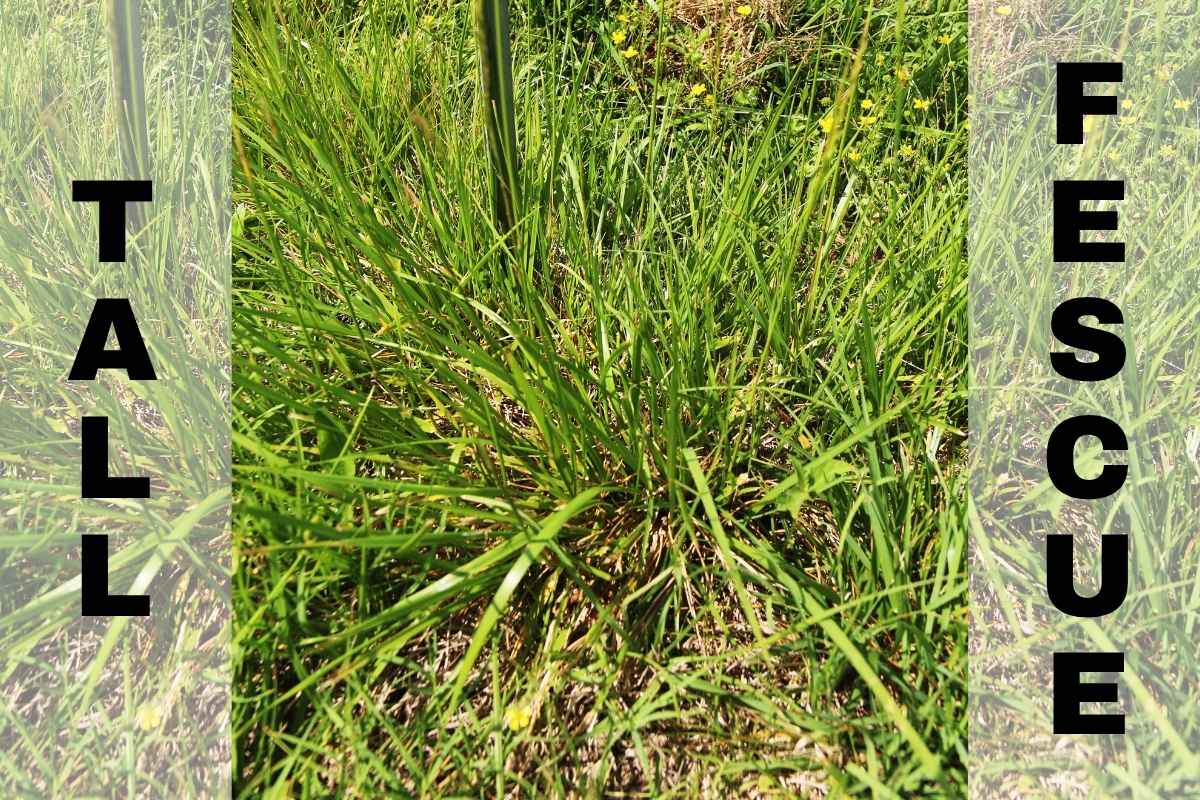
Main Image: A tall fescue clump displays its characteristic wide, coarse blades radiating from a dense base in an open field. Photo Credit: Alabama Extension / Flickr / CC0 1.0
Related Posts: