| Key Takeaways |
|---|
| ✓ Start early spring tasks after the last frost when the soil is workable. ✓ Apply pre-emergent herbicides when the soil hits 50-55 degrees. ✓ Don't fertilize until the grass has been green and growing for about 3 weeks. |

After months of winter dormancy, your lawn needs a strategic spring lawn care recovery plan. But figuring out where to start can feel overwhelming. Should you fertilize now or wait? Is it too late for weed prevention?
The key isn’t just knowing what to do — it’s knowing when to do it.
This timeline-based checklist breaks spring lawn care into 3 manageable phases, so you’re never guessing. Start spring lawn care with cleanup and soil testing, move to weed prevention and fertilizing in mid-spring, and finish with overseeding and pest control in late spring.
No time for lawn care? Let us connect you with trusted local LawnStarter pros who handle everything from spring cleanup to fertilizing, mowing, and weed control.
Note: Month ranges in this article are approximate and vary by location; rely on soil temps for guidance.
Early Spring Lawn Care (March-April)
When to start: After the final frost date for your area, when the soil is no longer frozen or muddy, and grass starts growing.
Early spring is prep season. Your lawn is waking up from dormancy, and these foundational tasks set the stage for healthy growth all season long.
Clean Up Your Yard
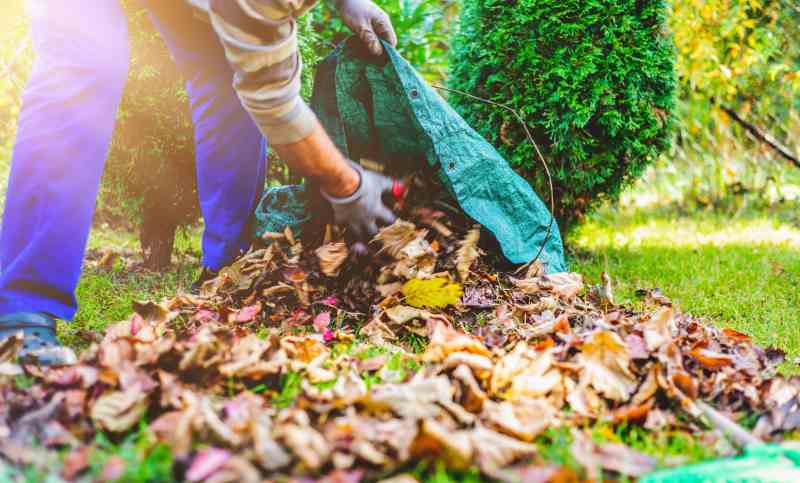
Start with a thorough spring cleanup. Remove leaves, twigs, dead plants, and any debris that accumulated over winter. This debris blocks sunlight, traps moisture, and creates breeding grounds for disease.
Pro Tip: Compost clean debris like leaves and grass clippings for free mulch, but keep weeds and diseased plants out of your compost pile.
See Related: How to Rake Leaves
Test the Soil
Before you add anything to your lawn, know what it actually needs.
Have your soil tested through your local Extension office or lawn care provider. “It is a critical step to tailor fertilizer applications to your lawn’s specific needs,” says Becky Bowling, assistant professor and Extension specialist at the University of Tennessee in Knoxville. “This prevents waste and unnecessary expenses.”
A soil test reveals:
- pH level (most grasses prefer 6.0-7.0)
- Nutrient deficiencies (nitrogen, phosphorus, potassium)
- Organic matter content
- Recommended amendments
Based on the results, you may need lime to raise the pH (or sulfur to lower it) so grass can absorb the nutrients you apply. Treat now since amendments need weeks or months to work, depending on what amendment you’ve added.
Where to test: Contact your local Extension office or purchase a mail-in test kit from garden centers.
See Related:
Prepare Your Mower and Equipment
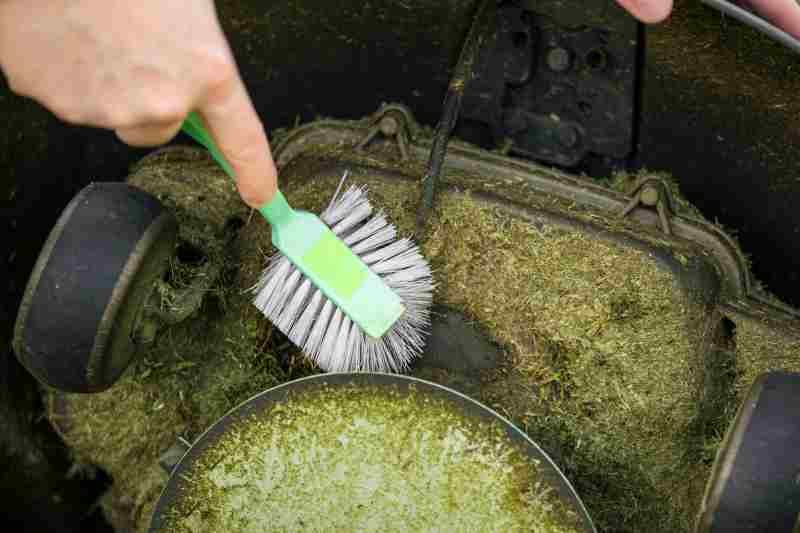
Taking care of your lawn care equipment is key to a healthy lawn, Bowling says. “At a minimum, mower blades should be kept sharp to ensure clean cuts that promote turfgrass health.”
Get your mower ready now, before you actually need it. Use this DIY mower maintenance checklist:
- Run the engine: If it won’t start, take it for service now (shops get busy in early to mid-spring).
- Gas mowers: Change oil, replace spark plugs and air filters, then refuel with fresh gas.
- Battery mowers: Check the battery holds a full charge; replace if needed.
- Sharpen blades: Dull blades tear grass, leaving ragged edges prone to disease.
- Clean the deck: Remove all caked grass clippings and debris.
Cold mower won’t start? Place it in the sun for 1-2 hours to warm up the engine. Cover the engine with a dark trash bag while it warms (remove before starting).
Other essential lawn care tools to check:
- Edgers: Clean, sharpen, check belts and filters
- String trimmers: Replace trimmer line; check oil or battery
Get professional lawn mowing services from LawnStarter if you’d rather skip the spring maintenance.
See Related:
Mid-Spring Lawn Care (April-May)
Mid-spring is the action season. Your grass is growing, which makes this the optimal window for weed prevention, fertilization, and starting your mowing routine.
When to start: Once the grass is actively growing
Inspect Your Sprinkler System
According to Bowling, homeowners with in-ground irrigation systems should inspect key components each spring or consider hiring a pro for spring activation.
Here’s what spring lawn preparation means for your sprinklers:
- Clean sprinkler heads: Soak, brush, and rinse heads before turning on the system.
- Check direction: Make sure heads spray the lawn, not driveways or sidewalks.
- Test for damage: Look for broken heads, leaks, puddles, or uneven spray patterns.
- Adjust pressure: Ensure even coverage across all zones.
Pro Tip: “Some municipalities or water providers in conservation-focused areas may offer free or discounted irrigation evaluations to ensure system efficiency,” Bowling notes.
Watering guidelines for mid-spring:
- Water early morning (5 a.m.-9 a.m.) to prevent disease
- Most lawns need 1-1.5 inches of water per week (including rain)
- Water less frequently in cool weather — soil retains moisture longer
See Related: How to Fix and Adjust Lawn Sprinkler Heads
Apply Pre-Emergent Herbicides
Note: If you live in the South, this is an early spring task for February-March.
Timing is everything. Pre-emergents prevent weed seeds from germinating above the soil, but only if applied at exactly the right time — for crabgrass, that’s when soil temperatures reach 50-55 degrees for 5 consecutive days.
Apply too early, and the herbicide wears off before weeds germinate. Too late, and the seeds have already sprouted.
“A well-timed spring pre-emergent herbicide application can significantly reduce annual weed pressure,” Bowling says, “minimizing the need for frequent post-emergent treatments throughout the season.”
Critical: Pre-emergents prevent ALL seeds from germinating, including grass seed. If you plan to overseed this spring, skip pre-emergents or wait 3-4 months after application.
See Related:
Start Mowing at the Right Time and Height
“Mowing at the appropriate time and height is the single thing I would do if I couldn’t do anything else for my lawn in the spring,” says Aaron Steil, consumer horticulture Extension specialist from Iowa State University. “Grasses are adapted to be cut — in our lawns, it’s by a mower instead of a hungry herbivore.”
When to start mowing: For Steil, a good rule of thumb is to mow when the grass is 50% taller than the ideal mowing height. “A lawn maintained at a 2-inch height should be mowed when the grass reaches a height of 3 inches, while a lawn maintained at a 3-inch height should be cut when it reaches a height of 4.5 inches.”
Frequency: Start by mowing every other week, then increase to weekly mowing as temperatures rise and grass grows faster.
“For warm-season grasses, delaying aggressive mowing until the risk of late frost has passed can help maintain lawn health,” Bowling advises, “while mowing frequency should be adjusted based on seasonal conditions to adhere to the 1/3 rule.”
The 1/3 rule: Never cut more than one-third of the grass blade in a single mowing. Cutting more stresses the grass and encourages weed growth.
Pro Tip: Leave grass clippings on the lawn (grasscycling). They return nutrients to the soil and don’t contribute to thatch buildup.
See Related:
Apply Fertilizer
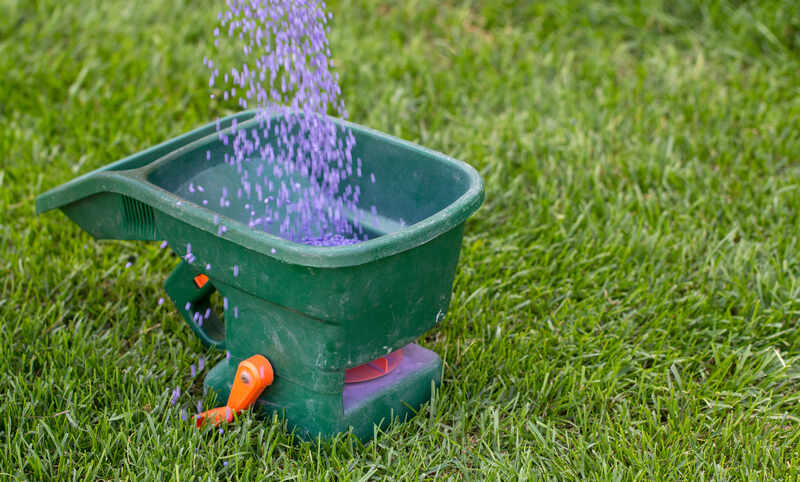
Fertilizer provides the three major nutrients lawns crave: nitrogen (N), phosphorus (P), and potassium (K). The N-P-K ratio on fertilizer labels tells you the percentage of each.
When to fertilize: Wait until grass has been actively growing for about 3 weeks (you’ll see noticeable green-up). Or you can go by the old “holiday schedule” and start your fertilizer program for the year around Memorial Day.
Fertilizer application tips:
- Use a slow-release fertilizer in spring (especially if you fertilized in fall).
- Choose formulas appropriate for your grass type.
- Follow your soil test recommendations for best results.
- Water a few days before applying to avoid burning roots.
“Smaller, more frequent nitrogen applications are often more beneficial than infrequent, high-rate applications this time of year,” Bowling notes. “Homeowners may find products containing both quick- and slow-release nitrogen useful.”
Important: If you applied pre-emergent herbicides, wait 1 week before fertilizing.
See Related:
Late Spring Lawn Care (May-June)
When to start: Warm-season grasses are fully green and actively growing; cool-season grasses are at peak growth before slowing down for the summer.
Late spring is the refinement season. Now’s the time to fill in bare spots, tackle stubborn weeds, and protect against pests and diseases.
Note: If it’s late June, follow our summer checklist next to keep your lawn healthy during the year’s hottest days: LawnStarter’s Summer Lawn Care Checklist.
Apply Post-Emergent Herbicides for Existing Weeds
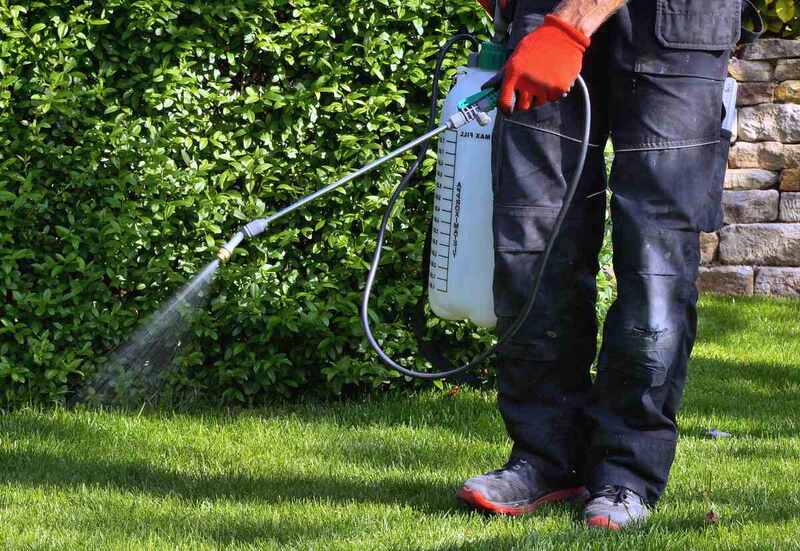
Post-emergent herbicides kill weeds that are already growing. By late spring, you’ll clearly see which weeds escaped your pre-emergent treatment.
Target broadleaf weeds (dandelions, clover, chickweed) and grassy weeds (crabgrass, goosegrass) if they broke through pre-emergent.
Post-emergent application tips:
- Spot-treat individual weeds rather than broadcasting across your entire lawn.
- Apply when weeds are actively growing but before they set seed.
- Avoid spraying on windy days or when temperatures exceed 85 degrees.
- Keep pets and children off treated areas per label instructions.
For cool-season grasses, you’ll be far more effective applying herbicides in the fall, Steil says. “This provides better control and means you ultimately use less herbicide.”
Natural alternatives: Hand-pulling, corn gluten meal, vinegar-based solutions, or flame weeding for small infestations.
See Related:
Watch for Lawn Pests
Late spring marks the beginning of lawn pest season, though peak activity varies by pest type. Common lawn pests include chinch bugs (active late spring through summer), billbugs (larvae active June-July), armyworms (typically late summer-fall), and grubs (feed most heavily August-October).
Grubs — white, C-shaped beetle larvae — are among the most damaging lawn pests because they feed on grass roots underground.
Signs of grub damage include:
- Brown patches that don’t recover with watering
- Grass that pulls up easily (damaged roots)
- Increased bird, skunk, or raccoon activity (they dig for grubs)
- Visible insects when you pull back the grass
How to treat your lawn in the spring? Apply a preventive treatment (imidacloprid or clothianidin) from mid-April to mid-June. It stays in the soil and kills newly hatched grubs in late summer.
Pro Tip: If you had grub damage last year, treat preventively this year. Adult beetles return to the same areas to lay eggs.
See Related: Lawn Grubs: How and When to Kill Them
Prevent Lawn Diseases
Late spring’s combination of warm temperatures and frequent rain creates ideal conditions for fungal lawn diseases.
Common spring diseases and signs to watch for:
- Dollar spot (silver dollar-sized tan patches)
- Powdery mildew (white or grayish powder coating on grass blades)
- Red thread (pinkish-red threads extending from bleached grass tips)
- Fairy rings (dark green rings or arcs of faster-growing grass, often with mushrooms)
- Brown patch (large, circular-shaped brown patches)
Treatment: Apply fungicides labeled for your specific disease. Most fungal diseases require multiple applications.
See Related:
Dethatch (Warm-Season Lawns)
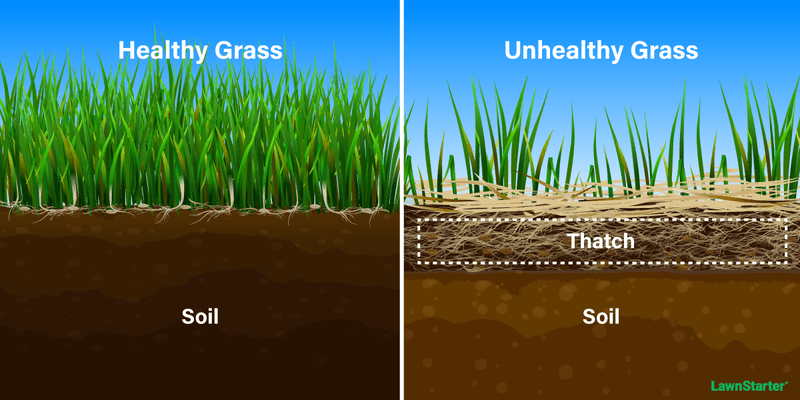
Thatch is the spongy layer of dead and living plant matter between grass blades and soil. A little thatch protects roots and conserves moisture, but thick thatch suffocates your lawn by blocking water, air, and nutrients.
How to check: Dig up a small wedge of lawn 3 inches deep. Measure the brown spongy layer of dead and living plant matter between grass blades and soil. If it’s 1/2 inch or thicker, you need to dethatch.
When to dethatch: Late spring to early summer, when temperatures are 80-95 degrees, is the best time for warm-season lawns.
Cool-season grasses are better dethatched in early fall. As Steil explains, spring is also an option, but it’s not the better one. “Competition from annual grasses, such as crabgrass, will be much greater.”
Important: Don’t dethatch earlier than 6-8 weeks after applying pre-emergent herbicides, as it disturbs the herbicide barrier, reducing its effectiveness. For best results, dethatch the lawn before applying herbicides.
See Related:
Aerate Compacted Soil (Warm-Season Lawns)
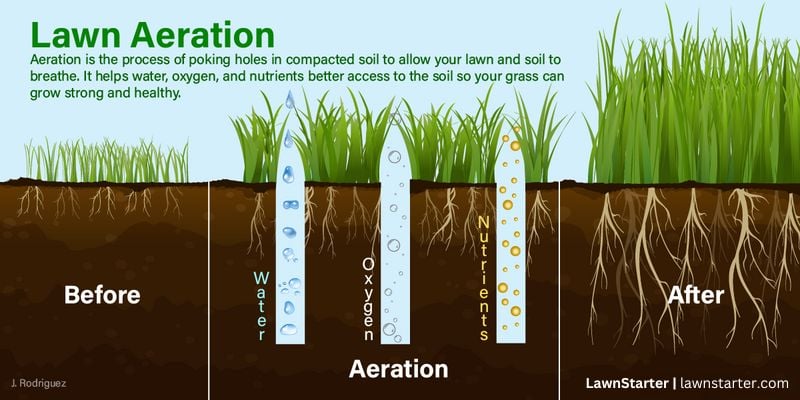
Core aeration creates small holes in compacted soil, allowing oxygen, water, and nutrients to reach the grass roots. This is one of the most impactful things you can do for lawn health.
Signs you need aeration:
- Puddles form after rain
- Soil feels rock-hard (test with a screwdriver — if you can’t push it 6 inches deep, soil is compacted)
- Heavy foot traffic areas look thin or stressed
- Clay soil
- Thatch buildup over 1/2 inch
Best aeration timing:
- Warm-season grasses: Late spring to early summer
- Cool-season grasses: Early fall (better time) or early spring if soil is severely compacted
How often: High-traffic lawns may need annual aeration. Most lawns need aeration every 2-4 years.
Pro Tip: If you’re dethatching and aerating this spring, dethatch first. If you’re overseeding, aerate or dethatch immediately before spreading seeds for the best seed-to-soil contact.
- Can You Dethatch and Aerate at the Same Time?
- Guide to Growing Cool-Season Grasses
- Guide to Growing Warm-Season Grasses
Overseed Bare Spots (Warm-Season Lawns)
Bare patches and thin areas develop from winter damage, disease, foot traffic, or pet spots. Late spring is the ideal time to repair these problem areas for warm-season grasses.
Best overseeding timing by grass type:
- Warm-season grasses: Late spring (now!) when soil is warm
- Cool-season grasses: Late summer to early fall is better, but you can overseed in early spring if damage is severe.
Here’s why fall is better for cool-season varieties: “Cool-season grasses will germinate quickly in the warm soil of late summer. The warm fall days and cool nights promote rapid turf growth,” Steil says. “Also, fewer weed species germinate in the fall, so there is little weed competition.”
How to overseed:
- Choose a seed that matches your existing grass type.
- Rake bare areas to loosen soil.
- Spread the seed evenly.
- Lightly rake the seed into the soil for seed-to-soil contact.
- Water 2-3 times per day until the grass germinates, then daily until the grass reaches mowing height.
- Mow when the new grass is 50% taller than the desired height.
Critical: Don’t overseed if you applied pre-emergent herbicides in the last 3-4 months.
See Related:
FAQs
Yes, many “weed and feed” products combine fertilizer and herbicides. However, timing matters. These products work best in spring and fall when temperatures are between 60 and 90 degrees, grass is actively growing, and weeds are small. Always wait one week between separate herbicide and fertilizer applications if using individual products.
Learn how to time spring weed and feed applications in our article: When to Apply Weed and Feed to Your Lawn.
Aerate before overseeding. Aeration creates holes that give seeds direct contact with the soil, dramatically improving germination rates. If you’re also dethatching, do that first, then aerate, then overseed immediately while soil holes are still open.
Get a Healthy, Green Lawn This Spring — Without the Work
Following this spring lawn care checklist prepares your lawn to thrive all season. From early spring cleanup and soil testing through late spring overseeding and pest control, each task builds on the previous one to create a lush, resilient lawn.
However, 13 tasks across 3 months is a lot of work. Between shopping for products, renting equipment, checking soil temperatures, and finding time on weekends, lawn care can take over your spring.
There’s an easier way. Connect with our experienced LawnStarter lawn care professionals who know exactly when and how to execute every task on this checklist. They bring the equipment, expertise, and consistency your lawn needs — while you enjoy the results.
Read More:
- Spring Lawn Care Tips for the Northeast: What to Do and When to Do It
- Spring Lawn Care Tips for Portland, OR
- Spring Lawn Care Tips for Miami, FL
Sources:
- Aaron Steil, consumer horticulture Extension specialist from Iowa State University, Ames, IA. personal interview.
- Becky Bowling, assistant professor in the Department of Plant Sciences and Extension specialist at the University of Tennessee, Knoxville, TN. Personal interview.
Main Image: Curving green lawn beside blooming roses. Image Credit: JulietPhotography / Adobe Stock with Text Overlay using Canva Pro
Related Posts: