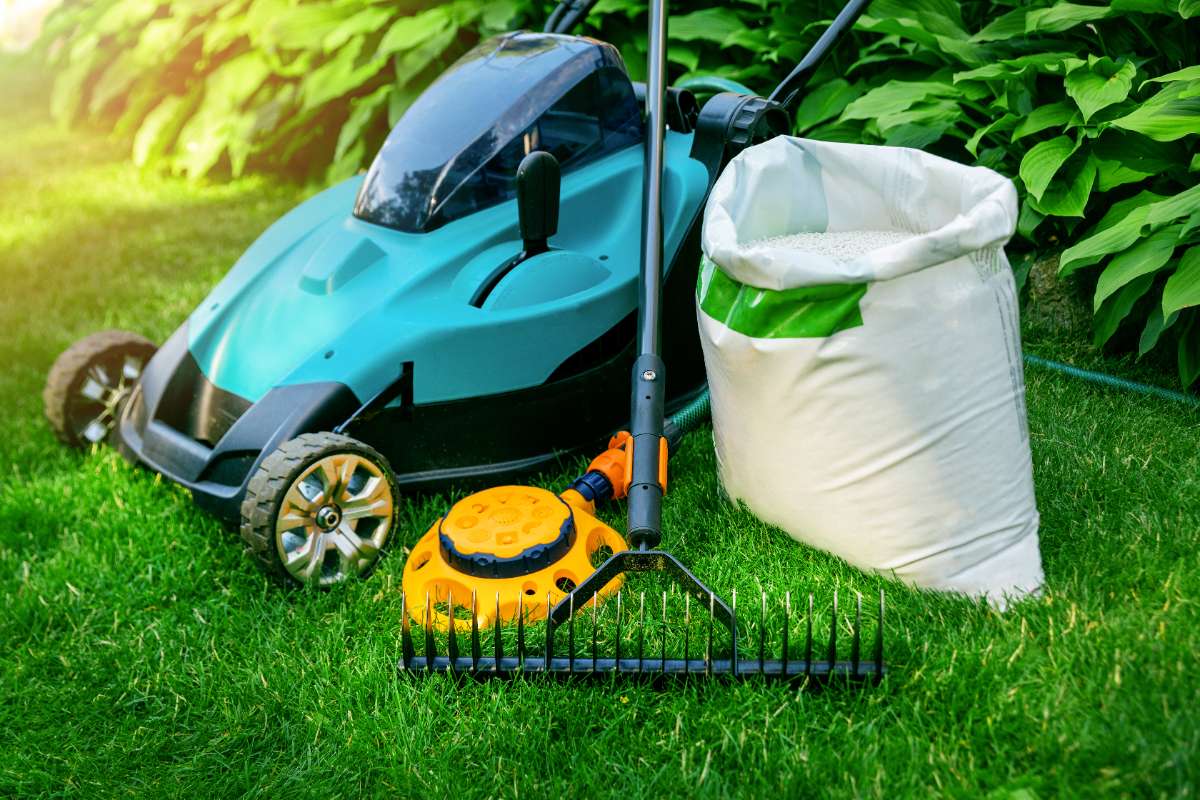
A well-planned seasonal lawn care schedule keeps your grass vibrant year-round. Whether you’re growing cool-season or warm-season grass, timing tasks correctly makes the difference between a lush, green lawn and a patchy, struggling yard.
Following a month-by-month schedule keeps you on track for mowing, fertilizing, aerating, and treating your lawn at the optimal times for your grass type and climate.
If you’d rather spend your time enjoying your lawn instead of caring for it, let LawnStarter take these chores off your weekend to-do list. Contact us for a free mowing quote today to get started.
Monthly Lawn Care Tasks
While this calendar provides a solid general guideline, the timing of specific tasks can fluctuate by several weeks depending on your location. Always consult your local Cooperative Extension office for recommendations specific to your region.
| Month | Cool-Season Grasses | Warm-Season Grasses |
| January | Avoid foot traffic on frozen grass Don’t pile snow on grass Keep lawn clear of debris | Minimize foot traffic Keep free of debris Water if needed |
| February | Service equipment | Service equipment Water if needed |
| March | Begin mowing if needed Rake debris & snow mold Apply pre-emergent | Apply pre-emergent |
| April | Dethatch Core aerate Overseed Apply spring fertilizer Increase mowing frequency Treat weeds | Begin regular mowing Apply spring fertilizer |
| May | Regular mowing Water as needed | Regular mowing Increase watering Treat weeds Dethatch Core aerate Overseed |
| June | Raise mowing height Water deeply Monitor for pests | Regular mowing Water deeply Fertilize |
| July | Mow higher Water deeply Treat for grubs and chinch bugs | Regular mowing Maintain watering schedule Treat pests |
| August | Mow higher Water deeply Monitor for diseases | Regular mowing Continue watering Monitor for diseases |
| September | Resume normal mowing height Apply fall fertilizer and lime Core aerate Overseed Apply pre-emergent | Regular mowing Apply fertilizer |
| October | Regular mowing Rake leaves Treat weeds | Overseed with cool-season grasses Reduce mowing Reduce watering |
| November | Final mowing Apply winterizer fertilizer Winterize sprinkler system Clean up leaves | Final mowing Winterize sprinkler system Clean up leaves |
| December | Keep lawn clear of debris Avoid foot traffic on frozen grass Don’t pile snow on grass | Minimize foot traffic Keep free of debris Water if needed |
How Grass Type Affects Your Lawn Care Schedule
Before diving into monthly tasks, it’s essential to identify whether you have cool-season or warm-season grass, as this determines when your lawn is actively growing and when it needs the most attention.

Cool-season grasses like Kentucky bluegrass, tall fescue, and perennial ryegrass thrive in temperatures between 60 and 75 degrees F. Typically found in northern climates, spring and fall are their peak growing seasons. During hot summer months, these grasses slow down significantly and may even go dormant to conserve energy.
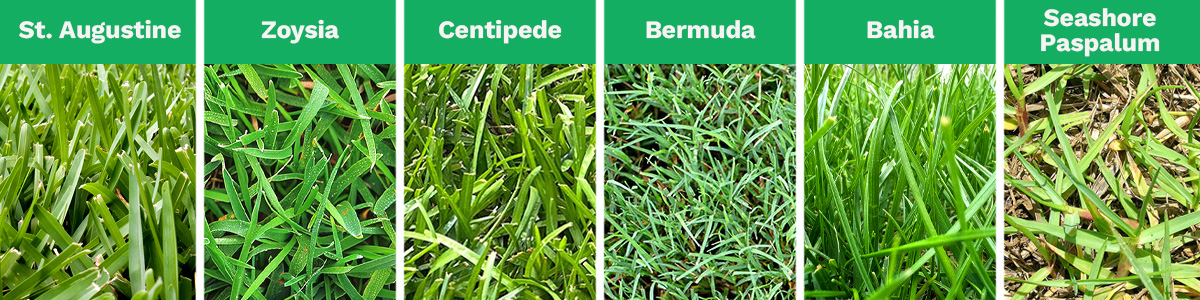
Warm-season grasses such as Bermuda, St. Augustine, and Zoysia prefer temperatures between 80 and 95 degrees F and hit their growth stride during summer. These grasses are typically found in southern states. They go dormant and turn brown when temperatures drop below 50-55 degrees F in fall.
These different growth patterns mean your grass type dictates when to fertilize, overseed, aerate, and tackle other major lawn care tasks. Knowing your grass type ensures you’re working with your lawn’s natural rhythms rather than against them.
Spring Lawn Care: March, April, May
For cool-season grasses, spring is one of their two peak growing seasons.
- March is the time to rake away winter debris and snow mold, assess damage, and prepare for active growth.
- The best time to apply a pre-emergent herbicide is when soil temperatures reach 50 to 55 degrees F, to prevent crabgrass and other annual weeds from sprouting. Begin mowing when the grass is 3 to 4 inches tall, following the one-third rule.
- Mid-April is ideal for the first fertilizer application, as your grass is actively growing and can use nutrients.
- Spot-treat weeds with a post-emergent herbicide as they emerge.
- While fall is best, you can also core aerate and dethatch your lawn, and overseed thin or bare patches.
- In May, continue with regular mowing (at the best mowing height for your species), watering as needed, and aerate if you didn’t hit the April window.
Warm-season grasses remain dormant through early spring, slowly greening up as the thermometer climbs upwards of 65 degrees F.
- Late March or April is the perfect time to apply a pre-emergent herbicide.
- As April progresses, your lawn is growing vigorously enough to need its first fertilizer application, regular mowing, and increased watering as temperatures rise.
- Once soil temperatures reach 65 degrees F, you can dethatch and core aerate. It’s also a perfect time to put down grass seed to repair any thin or bare spots.
| Hire a LawnStarter pro to fertilize your grass at the right time. With 39,500+ jobs done last year, our pros charge an average of $103 per lawn treatment with a 4.4-star rating. |
Summer Lawn Care: June, July, August
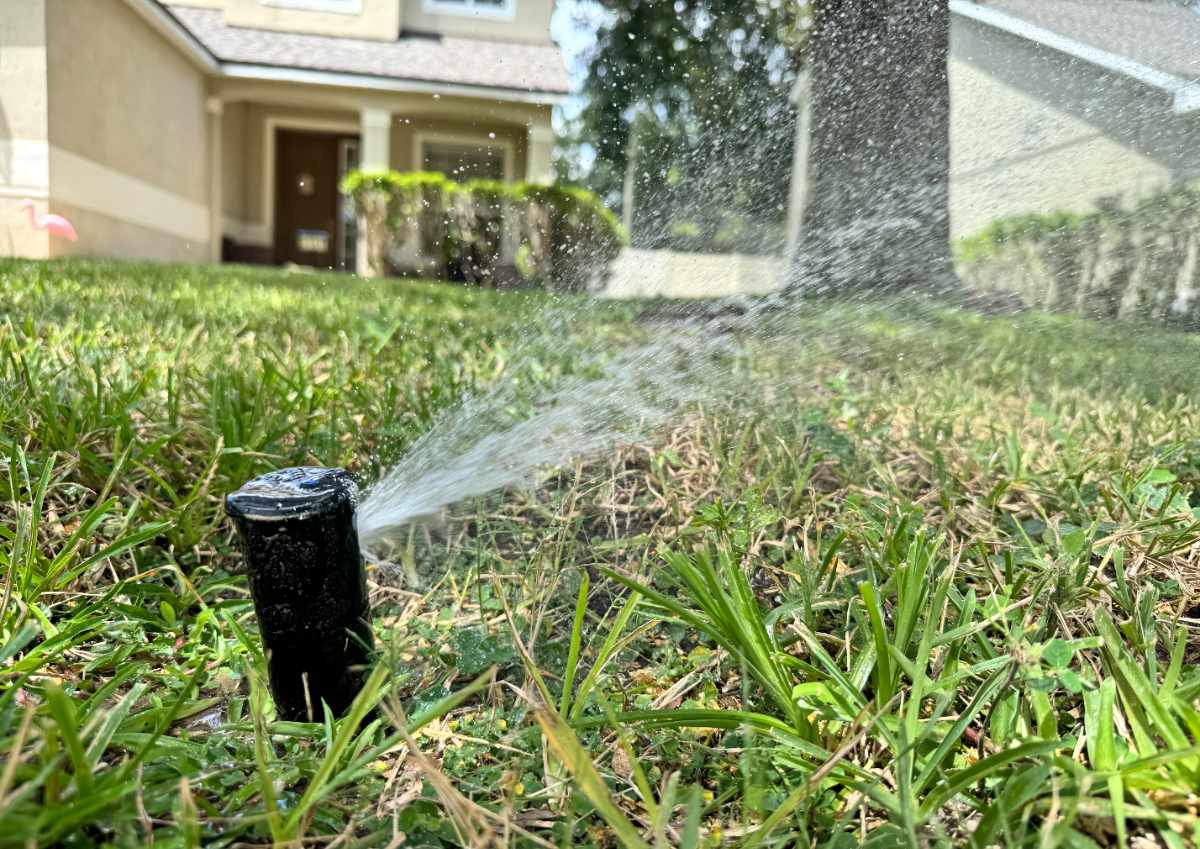
Cool-season lawns struggle with the heat and often go semi-dormant. They need a defensive strategy during the summer rather than support for active growth.
- Raise your mower height by at least a half inch. Letting the blades grow a little longer helps to shade the roots and retain soil moisture.
- Water your summer lawn deeply, but infrequently. Aim for 1 to 1.5 inches per week in one or two sessions.
- Hold off on fertilization, as excess nitrogen can burn your lawn.
- Monitor for signs of grubs and chinch bugs and treat as necessary.
Warm-season grasses thrive in hot conditions and require peak maintenance.
- Mow once or twice per week during June and July.
- In June, apply a nitrogen-rich fertilizer monthly or use a slow-release fertilizer.
- Water consistently, providing 1 to 1.5 inches per week.
- Core aerate in July or August, as your lawn will recover quickly in the heat.
- Watch for common lawn diseases triggered by the heat and humidity, and treat promptly with appropriate fungicides.
| Don’t have time to handle mowing on your own? Hire a LawnStarter pro to take care of it for you, with typical mowing services costing around $48 per visit. |
Fall Lawn Care: September, October, November
Cool-season grasses are undergoing their second growth surge of the season as lower temperatures and increased moisture create ideal growing conditions. The grass is also preparing for winter dormancy.
- Continue regular mowing through October, gradually lowering your blade back to the recommended height.
- September is the best month for core aerating and overseeding. The soil is still warm enough for germination, but cooler air temperatures and increased rainfall help keep the soil moist.
- When soil temperatures drop below 70 degrees F, apply a pre-emergent herbicide to treat common winter weeds before they sprout.
- 6 to 8 weeks before the first frost (when soil temperatures are below 65 degrees F), apply a fall fertilizer with a higher nitrogen content.
- Use a soil test kit to check soil pH and nutrient levels. Apply lime if needed.
- Spot treat any remaining weeds, as herbicides work well when weeds are actively transferring resources to their roots for winter.
- Apply a winterizer fertilizer with higher potassium in October (2 to 3 weeks before the ground freezes) to strengthen grass for cold weather.
- In late October or November, mow the final time. Paul Koch, at the University of Wisconsin-Madison, says it isn’t necessary to cut your grass shorter than normal before fall. There isn’t evidence that a shorter mowing reduces snow mold, and cutting the grass too short causes problems in the spring: It “will (make it) look thinner with more bare soil present, which is vulnerable to weed development.”
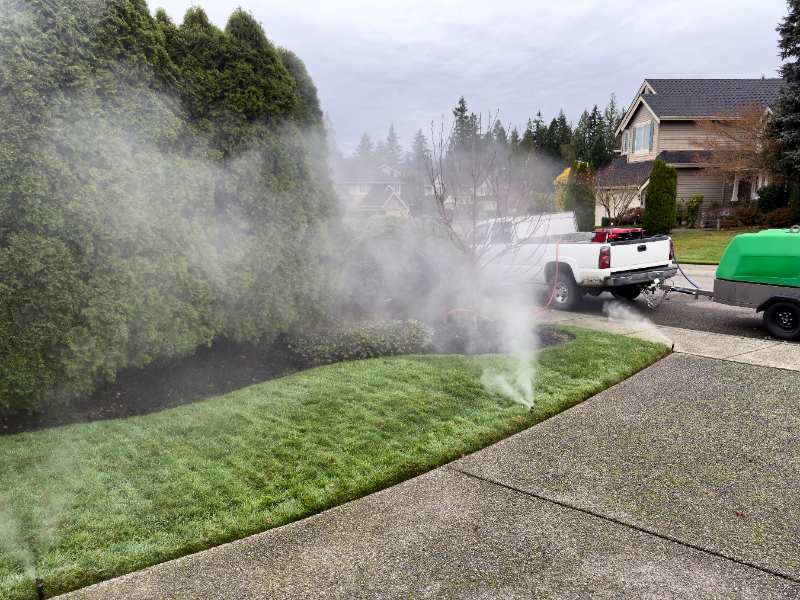
- Winterize your sprinkler system and clean up fallen leaves.
Warm-season grasses begin slowing down as temperatures drop.
- In September, reduce fertilization. The last application should be 6 to 8 weeks before your first expected frost when soil temperatures are 65 to 75 degrees F.
- Use a soil test kit to check nitrogen, potassium, phosphorus, and soil pH. Apply lime if needed.
- In October, overseed with a cool-season species like ryegrass for winter color.
- Continue mowing as needed through October, but less frequently.
- Come November, mow for the last time, winterize your sprinkler system, and clear leaves and debris from the lawn.
Winter Lawn Care: December, January, February
Cool-season grasses go dormant, and growth slows, but they’re still alive beneath the soil surface. Your primary job is protection.
- Keep lawns clear of leaves and debris that can cause dead patches.
- Avoid walking on frozen grass to prevent damage to the blades or soil compaction.
- Try not to pile snow from the driveway or sidewalk onto your lawn to prevent salt damage and soil compaction.
- Service your lawn care equipment if you didn’t already.
Warm-season grasses are fully dormant and have likely gone brown for the winter. They require minimal maintenance.
- Minimize foot traffic to prevent crown damage.
- Keep the lawn free of debris, leaves, and branches.
- Water once or twice a month, if needed, when temperatures are above 40 degrees F.
- Maintain lawn care equipment if you haven’t already.
FAQ About Month-by-Month Lawn Care
Missing occasional tasks won’t ruin your lawn, but some windows are more critical than others.
• Pre-emergent herbicide applications are time-sensitive — apply too late and weeds will already be germinating.
• Fall overseeding for cool-season grasses also has a narrow optimal window.
• Tasks like fertilization or aeration can often be shifted by a few weeks without major consequences.
If you miss a critical task, focus on damage control and mark your calendar for next year rather than trying to catch up at the wrong time, which can further stress your lawn.
No, your lawn’s nutrient needs change with the seasons. Using a season-appropriate fertilizer ensures your grass gets the proper nutrients at the right time without causing burn or excessive growth.
• Spring fertilizers typically have higher nitrogen content to promote leaf growth during the peak growing season.
• Summer fertilizers for warm-season grasses maintain that higher nitrogen, while cool-season grasses often need little to no summer fertilization.
• Fall fertilizers for cool-season grasses emphasize phosphorus for root development and nutrient storage.
• Winter or “winterizer” fertilizers have higher potassium content to strengthen grass against cold stress and disease.
Keeping Up with Your Lawn’s Needs
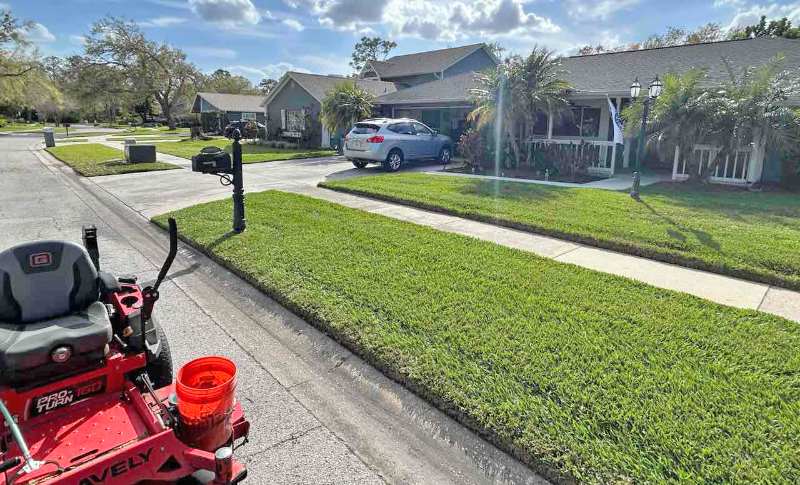
Following a consistent month-by-month lawn care schedule takes time, knowledge, and dedication. Between work, family, and other commitments, keeping up with mowing, fertilizing, aerating, and seasonal treatments can feel overwhelming. Missing key windows for tasks like pre-emergent application or fall overseeding can set your lawn back for months.
That’s where LawnStarter comes in. Our network of trusted local lawn care professionals knows exactly what your grass needs and when. Whether you need full-season maintenance or help with specific tasks like aeration or fertilization, LawnStarter connects you with experienced pros in your area who understand your climate and grass type.
Sources
Paul Koch, professor and chair, Department of Plant Pathology at the University of Wisconsin-Madison. Personal interview.
Main Image: Lawn care equipment for seasonal care. Image Credit: ronstik / Adobe Stock
