| Key Takeaways |
|---|
| • Wait until new grass reaches about 3 to 4 inches tall before the first mow; seeded lawns usually take 4 to 6 weeks, while sod is often ready in 2 to 3 weeks. • Never cut more than one-third of the grass blade at once, keep the mower blade sharp, and mow only when the grass is dry. • Confirm the roots have anchored with a gentle tug test, then water and monitor your lawn after that first cut. |
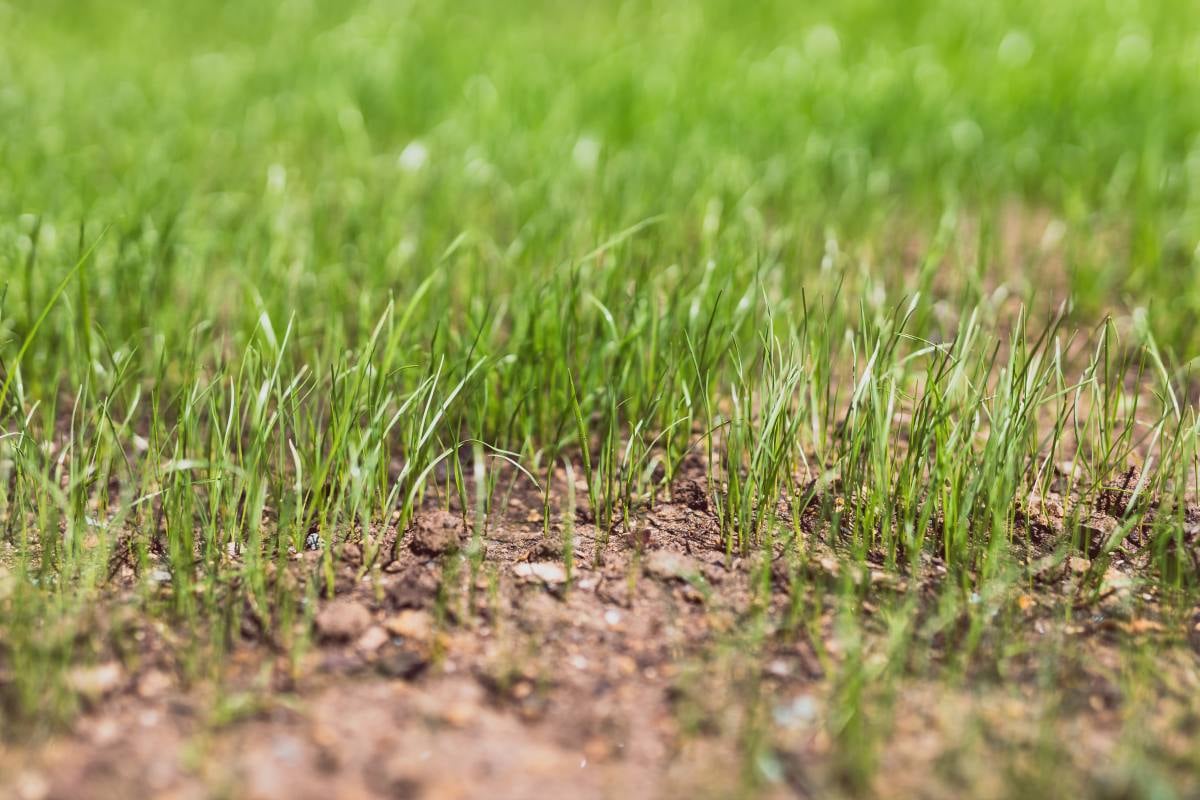
Knowing how and when to cut new grass is the secret to a lush, resilient lawn. Get the timing right and you protect tender young shoots while setting up healthy long-term growth.
Whether you started from seed or laid fresh sod, that first mow matters. This guide covers when to make the first cut, how to tell your lawn is ready, how to mow it safely, and what to do afterward.
If you would rather leave that first cut to someone else, LawnStarter’s lawn mowing service connects you with vetted local pros.
When Is the Right Time to Mow Your New Grass?
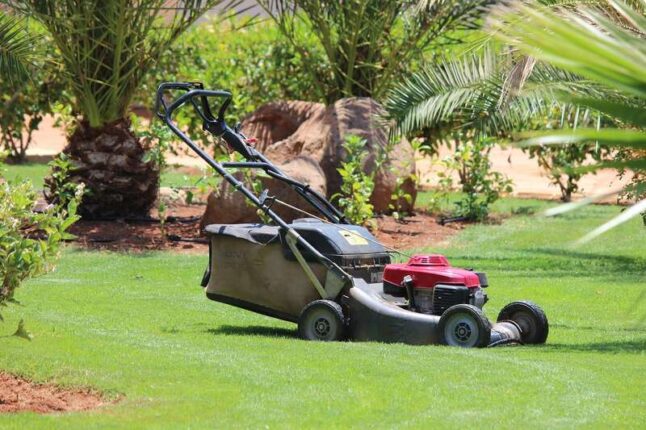
Most new grass is ready for its first mow once it reaches about 3 to 4 inches tall, which is roughly 4 to 6 weeks for seeded lawns and 2 to 3 weeks for sod. Mowing too soon risks damaging young, tender shoots before they establish strong roots.
The exact timing varies depending on whether you started from seed or laid sod. Let’s break it down.
When to Mow a New Seeded Lawn
Plan on about 4 to 6 weeks after planting the seed, but longer when conditions are cool or growth is slow. These little seeds need time to wake up, stretch out, and grow into tall, strong grass.
Germination alone can take several days to a few weeks, and the exact germination time depends on your grass type, the weather, and the soil temperature.
By then, your grass should be about 3 to 4 inches tall, a common first mow height, indicating it is ready for its first trim.
Reed Santee, vice president at Central Home Supply in Scotts Valley, California, considers 3 inches tall a bit too soon. “At 3 inches of grass height, the roots are still shallow. A heavy mower pass can pull seedlings right out of loose soil,” he says.
But do not let your grass grow too long before that first mow. While it is important to give it enough time to establish, you also want to follow the one-third rule: Never cut more than one-third of the grass blade’s height in a single mow. Cutting too much at once can stress the grass and harm your new lawn.
When to Mow a New Sod Lawn
If you went the sod route, you are already a step ahead with a green lawn. But it still needs its first trim at the right time, usually about 2 to 3 weeks after you laid down the sod. This timing can shift depending on the weather, your grass type, its height, and how well the sod is settling in.
“I’ve seen customers come back frustrated because they scalped young grass by mowing before the roots were anchored,” Santee says.
A quick way to check if your sod is ready is to give it a gentle pull. If it stays put and does not lift easily, the roots have anchored into soil and you are good to go. Just make sure the grass is dry and set your mower on a higher setting to keep the grass stress-free.
How to Tell if New Grass Is Ready to Mow
Timing is a guideline, but your grass tells you when it is truly ready. Before that first cut, run through a few quick checks so you do not disturb tender roots.
Height: The grass has reached the high end of its recommended range, usually about 3 to 4 inches tall, or slightly above your normal mowing height.
Firm soil: The ground feels solid underfoot, not soft or spongy.
Dry blades: The grass is dry, so it cuts cleanly instead of tearing.
Tug test: A gentle pull does not lift the turf, which means the roots have anchored.
If any check fails, give your lawn a few more days and test again before mowing.
How to Mow New Grass
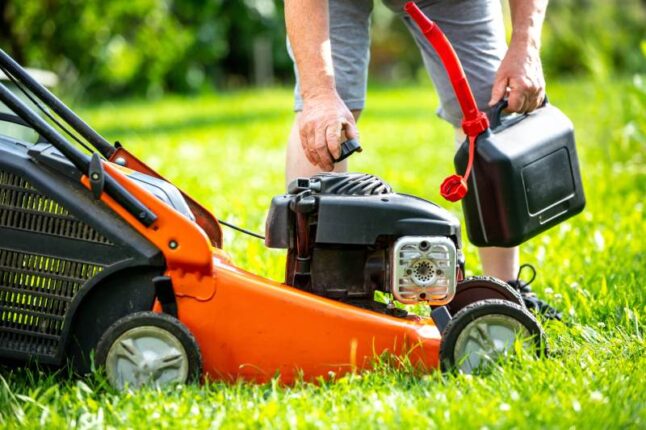
1. Check Your Lawn Mower’s Condition
Make sure the mower blades are sharp (here is a helpful guide on how to sharpen mower blades). Dull blades tear the grass instead of cutting it cleanly, which stresses and damages your young grass.
Chuck Vogt, owner of Metro Lawns in Atlanta, Georgia, tells homeowners to “make sure your mower blades are sharp” so each pass gives a clean cut instead of a ragged tear.
It is also important to give your mower a good cleaning. Grass clippings and mud stuck to the mower can spread disease and make the mower work harder than it needs to. Plus, a clean mower just works better.
2. Raise the Mowing Height
Raise the mowing height to avoid shocking young grass by cutting it too short. You want to trim it, not give it a buzz cut.
Let the lawn grow to the high end of its recommended range (or even slightly higher) before the first cut, making sure you remove only one-third of the blade length for optimal growth.
New lawns do best cut to a moderate mowing height rather than scalped short. To find the right height for your grass type, refer to the table below:
| Grass Type | Suggested Height (Inches) | Mow at This Height (Inches) |
| Tall fescue | 2 to 4 | 2.5 to 5.25 |
| Perennial ryegrass | 2 to 3 | 2.5 to 4 |
| Kentucky bluegrass | 2 to 3 | 2.5 to 4 |
| Fine fescue | 1.5 to 3 | 2 to 4 |
| Bahiagrass | 3 to 4 | 4 to 5.25 |
| Bermudagrass | 1 to 2 | 1.25 to 2.5 |
| Buffalograss | 2 to 4 | 2.5 to 5.25 |
| Carpetgrass | 1 to 2 | 1.25 to 2.5 |
| Centipedegrass | 1.5 to 2 | 2 to 2.5 |
| St. Augustinegrass | 2.5 to 4 | 3.25 to 5.25 |
| Zoysiagrass | 1 to 2.5 | 1.25 to 3.25 |
3. Check the Lawn’s Moisture
Mow when the grass is dry. Wet grass can clump and cut unevenly. Plus, it is easier to mow and better for your mower.
4. Plan Your Pattern
Learn how to mow a lawn the right way by considering your mowing pattern. Try not to mow in the same direction every time. Changing your pattern helps the grass grow more upright and prevents ruts in your lawn.
5. Take Your Time
Do not rush the mow. Especially for the first cut, take it slow to avoid pulling up any young grass that has not fully rooted yet.
6. Mow Again
A few days after the first mow, go over your lawn again to trim it down to its ideal height. This gradual approach helps your lawn adjust without causing shock or stress.
See Related:
What to Do After Mowing Your New Lawn

Congratulations, you just gave your new lawn its first cut. But the care does not stop here. After mowing, a few key steps help your lawn recover and thrive.
1. Water Your Lawn
After mowing, give your lawn a good drink. Watering helps the grass recover from the stress of being cut and encourages deep root growth. The best time to water is early morning to reduce evaporation. This is especially important if the weather has been hot or dry.
2. Consider Leaving the Grass Clippings
If your mower has a mulching option, consider leaving the grass clippings on the lawn. These clippings act as a natural fertilizer, returning essential nutrients to the soil. It is like giving your lawn a health boost with every mow, and it saves you cleanup time.
To learn more about the benefits of composting grass clippings, explore our guide: Reasons to Use Grass Clippings as Mulch.
3. Monitor Your Lawn’s Health
After the first mow, keep an eye on your lawn’s health. Look for signs of stress, such as yellowing leaves or patches where the grass is not growing vigorously. These could mean your lawn needs a bit more TLC, whether that is more water, less foot traffic, or a nutrient boost.
4. Plan Your Next Mow
Do not wait too long for the next mow. Regular mowing encourages your grass to grow thick and lush, but remember the rule of thumb: Never cut more than one-third of the grass blade’s height at a time. Planning your mows around how quickly your lawn grows helps maintain its health and appearance.
5. Check for Weeds
After mowing, it is a good time to check for any weeds trying to take hold in your lawn. Early detection and controlling weeds can prevent them from spreading and competing with your grass for nutrients and water.
FAQs
It is best to wait until your new grass is strong enough to withstand a bit of foot traffic before walking on it. Typically, this means waiting until it has been mowed at least once. Walking on it too soon can compact the soil and damage tender young shoots, undoing the growth you have worked for.
Yellowing after mowing usually comes down to cutting the grass too short or using a dull blade that tears rather than slices the grass. To fix it, sharpen your mower blade and make sure you are not removing more than one-third of the grass blade’s height in a single pass.
If you fertilized when you planted the seed, wait until after the first few mows before reapplying. If you did not fertilize at planting, still wait until after the first mow, since early application can burn tender young grass. Focus first on proper watering and mowing, then start a regimen suited to your grass type.
Hire a Pro to Cut the New Grass
Navigating the early days of lawn care can be tricky, but with the right approach, your new grass can grow into a lush, healthy lawn. Patience and proper mowing practices are the keys to nurturing young grass.
If you are unsure about when to mow, how to prepare, or how to care for your lawn afterward, LawnStarter is here to help. Connect with local mowing pros who can handle the first mow and give your lawn the best possible start.
Read More:
Main Image: Close-up of new grass growing on lawn. Photo Credit: faithie / Adobe Stock
Related Posts: