| Key Takeaways |
|---|
| • Most turf experts recommend mowing at your normal height until the grass stops growing. • Cutting low on the last mow can help prevent pests and diseases, but it also reduces root depth. • If you do mow low, be careful not to scalp your lawn. |
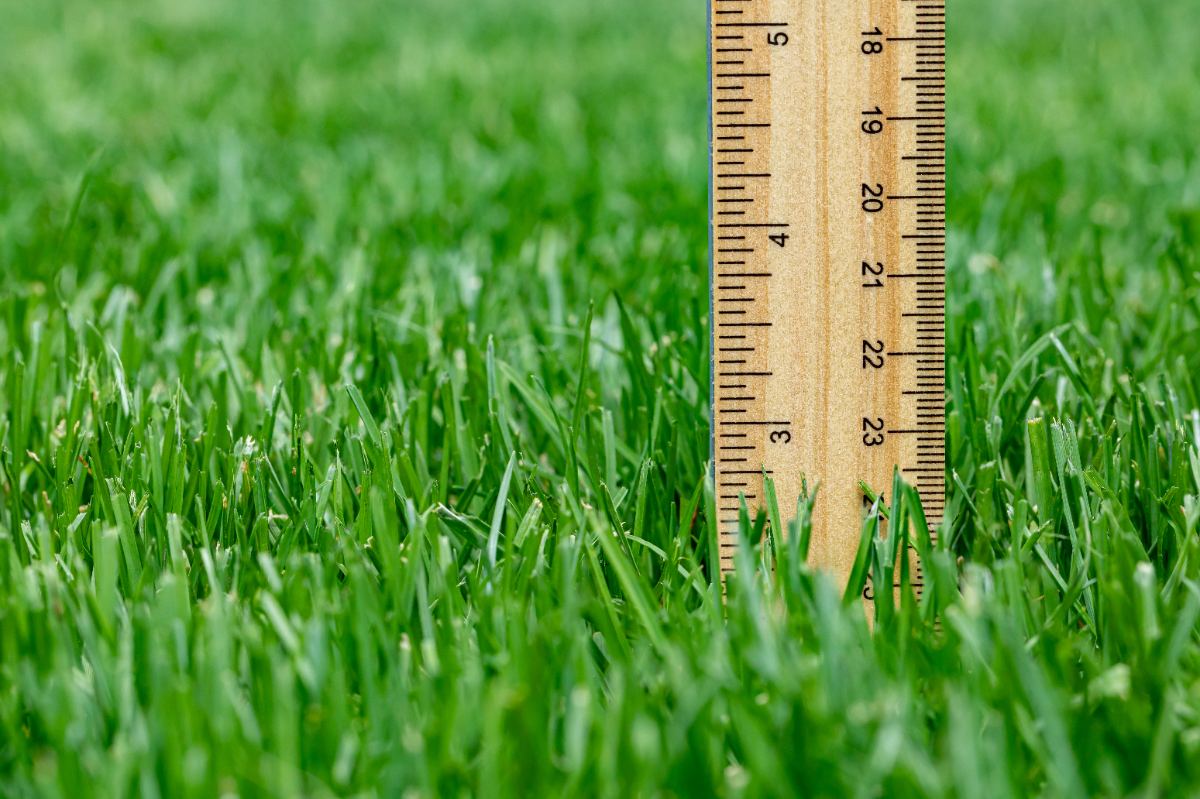
There has long been a debate on the best height to cut the grass for the last mow of the season before winter. Some experts say it should be cut lower than normal, but most say it should stay at the same height.
The answer depends on your grass type, your climate, and your priorities.
Read on to learn what the research says and how to make the right call for your lawn. If you want to skip the debate, LawnStarter’s lawn mowing service can handle the final cut for you.
Why Some Say Yes: Cut Low Before Winter

Should you mow low for the last mow of the season? Unfortunately, there’s no universal agreement. While many Extension experts recommend sticking with your normal mowing height, some turf professionals argue that a shorter cut offers a few wintertime advantages.
Supporters of a lower final mow typically point to these benefits:
Prevents grass from matting down: Shorter grass is less likely to flatten under snow, which can leave the lawn looking uneven in spring.
Helps prevent snow mold: This fungus develops under the cover of snow on long, wet grass.
Less growth to push aside: New spring grass emerges more easily without a thick mat of old blades.
Discourages meadow mice: These furry pests, also called voles, leave tunnels you will not find until the snow melts.
Creates a tidier appearance: “A lawn just looks neater if it has that close cut before the snow settles down,” writes New York Times gardening columnist Joan Lee Faust.
Allows more sunlight to reach the soil: Warmer soil temps mean an earlier green-up in spring.
Reduces thatch buildup: Cutting lower before winter may help reduce the amount of dead plant material left on the lawn.
Those making the argument recommend these guidelines:
Cut the lawn by half instead of following the one-third rule. So instead of going from 4 inches to 2.5, go from 4 inches tall to 2 inches.
Don’t scalp the lawn. Avoid cutting so low that patches of grass become stressed or die over the winter.
Mow until all the leaves have fallen from the trees.
Mow until the grass has stopped growing for the year.
See Related:
Why Some Say No: Keep Your Normal Height
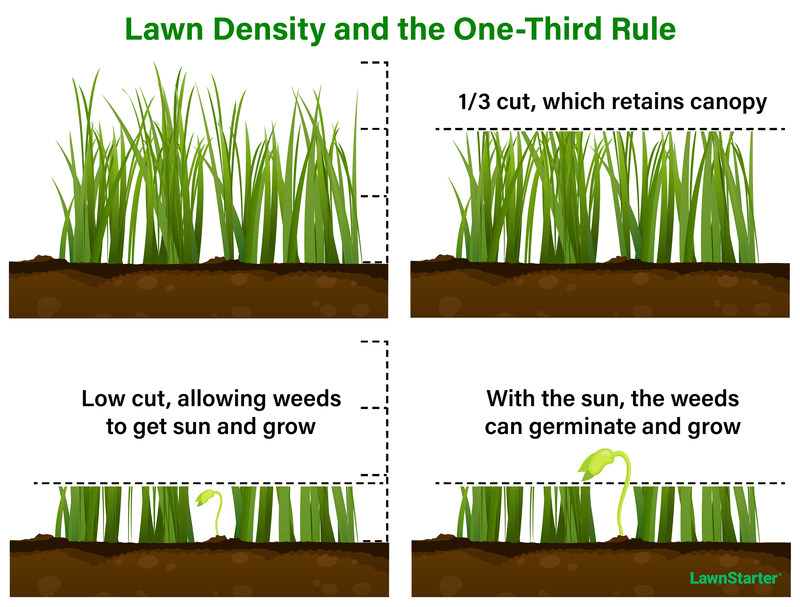
Setting your mowing height too low can damage your lawn, other experts say. Here is why they recommend keeping your normal height:
Root systems shrink: There is a direct relationship between grass height and root depth. Michigan State University turf research shows that lowering grass height directly reduces root depth. This limits the grass’s ability to pull in water and nutrients.
Mowing too close lets sunlight reach weed seeds: Weeds that would have been covered by the canopy get a chance to germinate.
Getting the height wrong is common: “[Clients] either want it too high or too low,” says Chelsea Morris, owner of High-Class Grass in Virginia Beach, Virginia.
Less photosynthesis: Low mowing reduces the area available for photosynthesis, which takes away from the vigor of the lawn.
Aesthetics: Some argue that lawns look much better when they are higher.
The One-Third Rule: Learn It
For most of the year, the one-third rule is sound advice. It says never remove more than one-third of your grass on any cutting.
This reduces the stress you place on the grass as it grows throughout the year. For example, if your grass is 4.5 inches tall, don’t cut it shorter than 3 inches in a single mowing.
When to Do Your Last Mow
Timing your last mow of the season is just as important as choosing the right height. The University of Minnesota Extension says homeowners should keep mowing grass at the proper height until it stops growing, which typically happens when soil temperatures consistently fall below 50 degrees.
Don’t have a soil thermometer? As a rule of thumb, soil temperatures are often about 10 degrees cooler than daytime air temperatures, so the forecast can give you a reasonable estimate of when grass growth is slowing down.
Cool-season grasses like Kentucky bluegrass, tall fescue, and perennial ryegrass usually slow their growth in late October or November. Warm-season grasses such as Bermudagrass and Zoysiagrass may stop growing earlier, depending on your region.
Watch your lawn’s growth patterns rather than relying on calendar dates. If your mower is still picking up clippings, the grass is still growing and needs to be mowed.
Mowing Heights by Type of Grass
Follow these proper mowing heights for healthy grass during spring, summer, and fall:
| Grass species | Recommended mow height (inches) | Mow when it reaches this height (inches) |
| Bahiagrass | 3 – 4 | 4.5 – 5 |
| Bermudagrass (seeded) | 1 – 2 | 1.5 – 3 |
| Buffalograss | 2 – 3 | 3 – 4.5 |
| Centipedegrass | 1 – 2 | 1.5 – 3 |
| Fine fescues | 2 – 4 | 3 – 5 |
| Hybrid Bermudagrass | 0.5 – 1.5 | 0.75 – 2.25 |
| Kentucky bluegrass | 2 – 4 | 3 – 5 |
| Perennial ryegrass | 1.5 – 3.5 | 2.25 – 5 |
| St. Augustinegrass | 3 – 4 | 4.5 – 5 |
| Tall fescue | 2 – 4 | 3 – 5 |
| Zoysiagrass | 1 – 2.5 | 1.5 – 3.75 |
See Related: Best Height to Cut Your Grass
Cool-Season Grasses
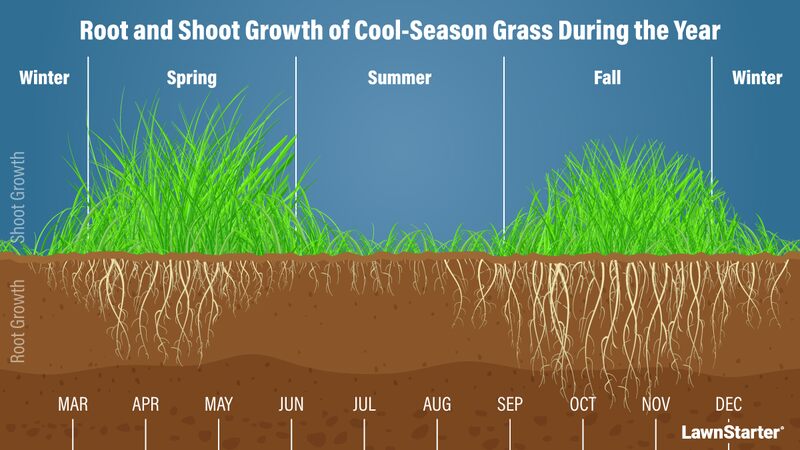

“With cool-season turf grasses like the bluegrasses, ryegrasses, and tall fescue, I recommend mowing at the same height that has been done through the summer and fall,” says Karl Danneberger, professor in the Department of Horticulture and Crop Science at The Ohio State University.
“The key thing is to keep mowing until you no longer are taking off clippings,” he says.
Warm-Season Grasses
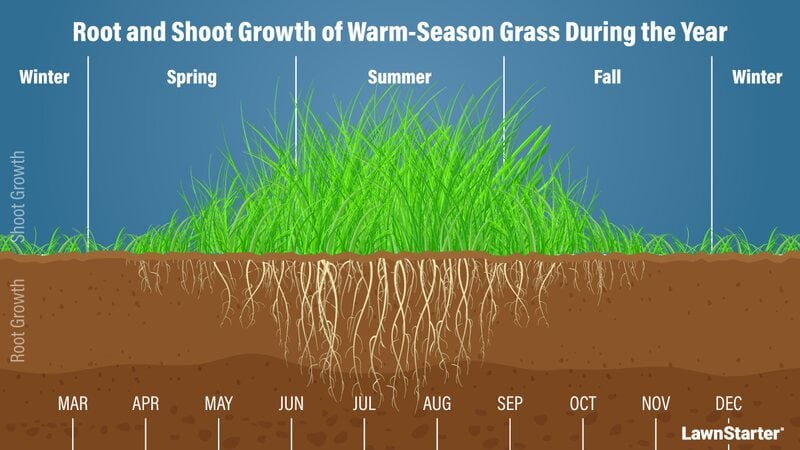
For warm-season grasses such as Zoysiagrass and Bermudagrass, the strategy may vary.
“On warm-season turfgrasses like Bermudagrass, I would begin to raise the mowing height up a little,” Danneberger says. “This would be especially important in the more northern region of its adaptation going into fall.
“A slightly higher height of cut will enhance the plant’s ability to tolerate winter injury a little better. Also, mowing short going into winter may inhibit fall photosynthetic activity.”
See Related: How to Repair Winter’s Damage to Your Lawn
How to Prepare for the Last Mow
Tired of all the minutiae? Keep this in mind: Good lawn care practices matter more than trying to get your grass height within a millimeter of some golf-course ideal.
That means:
Keep a mowing frequency that never lets the grass get too tall. You want to hit that balance between encouraging root growth (good) and encouraging weed heads to seed (bad).
Leave your grass clippings on the lawn as mulch. Mulching beats bagging because the cut grass blades return valuable nitrogen to the soil.
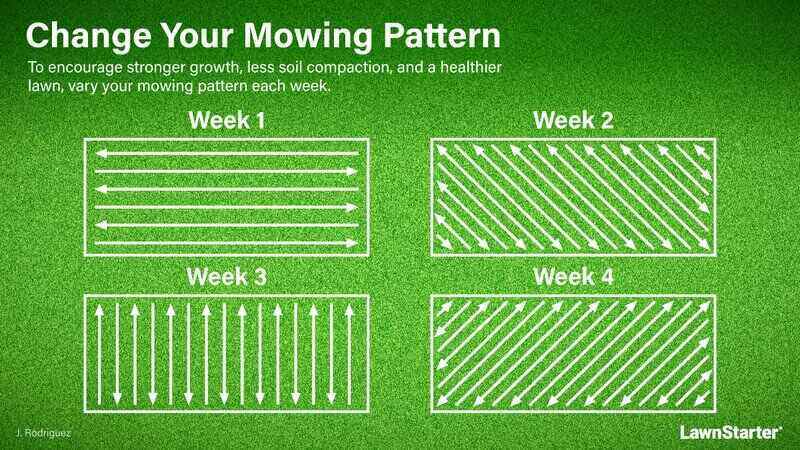
Vary your mowing pattern. Grass leans in the direction of the lawn mower, so it eventually becomes uneven. Mowing in a different direction also prevents ruts, especially with heavy riding mowers.
Sharpen lawn mower blades regularly. Dull blades damage lawn grasses, as they pull and shred rather than cut.
Water infrequently, but deeply to encourage a deep, vigorous root system.
Once the grass stops growing, winterize the lawn mower before turning your attention to the leaf blower or snowplow. Your lawn will thank you with spring green.
See Related:
FAQs
You should avoid mowing your lawn in winter because you could damage the dormant grass. If you must mow during winter, do so when the grass is dry and frost is not expected for at least 48 hours.
Yes, cutting wet grass can result in ragged edges prone to fungal infections, and roots can be pulled out, leaving bare spots.
Go Low? Yes or No?
There was a time when the standard advice was to cut your lawn short for winter. Now, the best advice from most turf experts is to cut it at the same height as always.
But it is your lawn, and you should make the decision. If you would rather have someone else handle the work, contact a local LawnStarter pro to make the final cut.
Main Image: Grass ruler showing lawn mowing height. Image Credit: JJ Gouin / Adobe Stock
Related Posts: