| Key Takeaways |
|---|
| • A conversation is the fastest fix: Many dog owners don't realize their pet is the culprit, so a polite, respectful chat often solves the problem for free. • It's illegal in most places: Most cities and HOAs enforce pet waste ordinances, with fines ranging from $25 to $1,000 for violations. • Explain the real risks when you talk to your neighbor: Mentioning health risks like parasites and diseases, plus grass damage, can help the conversation land without pointing fingers. |
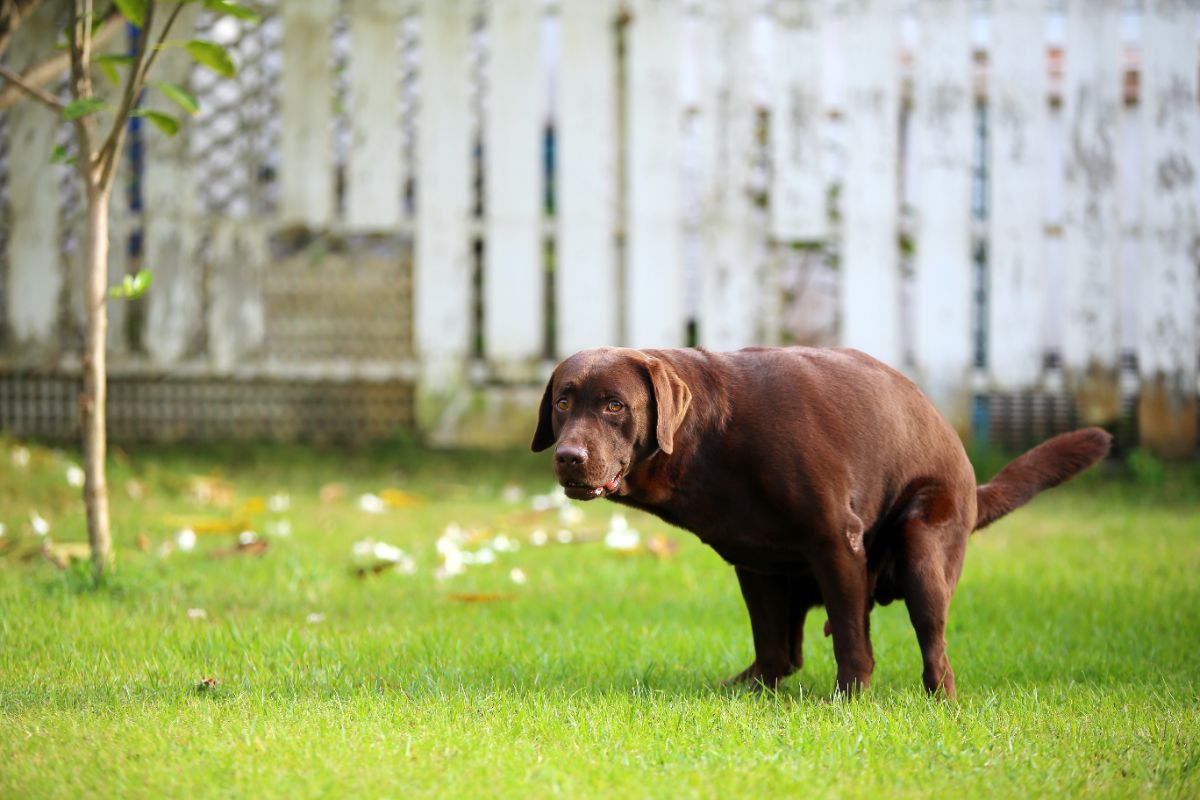
Your neighbor’s dog, Fido, has found a new favorite spot to do his business: your front lawn. This is not ideal for you, your grass, or your shoes.
Dealing with this issue can be frustrating and unpleasant, especially if you’re already trying to stay on top of lawn mowing. The key is knowing which deterrents work, how to approach your neighbor diplomatically, and when to escalate.
Between setting up deterrents and having awkward conversations with neighbors, keeping your yard poop-free takes effort. If the mess has already done damage to your lawn, LawnStarter’s local lawn cleanup pros can help get your grass back on track.
Is It Illegal for a Dog to Poop in Someone Else’s Yard?
Yes, in most areas, it is illegal for a dog owner to let their pet poop in your yard without cleaning it up. Most cities and homeowners associations (HOAs) enforce pet waste ordinances with real consequences: Owners can face fines ranging from $25 to $1,000 for violations.
Before taking action, check your local regulations using an online library like Municode to look up specific pet waste laws in your area. Understanding your local ordinances gives you a clear baseline of your rights and strengthens your position if you need to escalate.
8 Ways to Keep Dogs off Your Grass
Here are 8 ways to stop a neighbor’s dog from pooping in your yard, starting with the fastest and least expensive options:
| Method | Effectiveness | Estimated Cost |
| Talk to neighbor | High (if cooperative) | Free |
| Smell repellents | Medium | Under $5 for basic do-it-yourself (DIY) repellent ingredients |
| Motion sprinklers | High | $35–$100 |
| Keep yard clean | Medium | Free |
| Physical barriers | High | Varies: fence cost of $1,800 to $5,500 |
| Signs and cameras | Medium | Low (signs); see security costs for cameras |
| Poop bag dispenser | Low to Medium | $5 to $18 |
| Chemical deterrents | Medium to High | $10 to $30 |
Here‘s what to do when a neighbor’s dog poops in your yard:
1. Speak to Your Neighbor
Start with a conversation. It’s the fastest, free fix, and many owners genuinely don’t know their dog has been visiting your yard. Politely explain the problem and ask them to keep their dog off your lawn.
Many dog owners are fiercely loyal to their pets, so a respectful approach is crucial:
Arrange a chat: Set a time to talk. Without pointing fingers, express your concern about the dog feces in your yard.
Explain your concerns: Mention health risks like parasites and diseases, odor, and damage to your grass.
Offer possible solutions: If the dog keeps escaping, assist the owner in repairing the fence. Suggest dog-friendly landscaping with designated areas for the dog and provide poop bags for easy cleanup.
Encourage open communication: Seek a mutually beneficial solution. Avoid retaliation tactics, as these only make the problem worse.
If friendly communication fails, you can try natural and chemical solutions. As a final option, legal recourse can be pursued.
2. Repel With Smells
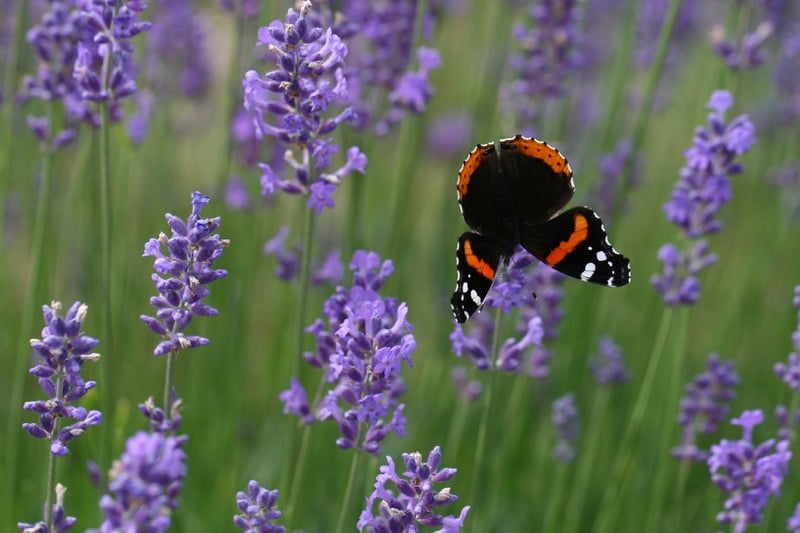
Dogs can be attracted to or repelled by certain smells. Using plants that repel dogs keeps your lawn beautiful and Fido away. Here are home remedies to keep dogs from pooping in your yard:
Plant lavender: Dogs dislike the smell of lavender and avoid crossing a row of lavender plants.
Scatter citrus rinds: Place citrus peels around the perimeter of your lawn. Dogs are not fond of the smell.
Vinegar spray: Mix equal parts white vinegar and water in a spray bottle. Vinegar can damage grass and plants with repeated spraying, so apply it sparingly along hardscape edges rather than directly on turf.
Baking soda spray: Mix 1 cup of baking soda with 1 gallon of water. Spray around the edges of your yard.
Citronella oil spray: Mix a few drops of citronella oil with water in a spray bottle and spray around the perimeter. It can help get rid of mosquitoes, too. Use sparingly and keep it away from areas your own pets frequently sniff or lick, since citronella oil can irritate skin or cause stomach upset if ingested directly.
3. Activate the Lawn Sprinklers
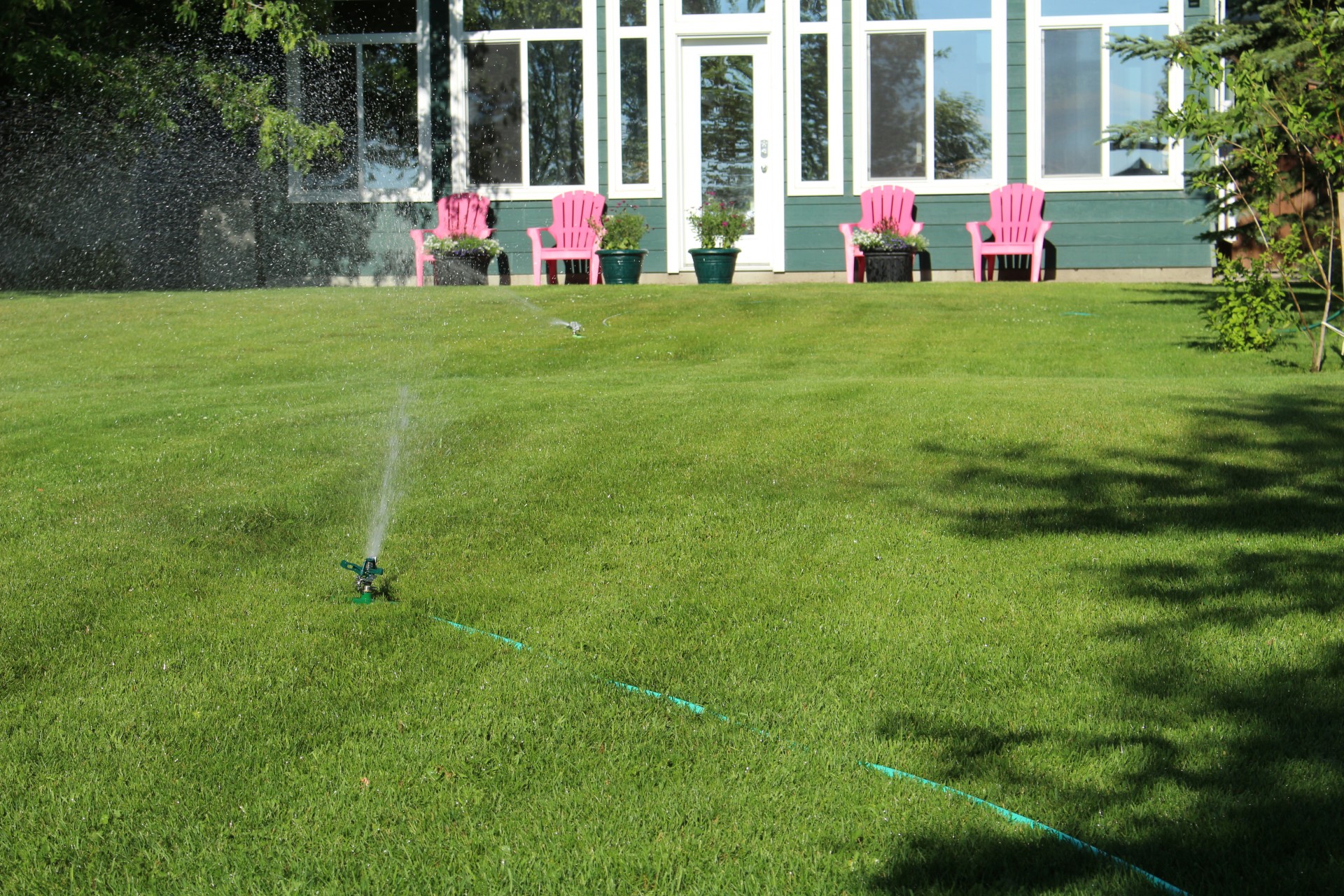
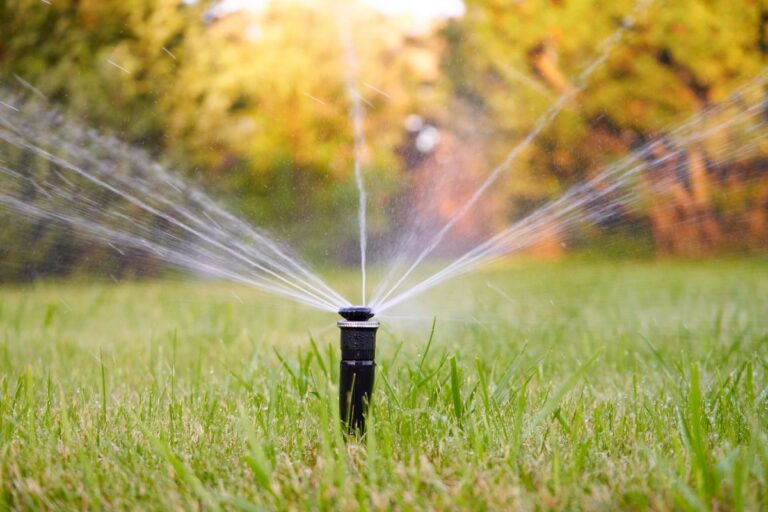
Among the many types of sprinklers, motion-activated models are one of the most effective deterrents. Most dogs dislike getting wet, and a sudden burst of water is humane and harmless.
Install motion-activated sprinklers: A standalone unit costs $35 to $100 with no plumbing required. It automatically triggers when it detects movement.
Adjust the spray range: Ensure the sprinklers cover the desired area to maximize effectiveness.
Set a timer: If you know when the dog usually visits, set the sprinklers to activate during those times.
Use sprinklers responsibly and avoid spraying water at people or other animals unintentionally.
4. Keep Your Yard Clean
Dogs are attracted to yards with leftover food or waste. Take these steps to reduce your yard’s appeal:
Remove food scraps: Keep your yard free from any food debris that might attract dogs.
Secure trash: Keep garbage cans and compost bins tightly closed. Even small food smells can attract dogs from neighboring yards.
Clear toys and balls: Remove objects that might attract dogs to your yard.
If you are dealing with stray dogs without identification tags, keeping a clean yard can help without requiring more drastic measures like calling animal control.
5. Create a Barrier
Physical barriers can keep dogs off lawns without causing harm. A decorative or split-rail fence is a lower-cost starting point. New fence installation averages between $1,800 and $5,500, depending on material and length.
Another option is to plant dense shrubs or privacy hedges along the perimeter to create a natural barrier. You can also lay a border of rough landscaping rocks or mulch, which dogs find uncomfortable to walk across.
6. Signs and Security Cameras
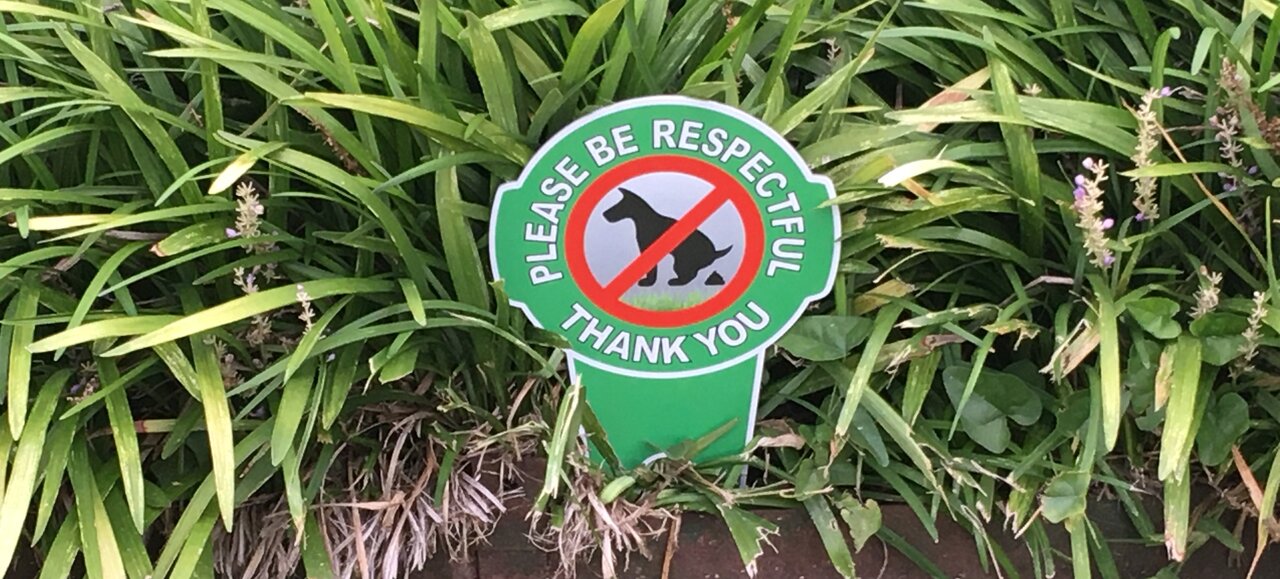
Putting up signs asking for dog waste to be cleaned up, or indicating no trespassing, can deter people from entering your yard with their dog.
Installing a security system with cameras can discourage repeat offenses and help identify the person responsible. The footage can also help file complaints with animal control or your HOA.
7. Set Up a Bag Dispenser
Consider setting up a plastic bag dispenser in your yard to encourage your neighbors to pick up after their pets.
Purchase a small plastic bag dispenser designed for pet waste.
Choose a visible location near the road or a commonly used area.
Install the dispenser securely to a post, fence, or wall.
Fill the dispenser with biodegradable pet waste bags.
Keep the dispenser stocked so neighbors can quickly grab a bag when needed.
8. Chemical Deterrents
Chemical deterrents create a negative scent or taste association for dogs, discouraging them from entering your yard. Most commercial options run $10 to $30 per bottle and are available at local garden centers, hardware stores, or online.
Look for products labeled specifically for dog repellent. Opt for a plant-based fertilizer instead of bone, blood, or meal fertilizer, which can attract dogs.
See Related: How to Keep Cats Out of Your Yard
What Not to Put on Your Lawn to Deter Dogs
Not all advice you find online is safe or effective. Do not attempt any of these methods:
Coffee grounds: Coffee is toxic to dogs and affects them like chocolate.
Hot peppers: Spicy substances like chili powder or cayenne peppers can cause serious illness in dogs.
Electric fencing: Expensive and raises safety concerns for people and animals. Local regulations may restrict its use.
Ammonia or mothballs: Harmful if ingested and can damage a dog’s throat and stomach. Mothballs contain toxic chemicals.
Is Dog Poop in Your Yard a Health Hazard?
Removing dog feces from your yard is essential for maintaining a clean environment and preventing disease spread.
| Danger Type | Risk |
| Health hazards | Parasites, bacteria, viruses |
| Environmental impact | Water pollution, ecosystem damage |
| Lawn damage | Brown spots, soil imbalance |
Hygiene and health: Dog feces can contain harmful bacteria, parasites, and viruses. According to Teatown, dog waste has been classified as a non-point source pollutant since 1991, the same category as herbicides and toxic chemicals.
Environmental impact: Teatown reports that 20% to 30% of bacteria in urban watersheds comes from dog feces. According to Philadelphia Water, just 2 to 3 days’ worth of droppings from 100 dogs can contain enough bacteria, nitrogen, and phosphorus to temporarily close a waterway to swimming and shellfishing.
Lawn damage: The high nitrogen content in dog urine can cause dog urine spots that burn and discolor your grass. Excess nutrients from waste can also disrupt your soil’s natural balance.
Preventing spread of parasites: Dog feces can contain parasites such as roundworms, hookworms, and Giardia (found in 15.6% of dogs tested nationwide). According to Teatown, these can survive in soil for up to 4 years, making prompt cleanup critical, especially where children play.
See Related: Why Does Dog Pee Kill Grass (and How to Fix Your Lawn)
What to Do If the Dog Keeps Coming Back
If deterrents fail, follow this escalation path in order:
Document dates, times, and photo evidence
Send a certified letter to your neighbor
File a complaint with animal control
How to Collect Evidence
Before taking formal action, start documenting incidents. Write down dates and times the dog enters your yard. Save photos or security camera footage showing the dog leaving waste on your property. Keeping a written record strengthens your case if you need to escalate to local authorities or your HOA.
How to Report to Animal Control or Local Authorities
If the problem persists or your neighbor is aggressive, mail a certified letter (keeping a copy) asking your neighbors to stop allowing their dog to defecate in your yard.
Municode has an online library to look up laws in your area. Depending on the local ordinance, your neighbor may be fined. If other measures have been ineffective, report the issue to Animal Control.
FAQs
Ultrasonic devices can help deter some dogs, but results vary by dog and placement. If you try one, position it where the dog enters your yard and keep it aimed at that path. Combine it with barriers or sprinklers for better results.
Dog waste can take weeks to months to break down, depending on temperature, moisture, and sun exposure. While it decomposes, it can spread bacteria and parasites into soil and runoff. For safety, pick it up promptly and dispose of it in the trash.
A dog whistle is unlikely to be a reliable yard deterrent. Dogs may ignore it, and frequent use can bother other pets nearby. For consistent results, use physical barriers, motion-activated sprinklers, and smell-based repellents instead.
Most jurisdictions hold homeowners liable if a deterrent (chemical, electric, or otherwise) injures a dog on your property, even if the dog trespassed, unless you can prove reasonable, humane use. This is why we recommend humane options over ammonia, mothballs, or electric fencing.
Fix the Damage and Take Your Yard Back
Dealing with a trespassing dog is a massive headache. High-nitrogen dog waste burns your grass, disrupts your soil chemistry, and leaves ugly brown spots across your property.
Consult a lawn care professional instead. They can assess the damage and develop a plan to restore your lawn. Services may include overseeding, fertilizing, and aerating, all of which are essential for promoting healthy grass.
Main Image: A chocolate Labrador retriever does its business on a backyard lawn. Photo Credit: Wasitt / Adobe Stock
Related Posts: