| Key Takeaways |
|---|
| • The best time to overseed tall fescue is late August through mid-October, when soil temperatures are between 68 and 77 degrees. • Core aeration before overseeding improves seed-to-soil contact, but you can skip it if your soil is not compacted. • Use 3 to 4 pounds of turf-type tall fescue seed per 1,000 square feet and keep the seedbed moist for at least 2 weeks. |
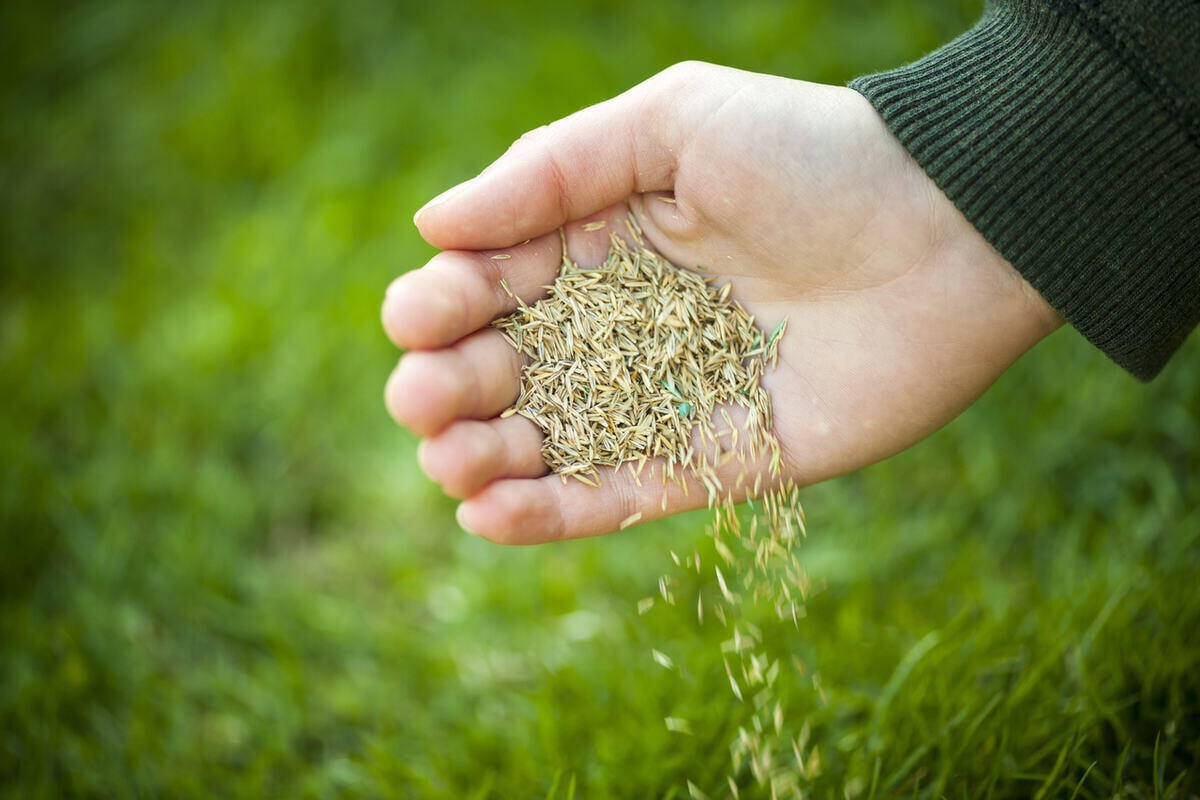
Summer can leave a cool-season lawn looking thin and worn. Overseeding with fescue in the fall is one of the best ways to restore thickness, fill bare spots, and prepare your yard for the seasons ahead.
Timing, seed selection, and proper preparation all play a role in getting strong results. This guide walks you through the full process so you can overseed fescue in fall with confidence.
If you would rather skip the DIY work, LawnStarter’s local aeration and overseeding pros can handle fall overseeding for you.
Why Overseed in the Fall With Fescue
Overseeding in fall is the best way to thicken a fescue lawn because cool-season grasses grow most actively in fall conditions. Spreading fresh seed over an existing lawn fills bare spots and improves density without starting over.
“It’s a rejuvenation of the lawn,” says Tom Good, horticulture assistant with the Kansas State University Extension office in Johnson County.
You do it after long, hot, dry summers have wreaked havoc on your grass. Adding fescue, which grows best in cool temperatures, breathes new life into a tired lawn.
Why won’t fescue repair itself? Tall fescue and fine fescues are bunch-type grasses. They do not have runners to produce new plants as warm-season grasses do. Bunch-type grasses must be overseeded to repair bare patches.
When to Overseed Fescue in Fall
The best time to overseed fescue in most regions is late August through mid-October, with the peak window in September. Soil temperatures should be above 60 degrees and air temperatures consistently between 68 and 77 degrees for optimal germination, according to Purdue University.
The exact window varies by region, so northern areas should finish by mid-October, while transition zone lawns (see map below) may seed through early October.
Tall fescue typically germinates in 7 to 14 days under ideal conditions. Plan your overseeding window so seedlings have at least 6 to 8 weeks of growing time before the first hard frost.
A simple timing rule: Count 45 days before your area’s average first frost date. That gives new seedlings enough time to germinate and develop roots before winter.
How to check soil temperature: Use an inexpensive soil thermometer pushed 2 to 4 inches into the ground. Take readings in the morning for the most accurate result. If you do not have a soil thermometer, many university Extension offices publish weekly soil temperature maps for your state.
Do not overseed too early. If daytime highs are still above 85 degrees, the heat can stress young seedlings before they establish. Waiting for cooler weather gives fescue the best chance to thrive.
How to Overseed in the Fall With Fescue
1. Make a Plan
Get your soil tested: The first step is knowing what you are starting with. Based on the results of the soil test, apply fertilizer, lime, or other soil amendments.
Choose the right type of seed: Check with your local Extension agent to see which fescue cultivars are likely to thrive in your home lawn.
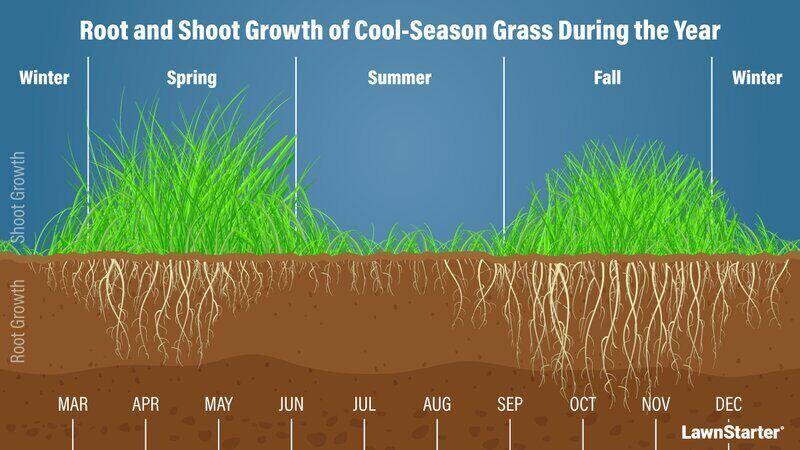
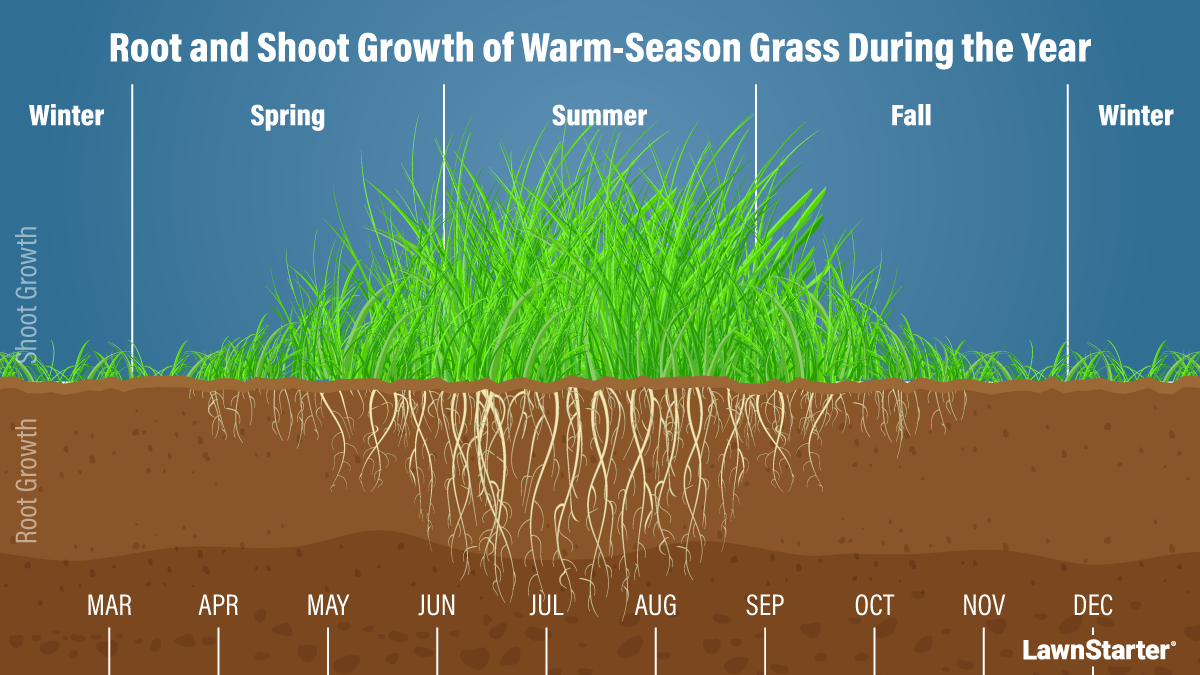
If you are in the transition zone: A large swath of the country is in the transition zone, where the weather does not particularly suit warm-season or cool-season grasses. Lawns in these areas tend to rely on Kentucky bluegrass, ryegrass, or a mixture.
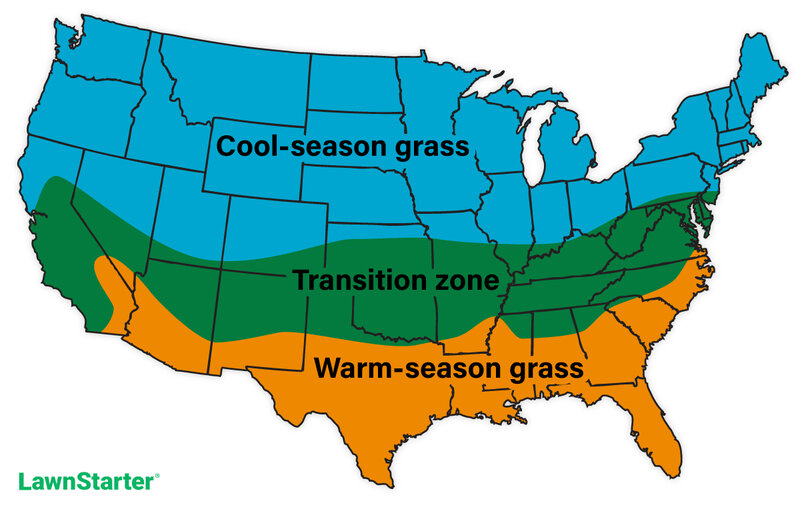
In the Midwest, overseeding is extremely common, Good says. Kansas likely sees more lawn renovation in the fall than anywhere in the country.
“It’s a question we get all the time,” he says.
2. Choose High-Quality Seed
Not using high-quality seed is one of the top mistakes Good sees when homeowners overseed in the fall. “It costs more, but believe me, you’re going to like the results a lot more,” he says.
For fescue blends, look at the weed or crop percentage in the seed. You want it to be 0. “People will go with cheap seed, and they have all these weeds come up,” Good says.
All the information you need is on the seed bag label:
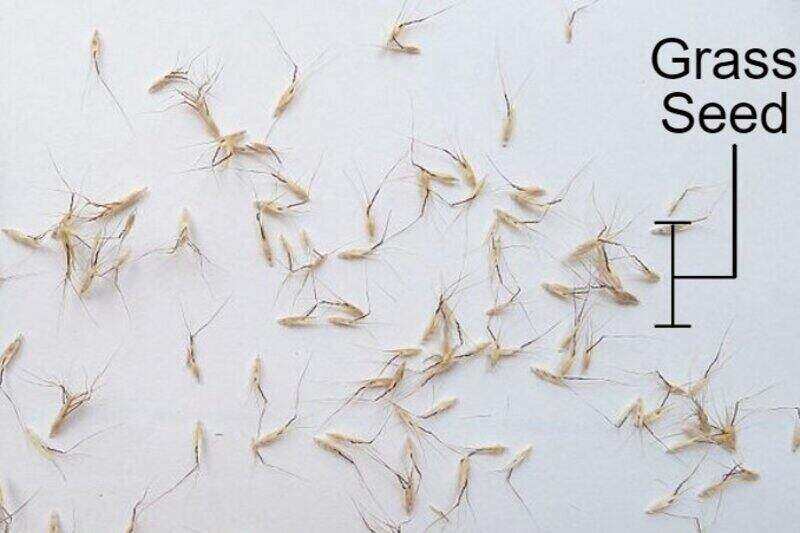
Cultivar names: Make sure the varieties listed are right for your lawn and climate.
Germination percentage: For tall fescue seed, you need at least 85%. Fine fescues should be slightly higher.
Weed seed percentage: Choose very low levels, ideally less than 0.25%.
Sell-by date: Fresher seed has higher germination rates. Choose seeds packaged for this year or next.
Expect to spend $30 to $60 on a 10-pound bag of turf-type tall fescue blend, which covers roughly 2,500 to 3,300 square feet when overseeding. That investment pays off in a thicker lawn that requires fewer repairs the following year.
3. Prep the Overseeding Site
Mow the existing lawn short. Cut it to about 1.5 inches before overseeding so new seedlings can compete with existing grass and weeds.
A short cut also helps sunlight reach new seedlings. Unlike most occasions, when mulching grass clippings is good for your lawn, bag the clippings for this mow so they do not interfere.
Thatch impedes growth from new seed. Keep thatch under a quarter-inch when overseeding. Seeds that get hung up in thatch might not establish properly.
If thatch is too thick, use a verticutter, power rake, or aerator to dethatch your lawn. Good recommends a verticutter, which cuts vertical slits into the soil.
“One of the most important things, when you’re overseeding a lawn, is getting soil contact with the seed,” he says.
Thatch removal options at a glance:
| Tool | Best for | Notes |
| Verticutter | Any thatch level | Best seed-to-soil contact |
| Power rake | Over 1/2 inch thatch | Pulls up debris to discard |
| Core aerator | Under 1/2 inch thatch | Also reduces compaction |
Adding topsoil could help. Some homeowners apply topsoil when overseeding. But “using existing soil and verticutting is a much better method,” Good says.
Renting a core aerator from a home improvement store typically costs $75 to $100 for a half day. If your lawn is small or the soil is not compacted, you may not need to aerate at all.
4. When the Time Is Right, Apply Starter Fertilizer
Wait until soil temperatures are above 60 degrees and air temperatures are consistently between 68 and 77 degrees for optimal germination.
At that point, apply starter fertilizer. It’s the only product other than seeds needed for seeding a lawn. If your soil test indicates a pH below 5.5, lime should also be applied before overseeding to raise pH to the 6.0–7.0 range preferred by tall fescue.
Do not be wary about fertilizing at seeding. Young seedlings need the added push to quickly start germinating and establishing turf. The existing grass will get a boost, too.
Getting the timing right matters more than any single product. “Without proper timing, that investment rarely pays off,” says LawnStarter pro Chelsea Morris, owner of High-Class Grass in Virginia Beach.
5. Plant Your Seeds
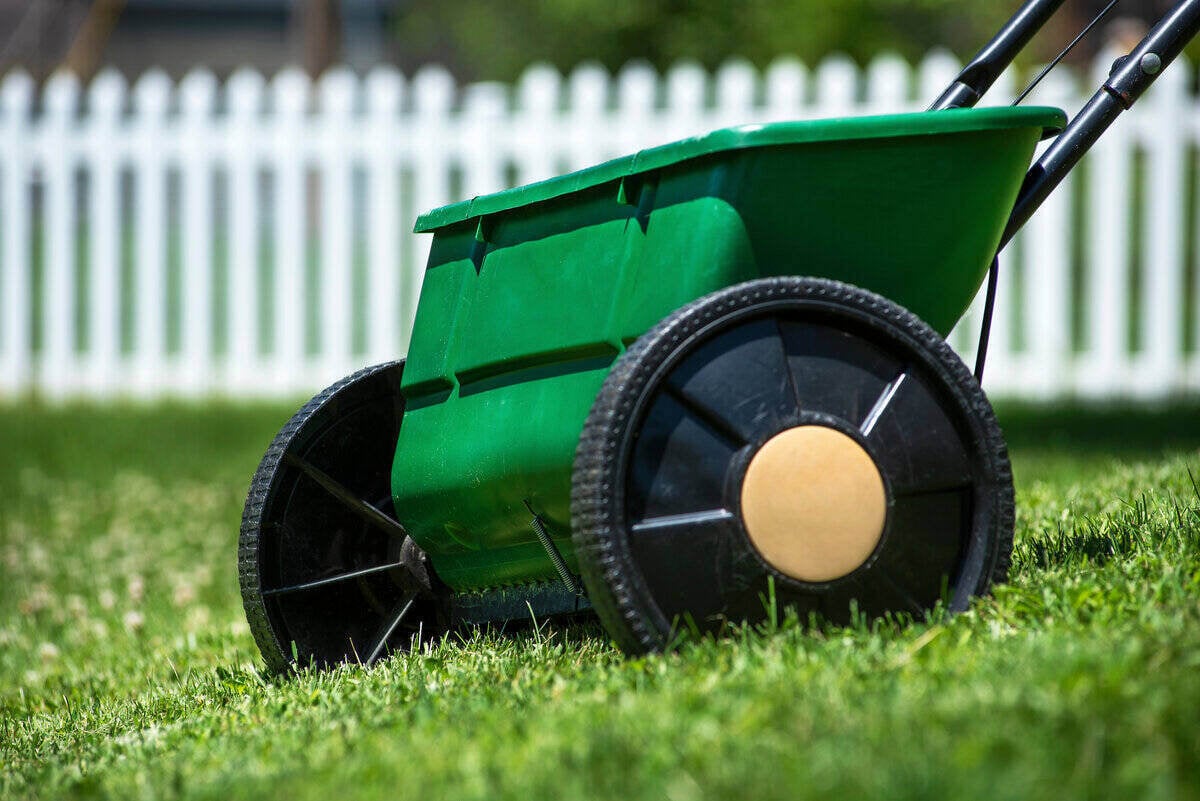
Your yard is ready for overseeding when:
The lawn is mowed and dethatched.
The fertilizer is in place.
The seedbed is moist.
The temperature is right.
The perfect seed blend is in hand.
Use a drop-type grass seeder rather than applying by hand or using a rotary spreader. A drop spreader releases seed directly below the hopper in a controlled band, reducing waste and giving more even coverage. Set your spreader to apply the correct amount of seed.
Overseeding rate for tall fescue: Use 3 to 4 pounds of seed per 1,000 square feet. That is about half the bare-soil seeding rate of 6 to 8 pounds per 1,000 square feet.
Water grass seed regularly to keep the seedbed moist and ensure rapid germination. Failing to keep the seedbed moist is a common mistake when overseeding.
“People either water too much, which smothers the seed, or they don’t water enough, so it doesn’t come out,” Good says.
Watering schedule after overseeding:
Weeks 1 to 2: Light, frequent watering two to three times per day to keep the top inch of soil moist.
Weeks 3 to 4: Reduce to once daily as seedlings establish roots.
Week 5 onward: Transition to deeper, less frequent watering every 2 to 3 days.
Mulch might help. Spreading a light mulch of straw will retain soil moisture and keep seedlings from drying out. Use one bale per 1,000 square feet, but do not over-apply. Too much mulch will smother seedlings.
6. Care for the Young Grass
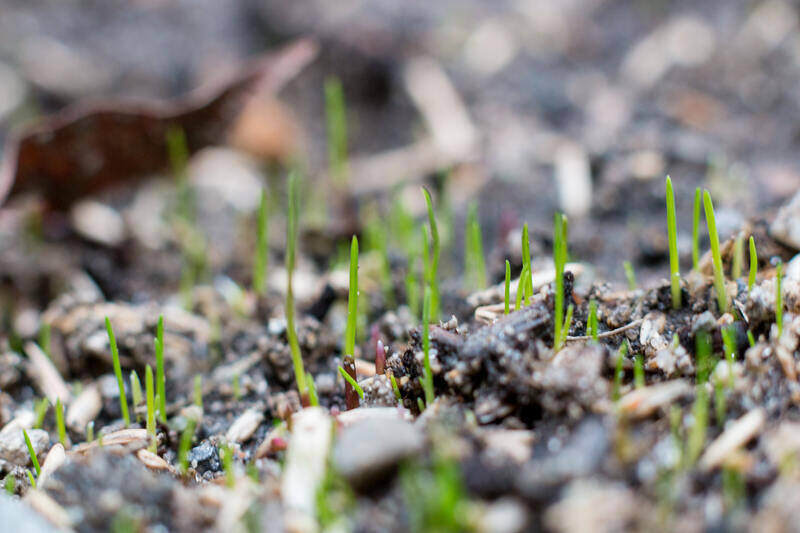
Once that new fescue lawn comes up, you have to keep it up. Prepare to nurse your new lawn for at least two growing months.
Keep foot traffic off young seedlings for at least a month, as they are easily injured.
Pull weeds by hand. All the tilling, fertilizing, and watering that establishes new grass also helps weeds grow.
Weed control can be a challenge. Do not apply broadleaf herbicides until the lawn has been mowed 3 times.
7. Mow the Right Way

It may be scary to mow a young lawn, but it is a vital part of establishment. Proper mowing height is crucial for letting turf mature before winter.
Let fescue reach 4.5 inches, then mow it back to 3 inches. Allow those clippings to fall into the turf, where they return nutrients to the soil. According to university research, returning clippings can reduce the need for fertilizer by as much as 25%.
Once you have mowed a few times, you have a newly rejuvenated tall fescue lawn that will stay thick and green longer.
FAQs
Pre-emergent herbicides create a barrier that stops grass seed from germinating, so you should overseed only once the product’s residual period has expired according to the label.
See Related: How Soon Can You Overseed After Pre-Emergent?
Yes. Aeration is not required, but it improves seed-to-soil contact, especially in compacted soils. If your soil drains well and is not heavily compacted, you can overseed without aerating and still get good results.
Tall fescue is especially vulnerable to brown patch during warm, humid weather, which is common in late summer and early fall.
Most tall fescue lawns benefit from annual overseeding in the fall, paired with core aeration. Annual overseeding keeps the lawn thick, crowds out weeds, and introduces newer, more disease-resistant cultivars.
Call in the Pros to Overseed in Fall
You do not have to wait to take care of your lawn. Overseeding is a simple DIY process that can address needs before they become expensive problems.
Remember, overseeding will:
Rejuvenate thin or bare spots
Fight weeds
Reinvigorate lawns
Touch up areas worn out from constant mowing
Enhance the color of your lawn
Strengthen the entire lawn without needing to start over
If you would rather have someone else do the fall overseeding for you, contact one of LawnStarter’s local aeration and overseeding professionals. They will do it all: mow, dethatch, fertilize, and figure out how much grass seed your lawn needs. You will have a stronger cool-season lawn in no time.
Read More:
Main Image: Person pouring grass seed onto lawn. Image Credit: Shutterstock