| Key Takeaways |
|---|
| • Centipedegrass needs only 1 to 2 pounds of nitrogen per 1,000 square feet per year, much less than almost any other lawn grass. • Fertilize once in late spring (after green-up) and once in late summer; skip nitrogen entirely in fall and winter. • Over-fertilizing centipedegrass can trigger centipede decline, a hard-to-reverse condition where the lawn fails to green up, turns yellow, and dies in spreading patches. |
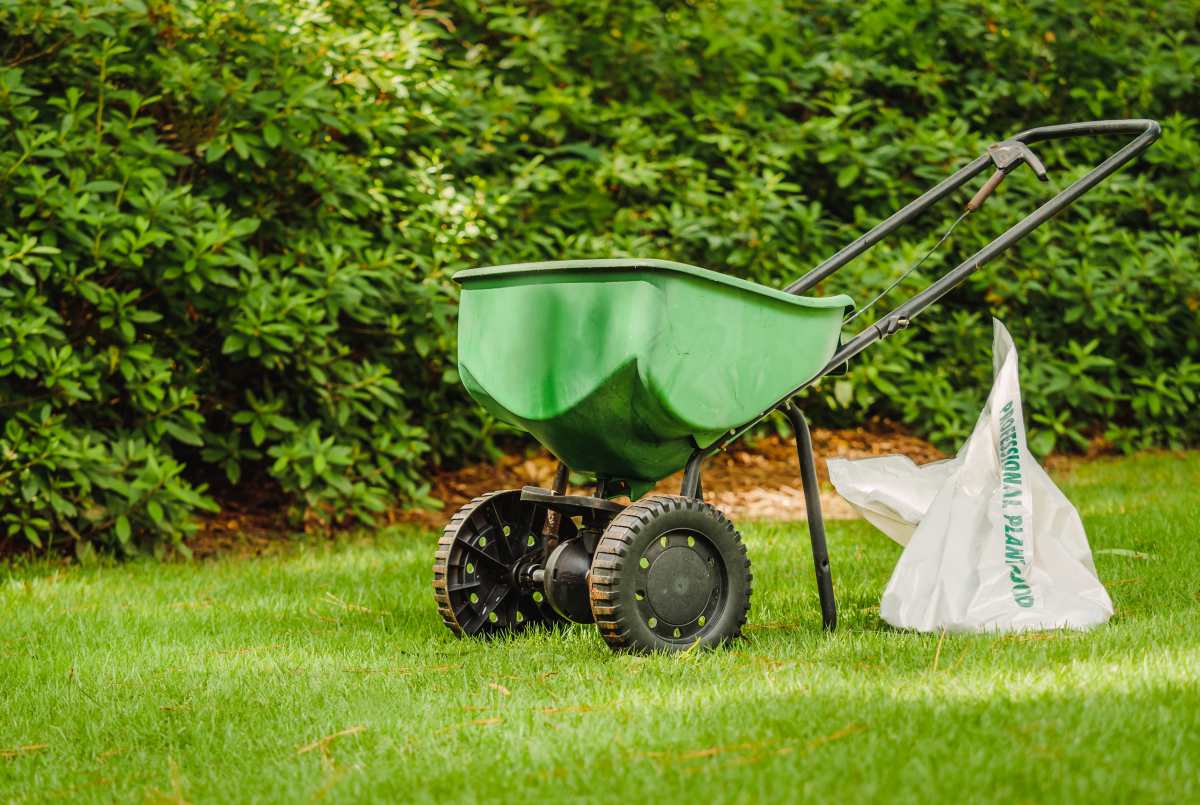
Centipedegrass earns its “lazy man’s grass” reputation for a reason. It needs far less fertilizer than most Southeastern lawns: just 1 to 2 pounds of nitrogen per year, split between late spring and late summer.
But less fertilizer also means less room for error. Over-fertilize centipedegrass and you risk thatch buildup, disease, and long-term decline. That’s damage that can take years to reverse.
This guide covers exactly when and how to fertilize centipede, plus how soil type affects what your lawn needs and which fertilizer to choose. If you’d rather not gamble on the timing and rate, LawnStarter’s lawn treatment pros can handle it for you.
When to Fertilize Centipedegrass: A Seasonal Schedule
Fertilize centipedegrass twice per year: once in late spring (May) after the lawn greens up, and again in late summer (August). Apply 1/2 to 1 pound of nitrogen per 1,000 square feet at each application.
Skip nitrogen entirely in fall and winter. Applying it then can push new growth that frost will kill.
| Season | Timing | What to Apply |
| Spring | Late spring (May), after green-up | 0.5–1 lb nitrogen per 1,000 sq. ft. |
| Summer | Late summer (August) | 0.5–1 lb nitrogen per 1,000 sq. ft. |
| Fall | Late fall (4–6 weeks before frost) | 1 lb potassium per 1,000 sq. ft. (if needed) |
See Related: Centipedegrass Lawn Maintenance Guide
When to Fertilize Centipedegrass in Spring
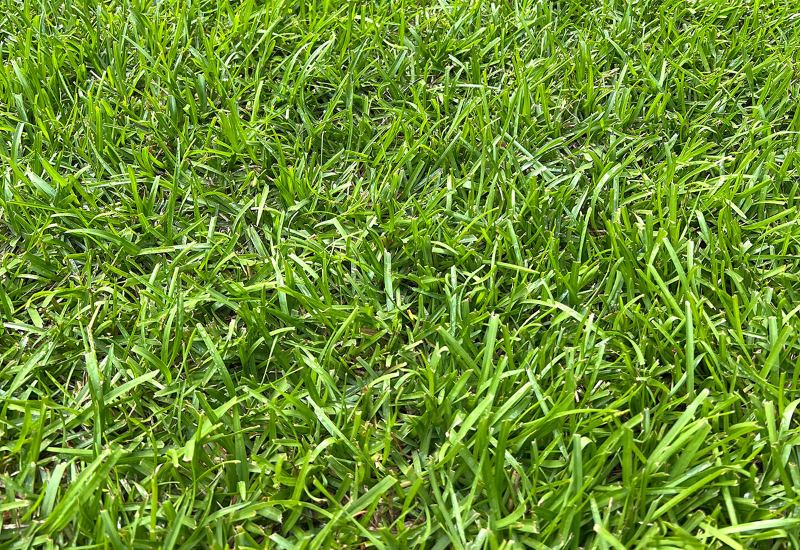
Wait until your centipedegrass has fully greened up before fertilizing in spring. This happens in April or May, depending on where you live, but usually later than most other warm-season grasses.
Apply 1/2 to 1 pound of nitrogen per 1,000 square feet after green-up and based on your soil test results.
Avoid fertilizing before April. If you fertilize in March and new grass starts to grow, a late frost can cause serious damage to your lawn.
According to Clemson University, if your centipedegrass is looking yellow in spring, you could be dealing with a deficiency of iron or manganese. Take a soil test to check the nutrient levels.
See Related: How Often Should You Fertilize Your Lawn?
When to Fertilize Centipedegrass in Summer
Hold off on fertilizing until late summer, specifically August. Applying nitrogen too early in summer, during peak heat, can stress an already heat-burdened lawn.
Once August arrives, apply 1/2 to 1 pound of nitrogen per 1,000 square feet based on your soil test results. Unless a soil test shows a phosphorus deficiency, choose a fertilizer without phosphorus: Centipede is sensitive to high phosphorus levels in the soil.
See Related:
When to Fertilize Centipedegrass in Fall
Fall is when you prepare your lawn for its winter nap. First, skip the nitrogen.
If your soil test indicates the need for potassium, this is the time for it. Apply 1 pound of potassium per 1,000 square feet 4 to 6 weeks before the first frost to enhance winter hardiness.
See Related:
What Fertilizer to Use on Centipedegrass
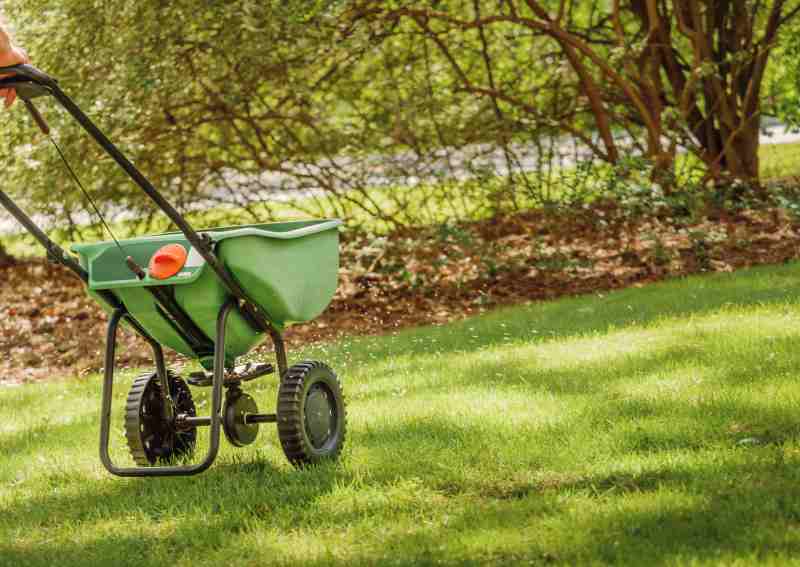
Centipede is easily damaged by the wrong product or too much nitrogen, so choosing the right fertilizer matters more than you might think.
Nitrogen Rate and NPK Ratio for Fertilizing Centipedegrass
Centipedegrass needs just 1 to 2 pounds of nitrogen per 1,000 square feet for the entire year. More than 2 pounds per year can trigger centipede decline.
Most standard bag fertilizers are formulated for grasses like Bermuda or fescue that need 3 to 4 times that amount, so don’t follow generic bag instructions on a centipede lawn.
The easiest thing is to look for a fertilizer labeled for centipede, such as Ferti-Lome Centipede Lawn Fertilizer. When choosing among general labels, keep in mind these key fertilizer specifications for centipede:
N-P-K ratio: Look for a fertilizer ratio of 15-0-15 (the ratio Clemson Extension recommends for centipede), or another zero-phosphorus product.
Phosphorus content: Use a fertilizer with phosphorus only if a soil test shows deficiency.
Nitrogen content: Slow-release is the best choice overall, especially in summer when it reduces the risk of fertilizer burn on a lawn exposed to heat.
What to avoid: High-nitrogen fertilizers designed for other grass types. Balanced fertilizers (e.g. 10-10-10) which can lead to phosphorus buildup.
See Related:
The Role of Iron in Centipedegrass Fertilization
If your centipede lawn looks yellow, don’t add nitrogen. Here’s what to do instead:
Test the soil: Yellowing in centipedegrass often points to iron deficiency, especially when the soil pH rises above 6.5.
Fix it with an iron fertilizer like iron sulfate: Mix 2 ounces in 3 to 5 gallons of water per 1,000 square feet and spray. You’ll usually see green-up within 1 to 2 days.
See Related: Why Add Iron Fertilizer to Your Lawn? (5 Benefits)
Do You Need a Soil Test Before Fertilizing Centipedegrass?
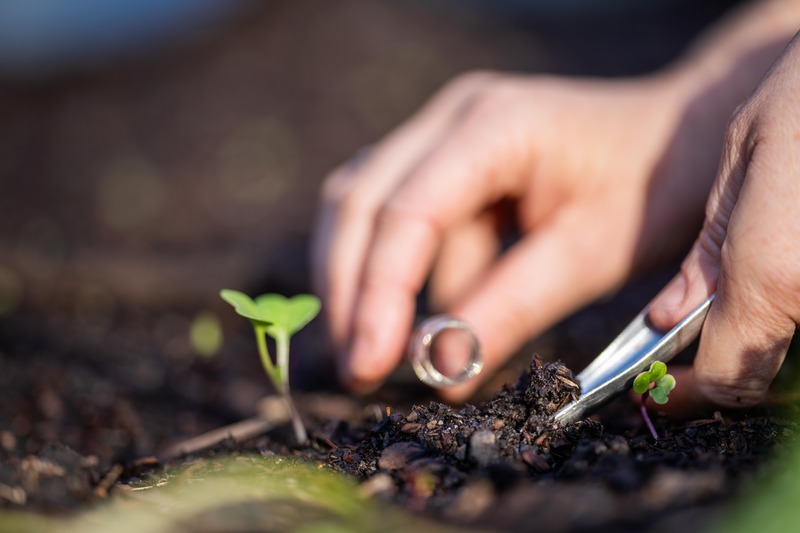
Yes, for centipedegrass especially, a soil test before you fertilize is worth the small upfront cost. A basic DIY soil test kit has a cost of $10 to $20 and gives you results within minutes.
For more precise guidance, your local Cooperative Extension office offers professional lab testing with soil test pricing of about $10 to $20 for basic tests and $40 to $75 for comprehensive analysis, with results typically taking 1 to 3 weeks.
Adding unnecessary phosphorus can harm the lawn and worsen yellowing, which is exactly why skipping the soil test is a gamble you don’t want to take with centipedegrass.
See Related:
Times You Should Never Fertilize Centipedegrass (And What Centipede Decline Looks Like)
There are clear times you should never fertilize centipedegrass. Centipede decline — where the lawn fails to green up in spring, or develops yellowing patches and dies back in spreading bare spots — is directly linked to over-fertilization.
Here are the situations when you should put the fertilizer away:
Dormancy: Don’t apply fertilizer during winter when grass is dormant and unable to absorb nutrients.
Excessive heat: Don’t fertilize during excessive heat or drought as it stresses your lawn.
Weed infestation: Fertilizing a weedy lawn feeds the weeds, too. Deal with weeds first.
Without soil test results: A soil test tells you what your lawn actually needs. Skipping it is a gamble.
Centipede decline already present: If your lawn already shows signs of decline, stop all nitrogen immediately and get a soil test before applying anything.
See Related:
Hire a LawnStarter Pro for Your Centipedegrass
Centipedegrass rewards patience and a light hand. Get the timing right, stay within the nitrogen limits, and you’ll have that apple-green lawn with very little effort.
When Saturday comes, you should be living your life, not measuring nitrogen rates. If fertilizing centipedegrass is the chore you keep putting off, LawnStarter’s lawn treatment service makes it easy to hand off and forget about.
FAQs
Be cautious: Many weed-and-feed products deliver more nitrogen than centipedegrass needs. If you use one, choose a low-nitrogen formula labeled safe for centipedegrass and apply it only during the spring or late summer fertilizer windows. Avoid fall applications, and do not apply without checking your soil test.
Wait until seedlings are established and you’ve mowed the new grass at least once before applying any nitrogen. Fertilizing too early can push weak top growth before roots develop, which makes the lawn more vulnerable to heat and drought.
The key is restraint, not more fertilizer. Ensure the lawn gets at least 6 hours of direct sun, mow at 1 to 2 inches, and water deeply but infrequently. If the color looks dull, apply liquid iron sulfate rather than nitrogen. Iron restores centipede’s apple-green color without over-fertilization risk.
Read More:
- How Much Water Does Centipedegrass Need?
- How to Choose the Right Grass for Your Lawn (8 Factors to Consider)
Main Image: Green fertilizer spreader on grassy garden lawn. Image Credit: Scott Habermann / Adobe Stock