
Spring lawn care isn’t one-size-fits-all. Your soil type shapes everything from when to start to how often you’ll water and fertilize.
Most lawn advice assumes a loamy soil: the middle ground soil type that drains well, holds nutrients, and follows a standard schedule. But if your soil is sandy or clay, you’ll need to adjust. Sandy soil warms up early and drains fast, so you’ll work in smaller, more frequent doses. Clay is the opposite — slow to warm, quick to compact, and prone to puddles.
Not sure what you’re dealing with? Grab a handful of moist soil and squeeze. If it crumbles loosely, it’s sand. Holds a shape, but breaks apart? Loam. Stays in a sticky ball? That’s clay. Once you know your soil type, you can adjust your spring routine to match, or connect with a local lawn care pro to handle it for you.
Spring Lawn Care for Loamy Soils
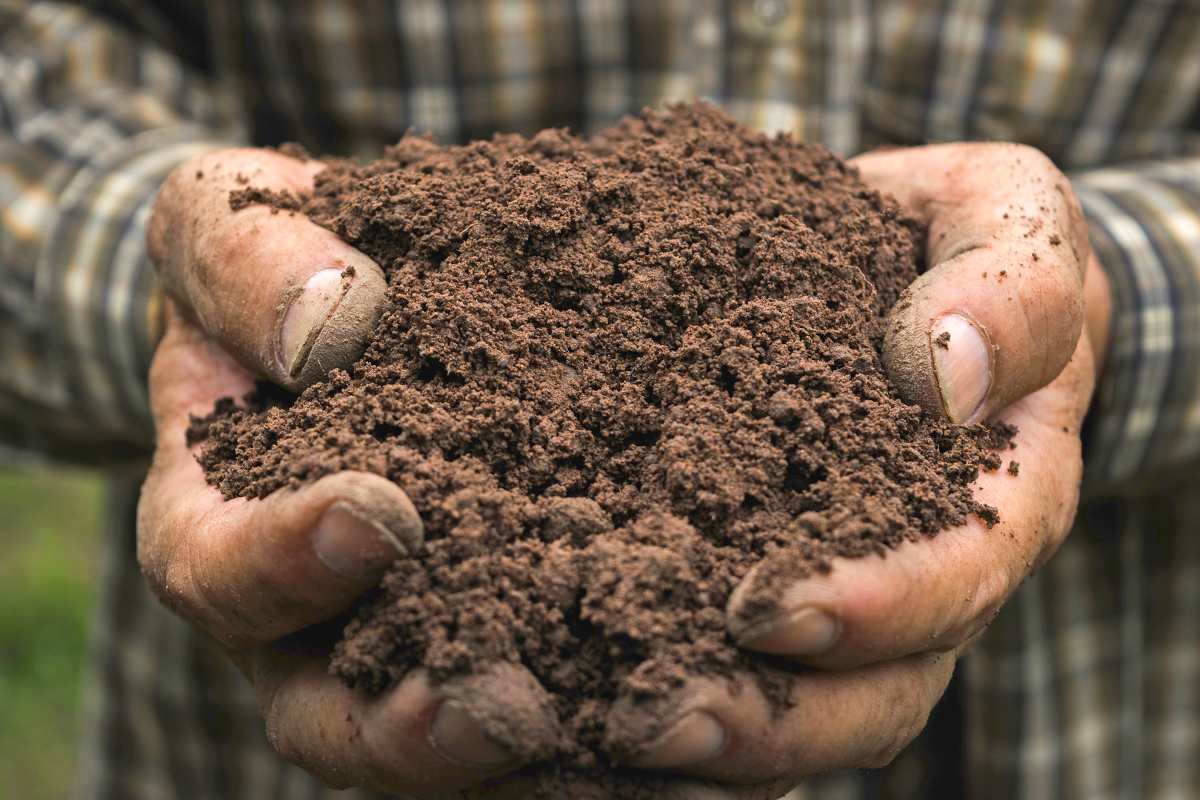
Loam is rich in organic matter, dark, crumbly, and holds together without turning sticky. It drains well, retains moisture, and holds nutrients — the ideal soil for turf. Most lawn care advice refers to it, so standard spring routines work fine.
| Key Takeaways | |
|---|---|
| Spring Season Timing | Cool-season grasses: Mid-March to early May, and warm-season grasses: Mid-April to May. |
| Spring Aeration | Every 2-3 years. Yearly for high traffic. |
| Spring Fertilization | Standard rates and schedule. Test every 3-4 years. |
| Watering | 1 inch once weekly, when needed |
| Thatch and Disease | Low risk; check for thatch yearly. |
Follow Standard Spring Timing
Follow the standard spring schedule for your region:
- Cool-season lawns start greening up in late March in the transition zone and mid-April in the northern states (soil temperatures around 50-55 degrees).
- Warm-season lawns green up in mid-April in the South and in May in the transition zone (soil temperatures above 65 degrees).
Pro Tip: Never walk on frosted or frozen turf in early spring. “This at the least can cause aesthetic damage that is slow to heal, and at worst, death of plants,” says Jason Lanier, Extension turf specialist at the University of Massachusetts-Amherst.
Manage Thatch and Diseases
Loam naturally supports microbes that break down thatch. But if thatch build-up exceeds 1/2 inch, dethatch the lawn and test the soil pH (an unbalanced pH slows decomposition).
Loamy soil is less disease-prone, but overwatering or excess nitrogen can trigger necrotic ring spot and leaf spot. Water in the early morning and limit nitrogen to prevent infections.
See Related: 5 Signs Your Lawn Has Too Much Thatch
Aerate Only Compacted Areas
Aerate every 2-3 years for light traffic lawns, yearly for high-traffic areas.
To test for compaction, push a screwdriver into moist soil — It should slide easily. Resistance means the soil is packed down.
Fertilize Loam by the Book
Follow the general recommendations for your grass type.
Test the soil every 3 to 4 years — loam holds nutrients well, so you may already have enough phosphorus and potassium.
See Related: What Does Potassium Do for Your Lawn?
Water Once a Week
Loam absorbs water without runoff or pooling. Water once per week, delivering 1 inch total, including rainfall.
Overseed
Loam makes overseeding easy. Seeds have good contact with the soil, and moisture stays consistent without waterlogging.
On well-managed lawns without foot traffic, you can overseed without aerating: Mow short (1-2 inches), rake lightly, spread seed, and water daily until germination.
Spring Care for Clay Soils
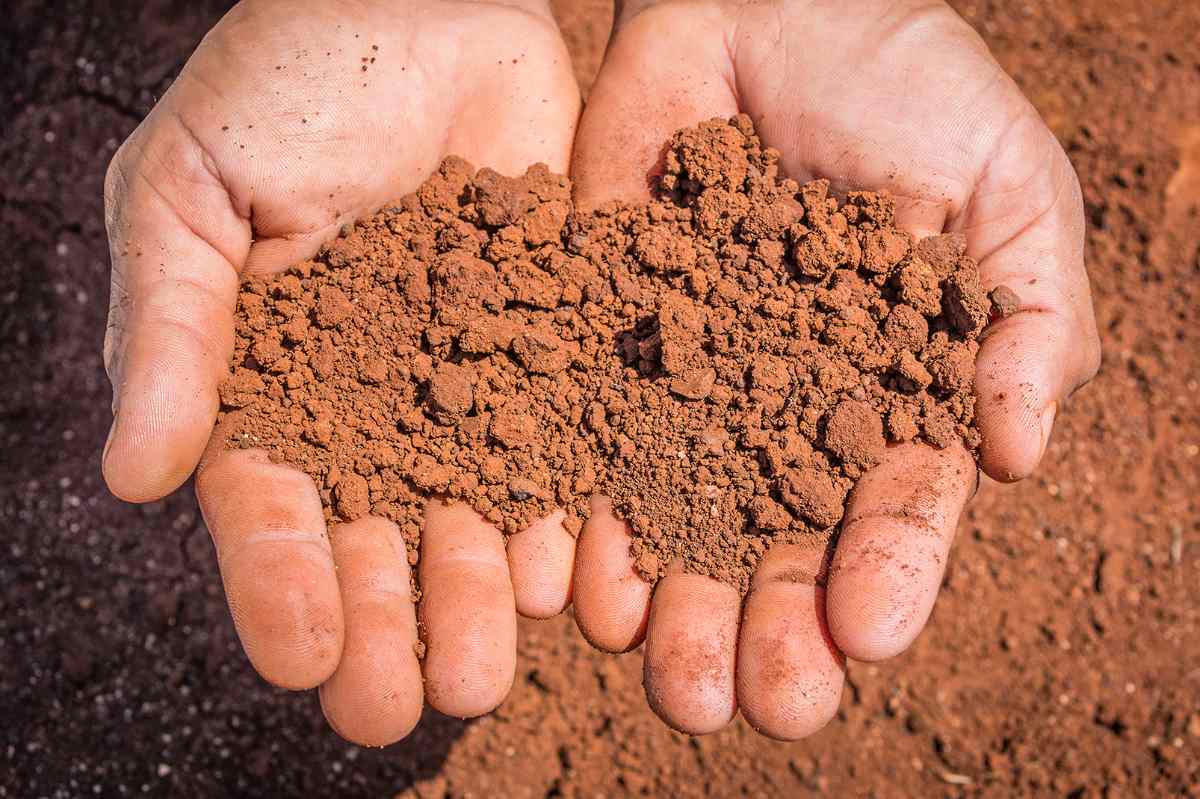
Clay’s fine particles form a dense mass when they lock together. This type of soil holds nutrients well, but also locks in water, which can suffocate the grass roots. It’s the most difficult to work with: compacts easily, stays sticky when wet, and turns rock-hard when dry.
| Key Takeaways | |
|---|---|
| Spring Season Timing | Cool-season grasses: Late March to mid-May, and warm-season grasses: Late April to May. Wait until the ground is dry. |
| Spring Aeration | Yearly. Spread compost in holes. |
| Spring Fertilization | Less often, skip early spring if fall-fed. Test every 3-4 years. |
| Watering | It may not be necessary. If needed, ensure 1 inch weekly in cycles: 5-10 min. on, 30-60 min. off. |
| Thatch and Disease | High risk; dethatch if over 1/2 inch; watch for yellow patch, brown patch. |
Wait for the Soil to Warm Up
Clay soil warms and dries a few weeks later than loam — don’t rush it. “Folks are often eager to get out on the lawn and begin maintenance activities when the snow melts, but care is essential because early-season conditions are frequently wet,” says Lanier.
“Aggressive practices such as raking or mowing under wet conditions can have undesirable outcomes, such as soil compaction and surface damage,” he adds. Clay soils are especially vulnerable since they hold more moisture coming out of winter.
Wait until the ground is thawed and dry enough that you don’t leave footprints.
Check for Thatch and Disease
Clay’s poor drainage favors thatch buildup and fungal diseases. Check for thatch every spring and dethatch if over 1/2 inch.
Watch for the yellow patch. It spreads when air temperatures are between 50-65 F. Prevent it by aerating, watering in the morning, and reducing spring nitrogen. If you had problems last year with brown patch and Pythium blight, apply preventive fungicides once soil temperatures reach 55-60 F.
Aerate Yearly
Clay’s dense structure starves roots of oxygen, and foot traffic makes it worse. You need to aerate the soil to loosen it and improve airflow. Core aerate (spike aeration is not as effective) at least once a year, to a depth of 2-3 inches.
Spread 1/2 inch of compost while the aeration holes are open. It adds organic matter and improves soil structure over time.
See Related: Core Aeration vs. Spike Aeration: What’s the Difference?
Apply Less Fertilizer
Fertilize less often and consider skipping early spring if you fertilized properly in the fall. According to Lanier, clay soils are often more fertile because they retain nutrients better than sandy soils, so lawns growing in clay may need less fertilizer overall.
Test the soil every 3-4 years. Phosphorus and potassium can accumulate in clay to the point where you won’t need to apply more.
Clay soil can be acidic, alkaline, or neutral depending on the location. If the grass yellows despite fertilizing, test the soil pH before adding more product or amending the soil.
See Related: 5 Signs of Alkaline Soil in Your Lawn (High pH)
Cycle and Soak
Only start watering your lawn once the spring rain stops and the soil starts to dry out, and provide water in cycles.
Clay soil absorbs water at a glacial pace. Run sprinklers straight through without stopping, and most of the water will run off. The cycle-and-soak method works best: Water for 5-10 minutes, pause for 30-60 minutes to let the water soak in, then repeat.
Deliver 1 inch of water once a week, letting the top 2-3 inches dry between sessions, so roots get oxygen.
Aerate Before Overseeding
Clay’s hard surface gives poor seed-to-soil contact, leading to patchy grass. Core aerate first so that the seeds can nestle into the holes. Then spread a thin layer of compost and rake it in. This reduces crusting and improves germination.
Spring Lawn Care For Sandy Soils
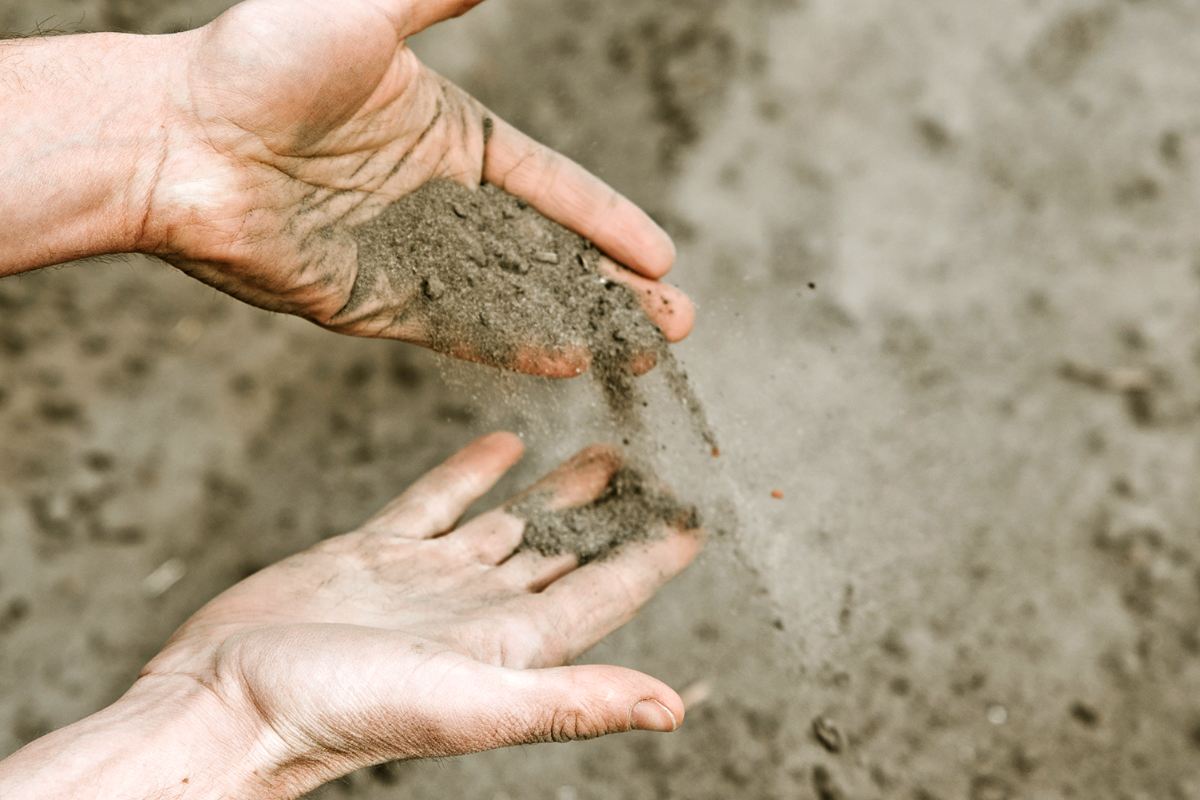
Sandy soil runs through your fingers and won’t hold its shape. It’s easy to dig, warms up fast, and resists compaction. The tradeoff? Water and fertilizer drain through almost as fast as you apply them.
| Key Takeaways | |
|---|---|
| Spring Season Timing | Cool-season grasses: Early March to late April, and warm-season grasses: Early April to May. |
| Spring Aeration | Rarely necessary |
| Spring Fertilization | More often and smaller amounts. Use slow-release nitrogen. Test every 2-3 years. |
| Watering | If needed, apply 1/3 to 1/2 inch, 2-3 times weekly. |
| Thatch and Disease | Low risk; watch for dollar spot, take all root rot. |
Mow Earlier, Seed Carefully
Sandy soil warms and dries a few weeks faster than loam, so you can start to mow earlier. Just don’t rush overseeding and fertilizers — a late freeze can kill new growth.
Prevent Diseases
Good drainage means less thatch and fewer fungal issues. But sandy lawns are prone to stress-related diseases such as dollar spot and take-all root rot. Prevent them by fertilizing with slow-release nitrogen and watering 2-3 times weekly.
Skip Aeration
Sandy soil rarely needs aeration because it naturally resists compaction. Aerate only if heavy equipment has compressed the soil or if an area gets constant foot traffic.
Feed Sandy Soil More Often
Nutrients leach fast in sandy soil, so fertilize more often — including in the spring, even if you fed the grass last fall. Use fertilizers with at least 60% slow-release nitrogen and micronutrients or organics like feather meal.
Test every 2-3 years to check potassium levels and pH. Sandy soil tends to be acidic (pH below 6.0), preventing nutrients from being absorbed. You can increase pH with lime.
See Related:
Water More Frequently
Sandy soil drains fast and holds less water. To keep grass hydrated, water 2-3 times a week, applying 1/2 inch per session.
Add Organic Matter
Organic matter acts like a sponge, holding many times its weight in water — exactly what sandy soil lacks. It also helps retain nutrients that would otherwise wash through.
In spring, spread a 1/2-inch layer of compost (30%-70% organic matter) and rake it into the soil. Once you begin to mow, leave grass clippings on the lawn; they break down into organic matter over time.
See Related:
Keep the Seeds Moist
Seeds settle easily into sandy soil — light raking is enough. The challenge is moisture: Water drains fast, leaving seeds to dry out. Topdress with 1/4 -1/2 inch of compost to retain moisture, and water lightly 2-4 times daily until germination (keep the top 2 inches moist).
When to Call the Pros

Spring lawn care works best when you work with your soil, not against it. A simple squeeze test reveals what you’re dealing with — sand, loam, or clay — and from there you can tailor your approach.
If you’d rather spend spring weekends with family instead of behind a mower, LawnStarter connects you with local lawn care pros who handle everything from seasonal mowing to aeration and fertilization, all on a schedule that fits your lawn’s needs.
Sources:
- “Gardening in Clay Soils.” by Katie Wagner, Extension associate professor, and Grant Cardon, soil specialist. Utah State University Yard and Garden Extension.
- “Gardening in Sandy Soils.” by Katie Wagner, Extension associate professor, and Grant Cardon, soil specialist. Utah State University Yard and Garden Extension.
- Jason Lanier, Extension turf specialist and group leader in commercial horticulture at the University of Massachusetts-Amherst, Amherst, MA. Personal interview.
- “Maintaining Lawns on Sandy Soils.” By turfgrass specialists Zac Reicher and Clark Throssell. Purdue University.
- “Turf Irrigation and Water Conservation.” UMass Extension Turf Program.
- “Watering Your Lawn.” Kansas State University.
Main Image: Illustration by Whitney Lehnecker / LawnStarter; Photos from Adobe Stock.