| Key Takeaways |
|---|
| • Most varieties need 1 to 2 growing seasons to complete their establishment period before becoming truly drought-resistant. • Consider foot traffic tolerance when selecting, as creeping thyme and dymondia handle moderate traffic while most others are ornamental only. |
The best drought-tolerant ground covers depend on your location. While these plants have low water demands and can tough out the heat, choose species that naturally thrive in your region.
Ice plant in the Southwest, dymondia in the Pacific Northwest, Asiatic jasmine in the Southeast, sedum in the Midwest, and kinnikinnick in the Rockies are just some top options.
If you’re tackling a bigger swap from turf to ground cover, LawnStarter’s landscaping services can also be part of the plan.
Best Drought-Tolerant Ground Covers by Region
What works in Arizona will fail in Georgia — and vice versa. Matching your ground cover to your specific climate is the single most important decision you’ll make. The best drought-tolerant ground covers include ice plant, creeping thyme, dymondia, sedum, mondo grass, and kinnikinnick, each suited to different U.S. regions. Use the table and plant profiles below to find your best match.
| Region | Top Drought-Tolerant Ground Covers | Key Advantage |
| Southwest and Desert | Ice plant, trailing lantana | Extreme heat tolerance |
| California and Pacific Northwest | Creeping thyme, dymondia | Handles dry summers |
| Southeast | Asiatic jasmine, mondo grass | Humidity and drought |
| Midwest and Northeast | Sedum, barren strawberry | Cold and drought hardy |
| Rocky Mountains | Kinnikinnick, pussytoes | High altitude adapted |
Note on Foot Traffic: Although ground covers are grass replacements, most won’t withstand repeated foot traffic. Robert Polomski, associate Extension specialist at Clemson University, says to “avoid walking on any of these ground covers.” Unlike turfgrasses, these ground covers are meant to be viewed from afar.”
Best Drought-Tolerant Ground Covers for Hot, Arid Regions (Southwest and Desert)
In the Southwest, “drought tolerant” isn’t a nice-to-have — it’s a survival requirement. These three plants thrive in extreme heat and rocky, sandy soils where most others fail. They’re listed roughly in order of ease of establishment, so if you’re planting for the first time, start at the top.
Ice Plant (Delosperma)
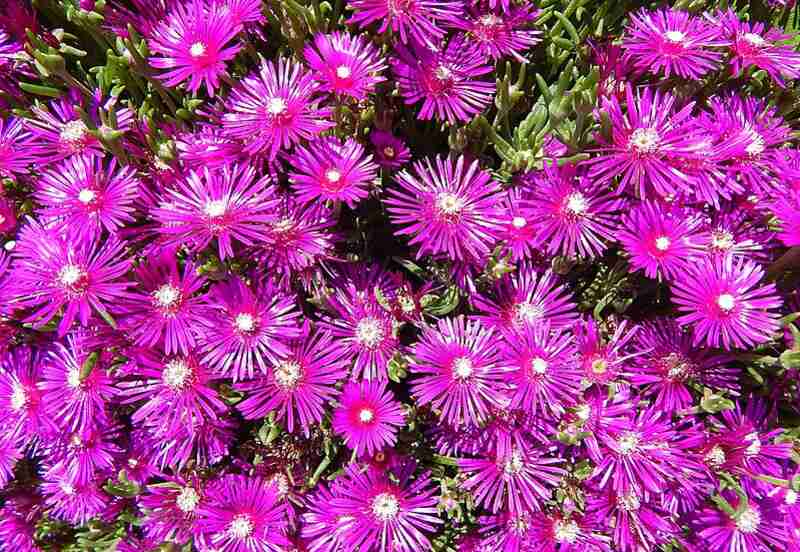
A vibrant, low-growing succulent, ice plant can blanket the ground in shades of pink, purple, or yellow. Its fleshy leaves store water, making it a staple in xeriscaped lawns and a top pick for poor, rocky soils.
Hardiness Zones: 5-10 (Not sure what zone you’re in? The USDA Hardiness Zone Map divides the country into 13 zones based on minimum winter temperatures and is the go-to guide for selecting plants that are winter hardy in your area. Enter your zip code to find yours.)
Sun Exposure: Full sun
Soil Requirements: Well-draining, sandy or rocky soils
Foot Traffic: Low
Size: 3-6 inches tall, spreads up to 2 feet
Features: Colorful blooms, evergreen in mild climates, excellent for erosion control
Trailing Lantana (Lantana montevidensis)
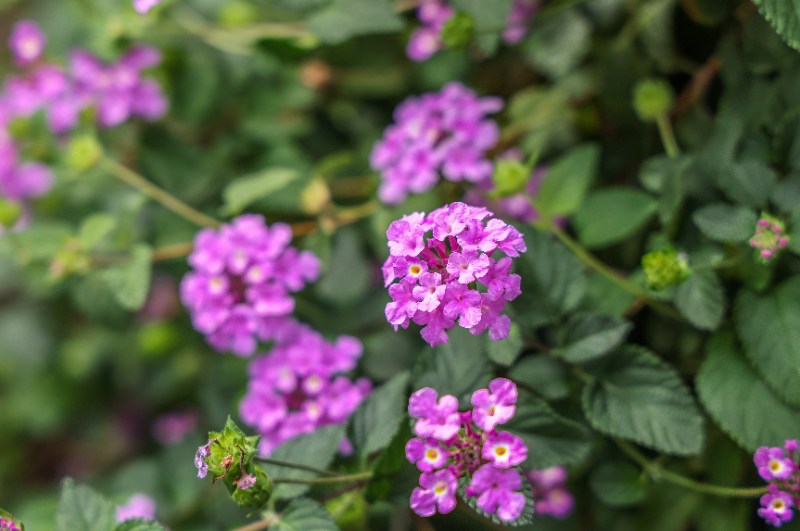
A fast-spreading ground cover, trailing lantana handles extreme heat with ease. Its cascade of lavender or purple blooms persists through the hottest months, making it perfect for pollinator gardens.
Hardiness Zones: 8-11
Sun Exposure: Full sun
Soil Requirements: Well-draining, poor soils
Foot Traffic: Low to moderate (Note: Foot traffic ratings throughout this guide: Low = occasional stepping only; Moderate = regular walking paths; High = not applicable to any ground cover — always use stepping stones for heavy-traffic zones)
Size: 12-18 inches tall, spreads 3-5 feet
Features: Low-maintenance, fragrant foliage
Desert Marigold (Baileya multiradiata)
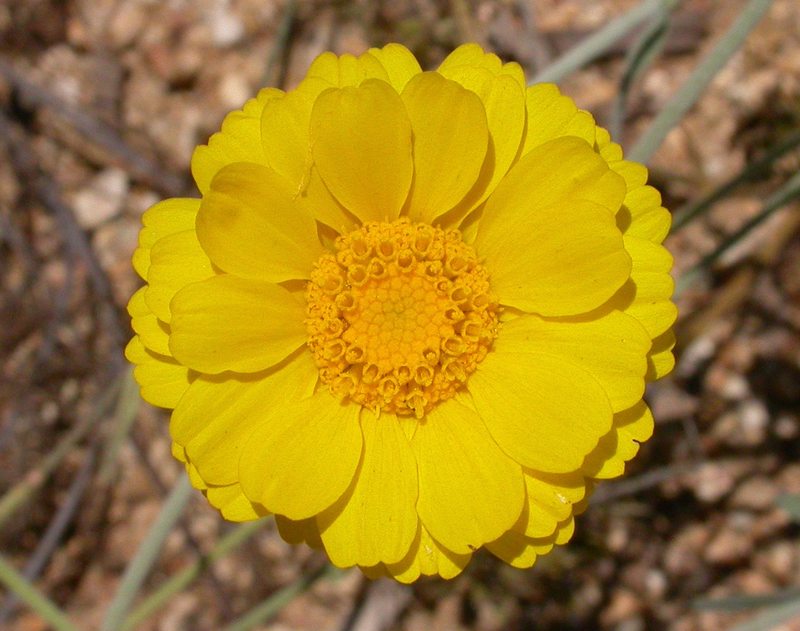
Tough as nails, desert marigold thrives even in the harsh, dry corners of your yard. This native wildflower produces bright yellow, daisy-like blooms.
Hardiness Zones: 6-10
Sun Exposure: Full sun
Soil Requirements: Well-draining, dry soils
Foot Traffic: Low
Size: 12-18 inches tall and wide
Features: Long bloom period, self-seeding, highly drought-resistant, native to the Southwest
Best Drought-Tolerant Ground Covers for Mediterranean Climates (California and Pacific Northwest)
California and the Pacific Northwest share a Mediterranean-style climate: Mild, wet winters and long, hot, dry summers. That dry summer stretch is where most lawn grasses struggle and where these three ground covers shine.
They’re particularly well-suited to water-restricted California yards and the drier inland valleys of the Pacific Northwest.
Creeping Thyme (Thymus serpyllum)
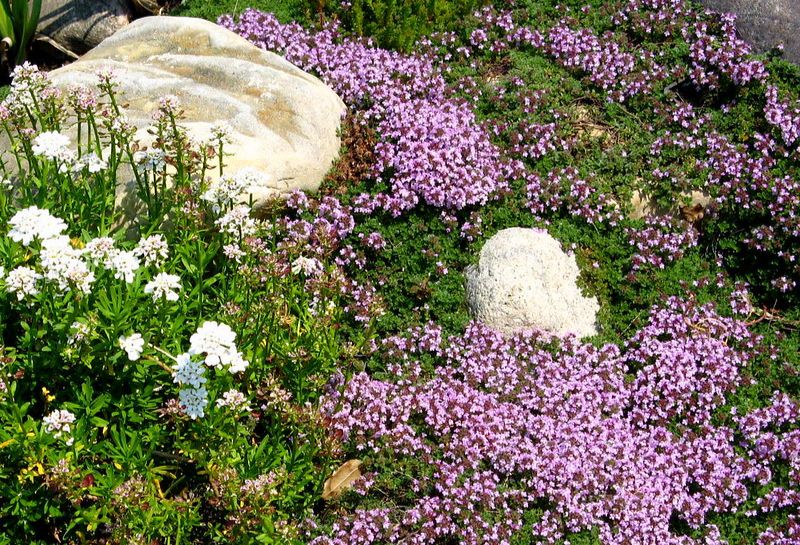
This perennial ground cover is edible and can be walked on. It forms a dense, aromatic mat that produces tiny purple blooms in summer, making it a charming, eco-friendly grass alternative.
Hardiness Zones: 4-9
Sun Exposure: Full sun to light shade
Soil Requirements: Well-draining, sandy or loamy soils
Foot Traffic: Moderate
Size: 2-3 inches tall, spreads up to 12 inches
Features: Fragrant foliage, pollinator-friendly, suppresses weeds, evergreen in mild climates
Dymondia (Dymondia margaretae)
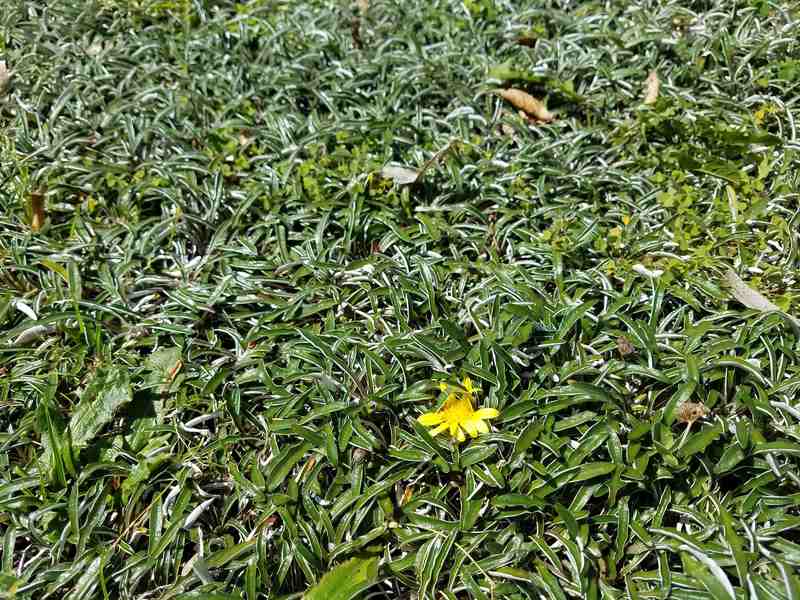
Due to its tight, resilient growth, dymondia is perfect for garden paths or dry borders. This low-maintenance ground cover has silver-green leaves and tiny yellow flowers that bloom in summer.
Hardiness Zones: 9-11
Sun Exposure: Full sun to light shade
Soil Requirements: Well-draining soil, clay (with amendment)
Foot Traffic: Moderate
Size: 2-4 inches tall
Features: Low-growing, suppresses weeds, silver-toned foliage
Manzanita (Arctostaphylos spp.)
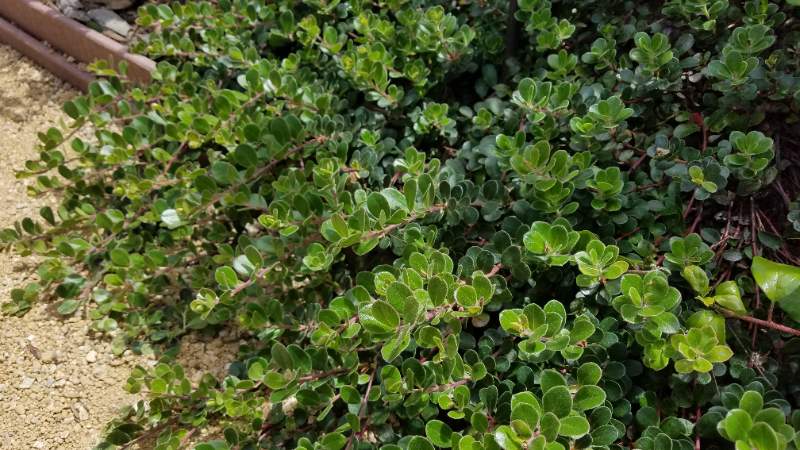
Certain low-growing manzanita varieties make an excellent no-mow grass alternative, with glossy green leaves, red bark, and early-season flowers. These native evergreens are incredibly drought-tolerant once established.
Hardiness Zones: 8-10
Sun Exposure: Full sun to partial shade
Soil Requirements: Well-draining, slightly acidic soils
Foot Traffic: Low
Size: Varies — some stay under 1 foot tall, spreading several feet wide
Features: Supports pollinators and birds, erosion control
Best Drought-Tolerant Ground Covers for Southeastern Humid Regions
Extended dry spells affect even humid Southeast landscapes — and they’re becoming more common. These ground covers handle heat, humidity, and drought equally well.
Asiatic Jasmine (Trachelospermum asiaticum)
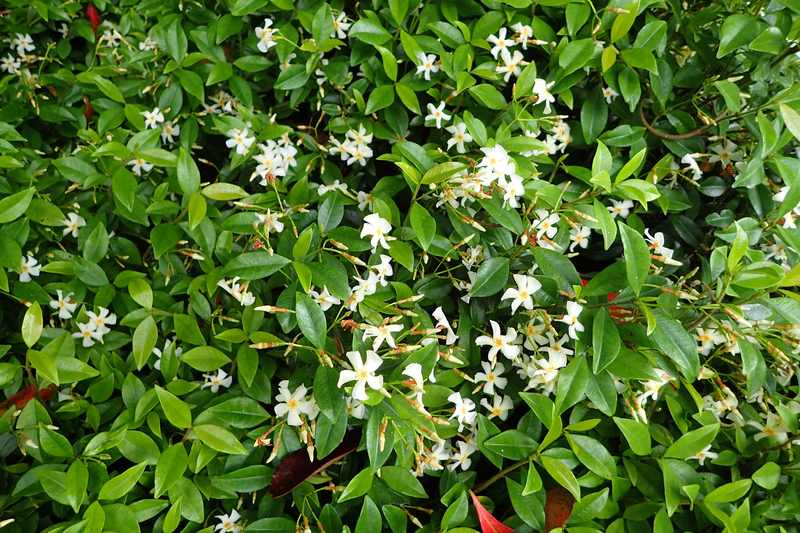
With its glossy leaves and dense growth habit, Asiatic jasmine can smother weeds. Thriving in both sun and shade, this vigorous evergreen ground cover survives dry periods once established.
Compared to mondo grass and lily turf, Asiatic jasmine is the easiest to establish since it covers more ground, Polomski says. Its long prostrate stems often root at nodes wherever they contact the soil.
Hardiness Zones: 7-11
Sun Exposure: Full sun to full shade
Soil Requirements: Well-draining, adaptable to various soil types
Foot Traffic: Low to moderate
Size: 12-18 inches tall
Features: Dense and low-maintenance, suppresses weeds, deer-resistant, evergreen foliage
Mondo Grass (Ophiopogon japonicus)
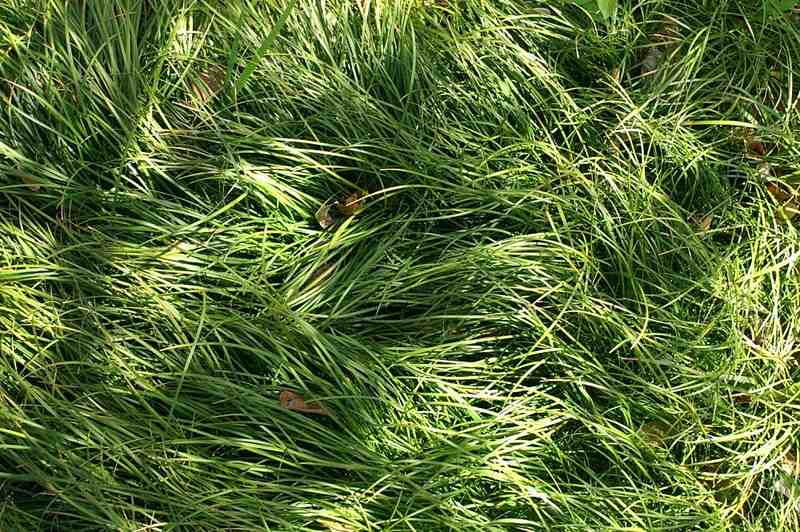
Often mistaken for turf, mondo grass is a hardy, grass-like perennial that creates a tidy, low-maintenance ground cover. Looking for a ground cover for shade? This evergreen tolerates both drought and shade.
Hardiness Zones: 6-11
Sun Exposure: Full sun to full shade
Soil Requirements: Moist, well-drained soil
Foot Traffic: Low
Size: 6-10 inches tall
Features: Erosion control, excellent for stepping stones
Lily Turf (Liriope muscari)
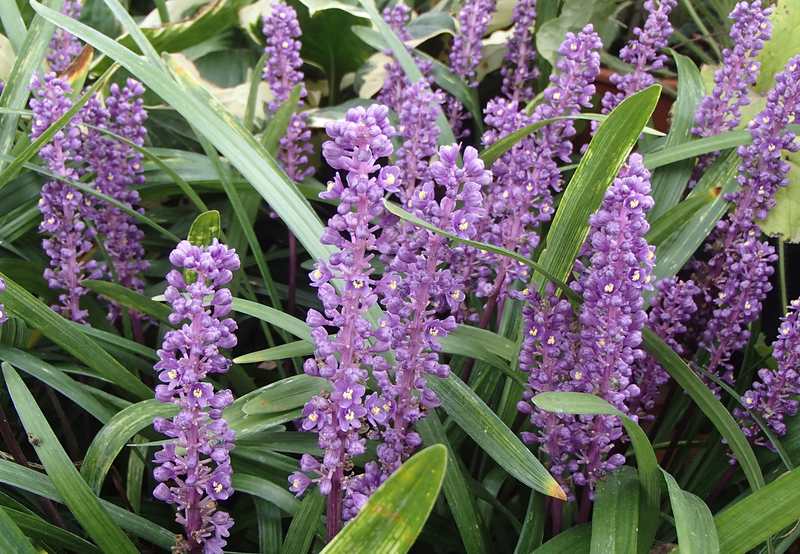
Lily turf has grass-like foliage and spikes of purple flowers in summer. It adapts well to drought, humidity, and heavy shade, making it a favorite for Southern landscapes.
According to Polomski, lily turf, which grows faster than mondo grass, is considered invasive in the Southeast. He recommends cutting it back to within 3 to 4 inches of the ground using either a string trimmer, clippers, or a mower set at its highest setting. “It should be done before the new pips (small seeds) emerge in early spring,” he adds.
Hardiness Zones: 5-10
Sun Exposure: Full sun to full shade
Soil Requirements: Well-drained, clay, and poor soils
Foot Traffic: Low to moderate
Size: 12-18 inches tall and wide
Features: Evergreen or semi-evergreen, flowering, erosion-resistant, low-maintenance
Best Drought-Tolerant Ground Covers for Midwestern and Northeastern Regions
Hot summers, cold winters, and unpredictable rainfall characterize these regions. These ground covers withstand both drought and freeze-thaw cycles.
Sedum (Stonecrop)
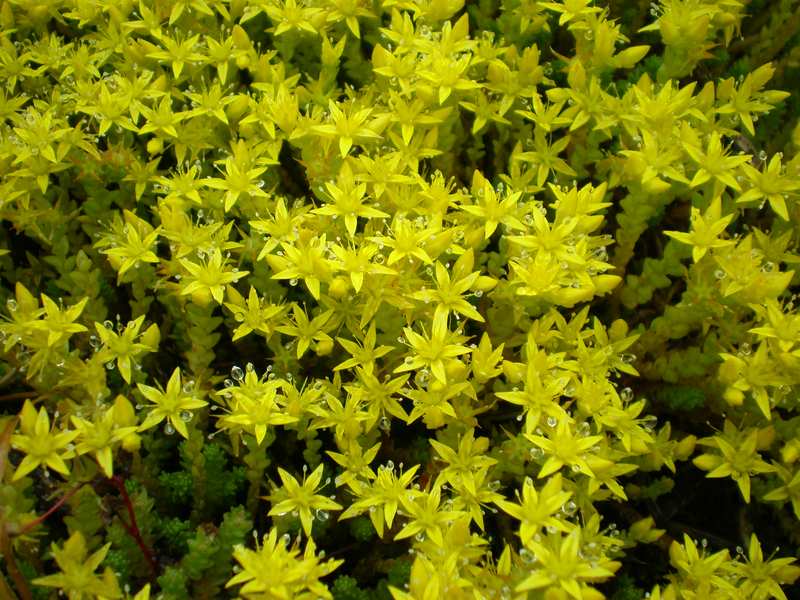
Sedum is a diverse group of succulent ground covers that store water in their fleshy leaves — perfect for drought-prone areas. They come in various colors and textures, and most species are cold-tolerant too.
Hardiness Zones: 3-9
Sun Exposure: Full sun
Soil Requirements: Well-draining, sandy or rocky soils
Foot Traffic: Low
Size: 3 inches to 2 feet tall
Features: Great for rock gardens, attracts pollinators
Wild Strawberry (Fragaria virginiana)
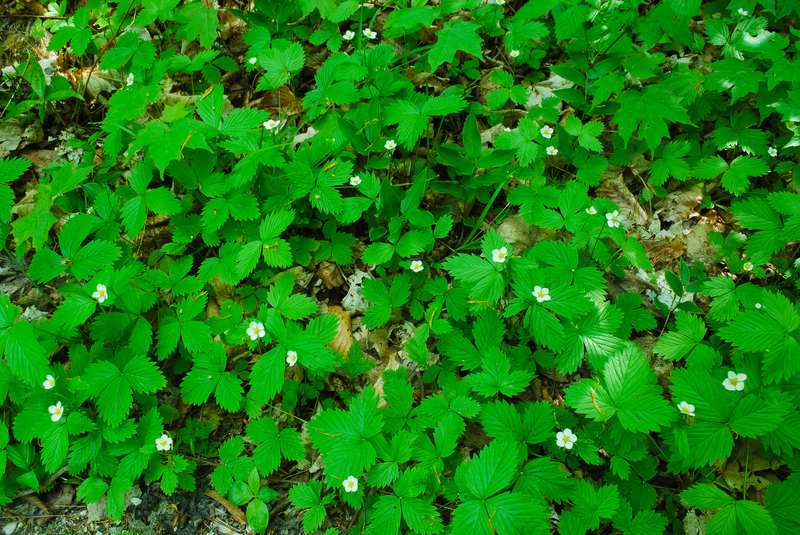
This native ground cover has charming trifoliate leaves and small, edible strawberries in summer. It spreads quickly by runners and thrives in woodland areas.
Hardiness Zones: 5-9
Sun Exposure: Full sun to partial shade
Soil Requirements: Moist, well-drained soil
Foot Traffic: Low
Size: 4-9 inches tall
Features: Wildlife-friendly, attractive ground-hugging foliage
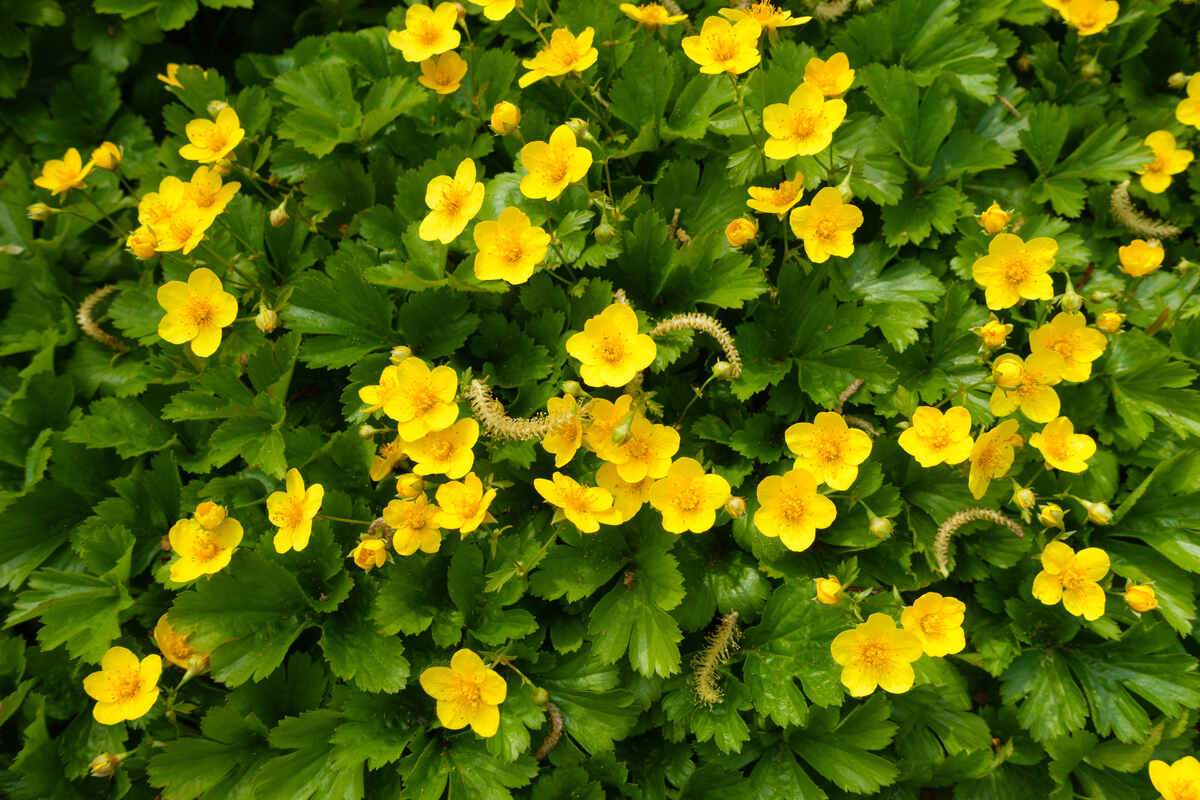
Barren Strawberry (Waldsteinia ternata)
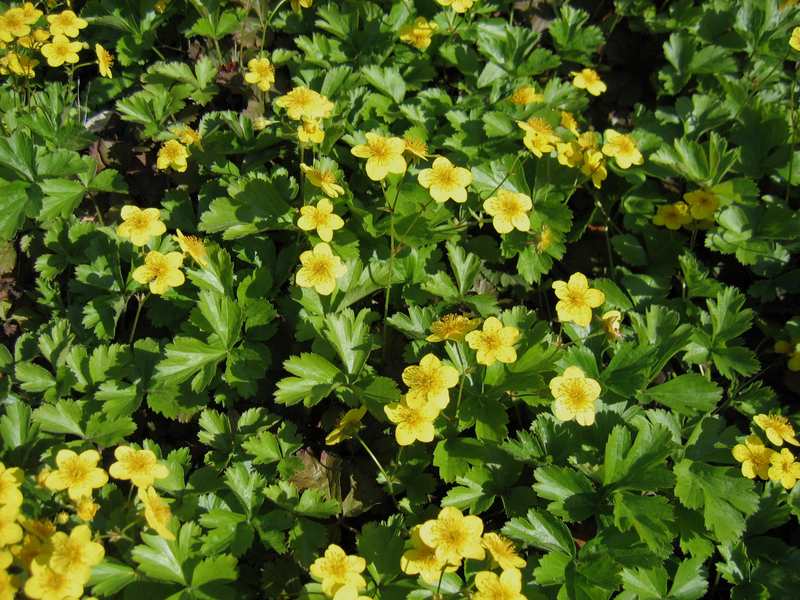
While its leaves look like true strawberries, barren strawberry doesn’t produce fruit. It’s a tidy ornamental ground cover that’s evergreen in the Midwest and Northeast.
Hardiness Zones: 4-9
Sun Exposure: Full sun to partial shade
Soil Requirements: Well-drained, moderately fertile soil
Foot Traffic: Low to moderate
Size: 3-6 inches tall
Features: Yellow spring flowers, low-maintenance, great for slopes or borders
Best Drought-Tolerant Ground Covers for Rocky Mountain and High Altitude Regions
High-elevation areas come with a specific triple challenge: cold winters, intense UV exposure, and fast-draining rocky soil that holds almost no moisture. If you’re in the Rockies — especially if you want to xeriscape in Colorado — or in mountain elevations above 6,500 feet, the ground covers below are your best options. They’ve evolved to handle exactly these conditions with minimal water.
Kinnikinnick (Arctostaphylos uva-ursi)
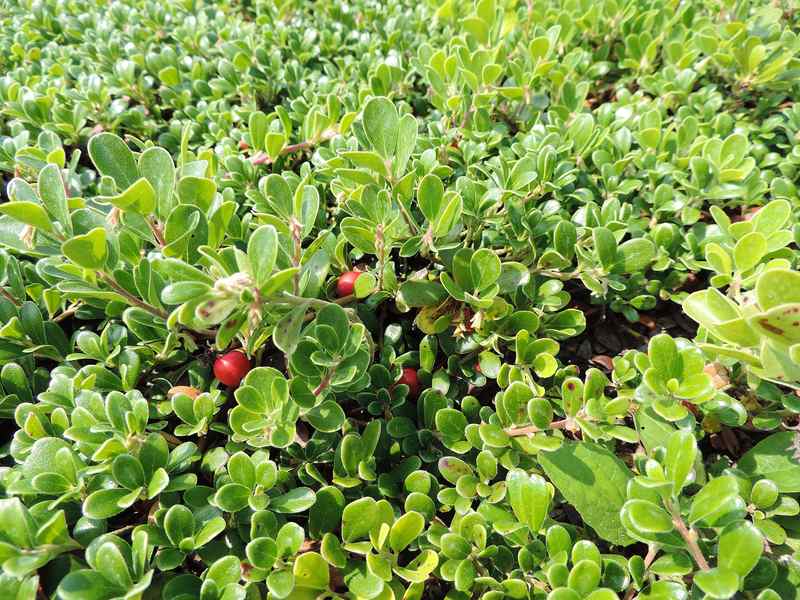
Kinnikinnick is a native evergreen ground cover with small, leathery leaves and pinkish spring flowers that produce red berries. It spreads slowly to form a dense mat.
Hardiness Zones: 3-7
Sun Exposure: Full sun to partial shade
Soil Requirements: Well-drained, acidic or sandy soils
Foot Traffic: Low
Size: 6-12 inches tall, spreads 3-6 feet
Features: Erosion control, wildlife-friendly, low water needs
Sulfur Buckwheat (Eriogonum umbellatum)
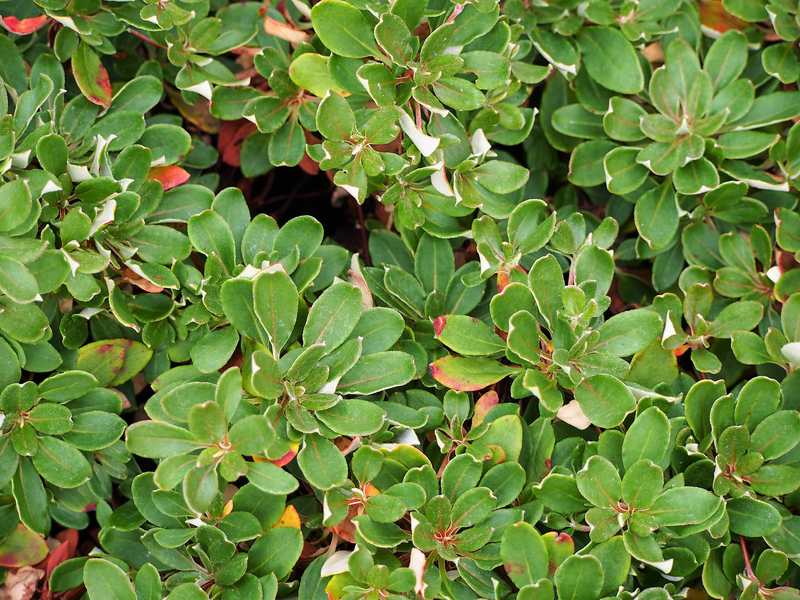
Native to the western U.S., sulfur buckwheat features clusters of bright yellow flowers that turn rust-colored as they age, persisting into fall. This flowering ground cover thrives in rocky soils and handles extreme drought easily.
Hardiness Zones: 4-8
Sun Exposure: Full sun
Soil Requirements: Well-drained, rocky soils
Foot Traffic: Low
Size: 6-12 inches tall and wide
Features: Long bloom time, attracts pollinators
Pussytoes (Antennaria spp.)
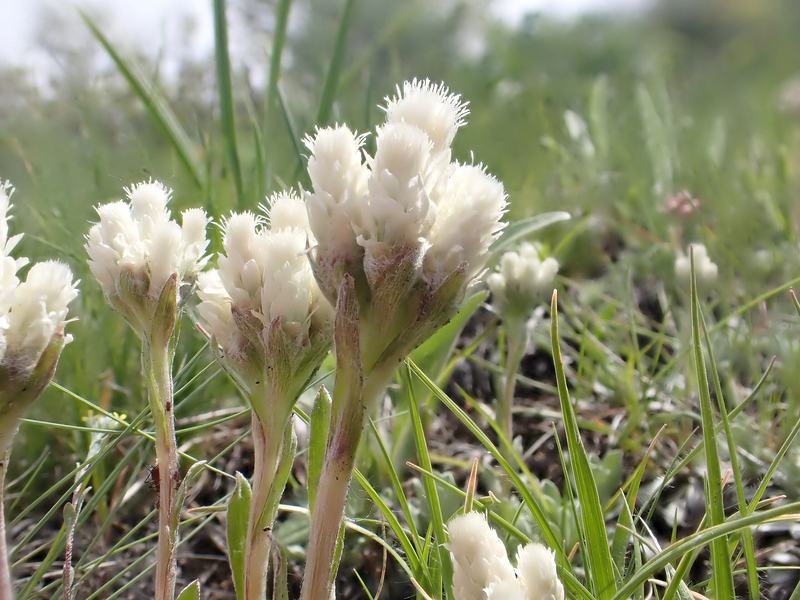
This slow-spreading perennial ground cover has fuzzy, paw-like flowers — hence the name. Pussytoes are low-growing and incredibly drought- and cold-tolerant.
Hardiness Zones: 3-9
Sun Exposure: Full sun
Soil Requirements: Well-drained, poor soils
Foot Traffic: Low
Size: 3-9 inches tall
Features: Silvery foliage, deer-resistant
See Related:
Best Drought-Tolerant Ground Covers for Areas Where Grass Won’t Grow
Every yard has that tricky spot — under a big tree, a sun-baked strip by the driveway, or a slope where nothing holds. When grass gives up, lawn removal and replacement with a drought-tolerant ground cover can solve the problem.
Turf conversion programs show at least 29.6 percent reductions in water use. The right match depends on why grass is failing, not just where:
Shady areas: Mondo grass tolerates both shade and drought with minimal maintenance.
Hot, sunny spots with poor soil: Sedum thrives in conditions that scorch most plants.
Rocky or sandy soil: Ice plant and creeping thyme actually prefer these harsh conditions.
Under trees: Asiatic jasmine and barren strawberry handle root competition and shade.
Slopes and erosion-prone areas: Kinnikinnick and ice plant establish deep roots for soil stability, helping manage stormwater runoff on slopes.
See Related:
How to Establish Drought-Tolerant Ground Cover
| Timeline | Watering Needs | What to Expect |
| First 2-3 months | 1-2 times weekly | Root establishment |
| 1-2 growing seasons | Minimal to none | Full drought tolerance; full coverage |
Follow these steps for successful establishment:
Prepare the soil: Clear all weeds and grass. Loosen the top few inches of soil and work in soil amendments if needed to help new roots spread easily.
Space properly: Check plant tags for spacing recommendations. Too close wastes money; too far apart delays full coverage.
Water consistently: Follow a watering guide of about 1 inch per week during dry periods while new plants establish, especially since according to the EPA, inefficient irrigation can waste up to 50% of water through evaporation and runoff.
Add mulch: A thin layer between plants retains moisture, blocks weeds, and keeps soil cool — mulch is one of the best landscape fabric alternatives while ground cover fills in.
Trim back in early spring (where applicable): Plants like lily turf benefit from being cut back to within 3-4 inches of the ground before new growth emerges. Most other ground covers in this guide need little to no trimming — check individual plant profiles for specifics.
FAQs
Ice plant and sedum are the top picks. Both are succulents — plants that store water directly in their fleshy leaves — so they can go weeks between waterings once established. Ice plant works best in hot Southwest climates (Zones 5-10), while sedum thrives across a wider range (Zones 3-9) and handles cold winters too.
If you want the look of a lawn without the water bill, two plants stand out: Mondo grass creates a tidy, turf-like carpet (Zones 6-11) and thrives in both sun and shade. Dymondia forms a tight, low silver-green mat (Zones 9-11) and handles moderate foot traffic — making it a popular choice for California and Pacific Northwest yards. Both need minimal irrigation once established.
Yes — and it’s often a smart approach. Mixing varieties creates a more dynamic landscape as long as they share similar sunlight, soil, and watering needs. For example, creeping thyme and sedum pair well in rock gardens, while mondo grass and Asiatic jasmine work together in shady yards. Choose plants with different textures and bloom times for year-round interest.
It depends on the plant. Some drought-tolerant ground cover options can irritate pets or cause illness if chewed, while others are generally considered low-risk. Check the specific species (and cultivar) for toxicity, and ask your vet if you’re unsure. If pets roam freely, consider using barriers during establishment.
Let LawnStarter Help with Your Drought-Tolerant Ground Cover
Regardless of where you live, there’s always a hardy, low-maintenance ground cover that can thrive in your climate. With the right plant choice and a little patience, you can have a beautiful yard that won’t drain your water bill — or your weekends.
Ready to stop guessing and start growing? LawnStarter’s landscaping service connects you with our local landscaping pros who know your region’s plants, soil, and conditions. They’ll choose, design, and install the right drought-tolerant ground cover for your yard.
Barren strawberry (Waldsteinia ternata) yellow flowers. Photo Credit: Elena Terletskaia / Adobe Stock / License
- Read More:
- Best Drought-Tolerant Shrubs
20 Best Drought-Tolerant Trees by Region
What is Drought-Tolerant Landscaping?
Related Posts: