| Key Takeaways: |
|---|
| • Mow at your normal height; scalping (mowing too low) stresses your lawn • Think twice before you fertilize; it's safer to fertilize when you come back • Check the weather forecast to know if you need any extra preparation |
You’ve packed your bags, set your out-of-office, and you’re ready to go. The last thing on your mind? Prepping your lawn before summer vacation. But come home to an overgrown, patchy, or storm-damaged yard and that post-vacation glow fades fast.
A little prep before you leave goes a long way. From mowing at the right height to securing loose yard items before a storm, these 6 simple steps and expert tips will keep your lawn healthy and your return home a lot more pleasant.
For one less thing on your pre-vacation to-do list, let LawnStarter mow your lawn before you leave or while you’re away. Get a free, 2-minute lawn mowing quote today.
1. Know Your Lawn’s Needs Before You Go
Before you do anything else, check what the weather will look like while you’re away. A mild, rainy week is very different from a stretch of heat and sun, and your lawn prep should reflect that.
Sharon Sullivan, senior managing editor at LawnStarter, says, “Since I do my own lawn care, I always have to prepare before leaving on vacation. I always check the forecast so I know what to expect. You can prepare if you know there is a tropical storm or hurricane coming, but the afternoon thunderstorms (in Florida) can be pretty severe.”
If rain is in the forecast, you can ease up on watering and let nature handle it. But if temperatures are climbing or a dry spell is coming, you’ll need to plan for extra irrigation so your grass doesn’t dry out while you’re gone.
It’s also worth considering your grass type to decide how much support it needs while you’re away. Warm-season grasses tend to handle heat and short dry periods better, while cool-season grasses can struggle more in hot weather.
See Related: LawnStarter’s Summer Lawn Care Checklist: Tasks for Early, Mid, and Late Summer
2. Give Your Lawn a Last Mow
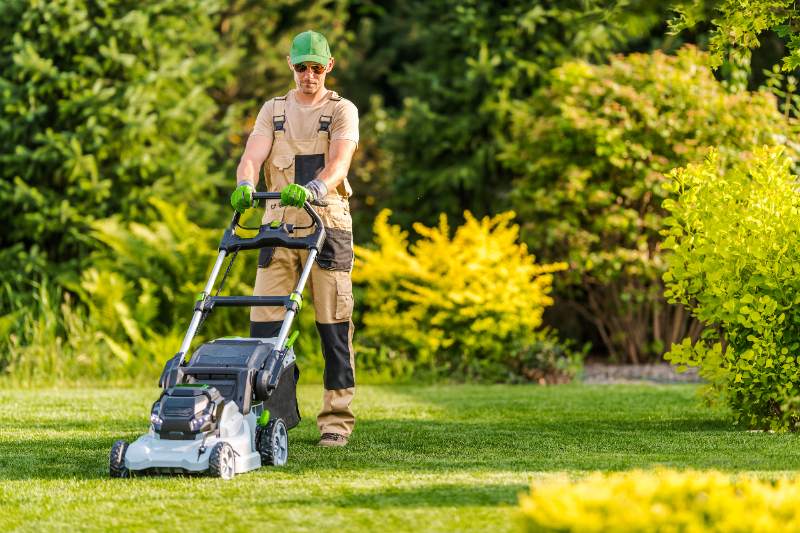
Cutting your grass extra short before a trip to “buy time” usually backfires.
Robert Polomski, associate Extension specialist at Clemson, says, “By maintaining the appropriate height for your particular turfgrass, you will allow the root system to fully develop, helping the grass tolerate summer heat and stress. Avoid the temptation to reduce the height of your lawn because you want to make it less overgrown when you return home.”
When Polomski is planning a trip, he doesn’t usually raise the mowing height, nor does he lower it. His suggestion? “A day or two before you leave, mow it at the normal height and forget about it.”
As for Sullivan, that depends on the weather forecast: “If there is rain expected while I’m gone, I usually mow a little lower – maybe 1/4 inch lower or so – so it isn’t too high when I get home. If we are in a drought, like we are right now, then I won’t lower my mower deck and cut lower. I’ll mow at my normal height.”
Stick to these pre-vacation mowing tips:
- Never remove more than one-third of the grass blade in a single mow.
- Make sure your mower blades are sharp.
- Leave the clippings on the lawn so they break down and return moisture and nutrients while you’re away.
Pro Tip: If you’ll be gone longer than one week, hire a neighbor or a local lawn care service to mow while you’re away.
3. Prepare Your Watering Strategy
Give your lawn a deep soak the morning you leave. The goal is to saturate the soil, not just wet the surface, so the roots have enough moisture to last while you’re away.
If you have an irrigation system, set it to run early in the morning (between 4 a.m. and 10 a.m.). This reduces evaporation and helps more water reach the roots where it’s needed. If you hand-water with a hose, make sure to disconnect it to avoid water pressure buildup.
Keep an eye on the forecast, too. If rain or storms are expected while you’re gone, you can scale back or skip watering. But if it looks dry or hot, make sure your system is set up to cover at least part of your lawn’s weekly water needs while you’re away.
For Polomski, having a rain sensor and making sure it is fully functional before you leave goes a long way.
Pro Tip: Plan for landscaping beds, too. If your flowers or other ornamentals need water while you’re gone, ask a friend or neighbor to water these plants if your sprinklers don’t cover them.
See Related: How Long to Water Your Lawn in Summer
4. Think Before Fertilizing
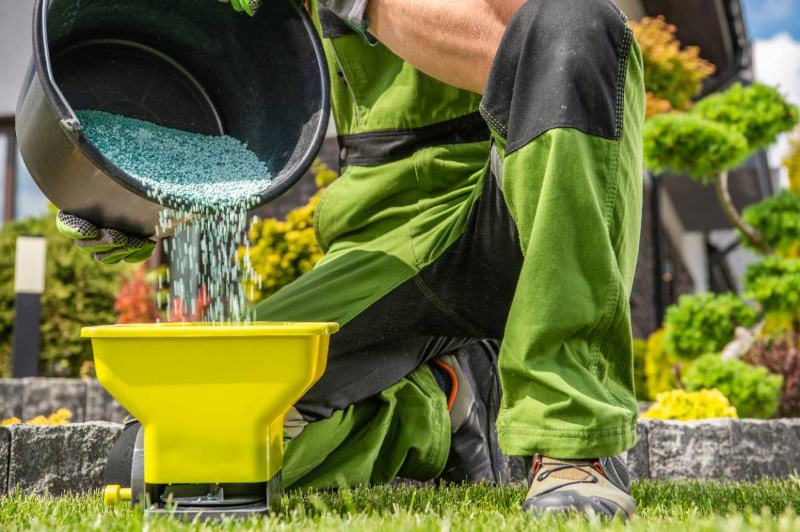
Polomski says, “I also recommend not fertilizing the lawn before you depart. Rain or irrigation water is necessary to dissolve the fertilizer granules to make them available to turfgrass roots. When I’m home, I have better control of timing the fertilizer application with the weather than when I’m away.”
But if you plan to fertilize before your trip, keep it simple and low-risk:
- Use a slow-release fertilizer about a week before you leave: It feeds your lawn gradually without triggering fast growth that would need mowing.
- Avoid quick-release fertilizers right before your trip: They act fast, but can push too much growth, or stress the lawn if conditions turn hot and dry.
- When in doubt, skip it: It’s safer to fertilize when you get back than to overdo it while you’re away and can’t monitor the results.
5. Control Weeds and Pests
Before you leave, take a quick walk through your yard and check for any signs of weeds or pests. It’s much easier to deal with a small issue now than to come back to something that’s spread across your lawn.
Pull any visible weeds so they don’t go to seed while you’re away, and keep an eye out for early signs of pest activity, like brown patches, chewed grass blades, or unusual thinning. If you spot a problem, treat it before you go so it doesn’t get worse while you’re gone.
Consider asking a neighbor or friend to do a quick walk-through while you’re away, especially if you’re planning to stay away longer than 2 weeks. A second set of eyes can catch issues early before they get out of control.
See Related: 11 Summer Lawn Pests and How to Get Rid of Them
6. Prepare Your Yard for Weather Events
Before you leave, check the forecast for your area. Heat waves, heavy rain, or storms can all affect how your lawn holds up while you’re gone, and a little prep can prevent damage.
Sullivan says, “The one thing about Florida is the unpredictable weather, especially during the summer. If I’m leaving, I prepare for the worst by making sure everything in my yard is secure or put up. We’ve had many summer storms with high winds, heavy rains, and tornado warnings. I want everything to be in the same place I left it and not in my neighbor’s yard!”
- Secure or store loose items: Lawn furniture, planters, umbrellas, and kids’ equipment can get tossed around in high winds.
- Clear drainage areas: Make sure gutters, downspouts, and low spots aren’t blocked so water doesn’t pool on your lawn.
- Reduce standing water and hiding spots: Empty or turn over buckets, planters, and other containers so water doesn’t collect when it rains, and clear debris where critters might nest while you’re away.
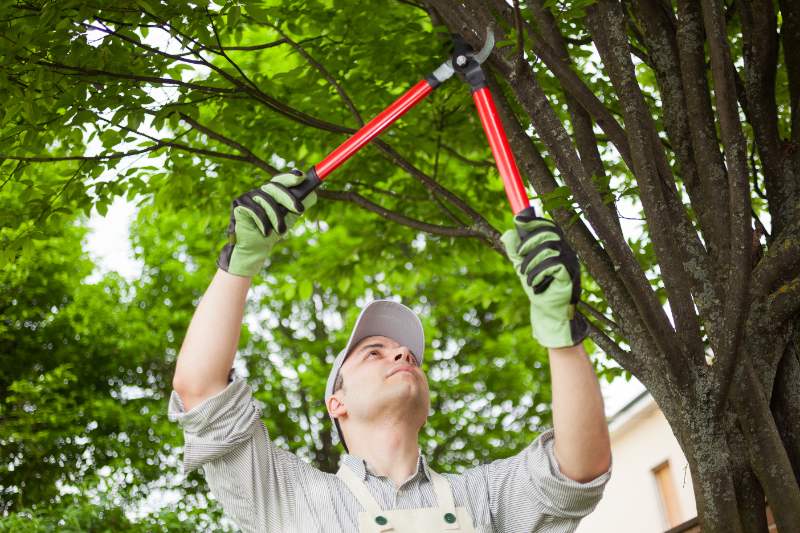
- Trim weak branches. Remove any dead or overhanging limbs that could fall and damage your yard during a storm.
- Prep your pool for storms: Lower the water level slightly to prevent overflow, turn off pool equipment to protect it from damage, and secure or store pool toys, floats, and covers.
See Related:
— 11 Hurricane-Resistant Landscaping Ideas for Florida
— How to Create Fire-Resistant Landscaping
Extra Tips Before You Head Out
Here are some additional things to keep in mind before you leave for your well-deserved vacation:
- If you’re leaving for just a few days, you don’t need to overthink it. A fresh mow and a deep watering are usually enough to keep your lawn in good shape.
- For trips lasting 1 to 2 weeks, it’s worth setting up some support. Make sure your irrigation system is properly scheduled, and consider applying a slow-release fertilizer in advance if you haven’t already.
- If you’ll be gone for more than 2 weeks, think about asking a neighbor or friend to check in.
For longer trips, letting your lawn go dormant can be a practical option. Many healthy lawns can handle a few weeks without water by going into a temporary dormant state, especially during hot, dry periods. It may look brown when you return, but it can recover once regular watering resumes.
And if you come back to an overgrown lawn, resist the urge to cut it back to normal height all at once. Polomski says he’s had that problem when a family member forgot to mow his hybrid Bermuda lawn when he was away for two weeks. “When we returned, it looked like a pasture without any grazing animals,” he says.
Rather than scalping the lawn, Polomski raised the mower deck and removed only one-third of the grass height, waited two days, and then mowed again. “I didn’t want to shock the turf by immediately cutting it down to its routine height.”
Leave With Peace of Mind
Getting your lawn ready before vacation doesn’t take much, but it can save you from coming home to a mess. A quick mow, a deep watering, and a few smart adjustments based on the weather and your trip length can keep your yard in good shape while you’re away.
If you’re short on time or just don’t want one more thing on your list, you can always call in a LawnStarter mowing pro to handle it before you go. That way, you can focus on packing your bags, not squeezing in yard work at the last minute.
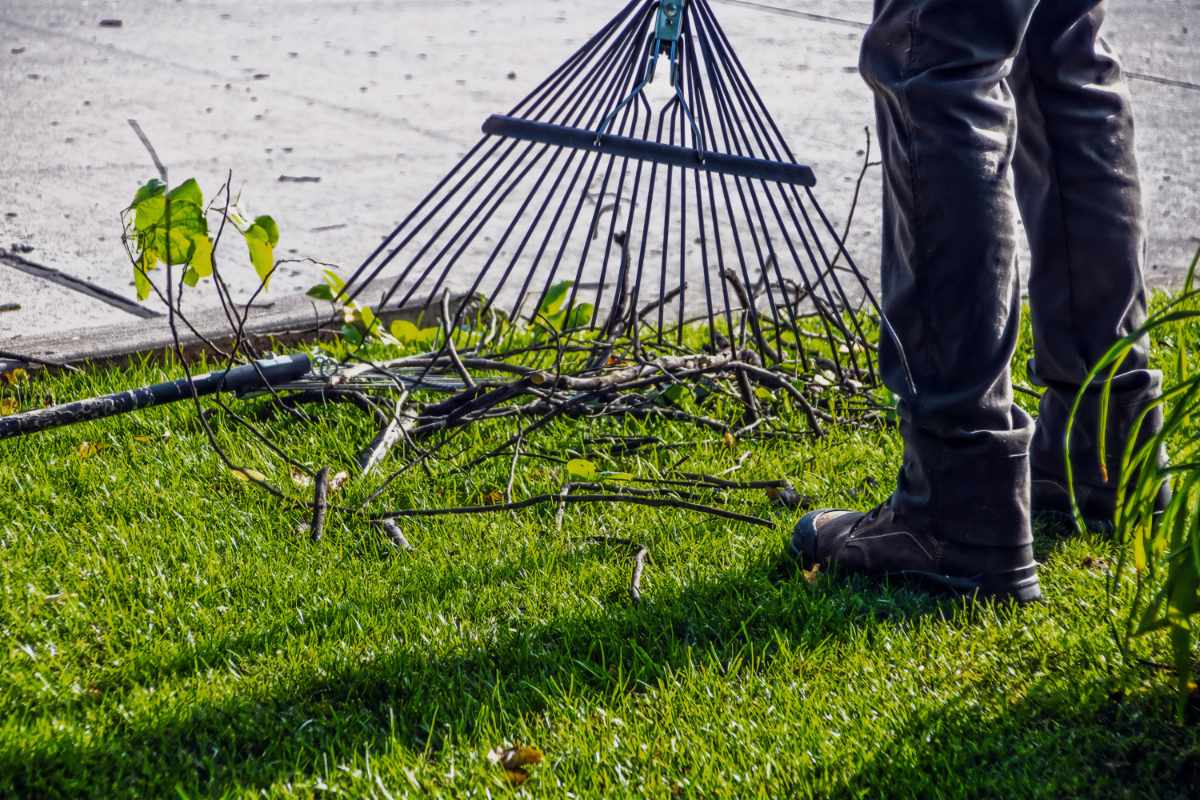
Main Image: Man cleaning up fallen limbs with rake in yard. Image Credit: Susan Vineyard / Adobe Stock
Related Posts: