| Key Takeaways: |
|---|
| • Leave clippings on your lawn (grasscycling) to save up to 40% mowing time and provide 25% of lawn fertilizer needs. • Use grass clippings as mulch to retain moisture and suppress weeds in gardens and flower beds. • Compost grass clippings with carbon-rich "brown" materials to create versatile fertilizer in 3-6 months. |
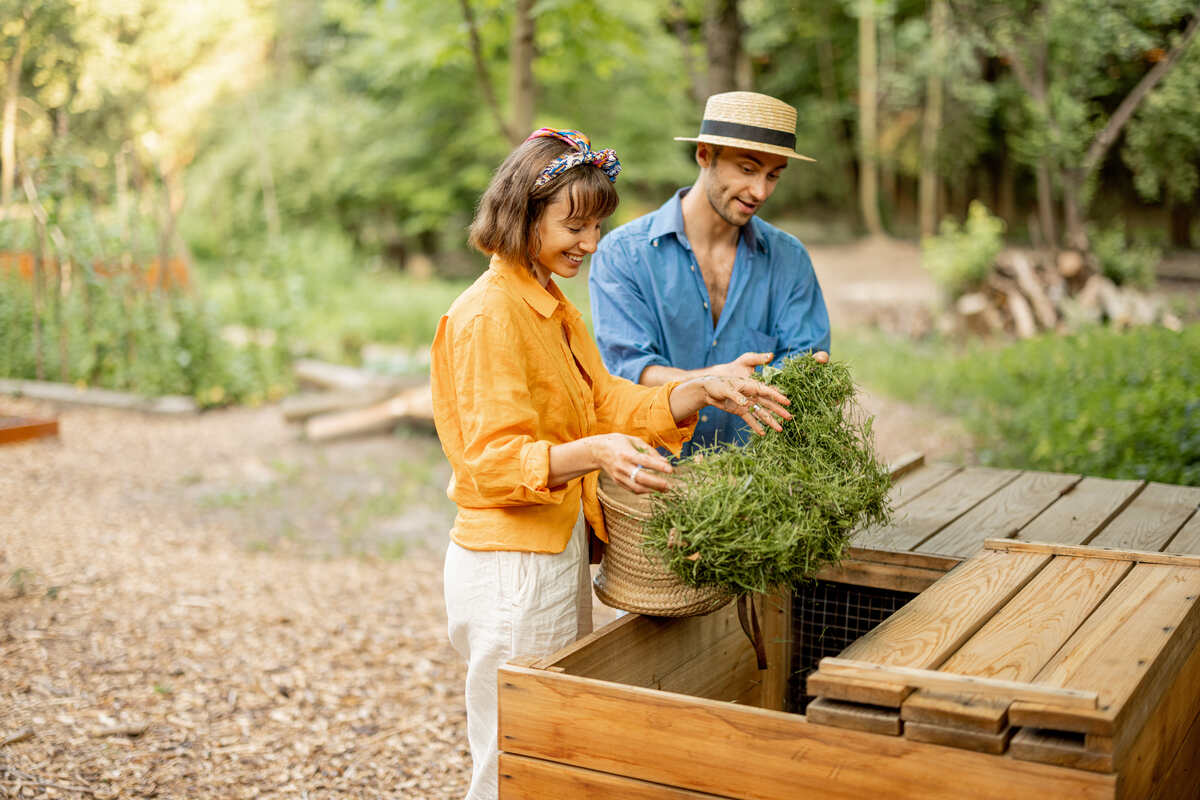
Wondering what to do with grass clippings after mowing? You have 3 simple options: Leave them on your lawn (grasscycling), spread them as garden mulch, or add them to a compost pile.
Each method turns clippings into free fertilizer while reducing yard waste, but grasscycling stands out as the simplest — it saves time, eliminates bagging, and feeds your lawn naturally.
Most homeowners overthink composting grass. The truth is, your clippings are already decomposing the moment you cut them — you’re just choosing where that happens.
Whether you want the fastest option (grasscycling requires no extra work) or prefer to create rich compost for your garden beds, there’s a method that fits your routine and yard size. Done right, you’ll never bag clippings again.
| Rather skip all of it? Hire a LawnStarter lawn care pro to handle the mowing and leave the clippings to feed your lawn. |
What Happens to Grass Clippings Naturally
Grass clippings are “green” compost material, meaning they’re packed with nitrogen. When left alone, they decompose quickly — usually within 1-2 weeks in warm weather. This natural process returns valuable nutrients to your soil, including nitrogen, phosphorus, and potassium.
The catch? Fresh grass clippings are about 80%-85% water, according to the University of Missouri. When piled too thick, they form a matted, smelly mess instead of breaking down properly. That’s why proper aeration and balance matter, whatever composting method you choose.
Method 1: Grasscycling (Leave Clippings on Your Lawn)
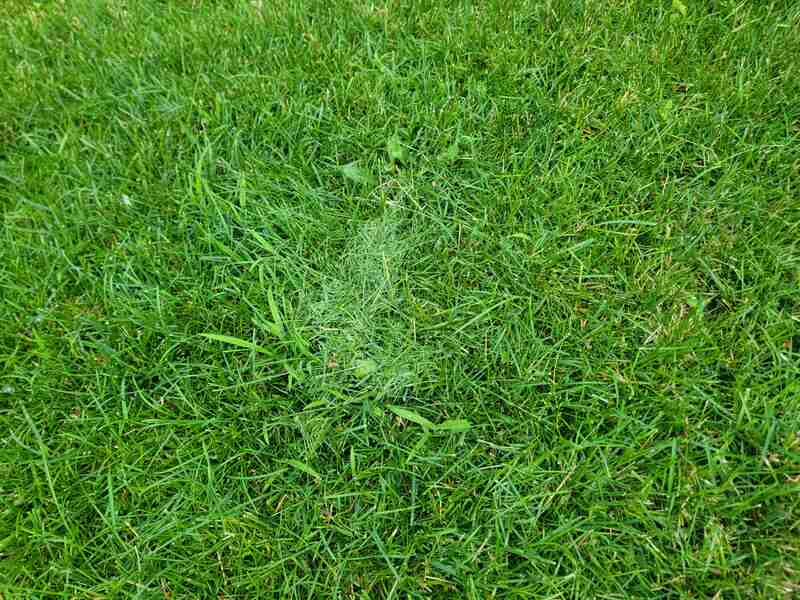
Best for: Homeowners who want the easiest, fastest option with immediate lawn benefits.
Grasscycling means leaving grass clippings on your lawn after mowing. You’ll save time bagging, and feed your lawn as the clippings decompose.
How to Grasscycle Successfully
- Mow when the grass is dry to prevent clumping and matting.
- Keep to the one-third mowing rule for faster decomposition.
- Cut grass at the recommended mowing height.
- Use sharp mower blades for clean cuts that decompose better.
- Mow at least weekly to prevent long, messy clippings.
Pro Tip: A mulching mower chops clippings into fine pieces that usually disappear within 7-10 days. Standard mowers work too if you mow regularly to keep the clippings short — the key is cutting length, not equipment.
Pros:
- No extra equipment needed
- Reduces mowing time up to 40%, according to BioAdvanced
- Fast decomposition
- Provides up to 25% of your lawn’s fertilizer needs
Cons:
- Not ideal for overgrown lawns
- Can spread weeds or disease
What if the grass is too long? Bag the first pass, then grasscycle going forward. Clippings over 1 inch can smother grass and may worsen existing thatch problems.
Method 2: Use Grass Clippings as Garden Mulch
Best for: Gardeners who want to suppress weeds and retain soil moisture in vegetable gardens and flower beds.
Spread a thin layer of grass clippings across the soil and around plants. They act as mulch, feeding soil microorganisms as they break down.
How to Mulch with Grass Clippings
- Let fresh clippings dry for a day to prevent matting and heat buildup.
- Spread in an even layer no more than 2 inches thick.
- Keep clippings away from plant stems to prevent rot and pest issues.
- Refresh every 2-3 weeks as the layer decomposes.
Pros:
- Free, readily available material
- Suppresses weeds naturally
- Retains soil moisture
Cons:
- May attract pests if applied too thickly
- Can spread weed seeds or disease
- Requires frequent reapplication
What if my lawn has weeds or was recently treated? Skip the mulch method. Clippings from lawns with heavy weed infestations (especially dandelions) or recent herbicide applications will spread problems to your garden beds.
See Related:
– What Is Mulch?
– How to Get Rid of Dandelions
Method 3: Add to a Compost Pile or Bin
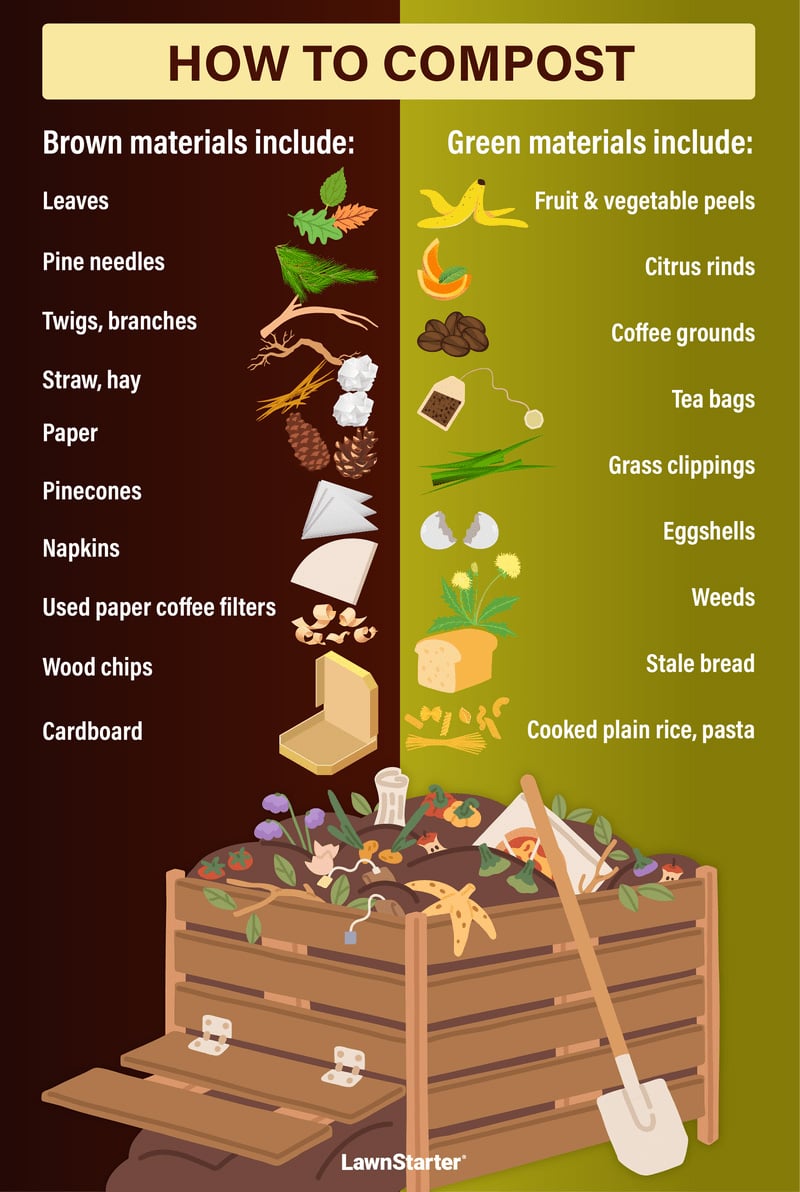
Best for: Gardeners who are willing to maintain a compost system to reap the benefits of finished compost.
Add grass clippings to a compost pile or bin to create nutrient-rich finished compost you can use throughout your yard and garden.
How to Compost Grass Clippings in a Pile
Grass clippings are excellent compost accelerators due to their high nitrogen content. The ideal compost ratio is 1 part nitrogen-rich “green” materials (grass) to 30 parts carbon-rich “brown” materials (leaves, shredded paper, cardboard). This 1:30 nitrogen-to-carbon ratio prevents the smelly, slimy mess that comes from too much grass.
Step-by-step process:
- Choose a location with good drainage and partial shade.
- Start with a 6-inch layer of browns (wood chips, leaves, or shredded paper).
- Add 2-3 inches of dry grass clippings.
- Continue alternating layers, always sandwiching grass between brown materials.
- Water lightly until the pile feels like a wrung-out sponge.
- Turn every 2-4 weeks to introduce oxygen and speed decomposition.
Note: Wet grass requires twice as many brown materials and more frequent turning. When possible, let clippings dry before composting or use the grasscycling method instead.
Pros:
- Creates versatile compost for the entire garden
- Reduces landfill waste significantly
- Properly balanced compost is odor-free
Cons:
- Requires space and regular maintenance
- Needs brown materials on hand
- Slower process
Composting in bins: The process is identical, but bins contain the pile and reduce odors. They’re ideal for small yards or suburban settings where appearance matters.
How long does it take? With proper management, grass clippings break down in 2-4 weeks. Your full compost pile will be ready in 3-6 months.
For detailed instructions on building and maintaining compost piles, including troubleshooting common problems, read our guide: Composting 101: How to Start Composting.
See Related:
– What to Do With Fallen Leaves in Your Yard
Environmental Benefits of Composting Grass
Composting grass clippings delivers measurable environmental benefits:
- Reduces landfill waste: The EPA reports that yard trimmings account for 35.4 million tons (12.1%) of municipal solid waste annually. Composting your grass clippings keeps this organic matter out of landfills.
- Cuts greenhouse gas emissions: Organic matter in landfills breaks down without oxygen (anaerobic decomposition), producing methane, carbon dioxide, and nitrous oxide. Composting prevents this.
- Reduces fertilizer needs: Compost provides slow-release nutrients to plants and soil, reducing reliance on synthetic fertilizers that require significant energy to produce.
- Improves soil health: Adding organic matter through compost increases soil water retention, reduces erosion, and supports beneficial microorganisms that promote plant health.
FAQs About Composting Grass Clippings
Fresh grass clippings decompose in 1-2 weeks on a lawn (grasscycling) and 2-4 weeks in a properly managed compost pile. Decomposition speed depends on temperature, moisture, and proper mixing with brown materials. Thick piles or wet clumps take up to 6-8 weeks.
No, grass-only compost creates a slimy, foul-smelling mess because grass is too high in nitrogen and moisture. You need carbon-rich brown materials (leaves, wood chips, shredded paper) to balance the pile.
No, grass clippings don’t cause thatch (except in Zoysiagrass, according to the University of Florida’s IFAS Extension). Research shows thatch buildup comes from grass stems, roots, and crowns — not clippings, which are 80%-85% water and decompose rapidly. However, excessively long clippings can worsen existing thatch problems by preventing proper decomposition.
Get a Healthier Lawn Without the Work
Whether you choose grasscycling for zero extra work, mulching for your garden beds, or composting for versatile finished material, all 3 methods turn grass clippings into valuable nutrients. Grasscycling stands out as the simplest — it saves time, eliminates bagging, and feeds your lawn naturally.
Of course, the easiest option is letting someone else handle it. LawnStarter connects you with our local lawn care professionals who can mow, mulch, and maintain your yard while using sustainable practices like grasscycling.
Get a Free Lawn Mowing Quote from Local Pros →
Sources
- “Chapter 4, Building and Maintaining a Compost Pile.” By Texas A&M AgriLife Extension.
- “Compost Chemistry.” Cornell Composting.
- “Composting and Climate Change.” University of Maryland Extension.
- “Grass Clippings, Compost and Mulch: Questions and Answers.” By Chris Starbuck, reviewed by Manoj Chhetri. University of Missouri Extension.
- “Grass-cycling.” IFAS Extension.
- “Grasscycling: Lawn Care’s Biggest Bargain.” BioAdvanced.
- “Grasscycling: Let the Clippings Fall Where They May.” By Clint Waltz and Becky Griffin. University of Georgia. College of Agriculture & Environmental Sciences.
- “National Overview: Facts and Figures on Materials, Wastes and Recycling.” Environmental Protection Agency.
- “Yard Trimmings: Material-Specific Data.” United States Environmental Protection Agency.
Main Image: Young couple throwing cut grass to compost bin. Image Credit: rh2010 / Adobe Stock
Related Posts: