| Key Takeaways |
|---|
| • Centipedegrass thrives on deep, infrequent watering — about 1 inch weekly during the growing season. • Sandy soils typically need water multiple times a week; clay soils may need water only once weekly. • Monitor signs of stress like folded blades to fine-tune your watering schedule. |
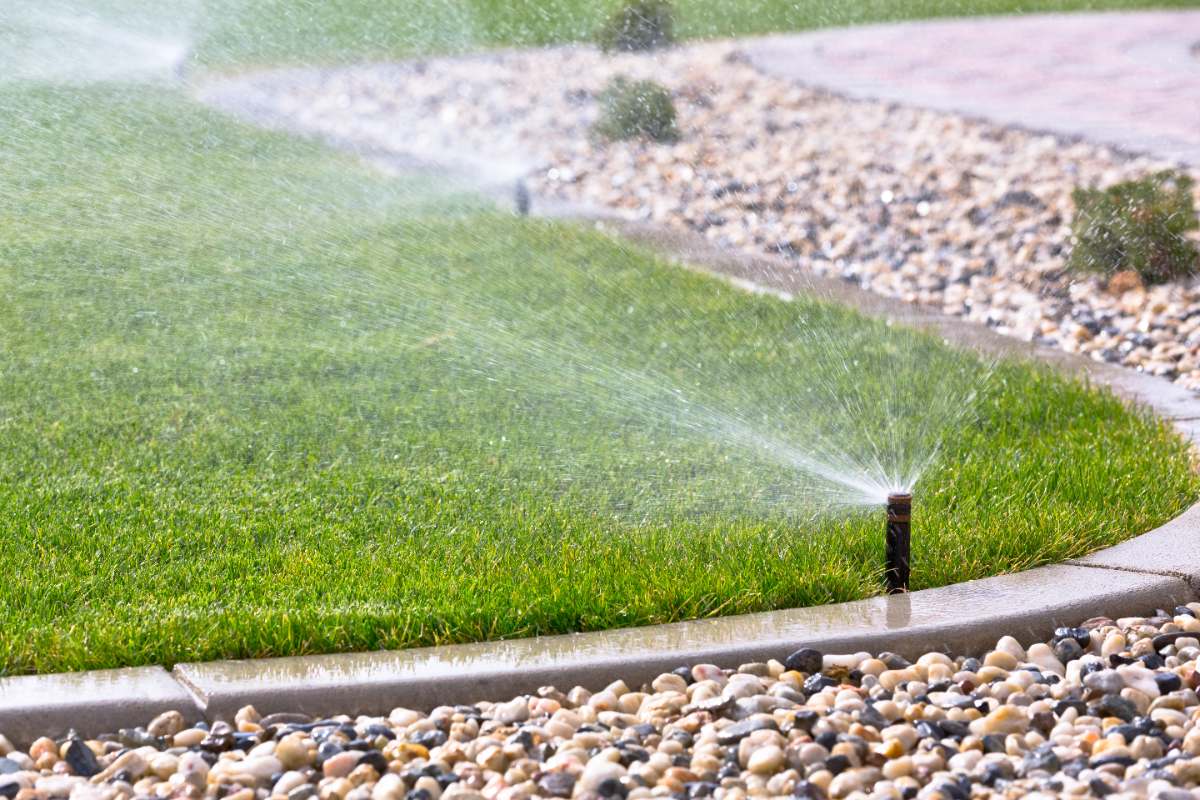
Centipedegrass needs about 1 inch of water per week during its growing season, including rainfall. For homeowners across the Southeast, from South Carolina to Texas, this makes it one of the most water-efficient warm-season grasses available.
“Centipedegrass naturally prefers the “lean” side: Too much water pushes out oxygen, weakens the root system, and invites disease like large patch,” says Eric DeBoer, assistant professor of turfgrass management at Louisiana State University.
Still, the exact timing depends on whether you have sandy soil (typically every 3 days) or clay soil (typically weekly), adjusted based on weather conditions and your grass’s response.
With tips from 2 turfgrass experts, let us help you achieve a hydrated centipede lawn in every season and soil type.
Centipedegrass Water Requirements at a Glance
| Season | Water Amount | When to Water |
| Spring (Mar-May) | 1 inch/week | Water as needed |
| Summer (Jun-Aug) | 1-1.25 inches/week | 1-2 deep waterings/week when temps are below 90 degrees; see options for higher temps* |
| Fall (Sep-Nov) | 0.5-1 inch/week | Water as needed; reduce as temps drop |
| Winter (Dec-Feb) | 0.5 inches | Every 2-3 weeks during warm, dry spells |
| *Summer options above 90 degrees consistently: Dormant (0.5 inch every 3-4 weeks) or Green (1-1.25 inches/week). | ||
Watering Centipedegrass by Season
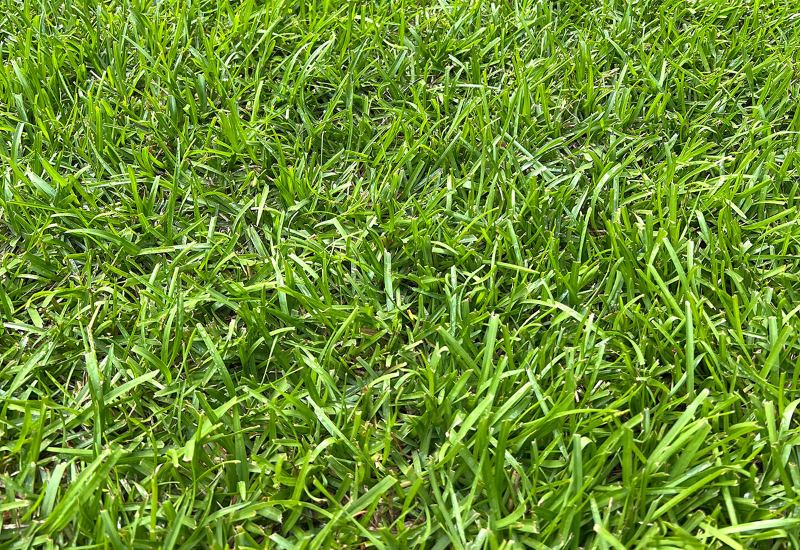
Centipedegrass is a warm-season grass that thrives during late spring and summer and goes dormant in winter. You should adjust your watering to match the grass’s changing needs.
For homeowners low on time or resources, centipede (dubbed the “lazy man’s grass”) is ideal. It’s not a thirsty grass, and too much water can do more harm than good.
Spring Watering (March-May)
Spring marks the end of centipedegrass dormancy. Spring rainfall typically meets the grass’s watering needs, but if conditions are unusually hot and dry, or rainfall is low, you’ll need to irrigate.
When should you start applying water? Not “until the grass is fully greened-up and growing,” DeBoer says.
Status: Coming Out of Dormancy
Seasonal “sound bite” tip: “Don’t water the straw. If it’s still dormant brown, no more than 1 weekly irrigation event,” DeBoer says.
Watering guidelines:
- Established grass needs 1 inch of water per week (including rainfall).
- Water between 4 a.m. and 10 a.m. to discourage fungal diseases.
Important: New sod areas and freshly seeded lawns have different watering requirements.
Pro Tip: “In the spring and fall, I would have irrigation off as my default setting and turn it on only when it is hot (above 90 degrees) and dry (no rainfall for several days, or the grass is starting to wilt). Let the grass tell you when it needs water,” says David Han, associate professor and Extension specialist in turfgrass management at Auburn University.
Summer Watering (June-August)
Summer presents the biggest watering challenge. Centipedegrass actively grows under moderate summer conditions but may enter dormancy during extreme heat to protect itself. But irrigation needs remain low.
“In most of the Southeast, (summer) rainfall can meet 60% to 80% of centipedegrass’s water demand,” DeBoer says. Water only “when rainfall drops below about 1 inch per week, when the lawn begins to show early drought stress (bluish color, footprints staying in the turf), or during extended hot, dry periods in late summer.
“In most years, irrigation is applied in short runs scattered through June, July, and August — not continuously,” he says.
Status: Actively Growing (below 90 degrees)
Seasonal “sound bite” tip: “Deep and occasional beats shallow and daily,” DeBoer says.
Watering guidelines:
- Apply 1 to 1.25 inches per week (adjust for rainfall).
- Water in 1-2 deep applications rather than daily sprinkles.
- Water between 4 a.m. and 10 a.m. to reduce evaporation.
Status: Summer Dormancy (above 90 degrees consistently)
When temperatures soar, you have 2 options:
Option 1 – Planet-Friendly Approach:
Grass goes dormant and turns brown, but survives until cooler weather returns, with little to no damage in most cases. “Warm season grasses like centipedegrass are very resilient once they go dormant,” Han says.
- Apply 0.5 inch every 3 to 4 weeks to keep the grass alive.
Important: Treat your grass with care during dormancy. “The lawn will lose its ability to recover from traffic and other injury” during dormancy, Han says, so keep people, pets, and vehicles off the lawn until it greens up again.
Option 2 – All-Green Approach:
Grass stays green from consistent watering.
- Maintain 1 to 1.25 inches per week.
- Water in 1-2 deep applications rather than daily sprinkles.
- Water between 4 a.m. and 10 a.m. to reduce evaporation.
Pro Tip: Whichever watering approach you choose, let the soil dry between waterings, DeBoer says. “Roots may grow deeper, thatch stays in check, and the lawn maintains better color and stress tolerance through summer.”
Important: If your area has summer watering restrictions, follow local regulations. Your lawn will recover when rainfall returns or restrictions are lifted.
See Related:
— How Often to Water Grass in Summer
— Guide to Growing Warm-Season Grasses
Fall Watering (September-November)
As centipedegrass prepares for winter dormancy, its water requirements decrease as growth slows. “The key is matching the schedule to growth rate: More growth = more water; slower growth = very little,” DeBoer says.
But be on guard for hot, dry days. “Fall tends to be the driest season in a lot of the South, so keep an eye on the sky, especially if it is still hot. As the weather cools, realize that grass won’t need as much water and taper irrigation off,” Han says.
Status: Preparing for Dormancy
Seasonal “sound bite” tip: “Cut back water with cooler nights. Completely reduce once dormant,” DeBoer says.
Watering guidelines:
- Grass needs 0.5 to 1 inch of water per week (including rainfall).
- Water between 4 a.m. and 10 a.m. to discourage fungal diseases.
- Reduce frequency as temperatures drop.
Remember Han’s advice: Keep your irrigation system off as the default, just as in spring, and water only when the grass shows signs of stress.
When does centipedegrass go dormant in the fall? When air temps are consistently below 55 to 60 degrees, your grass will begin to yellow as it prepares for winter. This doesn’t indicate a watering problem.
Winter Watering (December-February)
Dormant centipedegrass requires minimal water. Your lawn is essentially sleeping through winter and needs just enough moisture to prevent desiccation (drying out), which is usually covered by rainfall.
Status: Dormant
Seasonal “sound bite” tips:
- “Let it rest. No irrigation unless you’re in an extreme drought,” DeBoer says.
- “If the grass is dormant, relax,” Han says.
Watering guidelines:
- Apply 0.5 inch every 2-3 weeks only during extended drought periods.
Important: Never water when the ground is frozen or temperatures drop below 40 degrees. Ice formation damages grass crowns and encourages winter diseases and pest problems come spring.
Watering Centipedegrass by Soil Type

Your soil composition significantly affects how you water your centipedegrass because it dictates how long water stays in the root zone.
The key, though — regardless of your soil type — is to water deeply each time, and to go as long as possible between irrigation sessions. This watering approach encourages shallow-rooted centipedegrass to extend roots as far as possible into the soil.
Sandy Soil
If you can dig into your soil easily and it feels gritty, you likely have sandy soil (which is more common in coastal areas). Sandy soil is characterized by fast drainage and poor moisture retention.
Watering schedule:
- Use every 3 days as a baseline guideline, splitting your weekly amount into smaller applications.
- Water deeply enough to wet the soil to a depth of about 6 inches (where most of the roots live).
See Related:
— How to Amend Sandy Soil
— The Challenges of Growing a Lawn in Coastal Areas
Clay Soil
If your soil is sticky when wet and forms hard clumps when dry, you have clay soil. Clay soil is characterized by slow water infiltration and high water retention, which can lead to runoff if water is applied too quickly.
Watering schedule:
- Use once per week as a baseline, applying your full weekly amount in a single session.
- Use the cycle-and-soak method: Water slowly until runoff starts, wait 30 minutes, then resume until water penetrates 4 to 6 inches deep.
How can I improve water penetration in clay soil? Consider core aerating annually to reduce compaction and improve water movement.
See Related: How to Aerate Your Lawn: A Complete Guide
How to Tell When Centipedegrass Needs Water
The baseline schedules provide a starting point for watering, but actual timing varies with your specific soil conditions and weather. You may need to water more frequently during hot, dry spells or less frequently during cooler, humid periods.
Watch your centipedegrass for these clear drought-stress signals, and adjust your schedule based on real conditions.
- Grass blades fold in half lengthwise or curl inward.
- Grass turns dark bluish-gray (instead of healthy apple-green).
- Footprints remain visible for several minutes instead of springing back.
Watering Newly Planted Centipedegrass
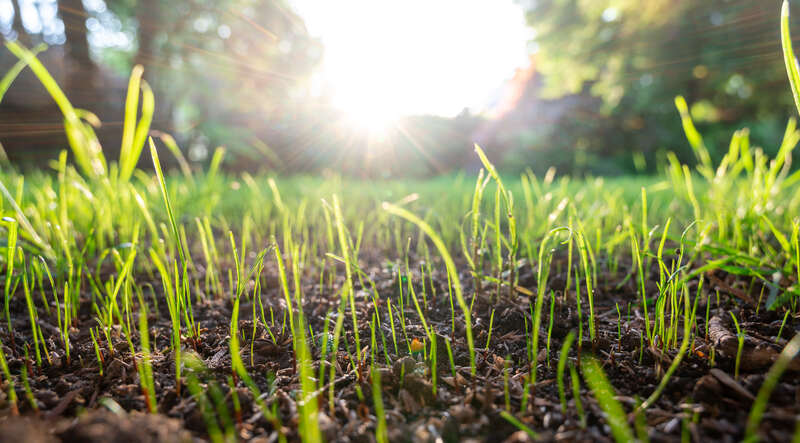
New centipedegrass requires more frequent watering than established lawns until the roots are established.
For newly seeded lawns: Keep the top 1-2 inches of soil consistently moist until seedlings emerge. Move to watering once a day for a couple of weeks, then start reducing frequency while increasing the amount applied. Centipede seed takes 10-21 days to emerge under ideal conditions (60-65 degree soil temperature).
For more information, see the guide on How Often to Water Grass Seed.
For newly sodded centipedegrass: Thoroughly soak the soil after installation, and then water frequently and shallowly to keep the top inch of soil damp. Once the roots take hold, transition to the above recommendations.
For in-depth guidance, see our new sod care guide.
Frequently Asked Questions
Sprinklers typically take 30-60 minutes to deliver 1 inch of water, but it’s critical to test your specific system. Place several shallow containers (like tuna cans) around your watering zone, run the sprinklers for 15 minutes, measure the depth, then calculate how long it will take to reach 1 inch.
Yes, overwatering causes shallow roots and weak turf. Wet soil also “favors weeds like dollarweed, dichondra, and others over centipedegrass,” Han says.
Signs of overwatering centipedegrass include:
• Persistent wet spots
• Mushroom growth in the yard
• Yellowing grass
• Foul soil odor
• Spongy ground
• Increased fungal diseases like large patch
Reduce watering frequency immediately if you notice these symptoms.
Centipedegrass typically greens up within 2-4 weeks after you resume regular watering. Water gradually, rather than saturating dormant grass all at once. Remember, if you’re maintaining summer dormancy, your grass needs 0.5 inch of water every 3-4 weeks to survive without permanent damage.
Hire a Pro to Pull it All Together
Successfully watering your centipedegrass comes down to three things: seasonal water amounts, your soil’s baseline schedule, and monitoring signs of stress to adjust timing. Follow these principles and your lawn will stay healthy.
If you’d rather spend your time relaxing, LawnStarter’s local professionals can pull all the pieces together for you. Our vetted lawn care experts understand centipedegrass inside and out — from proper irrigation management to mowing, fertilization, and weed control. Get matched with local pros today and enjoy a healthy, apple-green centipede lawn without the guesswork.
Read More: Centipedegrass Lawn Maintenance Guide
Sources:
- David Han, associate professor and Extension specialist in turfgrass management at Auburn University. Personal interview.
- Eric DeBoer, assistant professor of turfgrass management at Louisiana State University, Baton Rouge. Personal interview.
Main Image: Sprinkler watering green lawn beside stone border. Image Credit: Mariusz Blach / Adobe Stock
Related Posts: