| Key Takeaways |
|---|
| • Dormant seeding plants cool-season grass seed in late fall or winter so it germinates first thing in spring, giving your lawn a head start. • It cuts your spring watering, helps new grass outcompete weeds, and builds deeper, more drought-tolerant roots. • It works best in cold-winter regions with reliable snow cover, and it needs very little site prep. |
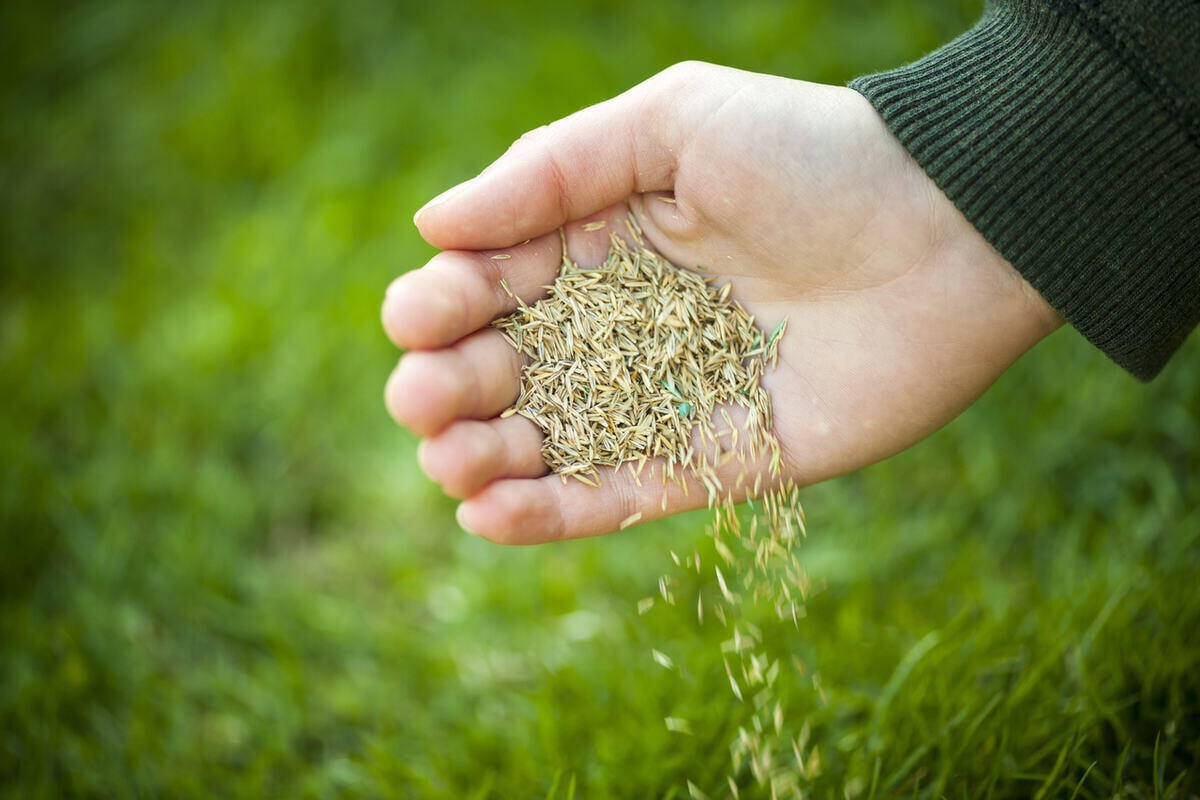
If you are trying to fill in your yard’s bare spots, dormant seeding is a good way to give your northern lawn a head start when spring comes, among other benefits.
Seeding in late fall reduces your grass’s watering needs and helps it outcompete weeds, while bolstering your lawn’s overall health and drought tolerance. Let’s explore the benefits of dormant seeding to help you decide if this method is right for you.
But if you’d rather have someone else do it, LawnStarter’s overseeding pros can take that off your plate.
When Should You Dormant Seed?
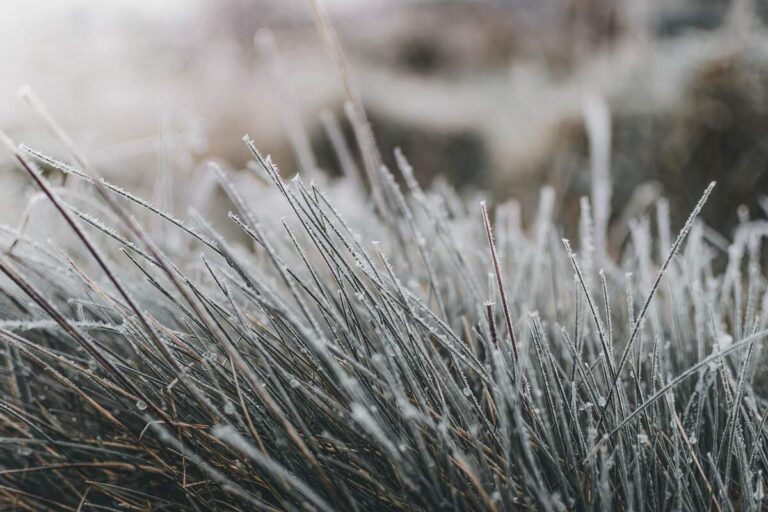
Dormant seed once soil temperatures drop below 40 degrees and are likely to stay there, so the seed sits tight instead of sprouting into winter. For most northern lawns growing cool-season grasses, that window runs from late fall through late winter. Dormant seeding suits cold-climate lawns, so it is not the right method for warm-season southern grasses.
Wait until the last leaves have fallen and been cleared so the seed can settle against bare soil. Finish before the spring thaw turns your yard muddy. Buy a little extra seed so you can patch any spots that don’t fill in come spring.
See Related:
What are the Benefits of Dormant Seeding?
Here are the main reasons why you should consider dormant seeding your lawn:
Extended Establishment Period
Seeds planted during the cold season have several months to work their way into the cracks of the soil during freeze-thaw cycles. As a result, they’re ready to grow as soon as spring temps rise.
That gives your grass a head start on seeds planted later during normal spring seeding times. Research on the dormant seeding advantage finds a dormant-seeded lawn can mature about a month faster in spring than one seeded in spring.
You also won’t have to fit spring overseeding into your busy schedule, which can ease your mind when spring comes up fast.
| Factor | Dormant Seeding | Spring Seeding |
| Timing | Late fall to late winter | Spring, in a narrow window |
| Watering | Relies on snowmelt and spring rain | Needs frequent irrigation |
| Weed pressure | Germinates early and outpaces weeds | Competes with spring weeds |
| Site prep | Minimal | More prep and effort |
See Related: When’s the Best Time to Plant Grass Seed?
Reduced Competition From Weeds

Early-germinating grass seeds get a head start on lush spring growth and on spring weeds. By giving your grass a chance to outpace weeds that might take over your yard, early germination can create a thick, full lawn that outcompetes weeds and reduces their germination rates by shading the soil.
See Related:
Lower Water Requirements
When the snow melts, it leaves grass seeds in moist, warming soil, which creates excellent growing conditions for grass. Natural spring rains add even more soil moisture.
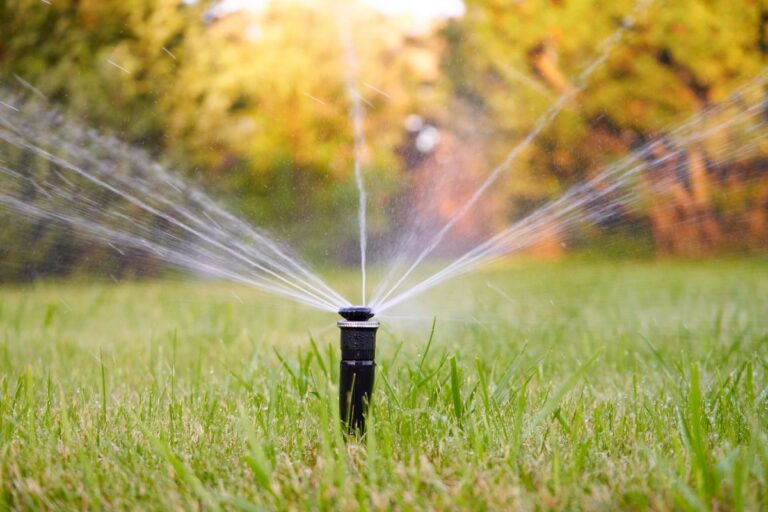
Between the snowmelt and spring rains, your lawn won’t need as much watering compared to spring seeding. That saves you time and money while conserving local water resources.
Weather matters: This benefit depends on local weather. Dormant seeding works best in areas with heavy snowfall, since the melting snow provides natural moisture for your soil and grass seeds in spring.
Yards that experience long dry spells in the spring will still require irrigation. If the soil doesn’t stay moist after the snow melts and the weather warms, the grass seeds won’t germinate or will germinate at lower rates.
See Related: How Often to Water Grass Seed
Increased Drought Tolerance
Compared to spring seeding, dormant seeding gives grass more time for root development and growth before summer stresses. By giving seeds more time to establish, dormant seeding strengthens and improves the health of your new grass.
More root development equips grass to better handle extreme heat and withstand dry spells, particularly during the hot summer months. With a more mature root system, your grass can access more water even during drought.
Improved Soil Structure
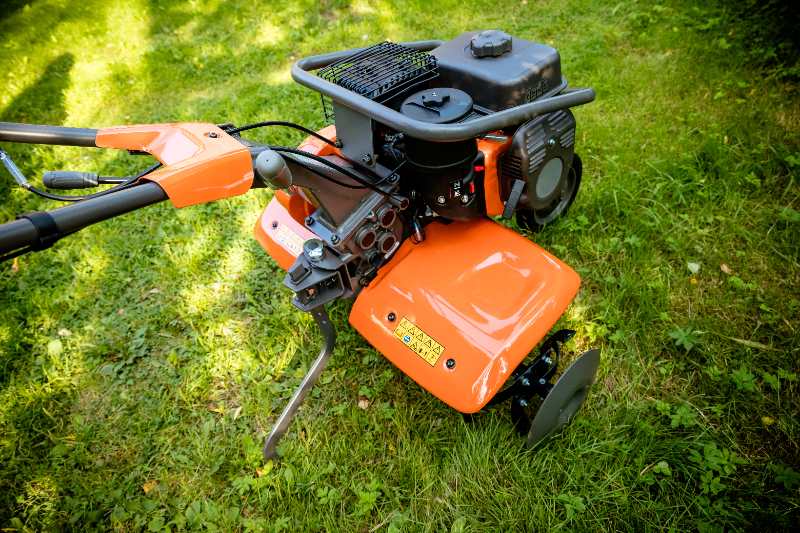
Since dormant seeding doesn’t require you to till the soil, it doesn’t disrupt the soil as much as spring seeding. That lets you keep the soil structure largely intact, reducing erosion.
Reduced Planting Effort
Compared to spring seeding, dormant seeding is a convenient winter option that takes little effort. All you have to do is loosen the top half-inch of the soil with a rake before you overseed new cool-season grass seeds. Then leave them be, and nature will take course once temperatures start to rise.
This will save you from additional preparatory steps required for spring seeding, such as:
Adding new soil
See Related: How to Dormant Seed Your Lawn
Increased Growth in Shady Spots
If there are shady areas in your yard, such as underneath your trees, dormant seeding can help fill in areas where grass has trouble growing.
While deciduous trees are still bare, more light reaches the grass seed, encouraging the dormant seeds to germinate immediately after temperatures warm, before trees put out new leaf growth.
Dormant seeding with shade-tolerant grass types, such as a fine fescue mix, will also help increase growth in shady spots.
See Related: The Shade Lawn Handbook: How to Grow Grass in the Shade

FAQs
Dormant seeding won’t work well in yards with high winter foot traffic. Deep or icy snow can act as a blanket that protects the seeds, but without snow cover, foot traffic may scatter the seeds or compact the soil.
Cool-season grasses are the best turfgrass types for dormant seeding. Some of the best grass types for winter overseeding include:
• Fine fescue
• Tall fescue
• Perennial ryegrass
• Kentucky bluegrass
Hold off on fertilizer at seeding time. Starter fertilizer helps new seedlings, but it does the most good when the seed is actually germinating. Wait until the soil warms in spring and you see growth, then apply a starter fertilizer to help the young grass establish.
Give Your Lawn a Head Start This Winter
Ready to kickstart your lawn’s growth come spring with dormant seeding? Seed in late fall with our overseeding pros to save yourself the trouble of watering and prepping the soil. And once your grass grows in, leave the mowing and lawn care chores to LawnStarter’s lawn mowing pros.
Read More: How to Care for New Grass
Main Image: Hand planting grass seeds for overseeding. Image Credit: Shutterstock
Related Posts: