| Key Takeaways |
|---|
| • Hydroseeding costs up to 80% less than sod installation while delivering superior coverage to traditional seeding. • The hydroseeding process creates thicker, more uniform lawns with stronger root systems and fewer weeds than other methods. • Hydroseeding excels at erosion control, especially on large areas or slopes where traditional methods struggle. |
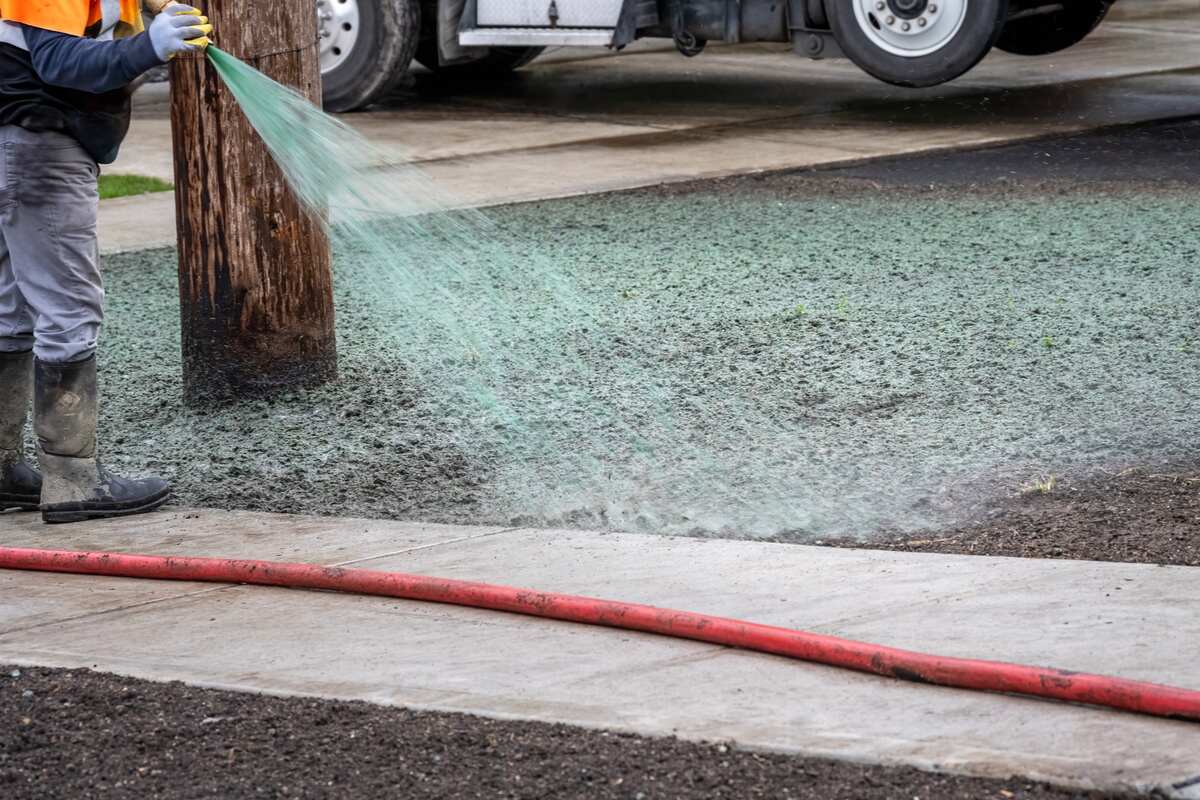
Hydroseeding is gaining popularity as a seeding method because of its many advantages: It costs less than sod, creates thick lawns with uniform coverage, and is faster and more convenient than traditional seeding or sod installation.
If you’re new to the concept, hydroseeding is the process of spraying a slurry of seeds, water, and mulch onto prepared soil using a specialized machine. Hydroseeding offers unique advantages over sod and traditional seeding that make it worth considering for your next lawn project.
Would you rather leave planting a new lawn to the pros? Hire one of LawnStarter’s landscaping experts to prepare the yard and seed the grass for you.
What Are the Benefits of Hydroseeding?
Hydroseeding offers 6 key benefits: lower costs (up to 80% less than sod), better coverage with fewer bare spots, healthier lawns with stronger roots, faster results than traditional seeding, superior erosion control, and customizable grass types.
| Benefit | Hydroseeding | Sod or Traditional Seed |
| Cost | $0.07 to $0.21 per square foot | Sod: $0.77 to $1.79 per square foot Seed: $0.09 to $0.15 per square foot |
| Coverage | Uniform, no seams or bare spots | Sod has visible seams; traditional seeding can lead to a patchy lawn |
| Lawn Health | Deep roots, weed-free mix, built-in fertilizer | Sod roots must re-establish; traditional seeding leaves soil exposed to weeds |
| Speed | Sprouts in 5-10 days in good conditions Ready for use in 4-6 weeks | Sod: green instantly; ready for use in 2-4 weeks Seed: green in 5-30 days; ready for use in 4-6 weeks |
| Sloped Lawns | Mulch and tackifier resist washout | Sod can slide on slopes; dry seed washes away |
| Customization | Any grass blend, wildflowers, or ground covers | Sod limited to farm-grown blends; seed customizable |
1. Hydroseeding Is Significantly Cheaper Than Sod
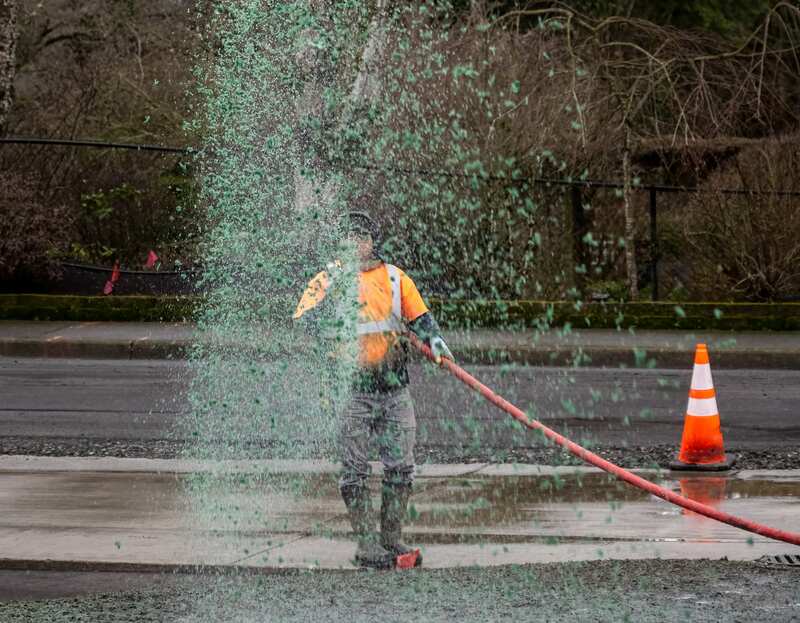
Hydroseeding costs typically range between $0.07 and $0.21 per square foot. For a 5,000-square-foot lawn, you’ll pay $350 to $1,050 versus $3,850+ for professional sod installation.
Traditional dry seeding carries a lawn seeding cost of $0.09 to $0.15 per square foot. Though cheaper upfront, hydroseeding’s superior coverage and faster results often make it the better value.
See Related: Hydroseeding vs. Sod: Which Is Right For You?
2. Hydroseeding Eliminates Patchy Spots
Hydroseeded lawns grow more uniformly than both sod and hand-seeded alternatives, and that means fewer headaches after installation. Traditionally seeded lawns tend to grow patchy, needing overseeding to cover bare spots. Sod often has visible seams that look artificial and unsightly.
Once settled, grass planted by hydroseeding grows vigorously thanks to the mulch, fertilizer, and moisture that support germination.
Since the mixture is sprayed, the whole area gets evenly coated, including hard-to-reach spots and steep slopes that would be tricky to hand-seed or sod.
3. Hydroseeding Builds a Healthier Lawn from Day One
Hydroseeded lawns tend to be thicker, greener, and hardier than sod or hand-seeded counterparts because the slurry gives seeds everything they need to thrive from the moment they hit the soil.
Promotes early growth: Mulch protects seeds while the included starter fertilizer provides essential nutrients for strong early development.
Customizable soil additives: Lime and other soil amendments that can be included in the slurry help balance soil pH and improve quality from the start.
Healthier root systems: Seed-grown grass develops deep roots adapted to your soil, making it more resilient than transplanted sod. Sod’s roots that grew in different soil have to re-establish after transplanting, which leaves the lawn more vulnerable to stress.
Fewer weed seeds: Professional hydroseed mixes are certified weed-free, giving your new grass a clean slate without competition.
See Related: What are the Different Types of Soil Amendments for Turfgrass Lawns?
4. Hydroseeding Delivers Grass Sprouting in as Little as a Week
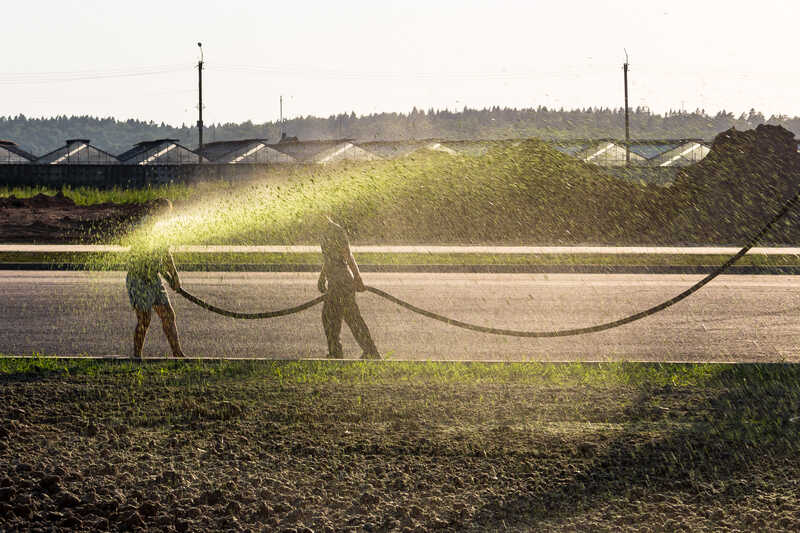
Hydroseeding doesn’t give you an instant lawn as sod does, but it shows visible results much faster than traditional dry seeding. Because the hydroseeding slurry ensures better conditions, seeds germinate faster.
With constant watering and mild weather, most grasses germinate within 5 to 10 days after hydroseeding, though slower grasses like Kentucky bluegrass can take 14 days or longer.
You’ll typically have a thick, mowable lawn in 4 to 6 weeks. Compare that to traditional dry seeding, which can take significantly longer to show uniform results.
Sod turns into a green lawn instantly but carries a sod installation cost of $1,000 to $2,200 for just 1,000 square feet. You also need to wait 2 to 4 weeks before walking on it.
See Related: How Long Does Grass Seed Take to Grow? (3-30 days)
5. Hydroseeding Is a Top Choice for Slopes and Erosion-Prone Areas
If you need to landscape a slope or any area where soil keeps washing away, hydroseeding is likely your best bet. The slurry sticks firmly to the soil surface, keeping seeds and mulch in place while protecting the soil from rain and runoff.
Adding a tackifier to the mix creates an even stronger bond. A tackifier is a binding agent that helps the slurry cling to the soil surface, especially useful for steep slopes and areas with heavy runoff.
According to Utah State University, the slurry shields seeds from wind, rain, sun, and seed-eating animals while protecting the soil surface from erosion. It performs especially well on slopes, which are the most vulnerable to runoff.
See Related:
6. Hydroseeding Lets You Choose the Seed Blend
Unlike sod, which is typically sold in pre-grown blends the sod farm has already selected, hydroseeding lets you build a custom seed blend tailored to your lawn’s specific conditions.
You can also go beyond traditional turf. Wildflowers and ground covers can both be hydroseeded, which makes it useful for erosion control, pollinator plantings, and meadow restoration.
See Related: How to Choose the Right Grass for Your Lawn (8 Factors to Consider)
When to Choose Hydroseeding
Hydroseeding is the right choice in these specific situations:
Large areas to cover: Hydroseeding covers big lawns in hours, far more efficient than laying endless sod rolls. It’s ideal for properties over 5,000 square feet.
Slopes or hard-to-reach spots: The slurry sticks to hillsides where dry seed washes away and sod is difficult to install. It works well on steep slopes.
Erosion control needs: Mulch, tackifier, and seed bind to the soil, creating a protective blanket that helps slow stormwater runoff and reduce sediment loss. It’s a common choice for construction sites, graded slopes, and other large areas of bare soil.
Professional results on a budget: You get the quality of a sod-like lawn at a fraction of the price, without the patchiness of traditional seeding.
See Related: How to Manage Stormwater Runoff
FAQs
Expect to water lightly and frequently to keep the slurry consistently moist until seeds establish. Avoid foot traffic and mowing until the new grass is tall enough to cut. On slopes, pros may add tackifier to reduce washout, and you may need extra monitoring after heavy rain.
Light, consistent rain supports germination, but a heavy downpour right after application can cause erosion, especially on slopes. Professionals often add a tackifier to the slurry to help it adhere and resist washout.
You’ll see sprouts in 5 to 10 days and can mow in 4 to 6 weeks. Full lawn establishment takes 2 to 3 months.
Hydroseed warm-season grasses from late spring to early summer, and cool-season grasses from late summer to early fall. Timing your application to your grass’s active growing season gives it the best chance to establish before extreme heat or cold arrives.
Ready to Get Started? Let the Pros Handle It
Hydroseeding delivers real results: a thicker, greener, more uniform lawn for a fraction of the sod cost. But getting the slurry mix right, timing the application, and managing the establishment period are jobs best left to experienced hands.
LawnStarter connects you with local pros who can help with landscaping services, from prepping bare areas and slopes to tackling erosion-prone spots in your yard.
Main Image: Professional hydroseeding worker spraying mix grass. Image Credit: Shutterstock
Read More: DIY Hydroseeding Guide
Related Posts: