| Key Takeaways |
|---|
| • The pattern of yellowing (spots, rings, or all-over discoloration) is your fastest clue to identifying the cause. • Yellow grass is often stressed or dormant rather than dead. Dormant lawns recover on their own, so confirm the cause before reseeding or replacing. • Resist the urge to fertilize blindly; a soil test tells you what's actually missing, and too much nitrogen can make yellowing worse. |
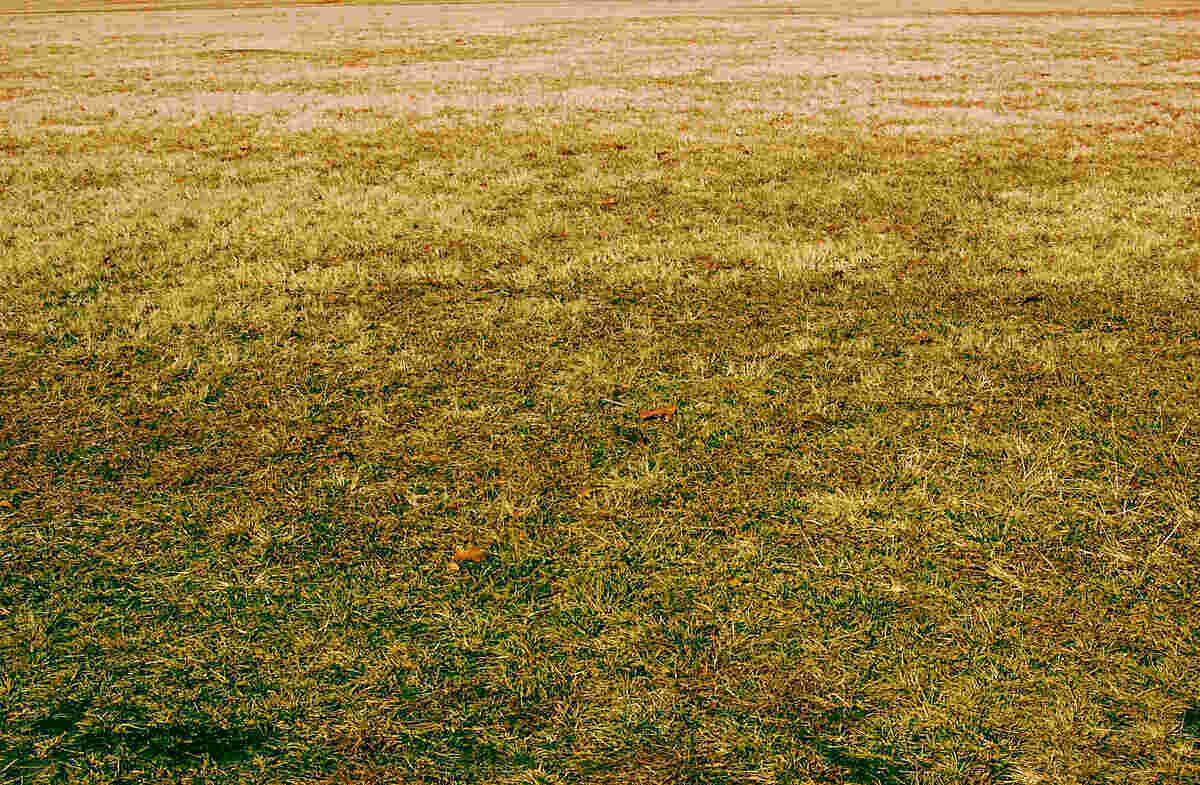
Yellow grass is frustrating to spot, especially when you can tell something’s wrong but not what. The good news is that the cause is usually simple to identify and fix yourself.
Most yellow lawns come down to a handful of everyday culprits: dog urine, grubs, drought, disease, or a nutrient shortfall. The fastest clue is the pattern: Spots or patches indicate a localized problem; all-over yellowing points to watering issues, nutrient imbalances, or dormancy; rings usually signal disease.
This guide covers 14 common causes and how to fix each one, many of which LawnStarter’s lawn treatment pros can help diagnose, address, and prevent during their routine visits.
How to Diagnose Yellow Grass: Start Here
Before you treat anything, take a minute to look at the pattern. That one step will cut your list of possible causes in half.
| Yellowing Pattern | Likely Cause |
| Yellow spots or patches | Dog urine, pests, spilled chemicals |
| Circular patches or rings | Lawn disease (dollar spot, snow mold) |
| Entire lawn yellowing | Nitrogen or iron deficiency, watering issues, dormancy |
| Yellowing after snow melts | Snow mold or spring dormancy |
| Yellow grass under trees | Too much shade |
Look at where and how the yellowing is spreading. Yellow spots or patches usually indicate a localized problem, such as dog urine, grubs, or spilled chemicals. All-over yellowing typically signals a whole-lawn issue like nitrogen deficiency, dormancy, or improper watering.
Also, factor in location and season. Yellow grass only under a tree? Shade is likely the culprit. Yellowing in the hottest corner of the yard during a dry stretch? Think drought stress.
14 Causes of Yellow Grass (and How to Fix Each One)
1. Dog Urine
Those yellow spots in your yard might be from your dog’s habit of peeing in the same spot.
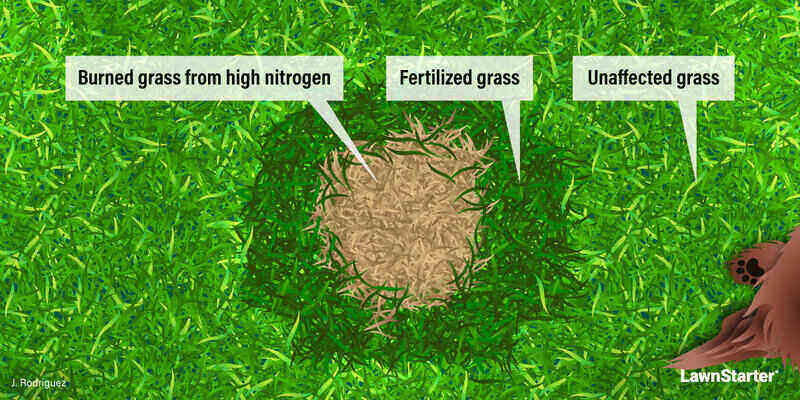
Dog urine is high in salts and nitrogen, which can burn your turfgrass and turn it yellow or brown. Where it is not concentrated enough to burn, it acts as a fertilizer, deepening the grass’s green color.
Signs that dog urine is causing your yellow grass:
Dark green patches of grass: These appear where your pup usually pees. If your grass doesn’t have enough nitrogen, the nitrogen in urine will fertilize and darken it.
Dark green grass surrounding patches of brown or yellow grass: As the urine flows away from the concentrated area, less nitrogen hits the surrounding grass, turning it a darker green.
How to stop (and repair) dog urine spots:
Change your dog‘s diet: Replace processed proteins with fresh ones (under your veterinarian’s guidance).
Pick a dedicated pee spot on your lawn: Use positive reinforcement to train your dog to urinate in an area with mulch or gravel.
Spray or wash it away: When your dog finishes a bathroom break, thoroughly water the area. This dilutes the urea and limits damage.
Raise your mowing height: Higher grass is more resilient.
Overseed the affected areas: Plant grass seed to encourage new growth.
See Related:
— Does Dog Pee Kill Grass and How to Fix It
— How to Fix Patchy Grass
2. Grubs and Chinch Bugs
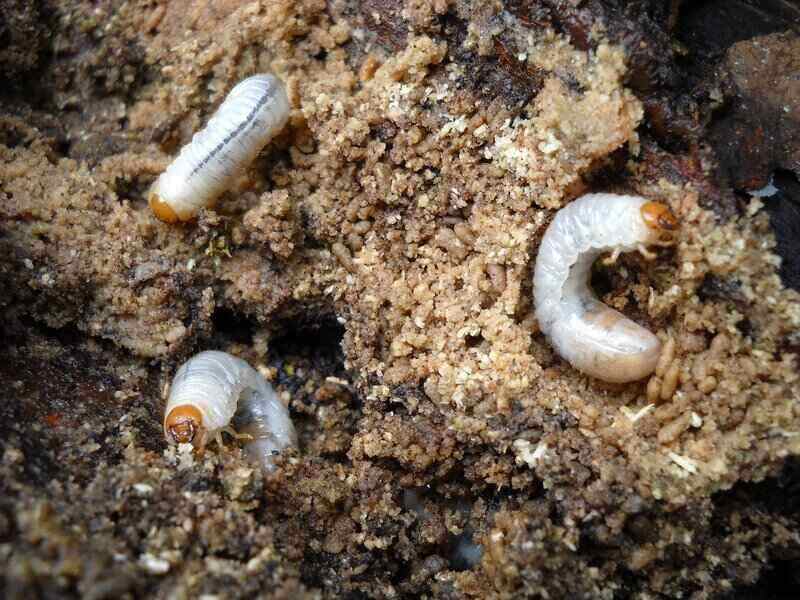
Grubs and chinch bugs are the 2 most common lawn pests that turn grass yellow. Grubs eat roots underground while chinch bugs pierce grass stems above ground, so it’s important to identify which pest you’re dealing with before treating.
Grubs
Grubs are the larval stage of several beetle species, and they snack on grass roots. Look for irregular patches of thinning, yellowing grass that peel back like loose carpet. Later, those patches turn brown and expand. Grub damage is greatest in late summer and early fall.
How to control grubs: Aerate your lawn and keep thatch to a minimum. The best time to treat for grubs is mid-April through mid-July with preventive treatments, or as soon as you spot damage with curative ones.
Chinch Bugs
Chinch bugs are small insects that damage lawns, especially St. Augustinegrass lawns, by piercing grass stems and crowns to suck fluid from the grass. They inject a toxin that turns it yellow, and the damage resembles drought stress. Chinch bugs are most active during the warm months.
How to control chinch bugs: Remove thatch, aerate the soil, avoid over-fertilization, and water your lawn properly. The surest way to get rid of chinch bugs is to treat with liquid or granular insecticides.
3. Dormancy
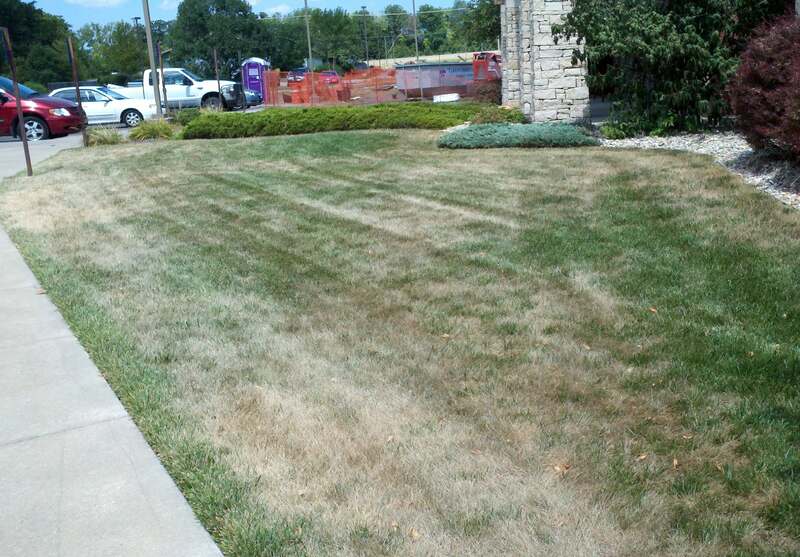
If your entire lawn has turned yellowish or tannish-brown, especially after the first frost in fall or during peak summer heat, it’s likely dormant, not dead. Dormancy is your grass’s way of protecting itself from extreme temperatures, and it will green up again on its own.
Cool-season grasses like fescue or Kentucky bluegrass go dormant in summer heat and again when winter soil temperatures drop below 45 degrees.
Warm-season grasses like Zoysiagrass or Bermudagrass enter winter dormancy when the average soil temperatures drop below 50 to 55 degrees.
There’s nothing you need to do to treat dormancy. Your lawn is simply taking a nap to ride out extreme temperatures.
See Related: Winter Lawn Color: When Brown is Healthy vs. When to Worry
4. Too Much or Too Little Water
Both overwatering and underwatering turn grass yellow, which is confusing, but they look different. Overwatered grass is often soft, spongy, and may have mushrooms or mold nearby. Underwatered grass feels dry and crispy and usually wilts before it yellows.
How to give your grass the right amount of water:
Most established, actively growing lawns require 1 to 1.5 inches of water per week (including rainfall).
In the absence of rain, water deeply once or twice a week to encourage deep, healthy roots.
Reduce watering when the lawn goes dormant.
To measure how much rainfall your lawn gets (and decide whether to irrigate), Chuck Vogt, owner of Metro Lawns and a LawnStarter pro in Atlanta, recommends using the popular tuna can test.
“Take an empty tuna fish can, and place it out on the lawn. And if that fills up, in a week, you’ve had an inch of rain,” Vogt says.
What’s next: If your yellow lawn doesn’t bounce back from improved watering, the grass is likely dead. Reseed the affected areas or replace them with sod.
See Related:
— 10 Signs of Overwatering Your Lawn
— 8 Signs Your Lawn Needs Watering
5. Lawn Diseases
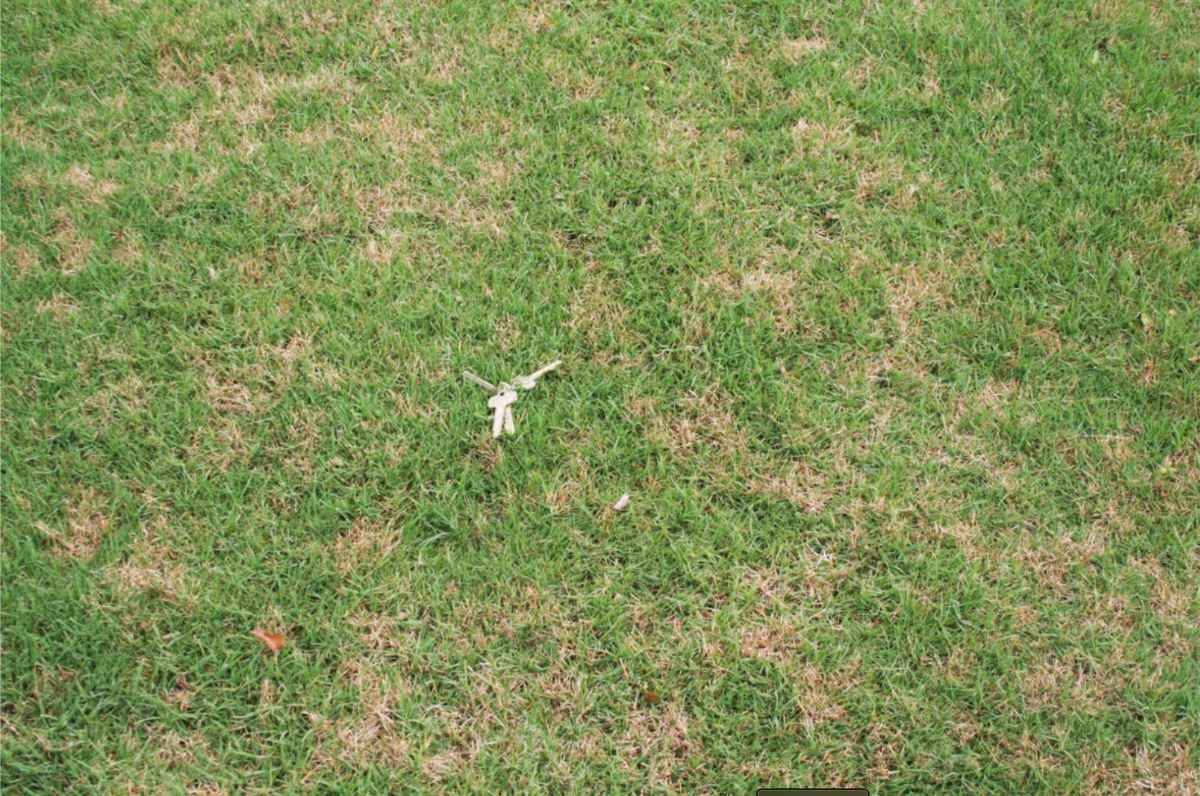
Fungal diseases are most likely when you see yellowing during humid, wet weather or as snow melts in spring. Unlike nutrient or watering problems that affect the whole lawn, most diseases appear in irregular patches, rings, or streaks.
Dollar spot
Signs: Small, circular, sunken patches of straw-colored grass about the size of a silver dollar, sometimes with cobweb-like fungal growth in morning dew, are indicators of dollar spot disease.
Treatment: To eliminate dollar spot, apply an appropriate fungicide and improve your lawn care routine. Water deeply but infrequently, raise the mowing height, and maintain proper nitrogen levels.
Yellow Patch
Signs: Yellow to reddish-brown rings, arcs, or circular patches, roughly 6 to 12 inches wide, appearing in cool, wet weather in spring and fall.
Treatment: Yellow patch rarely needs fungicide; it fades once hot, dry weather arrives. Help it along by aerating to improve drainage, easing off nitrogen until the grass is actively growing, and cutting back mowing frequency while the lawn is infected.
Snow Mold
Signs: As snow melts in spring, you may find circular patches of matted, yellow, or grayish grass covered with a white or pink fungal web. That is snow mold, a winter lawn disease.
Treatment: Gently rake the affected areas to improve air circulation. The grass usually recovers on its own as the weather warms. Chemical treatment is rarely needed to eliminate snow mold.
Other Diseases That Can Yellow Your Lawn
Other diseases that cause yellowing include anthracnose, leaf spot, melting out, powdery mildew, and leaf rust.
The best treatment is improved maintenance, since poor lawn care practices create an environment conducive to fungus. Curative fungicides are available for most fungal lawn diseases, but always identify the disease first to ensure you buy the right product.
See Related: Common Lawn Diseases and How to Identify Them
6. Nitrogen or Iron Deficiency
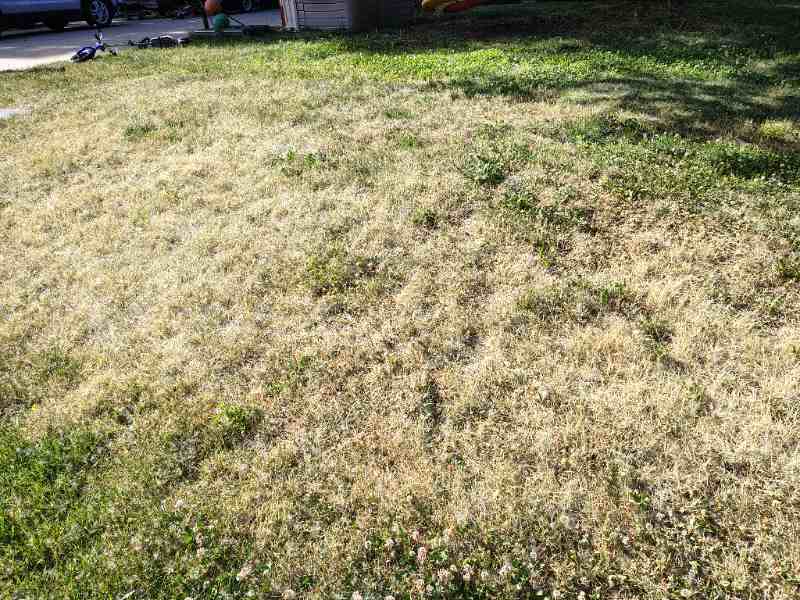
Nitrogen gives your lawn its green color. If your grass doesn’t have enough, its growth slows, and the grass turns pale green, then yellow, starting with the older leaves.
If the yellowing appears in the younger leaves while the older ones stay green, the cause may be iron chlorosis, an iron deficiency. In both cases, providing the lacking nutrient helps treat the problem.
The University of Arizona recommends 2 simple tests to identify the deficiency:
For nitrogen: Sprinkle 2 handfuls of nitrogen fertilizer over a 10-by-10-foot lawn area and water it in. If it recovers in about a week or so, it was a nitrogen deficiency.
For iron: Mix 1 teaspoon of ferrous sulfate in 0.5 gallon of water, and spray a 15-by-15-foot area. Don’t mow or irrigate in the next 24 hours to allow absorption. You’ll see color improvements in a few days if it’s due to an iron deficiency.
Or, better yet, take a soil test before treating. You’ll find out exactly what your lawn is deficient in and how to treat it properly.
See Related:
— 5 Signs Your Lawn Needs Fertilizer
— How to Treat Iron Chlorosis in Lawn
7. Overfertilization
Overfertilization will burn your turf and turn it yellow. Just as your lawn can have too little nitrogen, it can also have too much.
The easy fix: If you have an overfertilized lawn, improve your fertilization regimen. Maybe you’re applying it too often or using the wrong type for your grass.
A laboratory soil test through your local Cooperative Extension will show exactly how much nitrogen, phosphorus, and potassium to apply.
See Related: How to Fix an Over-Fertilized Lawn
8. Soil Compaction
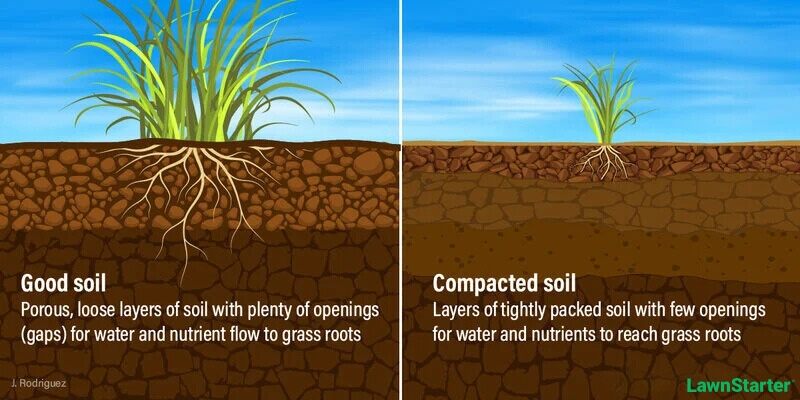
When you’re dealing with compacted soil, the limited pore space prevents water, oxygen, and nutrients from reaching the grass roots, which can turn your lawn yellow.
Signs the soil is compacted:
Patches of grass: The turf starts to thin.
Patches of bare dirt: Grass and weeds won’t grow there.
Heavy clay soil: Your lawn may have clay soil that compacts easily.
Puddles form: Water pools in low areas of the lawn.
Hard soil: Piercing it with a shovel or screwdriver is difficult.
The best way to relieve compacted soil is with aeration. An aerator pulls up small plugs of soil, creating tiny holes that let water, oxygen, and nutrients reach the roots.
See Related: What Causes Compacted Soil?
9. Cutting the Grass Too Short
Cutting your grass too short, known as lawn scalping, strips away the leaf blade your grass needs to absorb sunlight. The result is yellowing grass that becomes susceptible to pests, disease, and weeds.
The simple fix: Mow at the higher end of your grass’s recommended mowing range and keep a regular schedule.
Vogt recommends mowing at least every 2 weeks. “Some folks figure, well, I’ll just wait for 3 weeks or longer, and then they cut it really low, and that invites disease, because the grass is stressed out,” he says.
| Grass Type | Recommended Mowing Height (Inches) |
| Bahiagrass | 3 to 4 |
| Common Bermudagrass | 1 to 2 |
| Hybrid Bermudagrass | 0.5 to 1.5 |
| Buffalograss | 2 to 3 |
| Carpetgrass | 1 to 2 |
| Centipedegrass | 1 to 2 |
| Fine fescue | 2 to 4 |
| Kentucky Bluegrass | 2 to 4 |
| Perennial ryegrass | 1.5 to 3.5 |
| St. Augustinegrass | 3 to 4 |
| Tall fescue | 2 to 4 |
| Zoysiagrass | 1 to 2.5 |
10. Dull Mower Blades
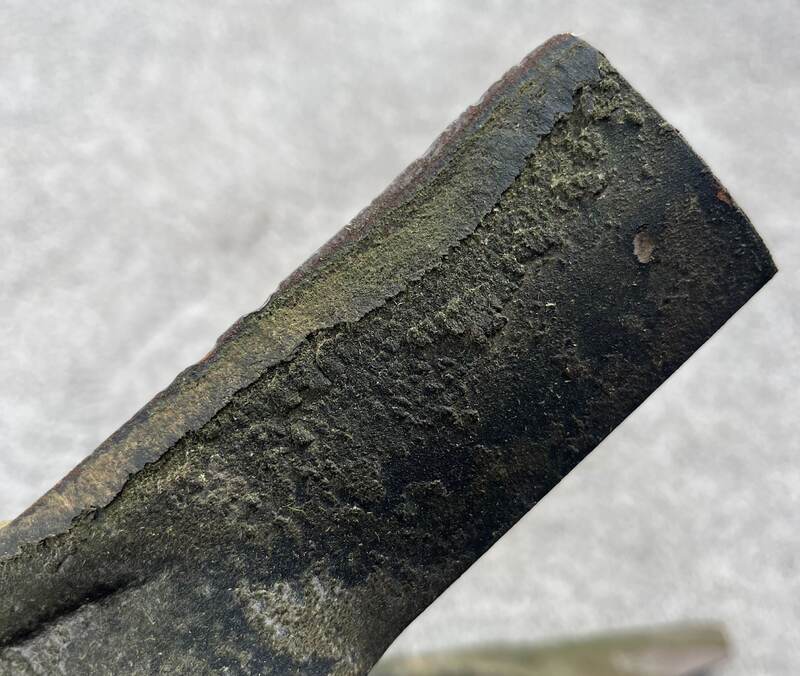
Worn mower blades rip and snag the grass rather than cut it cleanly. It kind of rips the grass and makes it look raggedy. leaving a yellowish, ragged appearance across the lawn.
The simple solution: Sharpen your mower blades to achieve a clean, crisp cut.
See Related: How to Sharpen Lawn Mower Blades
11. Misuse of Chemicals
A contact weed killer, for example, will get rid of weeds and surrounding grass if you’re not careful.
Whether you’re applying herbicides, fertilizers, pesticides, or fungicides, read the instructions before applying them. These chemicals are potent, and improper use may prove detrimental to your grass.
The easy solution: Be more careful when applying anything to your lawn. You may need to reseed or sod areas of dead or dying grass.
12. Too Much Shade
If the grass under your favorite tree is turning yellow, it’s probably struggling in the shade. A few adjustments can help:
Prune trees: Remove branches that block sunlight from reaching the grass.
Overseed: Plant a shade-tolerant grass type in the area.
Increase the mowing height: Shaded grass should be allowed to grow taller to increase its leaf surface area for photosynthesis.
Don‘t water too much: Water won’t evaporate as well in shady areas.
See Related: The Shade Lawn Handbook: How to Grow Grass in the Shade
13. Autumn Leaves
Don’t let autumn leaves pile up on your lawn. A thick layer of leaves blocks sunlight, prevents photosynthesis, and creates a breeding ground for pests and disease, all of which encourage yellowing.
The solution: Rake, blow, or mulch your leaves regularly to keep your grass healthy and green.
See Related: 16 Tips for Cleaning Up Leaves in Your Yard
14. Thick Thatch
A thick layer of thatch (the spongy, brownish mat between the soil and your grass blades) can starve your lawn of water and nutrients, turning it yellow.
Thatch is healthy for the lawn when it is thin, but once it reaches 0.5 inch or more, it becomes a problem: It blocks water and fertilizer from reaching the soil and harbors pests and diseases.
How to check for thatch: Dig up a small clump of soil. Thatch will appear as a tannish, intertwining layer of organic matter at the soil’s surface. Measure it with a ruler to determine thickness.
If it’s over half an inch thick, dethatch the lawn with a power dethatcher.
Get Your Green Lawn Back With LawnStarter
Yellow grass has a fix, and you don’t have to figure it out alone. LawnStarter’s local lawn treatment pros can diagnose the problem, apply the right treatments, and get your lawn green again.
Read More: Why Is My Grass Dying Even Though I Water It?
FAQs
Yes, depending on the underlying cause. Dormant grass will naturally turn green once the weather improves. If the yellowing is due to a nutrient deficiency, pest issue, or watering mistake, identifying and fixing the root cause will help the grass recover its color.
It depends entirely on the cause of the yellowing.
• Do fertilize if a soil test shows a nitrogen or iron deficiency.
• Do not fertilize if the grass is dormant, diseased, or suffering from drought, as excess nutrients can cause further stress or burn the grass.
You can perform a simple tug test to check the health of your grass.
• Grab a handful of grass and gently pull.
• If it pulls out easily with no resistance from the roots, it’s likely dead.
• If the roots hold firm to the soil, the grass is dormant and will eventually recover.
Main Image: Patchy, dry lawn with yellowing grass areas. Image Credit: Shutterstock
Related Posts: