
There’s no doubt that living near the beach is wonderful. But if you’re growing grass in coastal areas, you’ll face 4 primary challenges that inland lawns never encounter: salt spray damage, nutrient-poor sandy soil, wind erosion, and storm devastation.
Don’t worry, we’ll help you understand each challenge and teach you effective strategies to overcome them.
And if maintaining a beachfront lawn sounds like too much work, a local LawnStarter pro can help you manage it, from treatments to regular maintenance.
| Key Takeaways: |
|---|
| • Salt spray: Manage with deep irrigation and gypsum application • Sandy soil: Amend with compost and biochar • Wind erosion: Place wind barriers • Hurricanes: Switch to salt-tolerant grass and prepare your lawn |
Challenge 1: Salt Spray Damage
When ocean waves crash and wind carries salty mist inland, salt settles on your grass blades and seeps into the soil. It might not seem like a big deal at first. But over time, salt particles build up in the root zone and hinder the turf’s ability to absorb water and nutrients.
“Salt spray can cause significant damage to lawns in coastal areas,” says Haibo Liu, professor of turfgrass and soil sciences at Clemson University.
Some of the issues that come from salt spray include:
- Plant dehydration or desiccation, leading to wilting, yellowing, or browning of grass blades.
- Salt buildup or soil salinization, which, according to Liu, can prevent plants from absorbing water and essential nutrients, leading to poor growth or even lawn death.
- Reduced soil fertility, which can significantly impede healthy grass growth.
Salt-Tolerant Grass Rankings with Salinity Data
Acceptable salt content for turfgrass irrigation is typically 200 to 800 parts per million (ppm), but certain salt-tolerant grasses can withstand over 6,400 ppm.
| Salt Tolerance | Salinity Range (ppm) | Grass Types |
| Sensitive | Up to 1,900 ppm | Annual bluegrass, Kentucky bluegrass |
| Moderately sensitive | 1,900-3,800 ppm | Annual ryegrass, buffalograss, creeping bentgrass, fine-leaf fescues |
| Moderately tolerant | 3,800-6,400 ppm | Perennial ryegrass, tall fescue, Zoysiagrass |
| Tolerant | 6,400+ | Bermudagrass, seashore paspalum, St. Augustinegrass |
Irrigation Strategies for Salt Management
These irrigation strategies can help flush excess salt and keep your turf healthy:
- Deep leaching irrigation: Unlike standard irrigation (where you only aim to meet your lawn’s water needs), you’ll apply extra water with this irrigation method. It’s done occasionally and for longer periods, but it can help flush accumulated salts deeper into the soil.
- Frequent light rinse after storms: Rinse the lawn surface lightly after strong winds or storms to help remove salt from the grass leaves.
- Use lower-salt irrigation water: Use rainwater or fresh water instead of salty ground or reclaimed water. “This can help dilute any salt already present in the soil,” Liu says.
- Maintain proper drainage: This practice helps prevent salt from accumulating in the root zone.
Expert Tip: Liu advises using drip systems instead of sprinklers for landscaping beds and gardens to deliver water directly to the roots, which minimizes salt buildup in the soil.
Gypsum Application
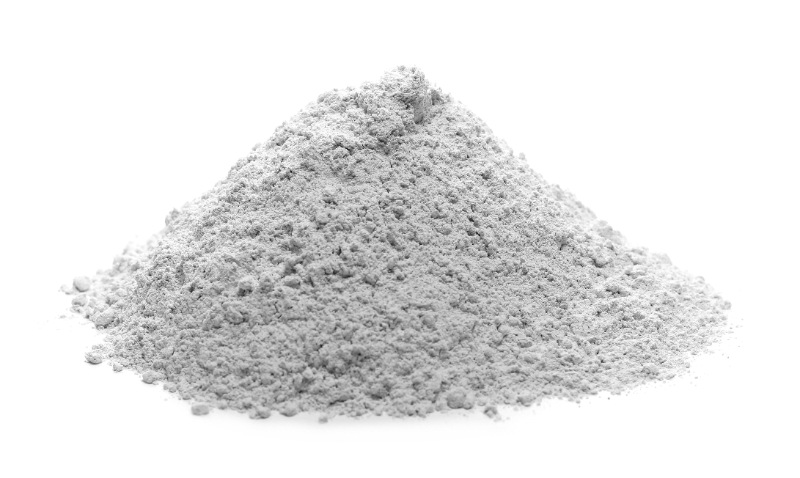
“Gypsum (calcium sulfate) helps to displace sodium ions in the soil and replaces them with calcium ions, which improves soil structure and promotes better water penetration,” says Liu.
He recommends applying gypsum during cooler months (fall or early spring), when the grass is actively growing but not under heat stress. Remember to follow the application rate recommended by the manufacturer.
Challenge 2: Sandy Soil Deficiency
Rapidly draining, sandy coastal soil (1-10 inches/hour) prevents puddles but causes quick loss of water and nutrients, meaning grass cannot absorb them before they’re gone. To support dense turf growth, your lawn needs organic matter to retain moisture and nutrients, stabilizing the root zone. This is why soil amendments are essential.
Soil Amendment Strategies
You can transform your sandy soil with the right amendments and consistent care:
See Related: How to Amend Sandy Soil
Gypsum Application
While gypsum doesn’t directly increase nutrient levels, it can still improve the structure of sandy soils and help promote better root growth. Over time, this creates a more stable root zone that holds moisture longer — a key benefit for coastal lawns.
Challenge 3: Wind Erosion
A coastal breeze might feel refreshing to you, but it’s not as friendly to your lawn. Wind erosion is “a serious concern for coastal lawns, particularly in areas with high wind or those located near sandy shores,” says Liu.
This occurs when strong winds lift and carry away loose soil, damaging grass roots, drying out the soil, and depleting nutrients, he says.
Wind Barrier Design and Implementation
Liu recommends setting up a wind barrier. “It’s one of the most effective ways to combat wind erosion, as it can reduce wind speed and protect your lawn.”
- Plant layered windbreaks: Diffuse the wind’s force by combining tall trees with medium shrubs and low groundcovers.
- Use temporary wind fences: Installing mesh or reed fences can help reduce wind speed.
- Add perimeter hedges: Hedges serve as natural wind buffers and can also enhance curb appeal.
Expert Tip: Liu says, “Ideally, the windbreak should be located at least 20-30 feet away from your lawn to prevent the wind from flowing over it with full force.”
Maintenance Practices that Reduce Wind Damage
These simple lawn care habits can make your turf more wind-resistant:
Challenge 4: Hurricane and Storm Damage
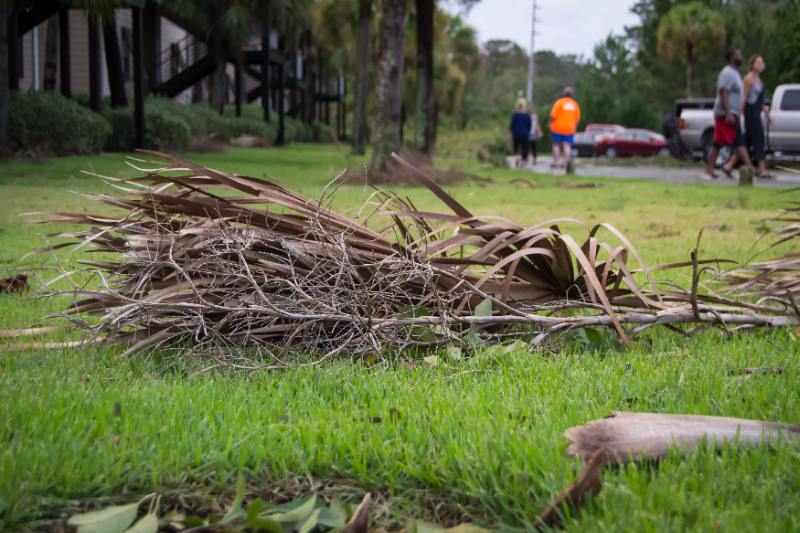
Despite taking preventative measures, coastal homeowners often experience significant lawn damage during hurricane season.
“These weather events can damage turfgrass, erode soil, and introduce salt and debris that make recovery challenging,” Liu says. But, he adds, with the right preparation and recovery strategies, homeowners can help their lawns bounce back after a storm.
Storm Preparation Strategy (Late Winter to Spring)
While you can’t stop hurricanes, you can always prepare your lawn for a hurricane so it bounces back faster. These steps can make a big difference:
- Switch to salt-tolerant grasses like seashore paspalum or Bermudagrass.
- Install French drains, swales, or rain gardens to redirect excess water away from the lawn.
- Apply compost or mulch to help prevent soil erosion even after heavy rains.
See Related:
Short-Term Recovery (3 to 14 Days)
For the first 2 weeks following a storm, clean up and stabilize your lawn:
- Remove debris, such as seaweed, branches, and trash.
- Rinse off saltwater from the grass blades and soil before it causes chemical burn. Postpone this process if the ground is still too saturated with water.
- Avoid mowing wet grass.
Long-Term Restoration (2 Weeks to 3 Months)
After stabilizing your lawn, rebuild and strengthen it:
- Fill eroded areas with topsoil.
- Add compost or leaf mulch to help restore nutrients.
Additionally, do the following in the spring:
- Overseed bare areas with salt-tolerant grasses suited to your region.
- Use slow-release fertilizer to boost recovery without overwhelming stressed roots.
- Test and amend the soil, as saltwater or floodwater can change your soil’s pH.
You might also want to add native ornamentals and grasses that fare well in coastal areas. For example, beach sunflower is perfect for Florida lawns, as it thrives in sandy soil and has high salt tolerance.
Expert Tip: “Be proactive, and you can keep your coastal lawn resilient, even in the face of extreme weather,” says Liu.
See Related: 47 Florida Native Plants: Flowers, Shrubs, and Trees
FAQ About Growing Grass in Coastal Areas
Yes, artificial turf tolerates salty wind and poor soil better than grass, but it heats quickly and needs rinsing to remove salt.
While there’s no set minimum distance, salt spray can travel surprisingly far inland — particularly during storms. But if you have salt-tolerant grass like Bermudagrass, your traditional lawn can thrive even near the shoreline.
Yes, less irrigation limits your ability to flush salts from the soil. During restrictions, use efficient watering, collect rainwater, and rely on gypsum to help displace excess sodium.
Let LawnStarter Handle Your Coastal Lawn Care
Between salt damage, sandy soil, constant wind, and storm recovery, growing grass in coastal areas can feel overwhelming.
That’s where LawnStarter comes in. Our local lawn care professionals understand the unique challenges of beachfront and coastal properties. We offer specialized services, including lawn treatments, aeration, soil amendments, and regular maintenance — all designed to help your grass thrive in harsh coastal conditions.
Find a trusted lawn care pro in your area today.
Sources:
- “Biochar Helps Sandy Soil Support Mycorrhizae.” By Juanita Popenoe, horticulture agent. University of Florida IFAS Extension.
- “Gardening by the Sea: Tips and Tricks.” By Judy Jean, urban horticulture agent. University of Florida IFAS Extension.
- “Gardening in Sandy Soils.” By Katie Wagner, Extension associate professor, Michael Kuhns, professor, and Grant Cardon, soils specialist. Utah State University.
- Haibo Liu, professor of turfgrass and soil sciences at Clemson University. Personal interview.
- “Interpreting Turfgrass Irrigation Water Test Results.” By M. Ali Harivandi, environmental horticulture advisor. University of California Division of Agriculture and Natural Resources.
- “Landscaping in Coastal Areas.” By Carrie Stevenson, coastal sustainability agent. University of Florida IFAS Extension.
- “Selection and Maintenance of Plant Materials for Coastal Landscapes.” University of Massachusetts Amherst.
Main Image: Green lawn near coast with palm trees. Image Credit: ymgerman / Adobe Stock
