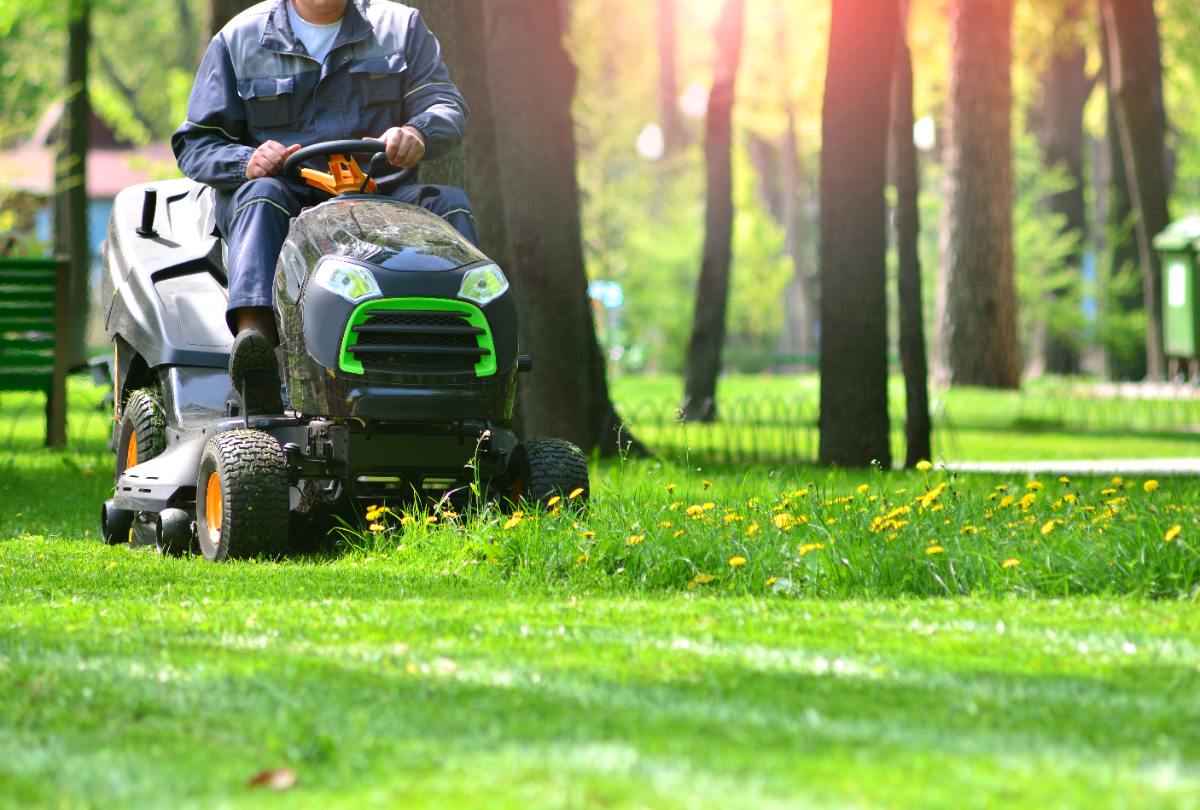
The first mow in spring sets the tone for your lawn’s health all season. Cut too early, and you’ll stress dormant grass; wait too long, and you’ll shock the grass by removing too much at once. Let your grass tell you when it’s ready.
In most regions, mowing season begins in April or early May, but grass height — not the calendar — should be your guide.
“When you start to see green grass growing” is how one lawn care pro knows when it’s time for the first cut of spring.
Start mowing when your grass reaches 3 inches tall or air temperatures exceed 60 degrees for cool-season grass or 80 degrees for warm-season varieties.
Need expert help with spring lawn care? LawnStarter’s local lawn mowing pros handle everything from that crucial first mow to fertilization and weed control, aeration, and flower bed weeding — so your lawn looks its best without the guesswork.
When Does Mowing Season Start?
Mowing season doesn’t follow a fixed date — it starts when your grass wakes up from winter dormancy and begins active growth. Three key indicators tell you when to break out the mower.
1. Grass Height: Your Primary Signal
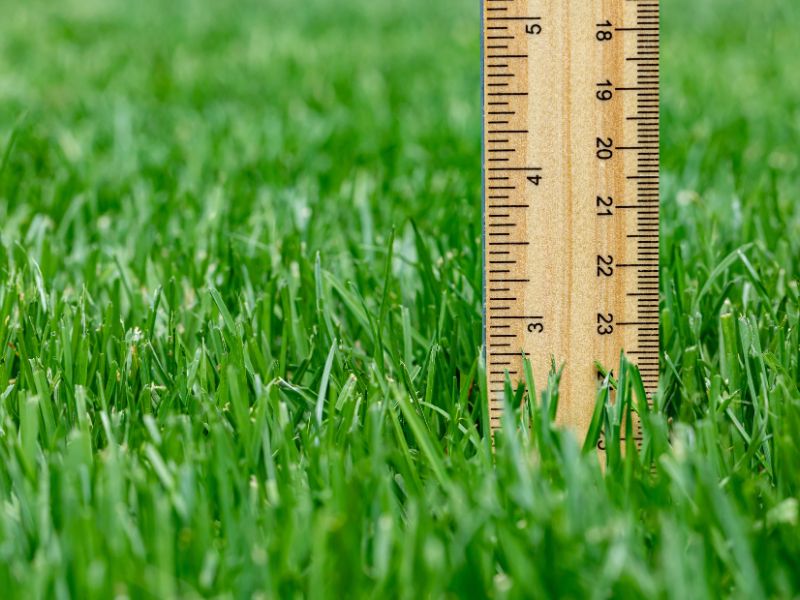
When your lawn reaches about 3 inches, it’s time for that first spring mow.
“The best time for a first cut in the spring would be when you start to see green grass growing. It means that your yard is coming out of hibernation,” says Barton Loving, owner of Lovings Mow and Snow, a lawn care and snow removal company in Omaha, Nebraska.
For your first cut, keep the grass at 3 to 3.5 inches regardless of type — this protects grass coming out of dormancy. After that initial mow, adjust your cutting height based on your specific grass:
| Grass Type | Recommended Height |
| Cool-Season Grasses | |
| Bentgrass | 1.25 – 1 inches |
| Fine fescue | 2 – 4 inches |
| Kentucky bluegrass | 2 – 4 inches |
| Perennial ryegrass | 1.5 – 3.5 inches |
| Tall fescue | 2 – 4 inches |
| Warm-Season Grasses | |
| Bahiagrass | 3 – 4 inches |
| Bermudagrass (common) | 1 – 2 inches |
| Bermudagrass (hybrid) | 0.5 to 1.5 inches |
| Buffalograss | 2 – 4 inches |
| Carpetgrass | 1 – 2 inches |
| Centipedegrass | 1 – 2 inches |
| St. Augustinegrass | 3 – 4 inches |
| Zoysiagrass | 1 – 2.5 inches |
Follow the one-third rule for mowing grass: Never remove more than one-third of the grass blade in a single mowing. Cutting too short — called scalping — stresses your lawn, weakens roots, and invites weeds and disease.
See Related:
— What’s the Best Height to Cut Your Grass?
2. Soil Temperature: When Grass Breaks Dormancy
Air temperature matters, but soil temperature is what actually triggers grass growth.
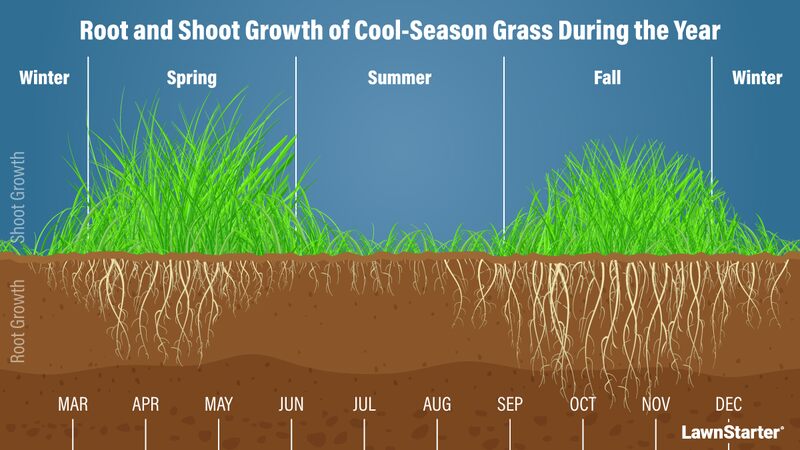
- Cool-season grasses start growing when soil temps exceed 50 degrees, typically in early to mid-spring.
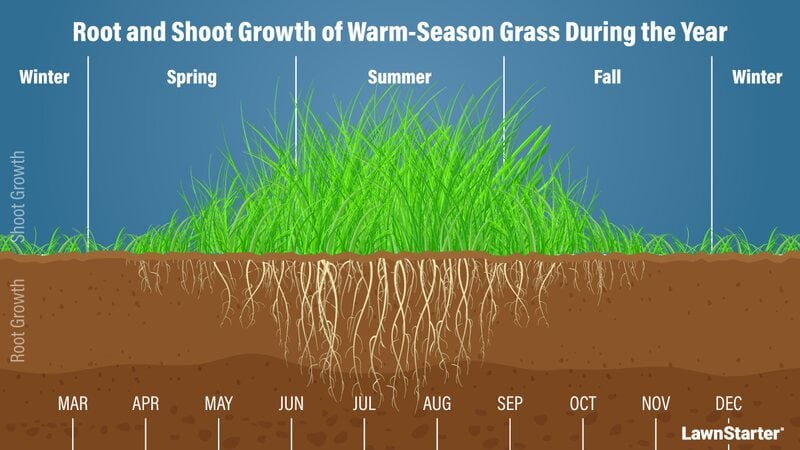
- Warm-season grasses need soil temps around 65-70 degrees before they break dormancy, usually in late spring.
A simple soil thermometer (available at garden centers for about $10) gives you an accurate reading. Take measurements in the morning at a 4-inch depth for the most reliable data. Once you hit those target temperatures and see consistent growth, it’s time to mow.
3. Regional Timing: When Spring Arrives in Your Area
Mowing season start dates vary by climate zone:
- Southern states: Late March to early April
- Transition zone: Mid to late April
Northern states: Late April to early May - Warm climates like South Florida and southern Texas: Year-round mowing, though growth slows in winter
These are general guidelines. Your specific lawn conditions matter more than regional averages. If you’re in Kentucky and have an early spring with grass reaching 3 inches in early April, don’t wait until later in the month just because that’s “typical” for your region.
Signs Your Grass is Ready for its First Mow
Watch for these signals that spring has truly arrived:
- Grass blades are standing upright and actively growing
- You can see new green growth
- Soil is no longer frozen or waterlogged
- Grass height has reached 3 inches
- Soil temperature is consistently in the growth range for your grass type
- Grass is completely dry
Pro Tip: “You don’t want to do a first cut unless you’re ready to start cutting on a regular basis. That first cut will stimulate the grass and wake it up,” Loving says.
Weather Conditions and the First Spring Mow
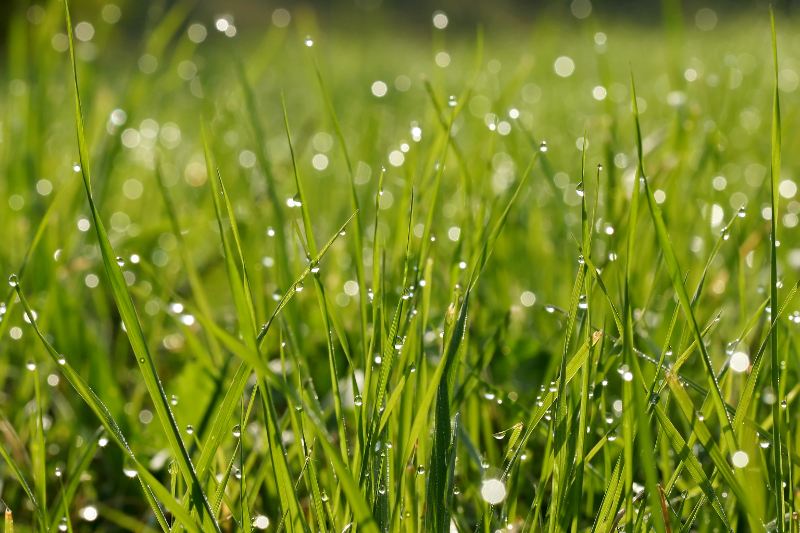
Even when your grass reaches 3 inches, weather conditions determine whether you should actually mow.
Never Mow Wet Grass
Spring often brings rain, but resist the urge to mow while the grass is still wet. Mowing wet grass causes multiple problems:
- Uneven cuts
- Clumping
- Clogged mower
- Spread of common lawn diseases
- Dangerous, slippery conditions
Wait until the grass is completely dry before mowing. Run your hand over the lawn — if it feels damp or leaves moisture on your palm, hold off. Morning dew usually evaporates by mid-morning on sunny days.
FAQ About Your First Spring Mow
Reduce the lawn height gradually over multiple mows. If you waited too long and the grass grew to 6 inches, don’t cut it down to 3 inches all at once. Instead, cut to 4.5 inches, wait 3 to 4 days, then cut to your target height. Never remove more than one-third at once — even if it means several mowing sessions to reach your target height.
See Related:
— How to Mow Tall Grass in Your Lawn
“Bagging the first cut is a good idea,” Loving says. Heavy clumps left on the lawn smother grass and create dead spots, but bagging “removes all the dead grass from winter. But after the first cut, you should mulch the grass. There are so many nutrients in the grass clippings that need to be returned to the soil. It’s like a free fertilizer treatment.”
See Related:
— Mulching vs. Bagging Grass Clippings
— Reasons to Use Grass Clippings as Mulch
Let LawnStarter Handle Your Spring Lawn Care
Getting that first spring mow right requires knowing exactly when to start, having properly maintained equipment, and understanding your specific grass type’s needs. Not everyone has the time, tools, or expertise to nail the timing perfectly.
LawnStarter’s local lawn care professionals know precisely when mowing season starts in your area and how to keep your lawn healthy all season long. Our pros handle mowing, fertilization and weed control, aeration, and spring cleanup — all scheduled and managed through our easy-to-use platform.
Ready for a lawn that’s the envy of the neighborhood? Get a free mowing quote today and let the local pros handle your spring lawn care from the first cut forward.
Read Next:
— How to Mow Your Grass the Right Way
Sources:
- Barton Loving, owner of Lovings Mow and Snow, Omaha, NE. Personal interview.
- “Basic Turfgrass Management for Georgia.” By Clint Waltz, Extension turfgrass specialist. University of Georgia.
- “Chapter 10- Turfgrass Management in Tennessee.” By Extension specialists Tom Samples et al. University of Tennessee.
- “Cold Winter Lawn Tips.” By David M. Kopec, Extension turfgrass specialist. University of Arizona Cooperative Extension.
- “Turfgrass Response to Water Deficits.” University of Massachusetts Amherst.
Main Image: Spring lawn mowing for healthy grass. Image Credit: Dmytro / Adobe Stock
Related Posts: