| Key Takeaways: |
|---|
| • Hydroseeding is up to 80% cheaper than sod. • Sod provides instant results with usable grass in 2-4 weeks vs. 4-6 weeks for hydroseeding. • Hydroseeding creates deeper root systems that are more drought-tolerant in the long term. |
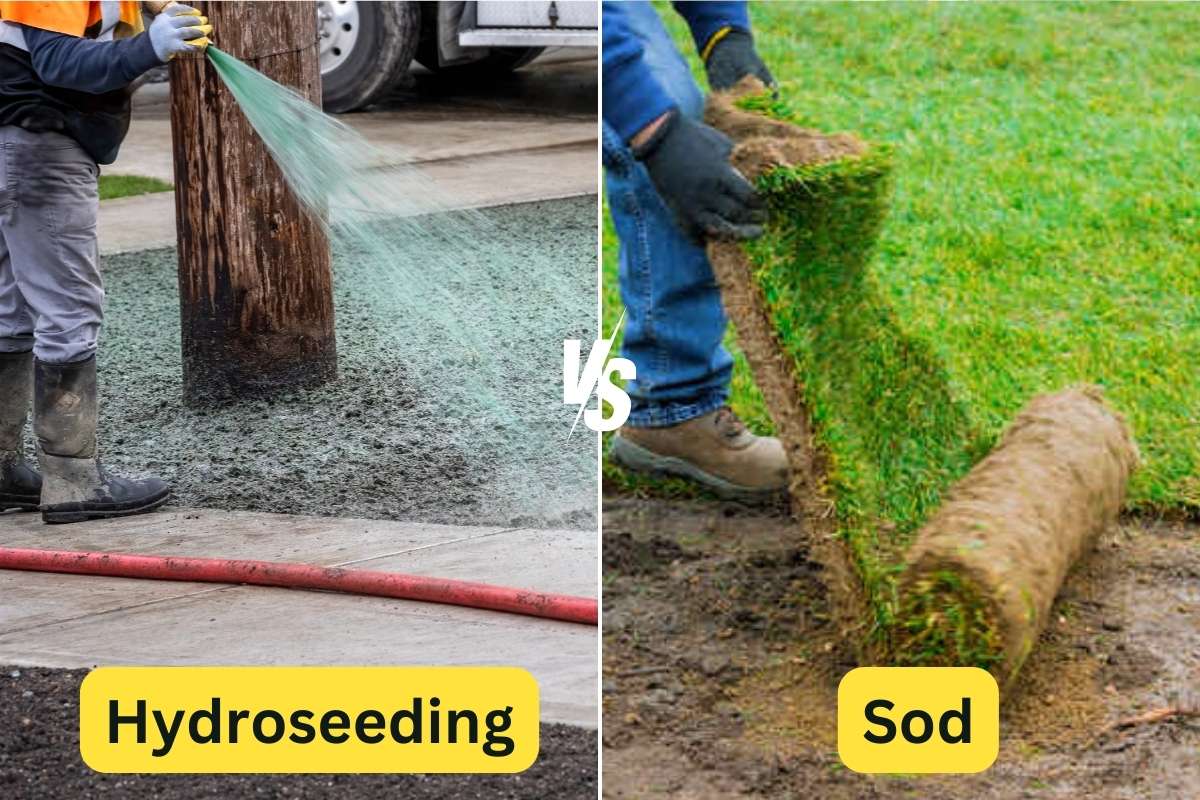
Staring at bare soil and wondering how to turn it into grass? Hydroseeding is usually the better value, costing 50%-80% less than sod, but it’s usually reserved for lawns over 5,000 square feet. Sod, on the other hand, is best if you need instant results and don’t want to waste time.
The decision between hydroseeding and sod comes down to three factors: your budget, how quickly you need a usable lawn, and your property’s size and condition. Both methods transform bare dirt into lush grass, but they work very differently.
This article compares price, installation time, and best-use scenarios, so you can decide which option is right for you. Need professional help? Get matched with local landscaping experts who can assess your yard and handle the entire process.
Hydroseeding vs. Sod: Side-by-Side Comparison
When deciding between hydroseeding and sod for your lawn, several factors come into play. Both methods have their merits, but your choice will depend on your specific needs. Here’s how they compare:
| Factor | Hydroseed | Sod |
| Start time | 5-10 days to germinate, 4-6 weeks until first mow | 2 weeks to knit with soil, but instant green lawn |
| Appearance | Starts as green-dyed mulch, becomes a uniform lawn in 6 weeks | Immediate lush lawn, may show seams initially |
| Short- and Long-Term Care | Frequent watering for the first 3 weeks, standard maintenance after | Intensive watering for the first 2 weeks, standard maintenance |
| Suitability | Custom seed mixes, adapts to local conditions | Must match grass type to climate carefully |
| Costs | $0.07-$0.21 per square foot | $0.60-$1.65 per square foot (installed) |
| Best For | Large areas, budget-conscious projects, steep slopes, patient homeowners | Small yards, quick results, erosion control once rooted |
Which Method Is Right for You?
The right choice depends less on which method is “better” and more on what fits your property, timeline, and budget. Use the guidelines below to see which option aligns best with your priorities.
Choose hydroseeding if:
✓ You’re working with a limited budget and want to save up to 80% on installation
✓ Your lawn is 5,000+ square feet — cost savings multiply with size
✓ You can wait 4-6 weeks before using your lawn regularly
✓ You want to customize your grass blend for sun/shade or specific climate needs
✓ Long-term lawn health matters more than instant gratification
✓ You have steep slopes
Choose sod if:
✓ You need immediate results for an event, home sale, or landscaping deadline
✓ Your project is under 5,000 square feet, where the cost difference is manageable
✓ You live in an area with heavy wildlife that would eat grass seed
✓ You want to use your lawn within 2-4 weeks instead of 4-6
✓ Budget isn’t your primary concern and convenience is worth the premium
For Alison O’Connor, professor of horticulture with Colorado State University Extension, “Sod is a good option for those who have the economic resources, uniform irrigation available, and want more of an ‘instant’ effect.”
What is Hydroseeding?
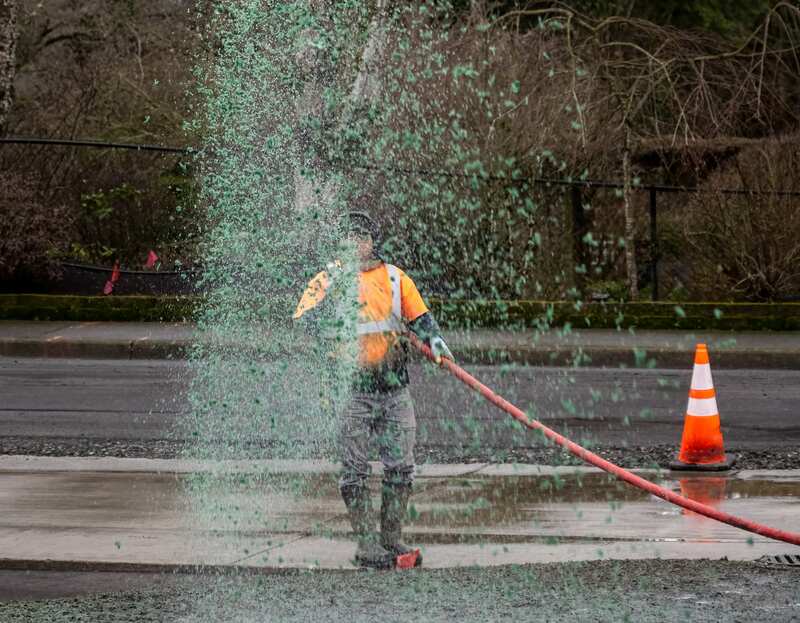
Hydroseeding is a planting process where a nutrient-rich slurry of grass seed, mulch, fertilizer, and water is sprayed onto prepared soil. This method efficiently establishes new lawns or repairs existing ones through even seed distribution and built-in erosion protection.
The bright green dye in the mixture (which fades within 2-3 days) helps professionals ensure complete coverage. Seeds typically germinate within 7-10 days, and you’ll have a mowable lawn in 4-6 weeks.
However, hydroseeding isn’t commonly used for standard residential lawns. According to O’Connor, “We don’t usually see hydroseeding as an option for home lawns. There might be a few companies that do this, but it can be difficult logistically because of the equipment size and space needed.”
See Related: What is Hydroseeding?
How to Hydroseed a Lawn
The hydroseeding process starts with thorough soil preparation — clearing debris, removing weeds, and leveling the ground. Then a professional uses specialized equipment to spray the slurry mixture evenly across your soil. The mulch component protects seeds from sun, wind, and light rain while maintaining consistent moisture for germination.
See Related: DIY Hydroseeding Guide
Pros and Cons of Hydroseeding
Hydroseeding offers several advantages for lawn establishment, but also some limitations and special use cases. “Hydroseeding is often used for larger sites and more ‘remote’ locations like steep slopes, highways, roadsides, etc.,” says O’Connor.
| Pros | Cons |
| ✓ Costs up to 80% less than sod | ✗ Takes 4-6 weeks before you can use the lawn |
| ✓ Seeds germinate quickly, showing growth within 7-10 days | ✗ Requires watering 2-3 times daily for first 3 weeks |
| ✓ Customizable grass blends tailored to sun/shade, climate, soil type | ✗ Heavy rain can wash away seeds before germination |
| ✓ Even distribution creates uniform growth without bare patches | ✗ Less effective in extreme heat (90 F+) or cold weather |
| ✓ Deeper root systems develop naturally in your native soil | ✗ Usually reserved for larger properties; not commonly used for standard-size, flat home lawns |
See Related: Benefits of Hydroseeding
What is Sod?
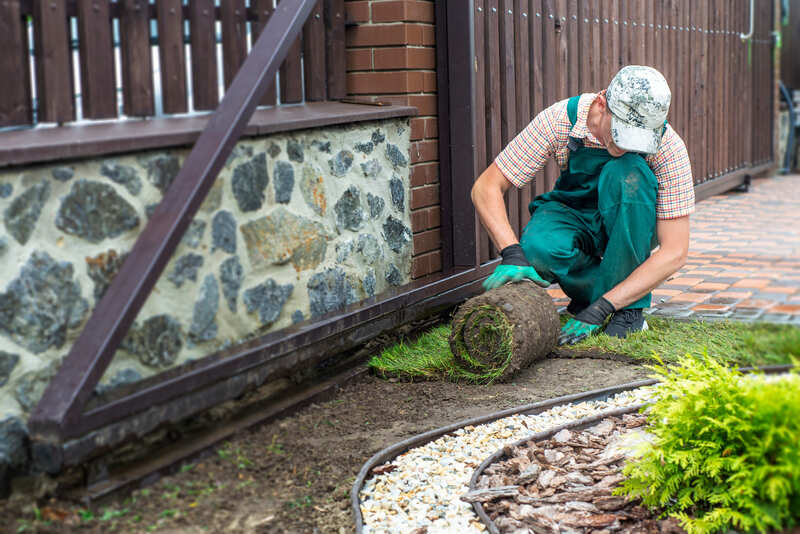
Sod (also called turf) is mature, pre-grown grass harvested with its root system and a thin soil layer, then delivered in rolls or squares ready to install. This instant lawn solution is popular with homeowners who need immediate results or face tight timelines.
See Related: The Best Types of Sod for Your Lawn
How to Install Sod
“Prep the soil and make sure that any previous grass and weeds are removed. While not necessary, you can aerate the existing soil to encourage better root growth. Make sure the soil surface is level and smooth. Lay the sod in a brick-type pattern and ensure tight seams with each piece of sod,” says O’Connor.
She also adds that it might be beneficial to “roll the new sod to push it into contact with the soil,” though not mandatory. “Rollers can be rented from equipment supply stores; the drum is filled with water to make it heavier,” she explains.
See Related: How to Lay Sod: A Step-by-Step Guide
Pros and Cons of Installing Sod
Choosing sod for your lawn offers several benefits but also some potential drawbacks. Here are some of them:
| Pros | Cons |
| ✓ Creates an instant lawn — transforms your yard in one day | ✗ Costs up to 80% more than hydroseeding, especially for large areas |
| ✓ Ready for use faster — light foot traffic in 2-4 weeks | ✗ Requires significant water for the first 2 weeks of establishment |
| ✓ Immediate erosion control on slopes and problem areas | ✗ Limited grass variety — you’re stuck with what’s available locally |
| ✓ Works in more conditions — can install during windier months | ✗ Risk of transplant shock if sod was grown in a different soil type |
| ✓ Less vulnerable to wildlife eating seeds before germination | ✗ More physically demanding to install (rolls are heavy) |
Hydroseeding vs. Sod Costs
Cost is often the deciding factor when choosing between these methods. For O’Connor, “Budget will probably drive most decisions.” Here’s what you’ll actually pay:
| Cost Factor | Hydroseeding Price Range | Sod Price Range |
| Cost per sq. ft. | $0.07 to $0.21 | $0.60 to $1.65 |
| 5,000 sq. ft. Lawn | $350 to $1,050 | $3,000 to $8,250 |
| 1 Acre (43,560 sq. ft.) | $2,136 to $4,897 | $26,136 to $71,874 |
Hydroseeding Costs
Hydroseeding is the more budget-friendly option, especially if you have a large yard:
Factors affecting hydroseeding costs:
- Lawn size: Larger areas cost less per square foot (bulk pricing).
- Seed blend: Premium or drought-resistant mixes cost 20%-30% more.
- Soil condition: Extensive prep (removing old grass, leveling, adding topsoil) can increase costs.
- Location accessibility: Hard-to-reach areas require more time and labor.
See Related: How Much Does Hydroseeding Cost?
Sod Installation Costs
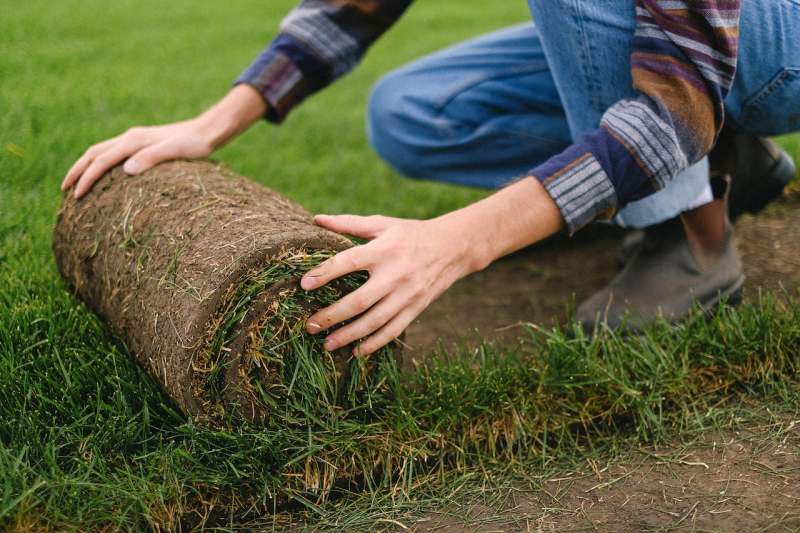
For O’Connor, “Sod is going to provide you with an “instant” lawn, but will cost significantly more.” Here’s the typical price tag:
Factors affecting sod installation costs:
- Grass type: Different grass types have different costs. Specialty sods often come at a premium price.
- Yard size: While price per square foot may decrease slightly for larger areas, total costs are substantial.
- Soil preparation: Same as hydroseeding — proper prep is essential for success.
- Labor intensity: Professional installation labor accounts for 50%-60% of the total cost.
See Related: How Much Does Sod Cost?
Special Scenarios
Every yard is different, and certain situations can change the “best” choice. The scenarios below address common challenges that can influence whether hydroseeding or sod is a better fit:
Which is Best For Slopes and Erosion Control?
Slopes over 15 degrees: Hydroseeding works well and costs significantly less. The mulch in the slurry helps prevent seed washout.
Slopes under 15 degrees: Sod is the safer, more common choice. Though it provides erosion control once rooted, it can be difficult to install because rolls may slip or not sit flush with the soil unless anchored with staples or erosion control mats
Which is Best For Pet Owners?
Both methods create pet-friendly lawns, but timing differs significantly:
Hydroseeding: Keep pets completely off the area for 4-6 weeks. Even light foot traffic disrupts seed germination and creates bare patches.
Sod: Allow light pet activity after 2-3 weeks once roots establish. This faster usability timeline makes sod more convenient for dog-friendly landscapes.
FAQ
Yes, hydroseeding costs up to 80% less than sod installation. For a 5,000-square-foot lawn, you’ll pay $350-$1,050 for hydroseeding versus $3,000+ for professional sod installation. The larger your lawn, the greater these savings.
Neither is universally “better.” It depends on your priorities and your property.
Hydroseeding creates healthier, deeper-rooted lawns at a much lower cost but requires 4-6 weeks before use. Sod gives instant results, but costs around 8 times more and offers less grass variety. Choose based on your budget, timeline, and property needs.
Wait at least 4-6 weeks before walking on a hydroseeded lawn. Early foot traffic compacts soil, disrupts shallow roots, and creates bare patches that require overseeding. Once grass is fully established (8-10 weeks), it can handle normal family use and foot traffic.
Get Professional Help with Your Lawn Installation
Ready to transform your yard? Whether you choose hydroseeding or sod, professional installation ensures proper soil preparation, correct application, and a healthy, thriving lawn.
Find local landscapers in your area who can assess your property, recommend the best method, and handle everything from soil prep to final establishment. Once your new lawn is growing, schedule regular mowing and maintenance to keep it looking pristine year-round.
For ongoing lawn health, consider professional fertilization services to give your new grass the nutrients it needs to thrive.
Sources:
- Alison O’Connor, professor of horticulture with Colorado State University Extension, Fort Collins, CO. Personal interview.
- California State University
- Country Green Turf Farms
- University of Arizona
- University of Delaware
- University of Maryland
- University of Minnesota Extension
- University of Nebraska-Lincoln
Main Image: Side by side image of Hydroseeding and Sod Installation.
Image Credits:
Hydroseeding: Shutterstock
Sodding: ungvar / Adobe Stock Free / License
Related Posts: