| Key Takeaways |
|---|
| • Frost seeding uses natural freeze-thaw cycles to work seeds into the soil. • It works best with fast-germinating cool-season seeds like clover and ryegrass, and is most effective on loamy or clay soils. • Timing is critical. Aim for late winter when the ground is still frozen overnight but thawing during the day (February or early March in most of the U.S.) |
If your lawn went into winter looking thin and patchy, frost seeding is worth knowing about. It’s a low-cost, low-effort way to fill in bare spots. You scatter seed on frozen ground in late winter and let natural freeze-thaw cycles work it into the soil.
Frost seeding doesn’t fit every lawn, but if you have cool-season turf and want a thicker lawn without spending a lot, it’s one of the most accessible methods available.
If managing the timing yourself feels like too much, LawnStarter connects you with our local landscaping pros who can handle overseeding and fall prep on a schedule you don’t have to track.
How Does Frost Seeding Work?
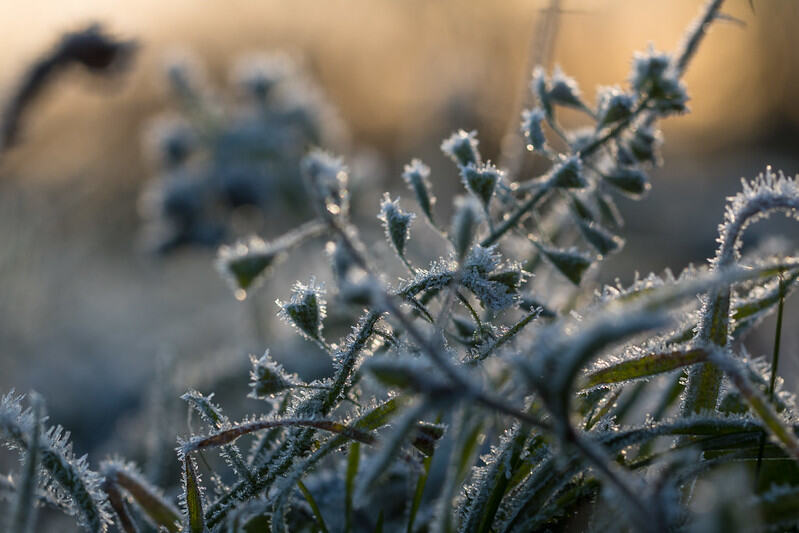
Frost seeding is a low-effort lawn renovation method where you scatter grass seed over frozen ground in late winter. Natural freeze-thaw cycles work the seeds into the soil without tilling or heavy equipment.
As temperatures drop overnight, the soil hardens and contracts. When daytime temperatures rise above freezing, the soil loosens and expands, cracking open and then closing back around nearby seeds.
This repeated cycle is what naturally plants the seeds for you. Think of it as your soil doing the digging.
Frost Seeding for Lawns vs. Pastures
Can homeowners frost seed a residential lawn? Absolutely. Many online guides are written for farmers and pasture managers because the method has deeper roots in agriculture, but the mechanics translate directly to suburban lawns.
The technique works the same way on a quarter-acre yard as it does on grazing land.
The main differences are scale and seed choice: pasture managers often broadcast clover for forage value, while homeowners reach for cool-season turfgrass blends to thicken thin or bare spots. Prep, timing, and freeze-thaw mechanics are identical in both settings.
Best Time for Frost Seeding
In many frost-seeding areas, the window is mid-February to early March, but local freeze-thaw cycles should determine the exact date.
According to Penn State, the best time to frost seed is early morning. You want to spread the seeds while the soil is still frozen, during a day when a thaw is expected later on.
What you’re looking for is when your ground is frozen with no snow lying on top. Avoid spreading seeds on top of snow. Melting snow can wash the seeds away. Your goal is to get those seeds onto cold, hard soil before spring arrives.
However, there is no problem if it snows after you seed, according to Iowa State University.
See Related: Frost Seeding vs. Dormant Seeding: What’s the Difference?
Best Seed for Frost Seeding
The type of seed you use matters more than most people expect. Not all grass seeds survive being scattered on frozen ground. You need varieties that germinate quickly in cold soil and can handle the stress of freeze-thaw cycles.
Here’s what works best:
| Seed Type | Success Rate | Best For |
| Clover | High | Quick germination, eco-friendly lawns |
| Ryegrass (annual and perennial) | High | Fast growth, filling bare spots |
| Tall fescue and Kentucky bluegrass | Moderate | Cool-season lawns (less reliable) |
Pro Tip: Consider using a mixture of cool-season grasses for better adaptation to various micro-climates within your lawn. Areas with different sun exposure or moisture levels may favor different species, and a blend hedges your bets if one variety underperforms.
See Related: Guide to Growing Cool-Season Grasses
Benefits of Frost Seeding
Frost seeding is one of the most cost-effective ways to improve a thin or patchy lawn.
Professional overseeding with aeration costs $0.07 to $0.23 per square foot. Frost seeding requires only grass seed and a spreader, putting DIY costs well below a full overseeding project.
However, preparing the soil in the fall by dethatching and aerating if necessary helps increase germination rates.
Here are the key benefits:
Requires little effort: With nature doing most of the work, there’s no digging and no equipment rental. A bag of seed and a handheld spreader are all you need.
Fills in thin and bare spots: Frost seeding improves thin areas and bare spots, leading to thicker turf come spring.
Extends seeding window: Seeds planted via frost seeding often germinate earlier in spring, giving them a head start before weeds become competitive.
Provides good seed-to-soil contact: The freeze-thaw cycle naturally works seeds into the soil, providing ideal conditions for germination.
Reduces need for watering: Seedlings grow in spring when natural moisture levels are typically higher, reducing the need for supplemental watering.
See Related:
Downsides of Frost Seeding
Frost seeding comes with a few real limitations to weigh before you scatter that first bag of seed:
Depends on weather conditions: Frost seeding relies on freeze-thaw cycles to be effective. If these conditions don’t occur, the method may not work well.
Has an unpredictable success rate: Results can vary depending on climate and soil type.
Restricts your seed choices: Frost seeding works best with fast-germinating cool-season grasses like perennial ryegrass and fine fescues. Slower-germinating species like Kentucky bluegrass are workable but less reliable on their own.
Risks loss to birds: Seed-eating birds can pick off exposed seeds before the freeze-thaw cycle covers them. Spreading seed in the early morning, when birds are less active and a daytime thaw is expected, reduces this risk.
Keys to Successful Frost Seeding
The University of Vermont notes that farmers often report 60% to 70% establishment rate when using frost seeding, though home-lawn results can vary. Here’s what separates a thick spring lawn from a disappointing one:
Use it on the right soil: Frost seeding works best on loamy and clay soils. Avoid it on a sandy lawn or garden. Sandy soils don’t heave enough to cover seeds.
Prepare the site: Mow your lawn short (around 1.5 to 2 inches) and rake away thatch and debris at the end of season (late fall or early winter). If you missed the window, wait for a winter thaw when the soil is soft and the grass is dry.
Use the proper seeding rate: Use a seeding rate guide for your grass type: Perennial ryegrass typically needs 3 to 5 pounds per 1,000 square feet, while tall fescue needs 6 to 8 pounds. Check your seed bag for the manufacturer’s rate.
Spread seeds evenly: Use a broadcast or handheld spreader for better coverage than hand spreading.
Hold off on weed control: Wait until the new turf has been mowed 2 to 3 times before applying most broadleaf herbicides. Most pre-emergent and post-emergent products can injure germinating grass.
Have a backup plan: If freeze-thaw cycles have ended, switch to spring overseeding and plant the seeds once soil temperatures reach about 50 degrees.
Frost seeding relies on natural winter and spring moisture (snowmelt, rain, and freeze-thaw cycles). No irrigation is needed until seedlings emerge in spring. Monitor the soil moisture once temperatures warm and water only if early spring conditions are unusually dry.
See Related:
Not Sure About the Timing? Hire a Pro
Frost seeding is a genuinely smart approach for a thin lawn: low cost, low effort, and nature-powered. But if the timing window stresses you out or you want more predictable results, hire one of LawnStarter’s local landscaping pros to handle seeding for reliable results.
FAQs
Frost seeding is cheaper and easier for thickening thin areas. Traditional overseeding with aeration is more reliable for full lawn renovation or establishing dense, uniform turf.
Establishment rates typically range from 60% to 70% under good conditions. Homeowners can expect similar results by choosing the right seed, prepping the site in fall, and timing seeding to active freeze-thaw cycles.
You can, but results are usually weaker because weeds and matted growth reduce seed-to-soil contact. Mow short and rake out debris and thatch before seeding so more seed reaches bare soil.
No. Warm-season grasses like bermudagrass and zoysia need warm soil to germinate (65 to 70 degrees). Seeds dropped during winter freeze-thaw cycles will sit unprotected for months, exposed to washout, birds, and decay before conditions are ever right for germination.
Dormant seeding spreads seed in late fall on cold, unfrozen soil so it lies inactive through winter and germinates in spring. Frost seeding happens in late winter on frozen ground, using freeze-thaw cycles to work seed into the soil.
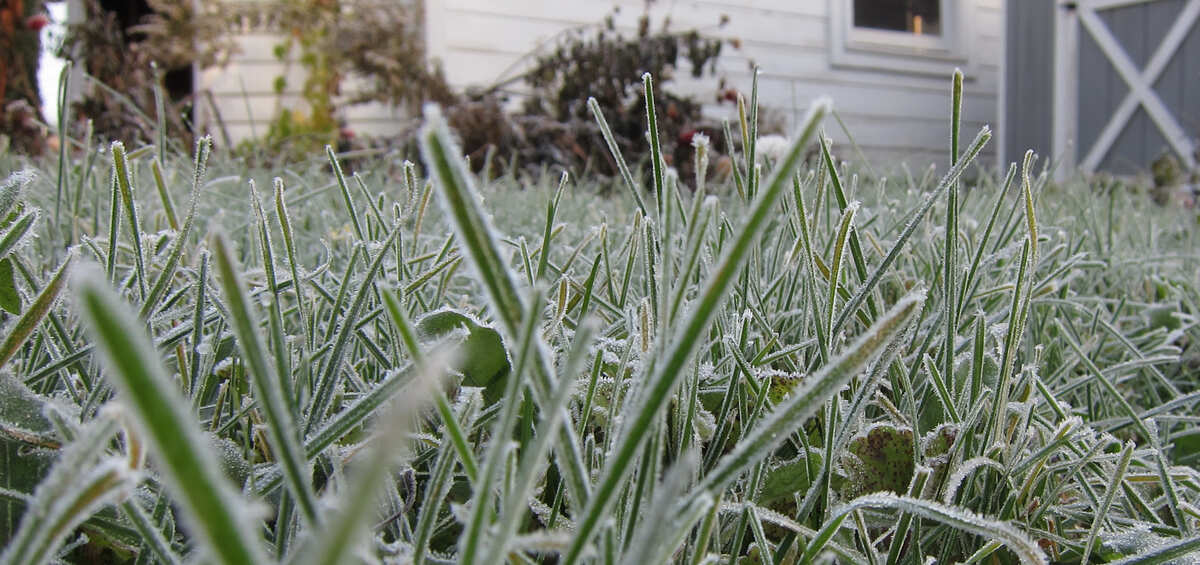
Main Image: Frost on grass in lawn. Image Credit: Chris Waits / Flickr / CC BY 2.0
Related Posts: