| Key Takeaways |
|---|
| • Organic feeds the soil; synthetic feeds the plant directly • Synthetic shows results in 2-7 days; organic takes weeks • Organic costs more upfront but lasts longer per application • Synthetic has precise nutrient ratios • Best for most homeowners: Use both strategically to deliver optimal results |
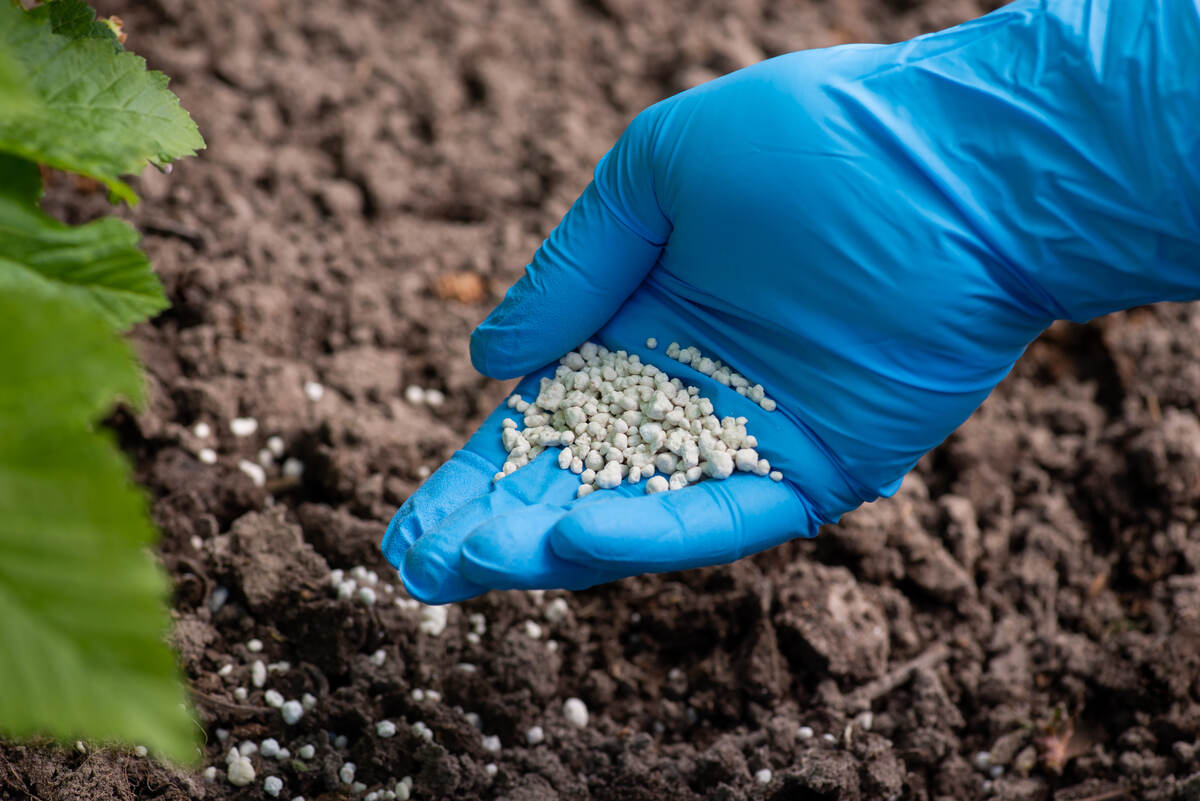
Choosing between organic and synthetic fertilizer can feel overwhelming. Organic fertilizers use natural materials that improve soil health over time, but work slowly, while synthetic fertilizers deliver nutrients directly to plants for fast results, but don’t build long-term soil quality.
Neither is universally “better.” The best choice depends on your lawn’s needs: quick greening or sustainable growth. Many homeowners use both strategically to get the best of both worlds.
This article examines the key differences between organic and synthetic fertilizers to help you decide which one is right for you.
Not sure which fertilizer your lawn needs? LawnStarter connects you with local pros who specialize in fertilization and can create a custom plan. Get a free quote today.
Quick Comparison: Organic vs. Synthetic Fertilizer
“Before choosing a product, homeowners should know what their ‘aesthetic goals’ actually are,” says Hayden Bock, assistant professor of landscape sustainability at Penn State.
“Do they envision a deep green, perfectly manicured lawn (which usually requires synthetic products), or are they content with a slightly less manicured look?” he says. That distinction can help homeowners decide between organic and synthetic fertilizer.
Beyond aesthetics, take a look at the table below for a snapshot of the main differences of each fertilizer type:
| Feature | Organic | Synthetic |
| Speed | 2-6 weeks | 2-7 days |
| Nutrient Release | Slow, gradual | Fast, immediate |
| Soil Health | Improves structure | No improvement |
| Burn Risk | Low | Moderate-high |
| Environmental Impact | Low runoff | Higher runoff |
| Fertilization cost (pro application) | $200-$500 | $100-$300 |
| Best For | Long-term health | Quick fixes |
What Is Organic Fertilizer?
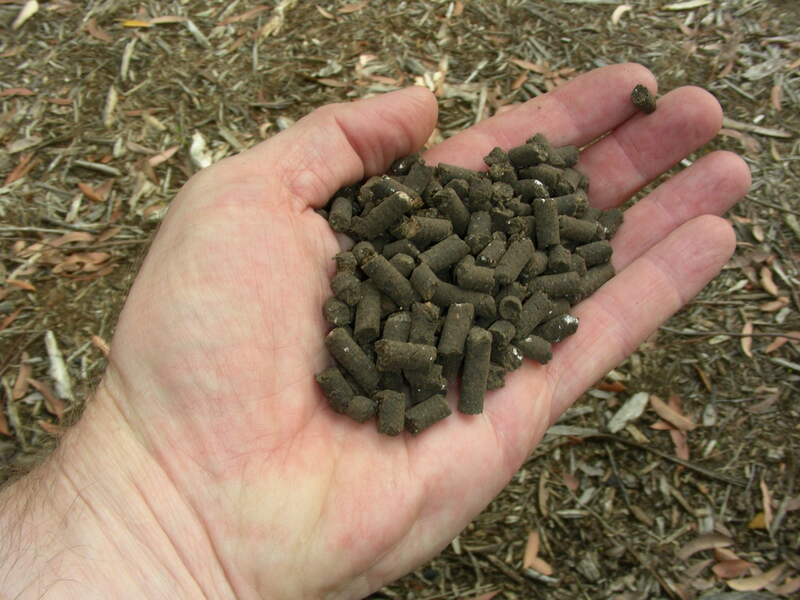
Organic fertilizer comes from plant, animal, or mineral sources that break down gradually. Unlike synthetic options, organics work with soil biology, feeding beneficial microbes that, in turn, feed your grass.
Bock explains that organic fertilizers “are less immediately available and often require soil organisms to transform them into usable forms.”
This means that when you apply organic fertilizer, soil microorganisms break it down, converting organic compounds into simple nutrients that grass can absorb. This takes time but provides feeding for a longer period.
Common Types of Organic Fertilizer:
- Manure: Composted animal waste (cow, horse, chicken)
- Bone meal: Ground bones, rich in phosphorus
- Blood meal: Dried animal blood, high in nitrogen
- Compost: Decomposed plant materials and food scraps
- Fish emulsion: Liquid made from fish remains
- Seaweed/kelp: Marine plants with trace minerals
Advantages of Organic Fertilizers
Organic fertilizers offer several important advantages. Let’s take a look at them:
- Build soil health: Improve soil structure, water retention, and feed beneficial microbes. Create long-term lawn fertility and resilience.
- Lower burn risk: Slow nutrient release makes burning difficult (though still possible with extreme over-application), avoiding a common fertilization mistake.
- Release nutrients gradually: One application feeds your lawn for 2-6 months, which means fewer applications per season.
- Contain micronutrients: Include calcium, magnesium, iron, and trace minerals synthetic fertilizers lack.
- Promote environmental health: Lower runoff risk, repurpose waste materials, require less energy to produce.
Disadvantages of Organic Fertilizers
Organic fertilizers also come with tradeoffs that can affect results, cost, and timing:
- Slower results: May take weeks or months to fully break down and become available to plants. Not ideal for quick fixes.
- Higher cost: Often more expensive per unit of nutrient, though they last longer.
- Inconsistent nutrients: Vary by batch, so it’s harder to manage precise nutrient ratios. Usually, they contain lower nutrient concentrations.
- Bulkier materials: Require larger volumes to deliver the same nutrients, making them bulkier and harder to transport, store, and apply.
- Temperature dependent: Require active soil microbes. Don’t work well below 55 F soil temperature.
See Related: What Is Organic Fertilizer?
What Is Synthetic Fertilizer?
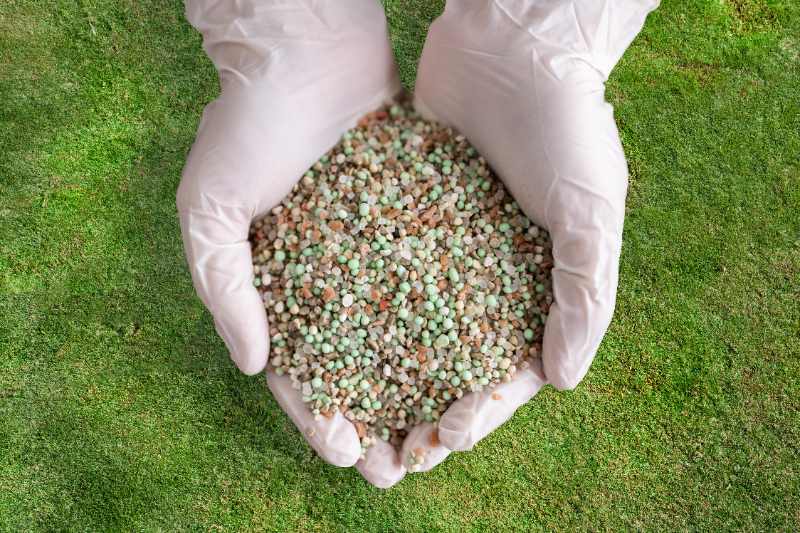
Synthetic fertilizer (also called conventional or artificial fertilizer) provides water-soluble, concentrated forms of essential plant nutrients for immediate uptake: essentially, nitrogen (N), phosphorus (P), and potassium (K).
Bock advises that synthetic fertilizers “are highly usable by plants, but this accessibility also increases the risk of those nutrients being lost to groundwater.” When nutrients dissolve quickly, any excess that the grass doesn’t absorb immediately can leach out of the soil into waterways with rainfall or irrigation.
The NPK Ratio
All fertilizers contain three macronutrients:
- Nitrogen (N): Leaf growth, green color
- Phosphorus (P): Root development
- Potassium (K): Disease resistance, stress tolerance
A “20-10-5” fertilizer contains 20% nitrogen, 10% phosphorus, 5% potassium.
See Related: Fertilizer Numbers: What They Mean and How to Use Them
Advantages of Synthetic Fertilizers
Synthetic fertilizers offer several clear advantages. Here are the main pros to consider:
- Fast results: See greening within 3-7 days, especially if you’re applying liquid fertilizer. Perfect for quick fixes or severe deficiencies.
- Precise control: Exact nutrient ratios let you target specific needs based on soil tests, estimating the exact application rate.
- Easy storage and application: Easier to transport, store, and apply in large quantities, as they require less volume to deliver nutrients.
- Lower cost: Typically 40%-50% cheaper than organic options per application (based on a cost of $100-$300 for synthetic vs. $200-$500 for organic).
- Work in cool weather: Don’t rely on soil microbes, so they work even below 55 F, which is ideal for early spring and late fall.
Disadvantages of Synthetic Fertilizers
While synthetic fertilizers work quickly, they also come with drawbacks that are important to consider before choosing them for your lawn:
- No soil improvement: Provide nutrients without adding organic matter. Long-term heavy use can also lead to soil compaction, salinity, and acidification.
- High burn risk: Concentrated nutrients can cause fertilizer burn if over-applied or not appropriately watered.
- Environmental concerns: Prone to runoff into waterways, causing algae blooms. Production has a significant carbon footprint.
- Short-term feeding: Require frequent reapplication throughout the growing season, as nutrients are quickly depleted.
How to Choose Between Synthetic and Organic Fertilizer
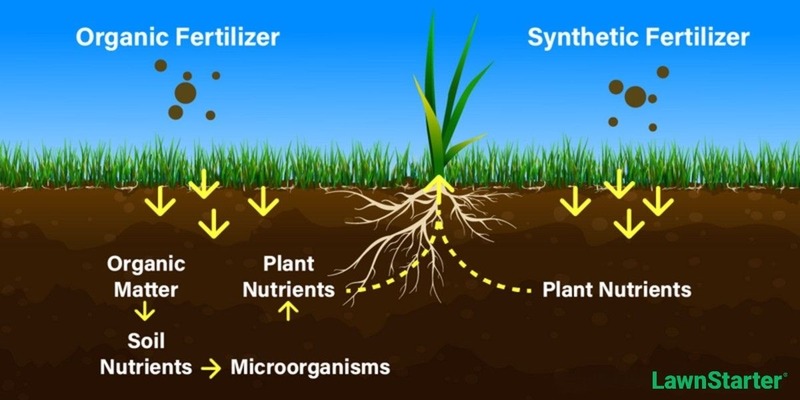
There’s no single “best” fertilizer for every lawn. In most cases, the right choice depends on how quickly you want results, your soil condition, and how much long-term soil health matters to you.
The Integrated Approach: Using Both Together
For many homeowners, the best option isn’t choosing one or the other, it’s using both organic and synthetic fertilizers strategically. This approach combines the fast, predictable results of synthetic fertilizer with the long-term soil benefits of organic inputs.
But if you need to choose only one, here are a few tips to help you decide:
Choose Organic If:
- You prioritize long-term soil health
- You can wait a few weeks for results
- You want to reduce environmental impact
- You have pets or children on the lawn
- Your soil needs organic matter
According to Bock, “Organic options have a longer timeline for aesthetic benefits.” However, he says, “This time tradeoff comes with making your soils more resilient.”
Choose Synthetic If:
- You need quick results
- You’re on a tighter budget
- You need precise nutrient control
- You’re fertilizing in cool weather
- You’re correcting severe nutrient deficiencies
– How to Choose the Right Lawn Fertilizer
– How Do You Know You Over-Fertilized Your Lawn?
FAQ
Yes, though it’s less common. Organic fertilizer releases nutrients slowly, reducing burn risk, but excessive amounts can still cause problems. High-nitrogen organics like blood meal are most likely to burn if overapplied. Stick to recommended rates and water thoroughly.
For related info, read our article: What is Fertilizer Burn?
Absolutely. Water after using any fertilizer to activate nutrients and help them penetrate the soil. For granular synthetic fertilizers, water immediately. For liquid synthetic, wait 2-4 hours, then water lightly. Without watering, granules sit on grass blades and cause burning.
Synthetic fertilizer doesn’t go bad as long as it’s stored properly (dry, sealed), so you don’t have anything to worry about on that front.
As for organic fertilizer, it can degrade. Signs it’s bad:
• Unusual or rotten odor
• Excessive clumping or hardening
• Color change or mold growth
• Liquid that separates and stays separated
Take the Guesswork Out of Fertilization
Both fertilizer types have legitimate uses. Organic builds sustainable soil health for long-term resilience. Synthetic provides quick, affordable results when your lawn needs a boost. The best approach? Using soil testing to understand your lawn’s needs, then choosing a fertilizer.
An easier approach? Let the pros handle it. Our local fertilization pros take the guesswork out of fertilization. They will create a schedule for your grass type and apply the right products at the right times, so you get a healthier, greener lawn without the trial and error. Get a free lawn treatment quote today.
Read Next: Slow-Release vs Quick-Release Fertilizer
Sources:
Hayden Bock, assistant professor of landscape sustainability. Penn State University. Personal interview.
Main Image: Person spreading fertilizer on soil with his hand. Image Credit: Vitalii / Adobe Stock Free / License
Related Posts: