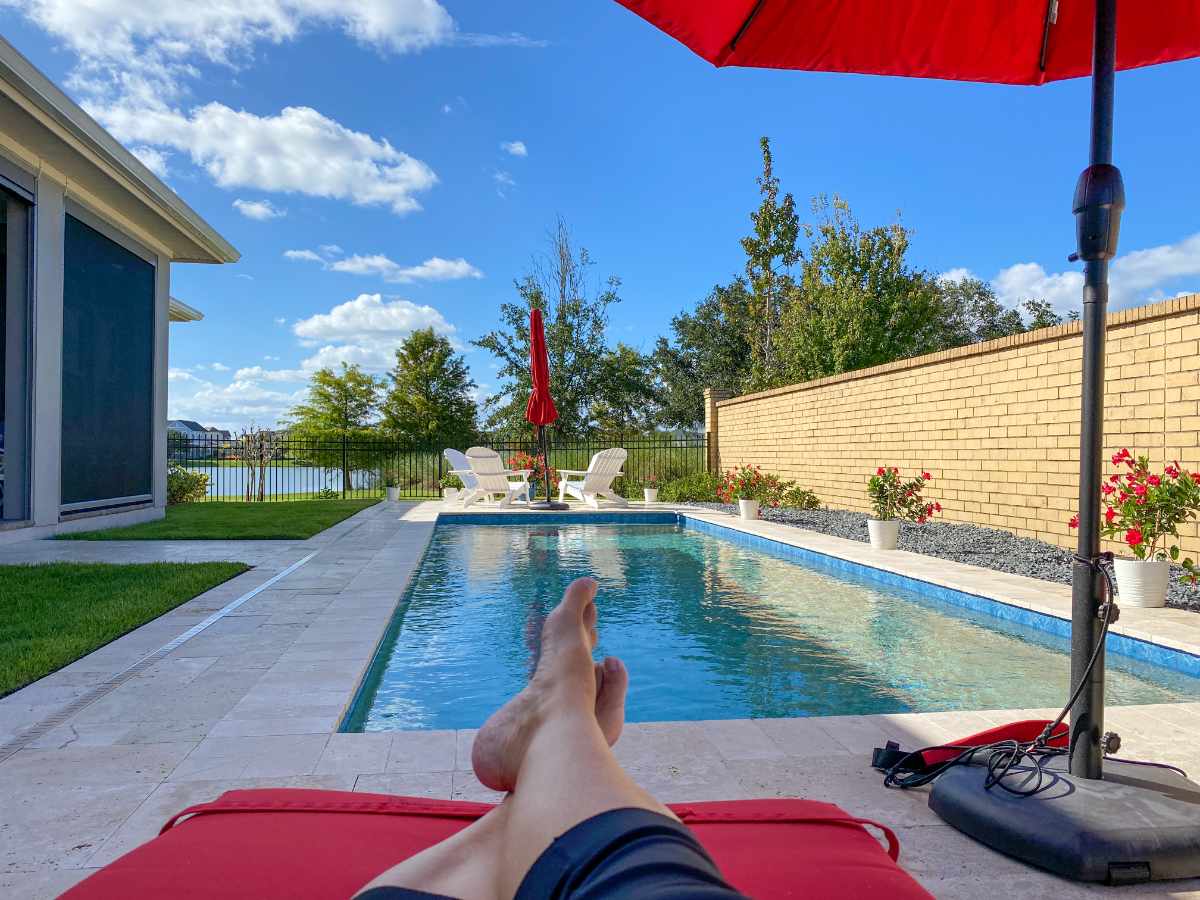
When it’s 95 degrees out and the humidity clings to your skin, yard work is the last thing you want. These 12 low-maintenance landscaping ideas for Orlando keep your yard looking great with less effort.
You don’t have to sacrifice beauty for convenience. You can have a gorgeous Central Florida landscape that boosts curb appeal without breaking your back or leaving your air-conditioned living room.
A truly easy yard still takes some upfront planning: the right plants, the right materials, and smart watering. If you would rather skip the work, LawnStarter’s Orlando landscaping pros can design and maintain it for you.
| Key Takeaways |
|---|
| • Florida-friendly and native plants, ground covers, and hardscapes cut watering, mowing, and upkeep in Orlando’s heat and humidity. • Mulch, xeriscaping, and smart irrigation help your yard look good year-round with far less work. • A little upfront planning gives you a low-maintenance yard you can enjoy instead of maintain. |
12 Steps to a Low-Maintenance Orlando Landscape
The easiest way to lower yard work in Orlando is to plant less grass and more Florida-friendly plants, add hardscapes and mulch, and let smart irrigation do the watering. These 12 ideas show you how, one project at a time.
1. Add Hardscapes to Your Yard
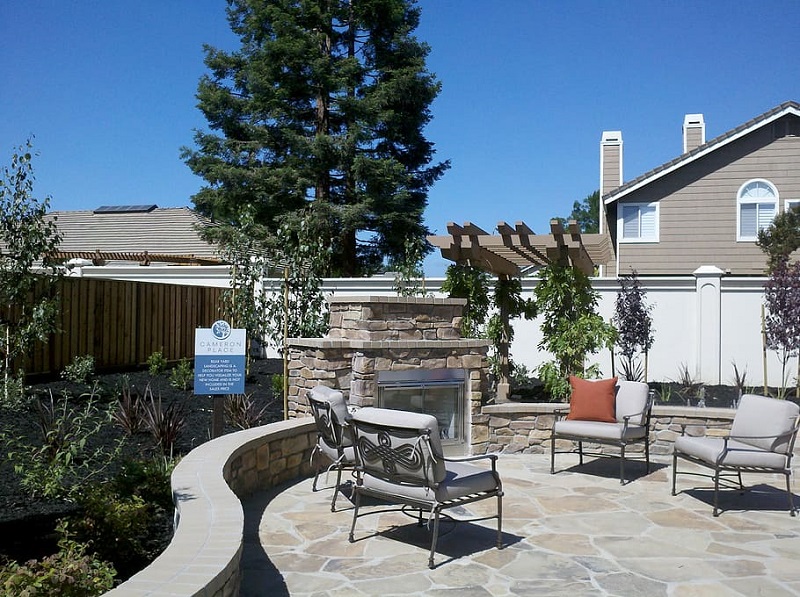
A hardscape is any landscape feature that isn’t a plant. Retaining walls, stone pathways, and outdoor living spaces such as patios and decks are all examples. There are even small hardscaping projects, such as fire pits, that homeowners can DIY.
The great thing about these features is they don’t require any maintenance, and they fill empty space that would otherwise hold grass and other plants you would have to care for.
Installing a hardscape is a simple, one-time job that looks great and even increases property value. Outdoor living spaces are especially useful in Orlando, where it almost never gets too cold to spend time outside.
Pro Tip: Though it might seem like extra work up front, you will want to lay a solid foundation for hardscaping features. You don’t want projects made from flagstone or pavers to give you problems down the line. A solid base prevents issues like shifting or breakage.
2. Mulch Your Garden Beds
Mulch doesn’t just look pretty. It also prevents weeds and helps your plants hold the moisture they need, creating a well-kept garden bed with much less work on your part.
You can use organic mulch, such as wood chips, that eventually breaks down and adds nutrients to the soil, but you will have to replace it every spring. Alternatively, inorganic mulches like rocks or rubber never need replacing.
For even stronger weed protection and less maintenance, consider laying landscape fabric under your mulch. Some landscape fabrics (or weed barrier alternatives) can smother weeds for several years without any upkeep.
3. Plant Florida Native Plants
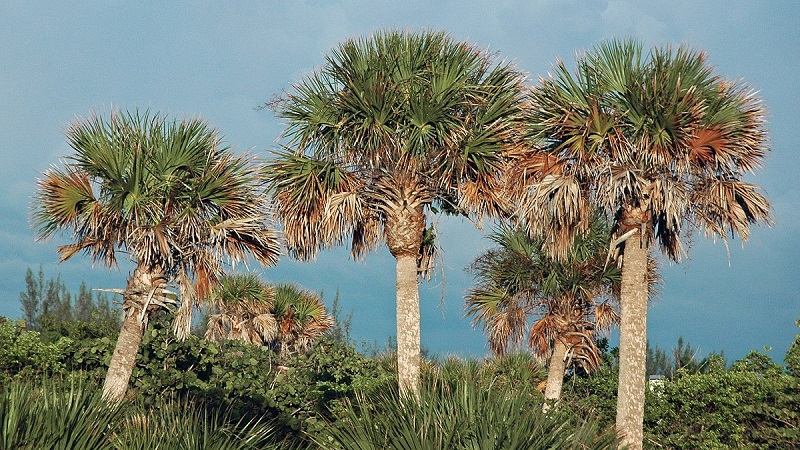
If you want Florida-friendly, low-maintenance plants, think local. Florida native plants that grow naturally in Orlando’s climate require less watering, fertilizing, and pest control. That matters because the Orange County fertilizer ordinance bans nitrogen and phosphorus fertilizer from June 1 through September 30, so plants that need little feeding are a smart choice.
The idea is right plant, right place: match each plant to your yard’s sun, shade, and soil so it thrives with less correction. Orlando has many beautiful, low-maintenance native trees, shrubs, and flowers, including:
Sabal palm (pictured)
Azaleas
Violets
Pro Tip: Native grasses require less work, too. Some of the best grass types for Orlando are bahiagrass, Zoysiagrass, and centipedegrass.
4. Replace Grass With Ground Cover
Most Orlando homeowners agree that mowing the lawn is the most annoying yard chore. Mowing is hard labor, and in the middle of summer, temperatures can reach 100 degrees or more.
If you are sick of mowing, consider replacing traditional grass with a ground cover plant. Ground covers can give you a lush, healthy lawn without all the hassle. Stunning ground cover plants that do well in Orlando include English ivy (pictured), periwinkle, and creeping phlox. All suit Central Florida’s USDA hardiness zone, which the 2023 map updated to 10a from 9b.
5. Install Artificial Grass
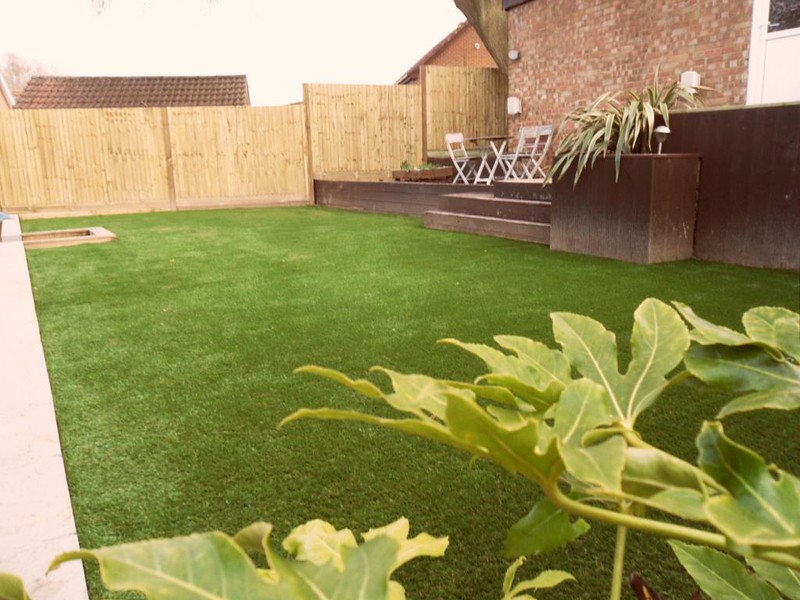
If a ground cover lawn alternative is still too much work, artificial grass might be your solution. While ground cover plants still need sunlight and some water, artificial grass is maintenance-free. Simply install it (or have a professional install it), and you are done.
Though the cost of artificial grass can be high, it can be worth it for the mower-less future it delivers. It is an especially good option for homes with children and pets who constantly crash through the yard, destroying every blade of grass in their path.
6. Xeriscape Your Yard
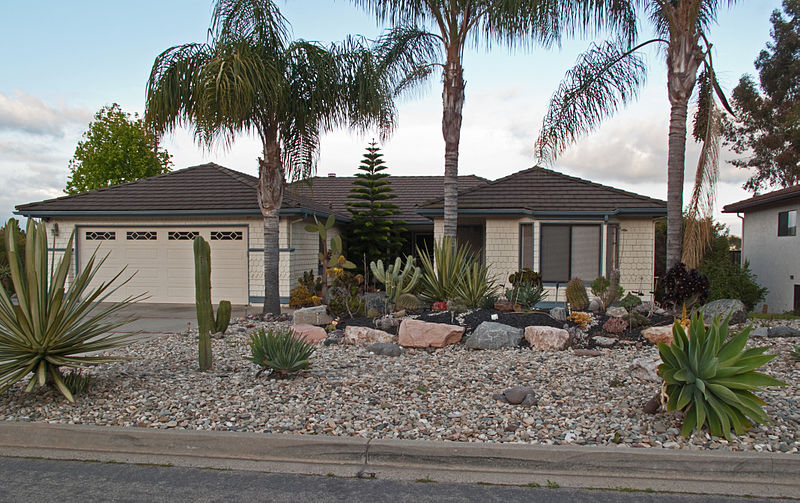
Xeriscaping looks like a big, scary word, but it is actually quite simple. A xeriscape is a water-wise garden that uses drought-tolerant plants and hardscapes to reduce water use. With xeriscaping, your yard looks good year-round with no watering from you.
This practice is more common in areas that suffer from drought, but water restrictions are not all it is good for. Orange County limits landscape watering to two days a week during daylight saving time, so a low-water yard makes staying compliant easy while saving money on your water bill.
Succulents and drought-tolerant native plants such as black-eyed Susans or Fakahatchee grass do well in xeriscaped garden beds.
See Related: A Beginner’s Guide to Xeriscaping
7. Plant a Container Garden
A container garden, in which you arrange potted plants in your yard, is easier to care for than a traditional flower bed. You can build a container garden without any digging or hard labor.
You will also find it easier to protect potted plants from weeds and pests than plants in the ground. It is much easier to replace a potted plant if the old one dies or you want a seasonal change of color.
Container gardens are a great option for people with limited mobility, such as seniors or people with disabilities. They do not have to kneel in the dirt to care for these plants.
8. Build a Rain Garden
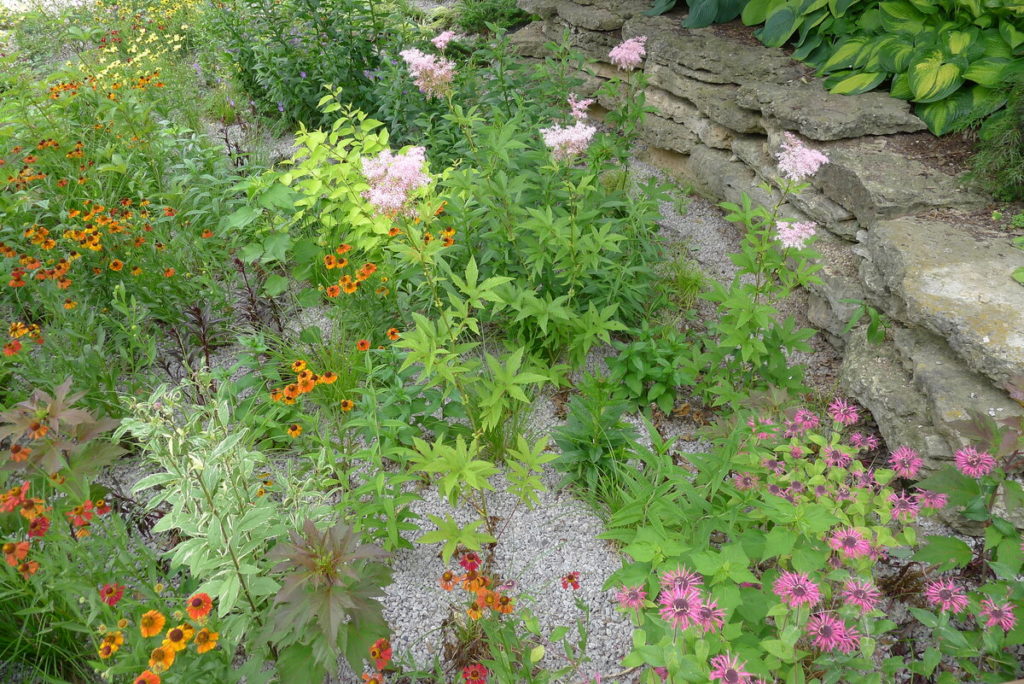
While a rain garden does require some effort to build, you can basically forget about it once it is established, making it a perfect low-maintenance solution.
A properly placed rain garden collects your property’s stormwater runoff, so it will not need additional watering from you to thrive. Florida’s annual rainfall runs 40 to 60 inches a year, mostly between June and October, so an Orlando rain garden has plenty of runoff to soak up.
Because rain gardens reduce flooding and help control erosion, they can also save you from the hassle of dealing with larger landscape issues later.
9. Plant Low-Maintenance Perennials
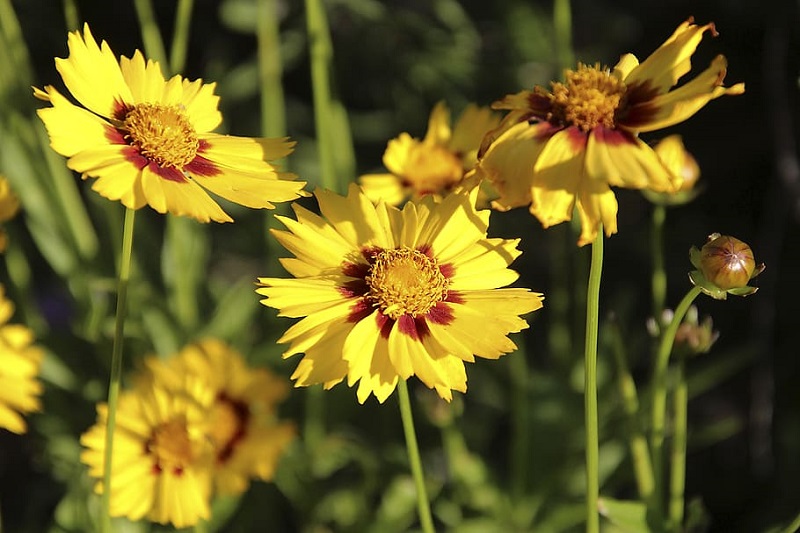
Perennial plants are a one-and-done solution for adding colorful flowers to your garden. Unlike annuals, perennials come back year after year on their own. Plant them, give them proper water and sunlight, and you will have a reliable landscape plant for years.
Orlando has many low-maintenance native perennials, including:
Tickseed, Florida’s state wildflower (pictured)
Blanket flower
Blazing star
10. Choose Evergreen Plants
Evergreen plants come in all shapes and sizes, from towering trees to hedge-friendly shrubs to low-growing ground covers.
No matter which evergreen plants you choose, you can rest easy knowing they look their best year-round, since they do not shed leaves.
If you want shade or specimen trees that will not need cleanup come fall, many Florida native evergreens fit the bill. Self-cleaning palm trees, for example, drop their old fronds on their own and stay low-maintenance and diverse.
See Related: How to Landscape With Palm Trees in Orlando
11. Install an Automatic Irrigation System
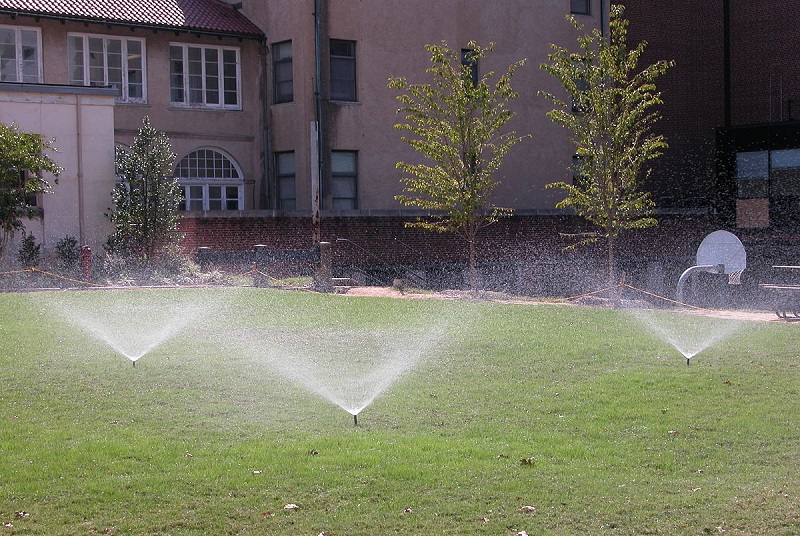
Even without a water-wise landscape, you will not have to worry about watering if you install an automatic irrigation system. Set a timer, and your sprinklers take care of watering for you.
A smart controller goes a step further, adjusting watering to the weather so you never overwater after a Florida downpour. Having sprinklers installed can be expensive, and regular use raises your water bill, but they save you hours of work and increase your home’s property value.
See Related: How Much Does a Sprinkler System Cost?
12. Build a Rock Garden
Instead of a flower bed or other traditional garden, consider building a rock garden for your low-maintenance landscape. The focal point of a rock garden is not plants but rocks, stones, and boulders of different shapes and sizes.
You can design your rock garden in any style that suits your home. The best part is you do not have to water, fertilize, weed, or prune rocks.
You can include plants in your rock garden as accent pieces, but these still require far less effort than a full garden bed filled with shrubs and flowers.
FAQs
Florida-friendly landscaping uses native and well-adapted plants, hardscapes, and smart watering to conserve water, cut maintenance, and reduce runoff pollution. Built on the University of Florida’s nine guiding principles, it helps you create a beautiful yard suited to the Sunshine State. Browse more Florida-friendly landscaping ideas to plan your own.
Attract birds, butterflies, and pollinators by planting native species, adding a water feature, skipping pesticides, and leaving sheltering spots like brush piles. Limiting turfgrass gives wildlife even more habitat. Our guide to landscaping for wildlife in Orlando covers simple ways to turn your yard into a backyard sanctuary.
Xeriscapes rely on drought-tolerant, low-water plants, and many are Florida-friendly natives. Group plants with similar water needs, then match each species to your yard’s light and soil. For region-by-region picks, see our roundup of the best xeriscaping plants that thrive with little watering.
When to Call a Landscaping Professional
If you are just getting started with your low-maintenance landscaping plans, one of LawnStarter’s professional Orlando landscapers can help you design a yard that suits your home, your needs, and the level of effort you want to put in.
Alternatively, you could build whatever landscape you want and hire a regular Orlando lawn care service to maintain it. You will still have a low-maintenance landscape, without limits on plant types and design options.
LawnStarter also connects you with landscaping pros in nearby cities and suburbs like Winter Park, Maitland, Altamonte Springs, Gotha, Casselberry, and more.
Main Image: A homeowner relaxes poolside in a backyard oasis featuring a pool, red umbrellas, and a serene lake view. Photo Credit: Joni / Adobe Stock