| Key Takeaways |
|---|
| • St. Augustinegrass is Florida's most popular grass and the best pick for shaded or coastal yards. • Match the grass to your yard: bahiagrass for sandy, low-budget lawns, seashore paspalum for salty coastal sites, and Bermudagrass for full sun and heavy traffic. • Your Florida region, from the Panhandle to the Keys, narrows the shortlist even further. |
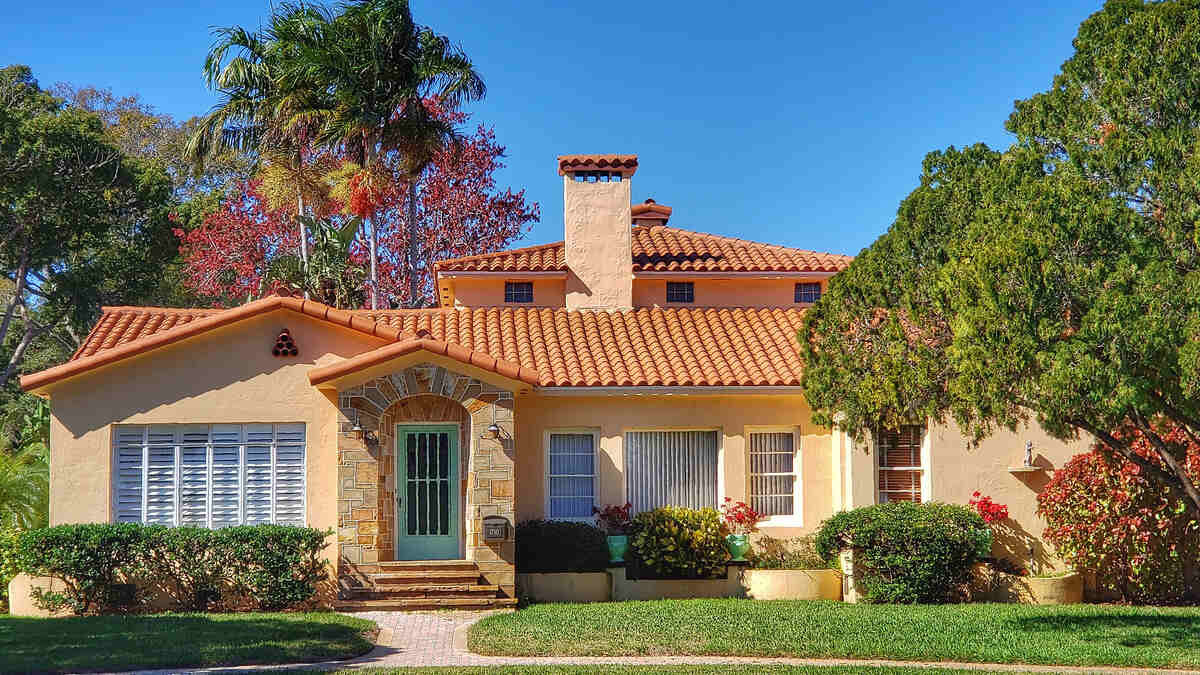
There’s something magical about a dense, green Florida lawn. The best grasses for Florida include St. Augustinegrass, Zoysiagrass, and Bermudagrass, but which one is right for your yard?
Each of these warm-season grasses thrives in the Sunshine State, yet they differ in shade, salt, and drought tolerance. Choosing wrong is costly, so let’s match the grass to your soil, shade, and region.
Choosing a grass is the easy part. Keeping it healthy through Florida’s heat takes steady mowing, watering, and feeding. If that is not how you want to spend your weekends, LawnStarter’s lawn mowing pros can take it off your plate.
7 Best Types of Grass for Florida Lawns
Florida’s heat, humidity, sandy soil, and salt air narrow your lawn down to a handful of warm-season grasses. Here are the seven that perform best, and what each one does well:
St. Augustinegrass: The Best Grass for Shaded Lawns
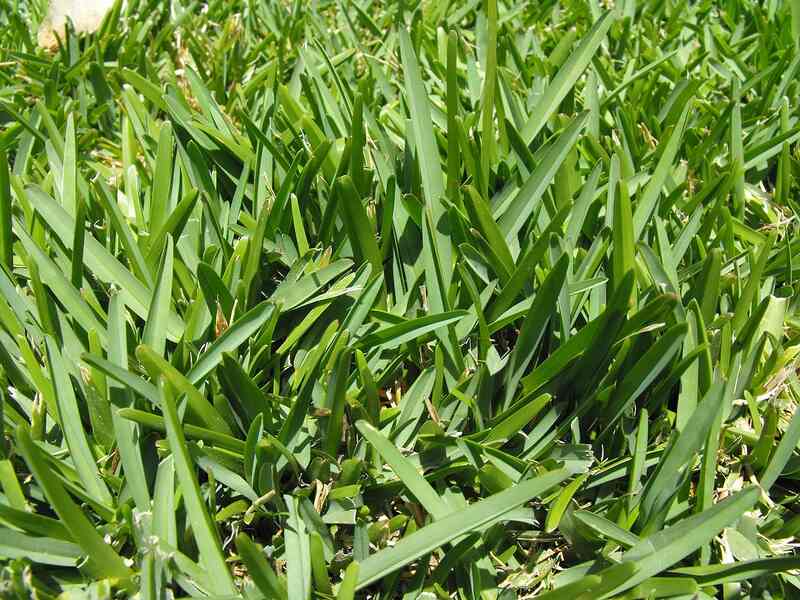
St. Augustinegrass is Florida’s most popular turf. It covers your lawn in thick, dense, blue-green blades, loves wet and humid weather, and shrugs off some salt spray and short dry spells.
Its standout trait is shade tolerance, making it the top pick for yards with trees or buildings.
The tradeoff is upkeep. St. Augustine grows fast and needs frequent mowing, fertilizing, and dethatching to stay healthy and neat.
Pro tip for Florida lawns: In North Florida, avoid fertilizing too early in spring, or late frosts can damage the grass. Our lawn fertilization schedule for Florida shows the right timing by region.
Foot traffic tolerance: Low
Mowing height: 3 to 4 inches (2 to 2.5 inches for dwarf cultivars)
Potential for disease: Moderate to high; watch for gray leaf spot and chinch bugs
See Related: How to Care for St. Augustinegrass
Zoysiagrass: A Good Choice for Heavy Foot Traffic
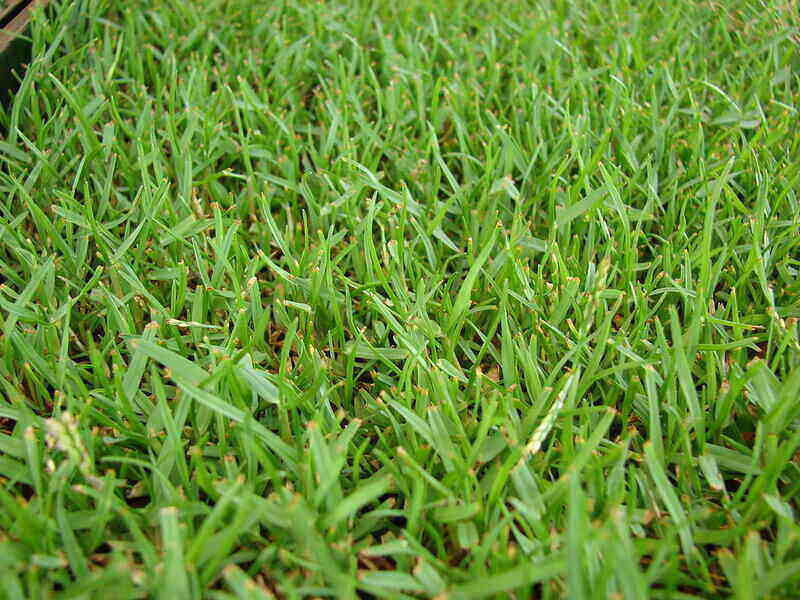
Zoysiagrass has a unique emerald-green color and handles heavy foot traffic without tearing up, which is why it shows up on home lawns, golf courses, and sports fields.
Homeowners like it because “it has that fine leaf blade and dense growth,” says Ralph Mitchell, a director at the University of Florida’s Institute of Food and Agricultural Sciences (UF/IFAS) in Port Charlotte.
Don’t overwater it, though. “Overwatering is the No. 1 mistake, especially in the winter months,” says Amanda Marek, a UF/IFAS Extension agent in Ocala. Water only when the grass wilts, folds, and turns a blue-gray color.
Foot traffic tolerance: High, but slow to recover
Mowing height: 1 to 2.5 inches
Potential for disease: Moderate; large patch and dollar spot in humid weather
See Related: Growing Zoysiagrass: Everything You Need to Know
Bermudagrass: Excellent for Drought Conditions
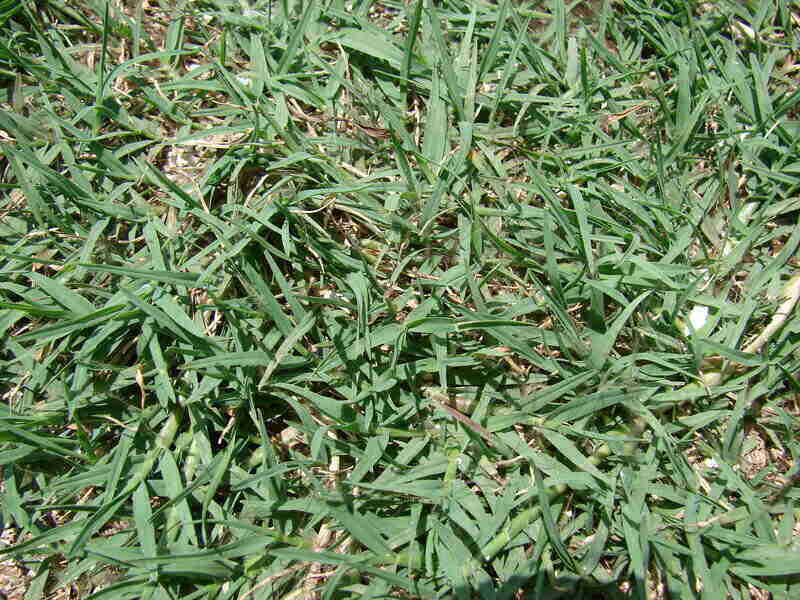
Bermudagrass grows fast, thick, and dense, and withstands heavy traffic, salt, and drought while conserving water. Its dark green blades make it a favorite for golf courses and athletic fields.
The catch is sun and maintenance. Bermuda needs full sun and frequent mowing, fertilizing, and dethatching. Florida soils tend to be slightly acidic, so test periodically to keep pH between 6.0 and 7.0. Watch for Florida lawn pests like mole crickets.
Foot traffic tolerance: Medium to high
Mowing height: 1 to 2 inches
Potential for disease: Moderate; dollar spot and nematodes are the main threats
See Related: Bermudagrass Guide: Types, Traits, and Care
Bahiagrass: The Best Low-Maintenance Grass for Sandy Soils
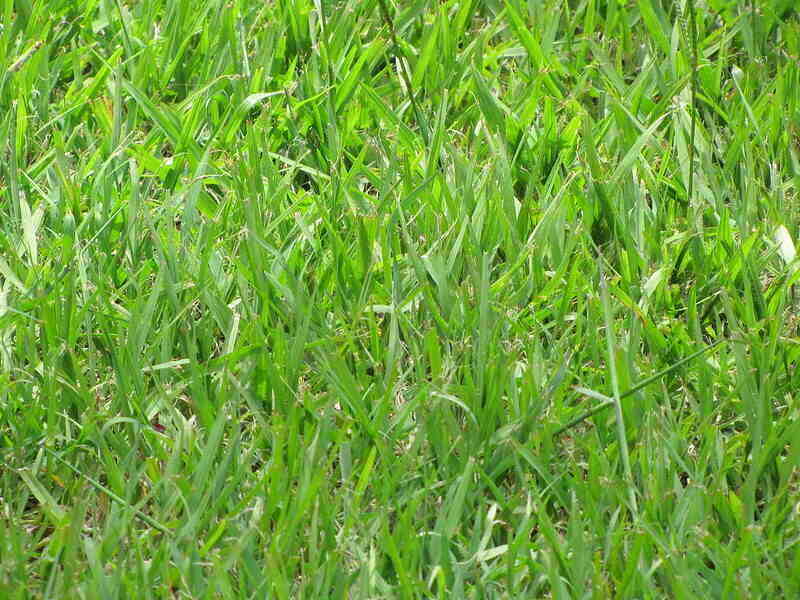
Bahiagrass is a budget-friendly, low-maintenance grass for infertile, sandy soils. It adapts to poor conditions and needs little water or fertilizer. That suits Florida well, since the state’s sandy soils are naturally low in organic matter, and bahia doesn’t build thatch as fast as Bermuda or St. Augustine.
Avoid plugging and sprigging, though. Bahia is a slow-growing grass and needs a long time to cover the yard uniformly. It’s best established by sod to keep weeds under control. Seeds are the second best option.
Foot traffic tolerance: Low
Mowing height: 3 to 4 inches
Potential for disease: Low; dollar spot in poor soil and mole crickets are the main issues
See Related:
Centipedegrass: The Best Type of Grass for Infertile Soils
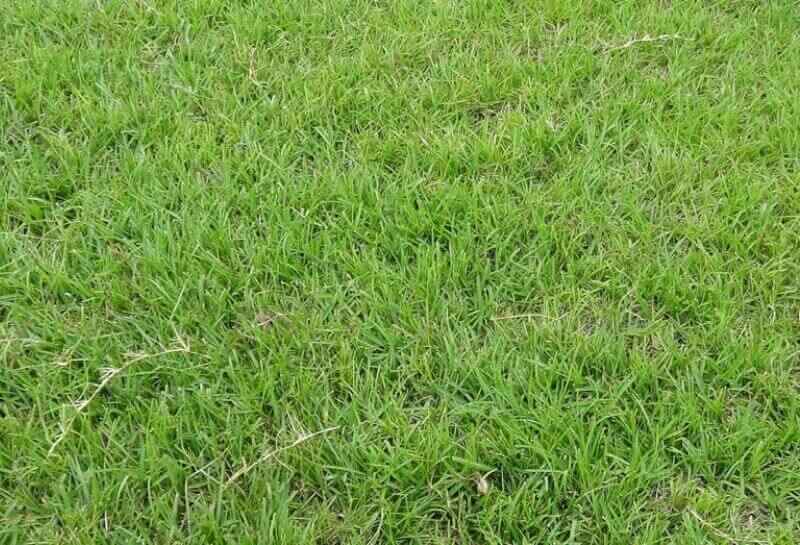
Centipedegrass suits the soil and climate of Northern and Central Florida. It grows light green, medium-textured blades in infertile soils with very little mowing or fertilizer, and it tolerates some shade and drought. Keeping a centipedegrass lawn healthy takes little work.
Do not push nitrogen to darken the blades; overfertilizing causes thatch and disease. Centipede prefers sandy, acidic soils (pH 4.5 to 6.5), which fits much of the state, where soil pH runs lower in central Florida. Avoid alkaline South Florida coastal areas.
Foot traffic tolerance: Low
Mowing height: 1 to 2 inches
Potential for disease: Moderate; centipede decline and ring nematodes are common
Seashore Paspalum: The Best Salt Tolerance
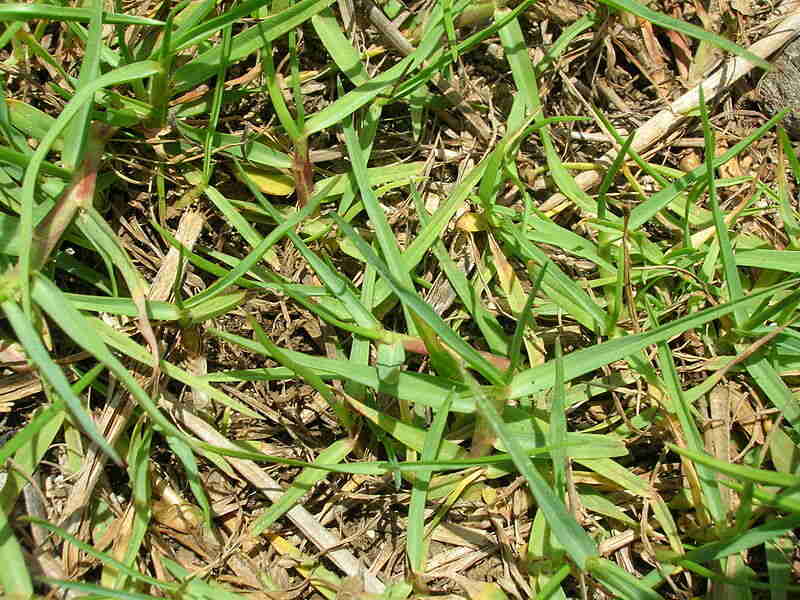
This native Florida grass isn’t fancy, but it handles salt better than any other warm-season grass, making it a top pick for coastal, saltwater-prone sites like Miami, Tampa, and Naples.
It is not low-maintenance, though. Seashore paspalum grows aggressively and turns thatchy if over-watered or over-fertilized, so mow often and dethatch periodically. It is also sensitive to many herbicides, so weed control is often best left to a pro.
Foot traffic tolerance: Moderate; recovers fast during the growing season
Mowing height: 1 to 2 inches
Potential for disease: Moderate; large patch and dollar spot are common
Buffalograss: Undemanding and Tolerant of High Temperatures
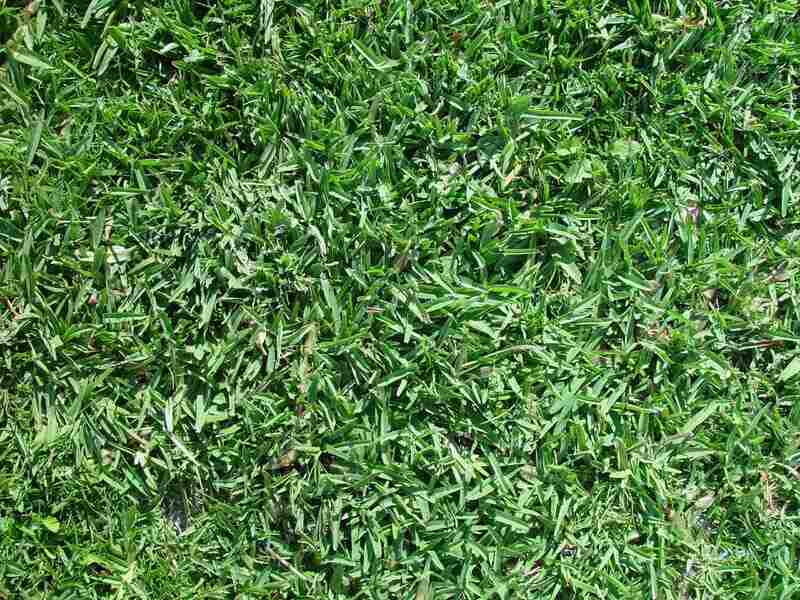
Buffalograss is a North American native that shrugs off heat, drought, and cold, making it a low-input choice that needs little water, fertilizer, or mowing. Its blue-green tint is attractive, and it resists most pests and diseases.
But it struggles in Florida’s humidity and poorly drained, sandy soil, and its open growth habit lets weeds move in. Plant it in full sun, improve drainage, and mix in compost before seeding.
Foot traffic tolerance: Low
Mowing height: 2 to 3 inches
Potential for disease: Low; brown patch can appear if overwatered
See Related: Guide to Growing Buffalograss
How the 7 Florida Grasses Compare
Not sure which grass fits your yard? This quick comparison lines up the seven grasses by what each does best and how much upkeep it demands.
| Grass | Best for | Maintenance level |
| St. Augustinegrass | Shaded and coastal yards | High |
| Zoysiagrass | Dense, high-traffic lawns | Moderate to high |
| Bermudagrass | Full sun and heavy traffic | High |
| Bahiagrass | Sandy, low-budget lawns | Low |
| Centipedegrass | Infertile, acidic soils | Low |
| Seashore paspalum | Salty coastal sites | High |
| Buffalograss | Hot, dry, low-input lawns | Low |
Best Grass Types by Florida Region
Florida spans four USDA hardiness zones (8, 9, 10, and 11), and the best grass shifts as you move up the peninsula. Use your region to narrow the choice further.
Best Grass Types for South Florida
The top warm-season grasses in Tampa, Miami, St. Petersburg, and sunny South Florida are St. Augustinegrass, Bermudagrass, and Zoysiagrass, which tolerate the hot, humid climate, salt spray, and periodic flooding. Bahia is also popular, but less so on the coast since its salt tolerance is low.
Best Grass Types for Central Florida
Central Florida leans on St. Augustinegrass, a high-maintenance beauty, and bahiagrass, the low-maintenance, more resilient alternative. Zoysia is common on golf courses, and centipedegrass suits homeowners who want a less demanding turf.
Best Grass Types for North Florida
North Florida uses mostly St. Augustinegrass, Bermudagrass, and Zoysiagrass. Homeowners in Pensacola, Tallahassee, and Jacksonville also grow bahiagrass, the most drought-tolerant and least expensive option, along with centipedegrass, which is well suited to Panhandle soils.
FAQs
Late spring through early summer is ideal for Florida’s warm-season grasses. Planting once soil temperatures warm gives sod, plugs, or seed a full growing season to root before cooler weather arrives. This timing also lines up with the summer rains, which help new grass establish with less watering.
Bahiagrass and centipedegrass are among the easiest Florida turfgrasses to care for. Both tolerate sandy, infertile soils and need less water and fertilizer than St. Augustinegrass or Bermudagrass. Buffalograss is another low-input option, though it prefers well-drained soil and full sun in Florida’s humidity.
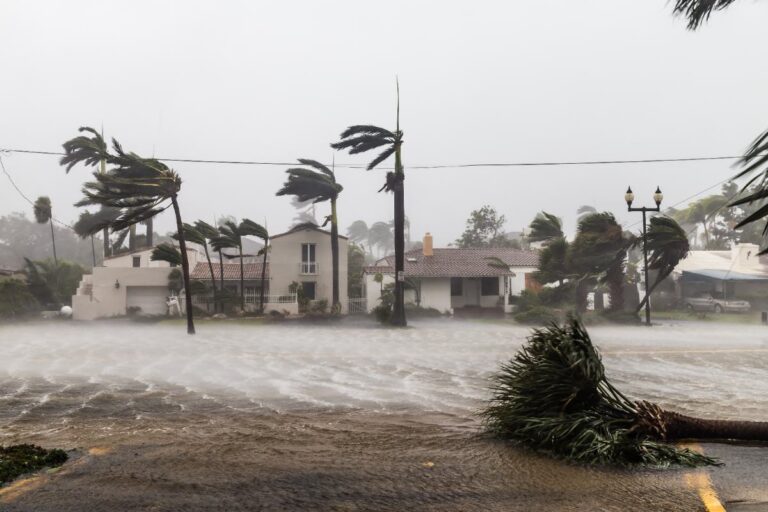
A salt-tolerant grass such as seashore paspalum stands the best chance of surviving hurricane weather and storm-surge flooding. For more ideas on a storm-ready yard, see our guide to hurricane-resistant landscaping for Florida.
Install the Perfect Florida Lawn Today
The best grass for your Florida lawn is one that enjoys your yard’s soil and local weather and fits your lawn care style. Should it be the neat but demanding Bermuda, the easygoing bahiagrass, or the popular St. Augustine?
It is a long-term commitment, so if in doubt, ask a pro. Reach out to LawnStarter’s lawn mowing service near you to find the perfect grass for your Florida lawn today.
You can find a pro faster on our local pages if you live in or near Miami, Tampa, Orlando, Jacksonville, or St. Petersburg.
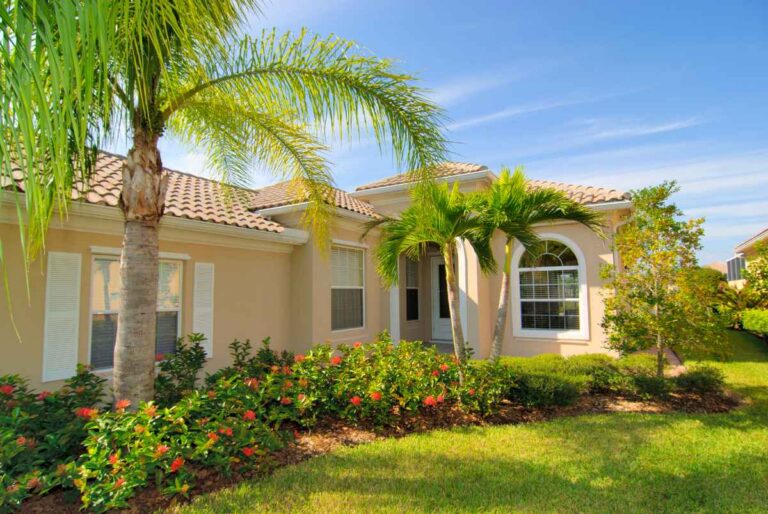
Main Image Florida lawn. Photo Credit: Calmuziclover / Flickr / CC BY 2.0
Related Posts: