| Key Takeaways |
|---|
| • Seed earlier than usual: Broadcast grass seed from mid-August to mid-October to beat Buffalo's early frost season. • Fertilize once in early fall: Spread 1 pound of nitrogen per 1,000 square feet around Labor Day, then stop by early October. • Mow higher and less often: Keep grass on the taller end of its recommended height and cut just once every 1 to 2 weeks. |
Fall here in Buffalo is beautiful — cooler temperatures and all the colored leaves — but this also makes lawn care more challenging. An early frost often comes from lake effects, for example.
Fall lawn care here needs to be completed in a shorter window of time. You need to get all your lawn care in before the first snowfall.
Follow these fall lawn care tips for Buffalo and you’ll be on your way to having a healthy lawn when spring arrives.
1. Overseed or Replace Your Current Lawn
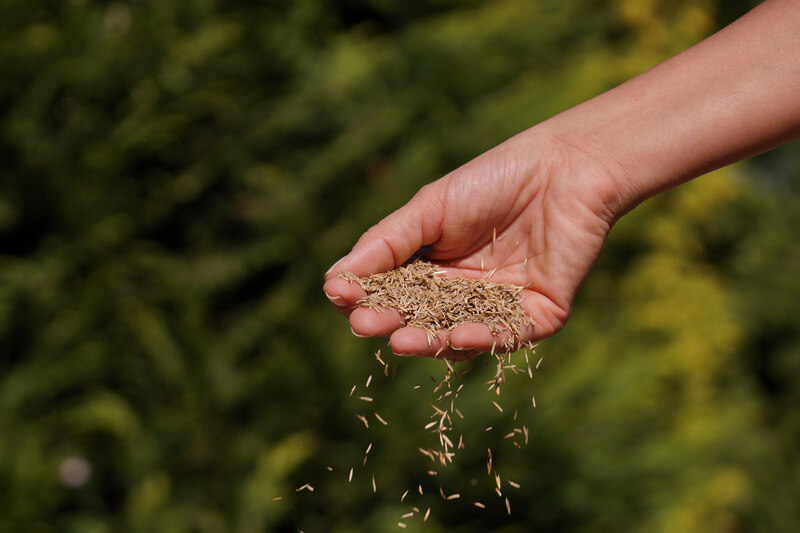
Many grass seeds for cooler climates thrive best when planted in late August to early October. However, due to Buffalo’s frost season coming earlier than most climates, the recommended time to broadcast seeds is from mid-August to mid-October, to avoid lethal damage to your seedlings.
This is the perfect time to begin broadcasting seed mixtures to fix patchy areas with overseeding, or to even renovate and establish your entire lawn.
Select more shade tolerant grass species to survive in the fall, such as tall fescue, fine fescues, and perennial ryegrass, as these grow the fastest and will establish roots fast enough to survive through the winter.
For detailed instructions for establishing a new lawn, see our Summer Lawn Care Tips for Buffalo.
See Related:
— 5 Clear Signs You Need to Overseed Your Lawn
— How to Overseed in the Fall with Fescue
— How to Grow Grass in the Shade
2. Remove Leaves From Your Yard
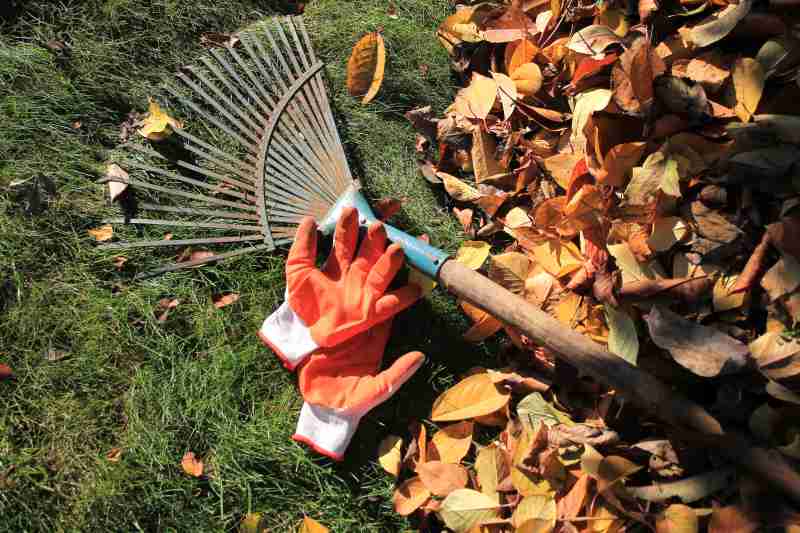
Fallen leaves can be wonderful sources of phosphorus for your lawn during the cooler season. However, care must be taken when trying to use these leaves to your advantage.
When leaves begin falling off trees you can follow one of two methods. You can either use a mulching lawn mower to finely shred the leaves, allowing them to decompose into your lawn, or you can remove grass clippings and leaves entirely — or hire a local leaf removal provider — to avoid possible phosphorus runoff.
When attempting to mulch any fallen leaves, ensure clumps do not form, as these clumps can choke the grass beneath of nutrients and sunlight. It is also highly recommended that you do not mulch leaves right before a heavy rainfall, as most of the shreds will simply be carried off as runoff, creating problems for local waterways due to their high concentration of phosphorus.
If you plan on removing grass clippings and leaves entirely, consider creating a small compost pile consisting of 1 part grass clippings for 3 parts leaves. As the mixture composts, you will be able to use this created mulch to help fertilize your lawn later in the year. Simply turn the pile once every 2 weeks to avoid any bad odors.
See Related:
— What To Do With Fallen Leaves
— Is It Better to Rake or Mulch Leaves?
— What Happens If You Don’t Remove Fallen Leaves
— How to Compost Grass Clippings (3 Methods)
3. Fertilize Your Lawn
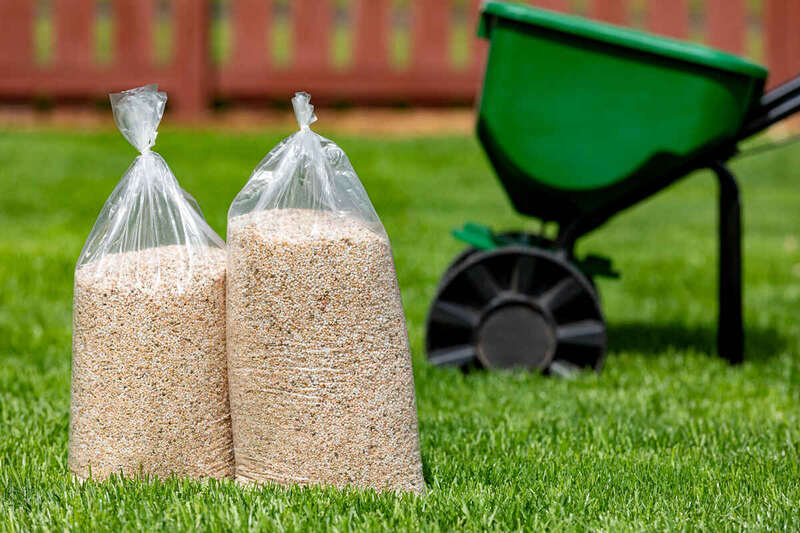
Early fall is the absolute best time to fertilize your lawn, as a few good applications of fertilizer can help your grass to grow strong roots to last through the upcoming winter.
It is highly recommended to spread fertilizer around Labor Day, spreading 1 pound of nitrogen per 1,000 square feet.
However, as the mowing season comes to an end, fertilize less often, as the growth of cool-season grasses will actually slow with the changing weather.
With the first frost coming sooner here, it is recommended to stop fertilizing early in October, as grass growth rates will slow to almost a halt.
Don’t want to mess with finding the right fertilizer and applying it, LawnStarter offers fertilization by local lawn fertilization pros or from a nationwide partner.
See Related:
— When to Fertilize Your Lawn
— When and How Often to Fertilize Your Lawn
— How to Fertilize Your Lawn
— 5 Signs Your Lawn Needs Fertilizer
4. Mow Less Frequently
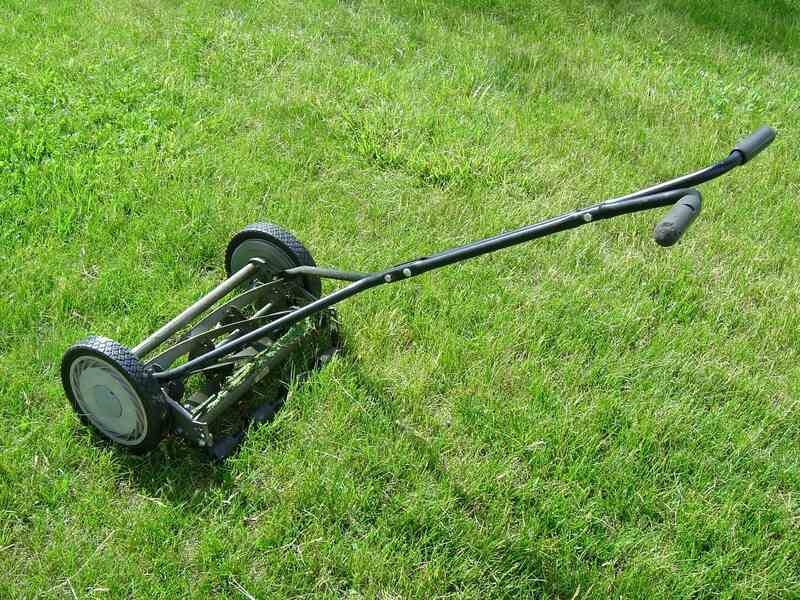
How often you mow your lawn in fall will depend on what your lawn care plans have been for the season.
If you have recently established a new lawn, or renovated your old one, do not mow until about 60% of seedlings on your yard are about 2.5 inches tall.
Once you start cutting your grass, mow your lawn on the higher end of your recommended grass height, taking care to mow only about once every one to two weeks, reducing the frequency of mowing as the season continues.
If you have been taking care of your existing lawn, mow your grass on the higher end of the recommended height, as longer grasses require less feeding, watering, and sunlight, and are better equipped to survive harsher winter conditions.
See Related: When to Stop Mowing the Lawn Before Winter
5. Consider Shade-Tolerant Ground Covers
Cooler seasons such as the fall offer challenges when it comes to fully shaded grasses underneath tree canopies.
Even shade-tolerant grasses such as tall fescue and fine fescues still require at least four hours of sunlight daily, but with the sun’s lower angle during this season, these grasses may just not receive any light necessary to survive.
So instead, consider replacing grasses under trees with a friendlier, healthier alternative, such as organic mulches, inorganic mulches, or shade-tolerant ground covers.
When choosing an organic mulch to place around the base of a tree, decide what kind of mulch would be most aesthetically pleasing to you. Organic mulches can vary between products such as wood chips, chopped leaves, or even shredded bark.
As these mulches sit they will slowly begin to decompose into the ground, providing more nutrients to the soil for surrounding grasses.
When choosing shade-tolerant ground covers, decide what kind of plants satisfy your aesthetic needs. Possible options to thrive in the cooler climate are impatiens, coleus, salvia, mosses, ferns, trilliums, wild ginger, lily-of-the-valley, sweet woodruff, and geraniums.
See Related:
— 11 of the Best Ground Covers for Shade
— Types of Mulch: How to Choose the Right One for Your Landscape
— 12 Best New York Native Plants
Need help with your lawn care in Buffalo? Visit our Buffalo lawn care page to get in touch with a professional! In addition to Buffalo, we provide lawn care services to New York cities including Rochester, Albany, and Syracuse.
Main Image Credit: André Carrotflower / Flickr / CC BY-SA 2.0
Related Posts: