| Key Takeaways |
|---|
| • Prevent disease and weeds: Clean up debris to prevent snow mold; use pre-emergent herbicides by mid-September and post-emergent herbicides whenever you spot weeds. • Lawn needs vary: Water every 2 to 4 weeks if there’s been no rain or snow; only cool-season grasses need fall aeration and fertilization. • Maintain your mower: Winter is the best time to maintain, repair, or replace your lawn mower; cleaning your mower prevents the spread of lawn diseases. |
Kansas is known for its harsh winters, with plummeting temperatures and heavy snowfall that can take a toll on your lawn. So, if you want a lush lawn come springtime, you need some foolproof winter lawn care tips for your Wichita yard.
Here are some tips to help you care for your lawn during winter in Wichita:
1. Clean Up Your Yard
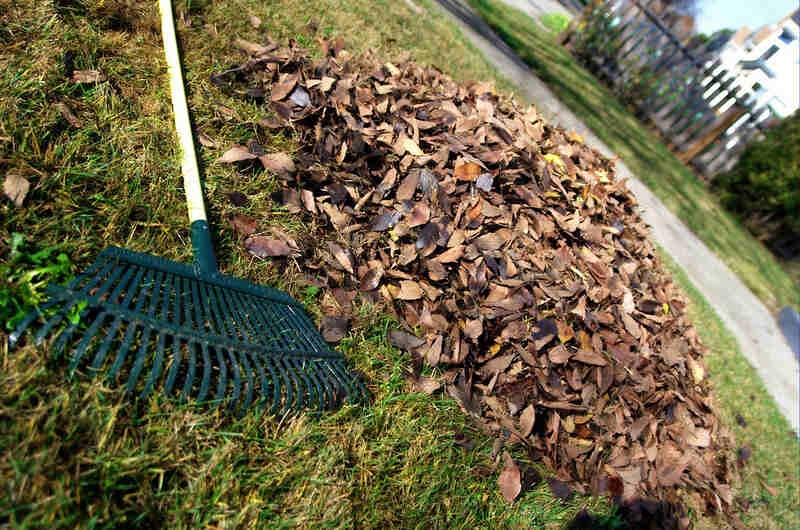
All of the leaves from your trees fall onto the lawn and can often smother your grass if not cleaned up properly. Leaving them in your yard before winter hits can also lead to snow mold.
This means before the snow covers the grass totally, you’ll need to pick up branches, logs, and other debris. You’ll also need to clear the lawn of any objects before your final mowing.
See Related:
— Main Benefits of Fall Yard Cleanup
— Best Ways to Clean Up Leaves in Your Yard
— How to Rake Leaves
— How Much Does a Yard Cleanup Cost?
2. Aerate Your Lawn
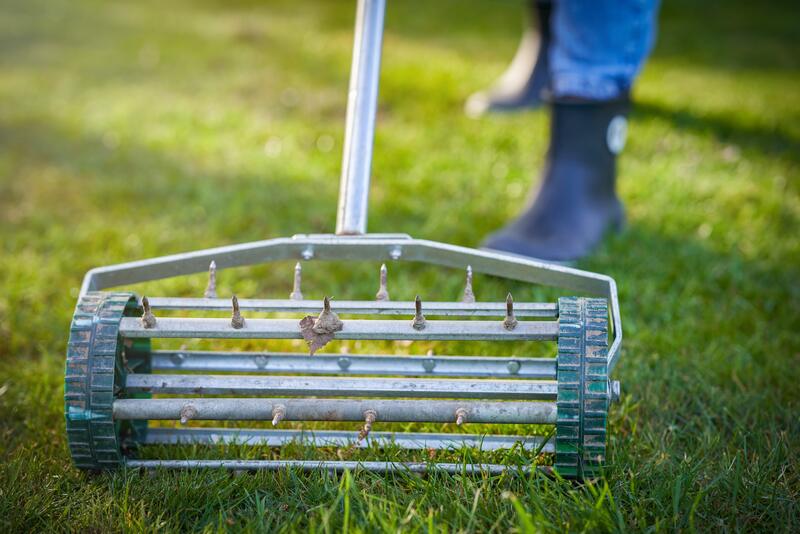
Aerating your lawn helps the grass to prepare for the upcoming harsh weather. If you have cool-season grass in your Wichita lawn, like tall fescue, fall aeration helps to reduce soil compaction, get rid of excessive thatch, and create a top dressing for the lawn.
Core aeration is a process by which plugs of soil are removed from your lawn, allowing nutrients, air, and water to reach the root system. A healthy grass root system creates a healthy lawn.
Aerating your lawn will stimulate the grass growth, strengthening it before the harsh winter months.
Tip: If you have warm-season grass like Bermuda and Zoysiagrass, wait to aerate in late spring to early summer.
See Related:
— Best Time to Aerate and Overseed Your Lawn
— How to Aerate Your Lawn: A Complete Guide
— Liquid Aeration vs. Core Aeration: Which Method Actually Works?
— Core Aeration vs. Spike Aeration: What’s the Difference?
— How Much Does Lawn Aeration Cost?
3. Water Your Grass as Needed
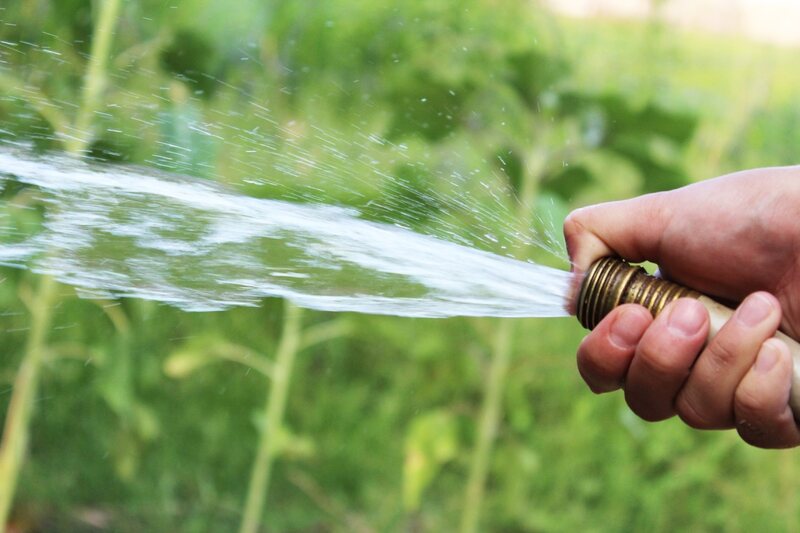
Throughout most of the winter, a continuing layer of snow provides all the moisture necessary for a healthy lawn.
If there is no snow, water your lawn at least once every 2 to 4 weeks to maintain moisture.
See Related:
— How to Water Your Lawn in Fall and Winter
— What is Winter Desiccation in Your Lawn?
— How Much Water Does Zoysiagrass Need?
4. Fertilize Your Lawn Before the First Frost
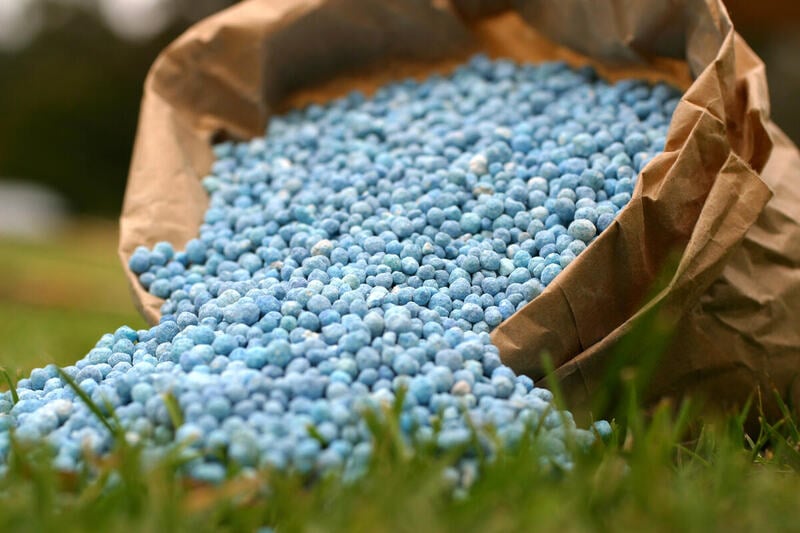
If you have cool-season grass, you will want to fertilize it in spring and, most importantly, fall. This includes tall fescue, which is one of the best grasses for Wichita.
Before the first freeze, give your yard a thorough fertilizing to help replenish any of the nutrients lost during the hot summer months.
Applying in the early winter means that, as the temperature turns colder, the fertilizer will remain in the soil and feed your grass through spring.
It is recommended to fertilize your cool-season lawn in Wichita in September and then again in November, around the time of the final mowing of the season. Then, you can wait until May for your next fertilizer application.
See Related:
— How and When to Fertilize Fescue
— Fertilizer Numbers: What They Mean and How to Use Them
— Liquid vs. Granular Fertilizer
— How to Choose the Right Lawn Fertilizer
5. Apply Weed Killer

Applying herbicides during fall helps to prevent the annual and perennial weeds that visit your yard each year.
- If you’re trying to prevent annual broadleaf weeds like chickweed, henbit, and shepherd’s-purse, apply pre-emergent herbicides by mid-September.
- If you’re trying to prevent knotweed, wait until November to apply pre-emergent herbicides.
You can also spot-treat pesky weeds with post-emergent herbicides. These chemicals can kill weeds that have already germinated and emerged in your soil. Plan to treat your lawn for weeds on a day when the temperature is 50 degrees or warmer.
See Related:
— How to Prevent Weeds from Growing in Your Lawn
— Post-Emergent Herbicides: Which One for Which Weed?
6. Sharpen Lawn Mower Blades
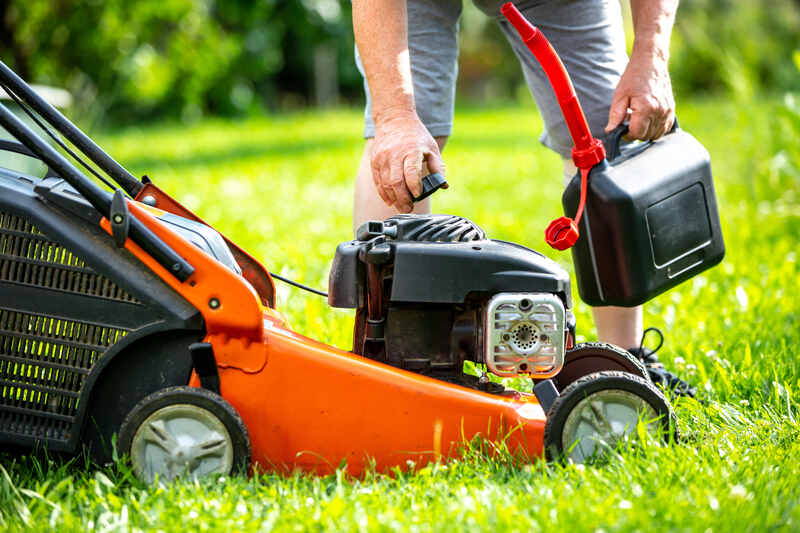
Take time during winter to sharpen your lawn mower blades, anticipating the first cut in the springtime.
Clean the blades and make sure everything is in working order. If not, now is the time to order new parts.
Moreover, if your lawn had any diseases recently, a thorough cleaning of your lawn mower is a necessity to prevent reinfection.
If you feel like your mower has had its time, winter is also a great time to invest in a new one.
See Related:
— DIY Lawn Mower Maintenance Guide
— How to Winterize Your Lawn Mower
— How to Sharpen Lawn Mower Blades
Wrap Up Your Lawn for Winter
Preparing your lawn for winter in Wichita is the key to ensuring a lush, green yard come spring.
Need help preparing your lawn for winter? Visit our Wichita lawn care page to be connected to a local, background-checked lawn care provider. In addition to Wichita, LawnStarter provides lawn care services in other Kansas cities, including Shawnee.
Read More:
— The Best Grass Seed for Lawns in Kansas
— When to Stop Mowing Your Kansas Lawn
— Month-to-Month Lawn Care Guide for Kansas
Main Image Credit: Hanna / Adobe Stock, created using Canva Pro.
Related Posts: