| Key Takeaways: |
|---|
| • Mow and mulch: Keep mowing your grass at the usual height. If you have a mulching mower, you can turn fall leaves into natural fertilizer. • Prevent pests and weeds: Combat Tulsa’s armyworm outbreaks with natural methods or pesticides. Use pre-emergent herbicides in September and post-emergent herbicides in October and November. • Overseed if needed: If your lawn developed bare spots over the summer, overseed it between late September and October so it has time to germinate. |
After a busy summer, many Tulsa lawns can look a bit worn out as fall arrives. Use these fall lawn care tips for Tulsa to repair summer damage and prepare your lawn for cooler temperatures, ensuring it stays healthy through fall and into next year.
1. Mulch Leaves When Mowing

If your yard, or even your neighbor’s yard, has a lot of deciduous trees, you may find yourself raking up a lot of leaves during the fall season. However, instead of bagging up the leaves, consider mulching to help feed your lawn with essential nutrients.
Mulching dead leaves with a mulching mower will allow you to cut down the size of the leaves, making them easier to spread evenly over the lawn. These smaller pieces will break down naturally and provide your lawn with a boost of nutrients.
If you don’t have a mulching mower, consider spreading the leaves out over the lawn and then mowing them without the bag to cut them up quickly.
See Related:
— Is It Better to Rake or Mulch Leaves?
— Best Ways to Clean Up Leaves in Your Yard
2. Look for Signs of Fall Armyworms

You may have noticed a lot of caterpillars on your lawn this fall. The Oklahoma State University Extension has reported that fall armyworms are causing some major lawn damage for homeowners.
These green, brown, or black caterpillars feed on grass and can be very damaging to a healthy lawn. Fall armyworms have a distinctive inverted white “Y” on their head as well as a stripe down each side of their body. They love to feed on tall fescue but have also been documented eating on Bermudagrass and other turfgrasses.
Here are a few ways to get rid of armyworms on your lawn:
- Attract beneficial insects, like ladybugs and lacewings, to get rid of armyworms in their larval stage or introduce beneficial nematodes.
- Apply Bt (Bacillus thurigiensis) a few weeks after you notice egg masses.
- Spray neem oil on your lawn.
- Apply pyrethroid insecticides with the help of a licensed lawn treatment pro.
See Related:
— What Are Armyworms?
3. Overseed Bare Spots

Adding new grass seed in fall to bare spots will help ensure your lawn doesn’t become a breeding ground for weeds.
Overseeding dead areas of your lawn also encourages strong new growth in thin areas. Aim to do it between late September and October after aerating your lawn. Cooler fall temperatures are ideal for seeds to germinate, but water your overseeded areas until the seedlings take hold of the soil.
See Related:
— How to Overseed a Lawn
— Clear Signs You Need to Overseed Your Lawn
— Best Time to Aerate and Overseed Your Lawn
— When Is It Too Late to Aerate and Overseed Your Lawn?
4. Prevent Winter Weeds
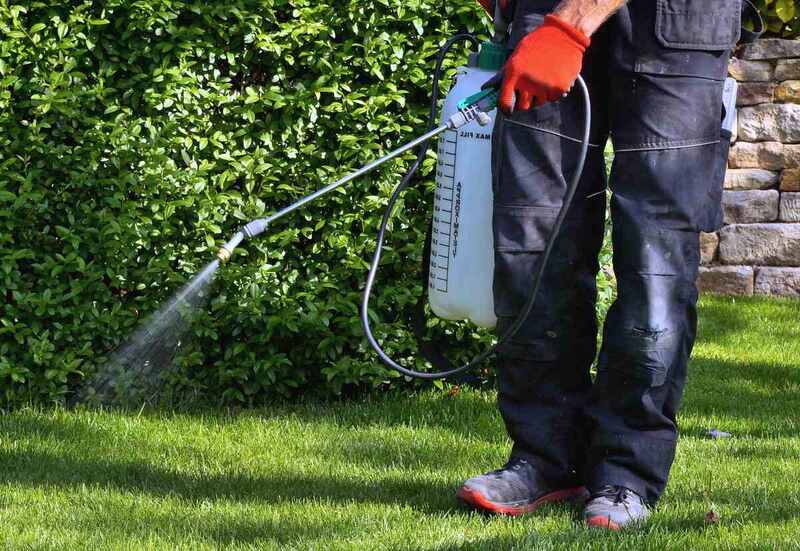
There are many winter annual weeds that can crop up in a Tulsa lawn during the fall.
Apply a pre-emergent herbicide by September 15th to help control weeds like annual bluegrass, henbit, and chickweed that can take hold of your lawn. Prevent these winter weeds from germinating during the fall to keep your lawn weed-free through the spring season next year.
If you have a Bermudagrass lawn and some weeds appear despite the early herbicide application, you can spot-treat them with post-emergent herbicides like Kerb (pronamide) in October and November or Roundup in early winter.
See Related:
— Most Common Weeds in Oklahoma: How to Identify and Control Them
— Post-Emergent Herbicides: Which One for Which Weed?
5. Continue Mowing Until Grass Growth Slows

Continue cutting your grass to the recommended height based on your grass type until it stops growing. Don’t cut back on your mowing, letting your grass grow tall. Tall grass can promote extra moisture in your lawn, which can encourage fungi and pests to make your grass their home.
Cut no more than the top one-third of the grass blade during each mow to make sure you don’t hurt the grass root as well.
See Related:
— How to Mow Tall Grass In Your Lawn
— How to Mow Your Lawn: A No-Nonsense Guide
— Mowing Height Debate: Last Mow of the Season Low?
Get Your Tulsa Lawn Ready for Winter
Fall is an important time to care for your lawn to promote healthy grass growth. Consider these fall lawn care tips for Tulsa lawns to repair summer damage and prepare your lawn for the cooler winter temperatures that are fast approaching.
Need help preparing your lawn for winter? Visit our Tulsa lawn care page to connect with a local, background-checked lawn care pro. In addition to Tulsa, LawnStarter provides lawn care services in other Oklahoma cities, including Oklahoma City and Lawton.
Read More:
— Spring Lawn Care Tips for Tulsa
— Best Grass Seed for Oklahoma
— Oklahoma Native Plants
Main Image Credit Credit: Sasha / Adobe Stock
Related Posts: