| Key Takeaways |
|---|
| • The best garden path material depends on your budget, how much maintenance you want to do, and how long you need it to last. • Mulch, gravel, dirt, and grass are the most budget-friendly and DIY-friendly options, while pavers, stone, and concrete cost more but last for decades. • Match the material to your climate and foot traffic, since some crack in freeze-thaw cycles or soften in extreme heat. |
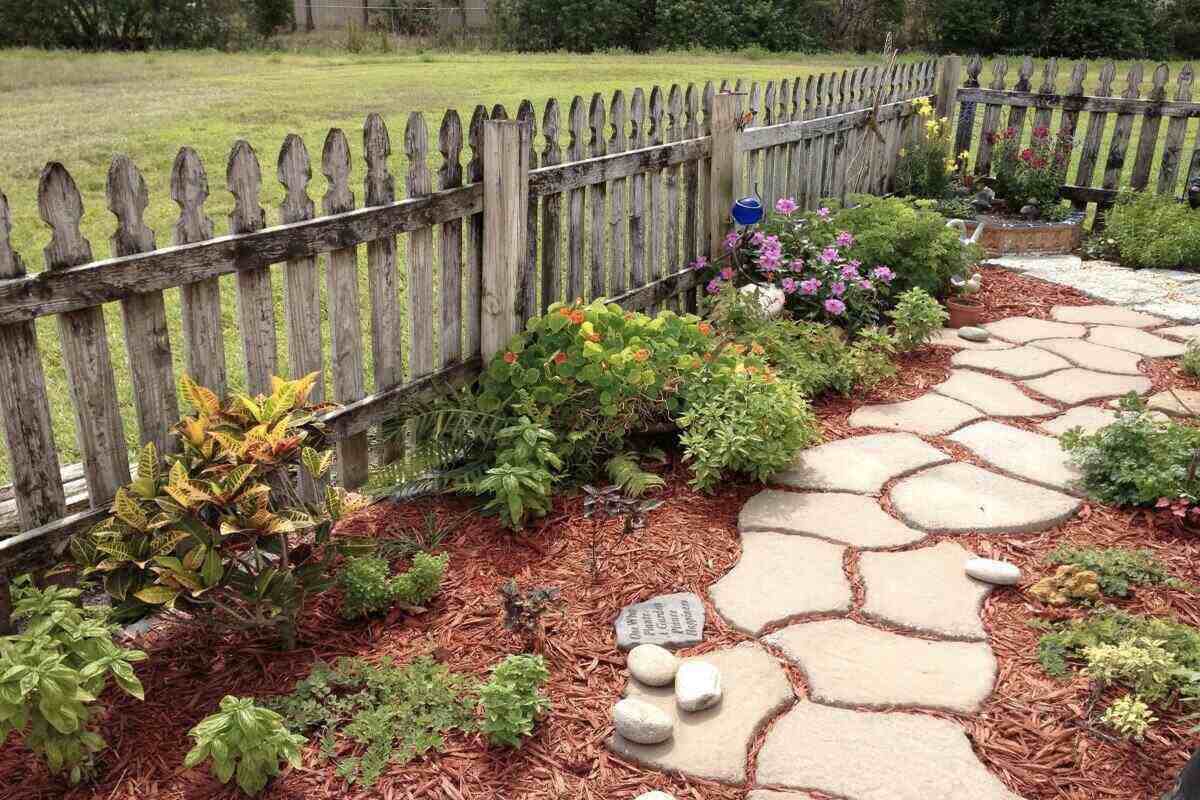
Dreaming of a garden path but not sure what to build it with? This guide walks through 12 garden path materials, from budget-friendly mulch and gravel to long-lasting pavers and stone.
The right choice comes down to your budget, the look you want, and how much upkeep you can handle. If you would rather skip the digging, you can hire a local landscaper from LawnStarter to build it for you.
12 Garden Path Materials
The most popular garden path materials include mulch, gravel, pavers, stepping stones, poured concrete, and grass. Here are 12 options to consider, with average costs and the pros and cons of each.
Garden path materials at a glance:
| Material | Average Cost | Best For |
| Mulch | $77 to $94 per cubic yard | Budget, DIY-friendly natural paths |
| Gravel | $0.78 to $1.70 per sq. ft. | Affordable, low-maintenance DIY paths |
| Pavers and bricks | $9 to $20 per sq. ft. | Long-lasting, customizable designs |
| Poured concrete | $5.89 to $12 per sq. ft. | Durable, high-traffic areas |
| Natural stepping stones | $6 to $10 per stone | A natural look that blends with grass |
| Asphalt | $4 to $6 per sq. ft. | Cold climates on a budget |
| Dirt | $10 to $15 per cubic yard | The cheapest, quickest DIY option |
| Wood planks | $3 to $8 per sq. ft. | Sloped sites and a Japanese-garden feel |
| Slate chips | $2 to $4 per sq. ft. | A high-end, durable look |
| Rubber tiles | $8 to $11 per sq. ft. | Ergonomic surfaces and rentals |
| Rolled mats | $1 to $2 per sq. ft. | Temporary, easy-to-install paths |
| Grass | Seed $0.09 to $0.15 per sq. ft.; sod $0.60 to $1.65 per sq. ft. | Soft, barefoot-friendly greenery |
1. Mulch
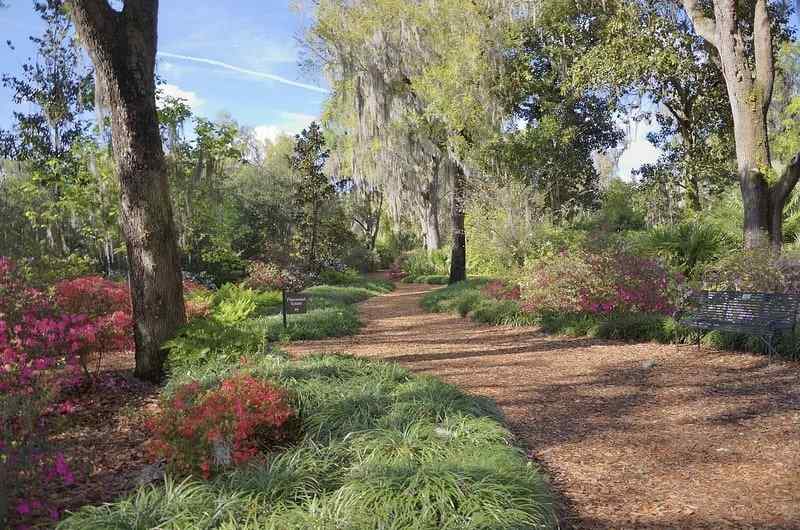
Average Cost of Mulch: $77 to $94 per cubic yard (installed)
Mulch gives a path a natural, earthy feel, and it helps the soil retain moisture. It is one of the more DIY-friendly options, so you will not need to hire a professional.
However, organic mulches break down over time, so you will have to replace it.
You have many types of mulch, and bark mulches like cedar and cypress break down slowest. You can also upgrade to rubber mulch, which costs more but lasts longer.
Pros:
✓ Easy to work with because it is lightweight
✓ Relatively inexpensive, so you will save money
✓ Readily available in different sizes and colors
Cons:
✗ Needs to be replenished as it breaks down
✗ Easily displaced by wind, water, and foot traffic
✗ Not conducive to walking barefoot
2. Gravel
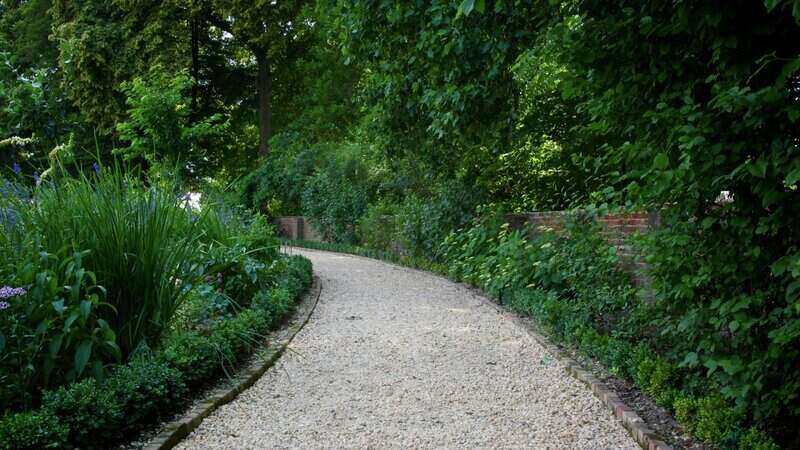
Average Cost: Landscape gravel costs $0.78 to $1.70 per square foot; pea gravel costs $25 to $67 per cubic yard
Inexpensive and DIY-friendly, gravel is a simple way to direct foot traffic and it will not break down like mulch. Options include river rock, pea gravel, decomposed granite, and landscape rock.
Many homeowners choose pea gravel for their landscapes, which is rounded and gentler on the feet. A gravel path outlasts mulch, but it is heavy, so expect a weekend or two of hard work.
Pros:
✓ Available in bulk
✓ Available in many different types, sizes, and colors
✓ Simple to maintain
Cons:
✗ Hard on the feet and knees
✗ Gravel that migrates to the grass can be a safety hazard when mowing
3. Pavers and Bricks
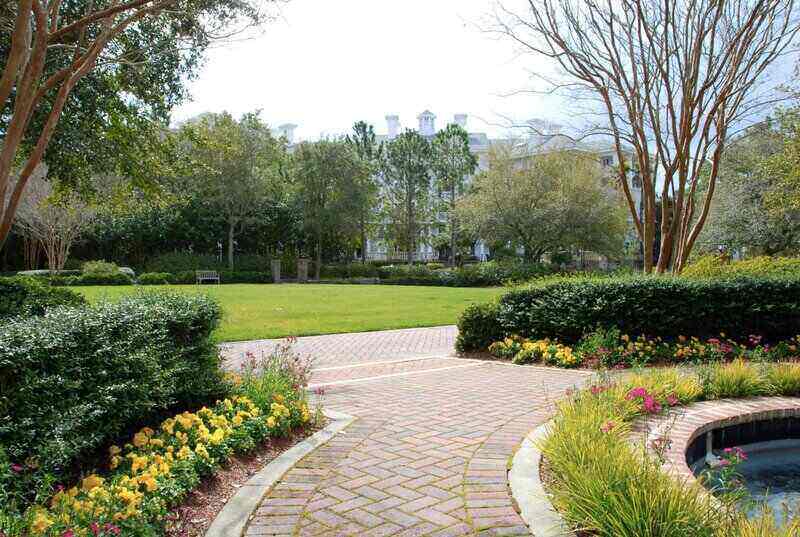
Average Cost of a Paver Walkway: $9 to $20 per square foot
A paver or brick path is pricey but gorgeous, with many materials and patterns to fit your aesthetic. You can DIY it or hire landscapers, though installation is tedious and can take most of a weekend.
A well-installed path lasts 25 to 40 years with little upkeep beyond occasional power washing and replacing joint sand. Permeable paver systems also let water seep in, reducing stormwater runoff.
Pros:
✓ Flat, even surface
✓ Extensive design choices
✓ Long-lasting
✓ Individual pieces accommodate freeze-thaw cycles
Cons:
✗ Installation is expensive and labor-intensive
✗ Weeds can grow through the cracks
4. Poured Concrete
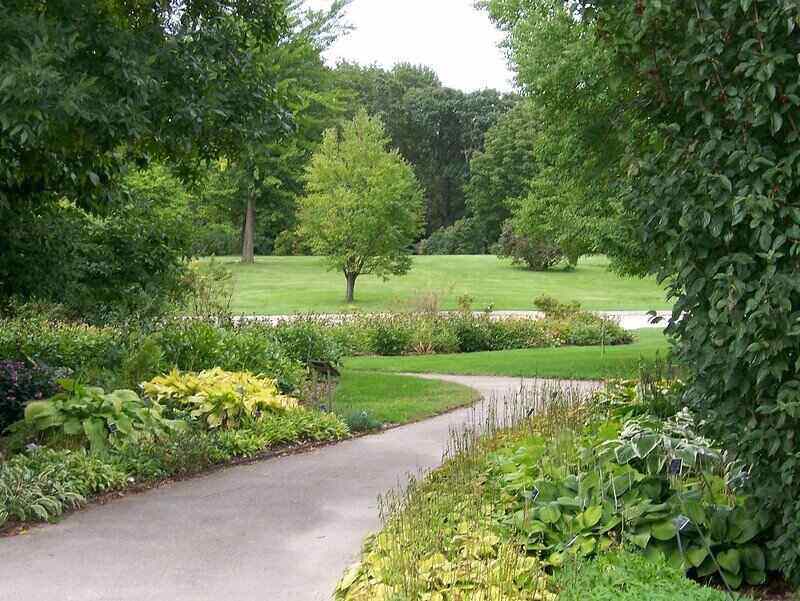
Average Cost of a Concrete Sidewalk: $5.89 to $12 per square foot
Concrete is durable and low-maintenance but less common in gardens, since homeowners often prefer prettier materials. It works well in high-traffic areas and lasts 30 to 50 years when properly maintained.
You can install it yourself or hire a contractor. Pressure wash it every few months and seal it every 4 to 5 years to protect the surface and extend its life.
Pros:
✓ Holds up well in hot climates
✓ Easy to maintain
✓ Can be stained or stamped for a custom look
Cons:
✗ Cracks with frequent freeze-thaw cycles
✗ Repairs are easily visible
5. Natural Stepping Stones
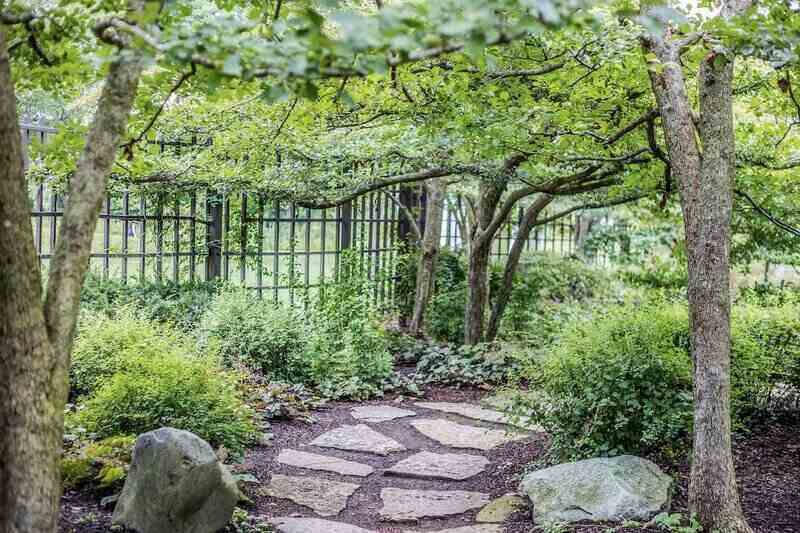
Average Cost: $6 to $10 per stepping stone
Natural stepping stones create an inviting look that mixes grass and raw stone, usually fieldstone or flagstone. They come in many sizes and can sit close together or a stride apart, and the outline does not need to be precise.
You may need to reset stones if they settle, but maintenance is minimal and you can mow right over them. Small pieces can crack, but the material generally lasts indefinitely.
Pros:
✓ Semi-permanent solution that does not remove all of your grass
✓ Blends in beautifully with outdoor space
✓ Easy DIY option
Cons:
✗ More expensive than pavers because they must be excavated
✗ Uneven surface is not conducive to wheelbarrows
6. Asphalt
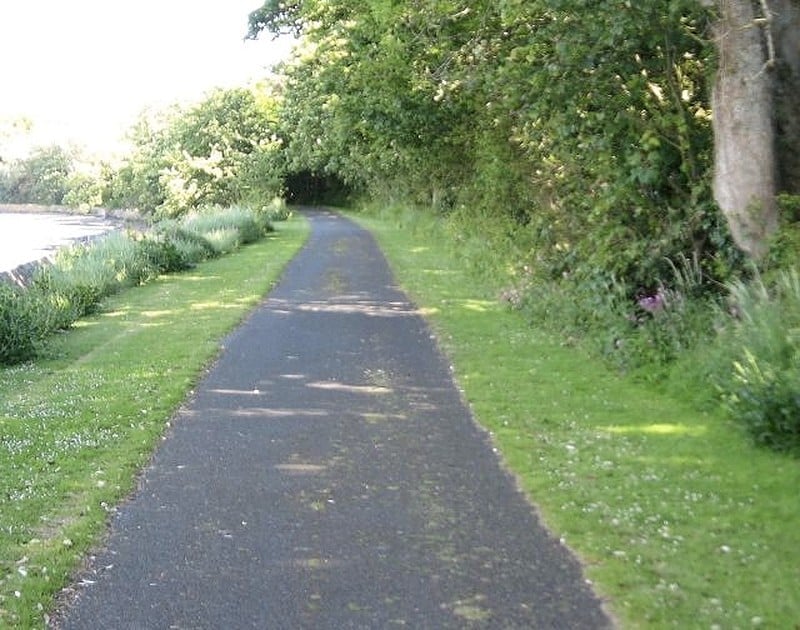
Average Cost: $4 to $6 per square foot
Asphalt is common for driveways but less so for garden paths. It gives a firm surface and handles freeze-thaw cycles well, though it does not always suit a backyard look.
You will need it professionally installed, which can be tricky in a backyard with tight gates and landscaping. Once installed and maintained, it lasts 12 to 20 years.
Pros:
✓ Holds up well in cold climates
✓ Easy to patch holes
✓ Budget-friendly
Cons:
✗ Gets sticky or tacky in high temperatures
✗ Not environmentally friendly
Note: For more information on the cost of asphalt, check out our asphalt driveway pricing guide.
7. Dirt
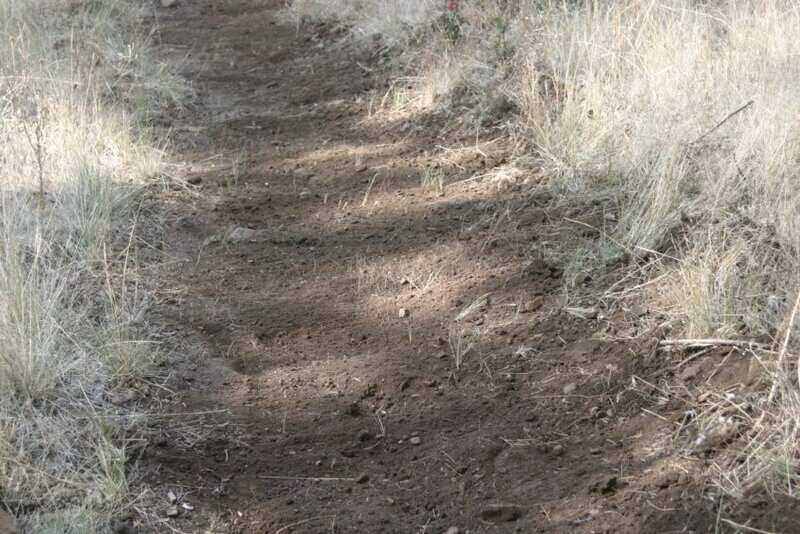
Average Cost: $10 to $15 per cubic yard
One tried-and-true path material is already on hand: topsoil. If you do not need extra dirt, there is nothing to buy, and many people like its natural feel and how easily it goes in.
Just remove the grass, level the surface, and add edging if you like. Expect to pull weeds and fill low spots periodically; a dirt path lasts indefinitely if the grass does not encroach.
Pros:
✓ No need to buy material
✓ One of the quickest to install
Cons:
✗ Weeds grow up throughout the pathway
✗ Messy, especially when raining
✗ Does not look as nice as other materials
8. Wood Planks
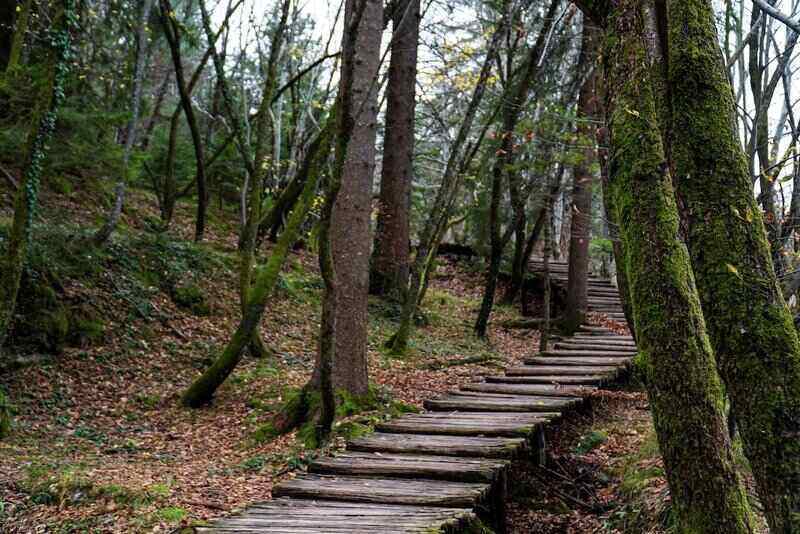
Average Cost: $3 to $8 per square foot
Wood plank paths bring a Japanese-garden feel and suit any landscape. They are easy on your back to install, and you can use cedar decking, treated planks, or recycled pallets depending on your look and budget.
Simple designs lay planks side by side, while larger ones add posts, risers, and joists. Expect to power wash once or twice a season and stain the wood as the color fades.
Pros:
✓ Can use recycled materials
✓ Does not get muddy
✓ Great for sloped sites
Cons:
✗ Boards will need to be replaced over time
✗ May splinter
9. Slate Chips
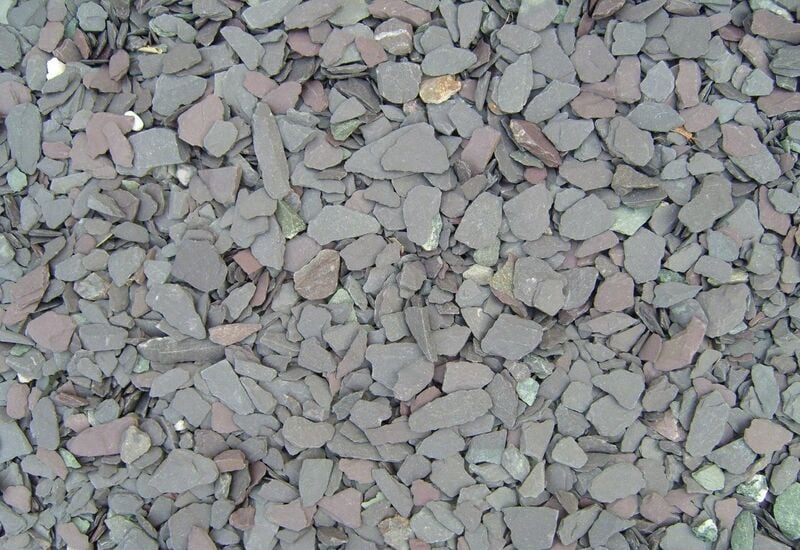
Average Cost: $2 to $4 per square foot
Slate chips make a beautiful, durable path and a focal point in a flower bed. Thin pieces about 1 to 3 inches lay flat for texture, and smaller quarter- to half-inch pieces pack down nicely.
Buy bags at a home improvement store or bulk from a stone supplier. Slate lasts indefinitely, comes in gray plus blue, purple, and green hues, darkens when wet, and needs only occasional raking.
Pros:
✓ Looks high-end
✓ Extremely durable
✓ Eco-friendly recycled material
Cons:
✗ Not comfortable for bare feet
✗ Weeds may grow through
10. Rubber Tiles
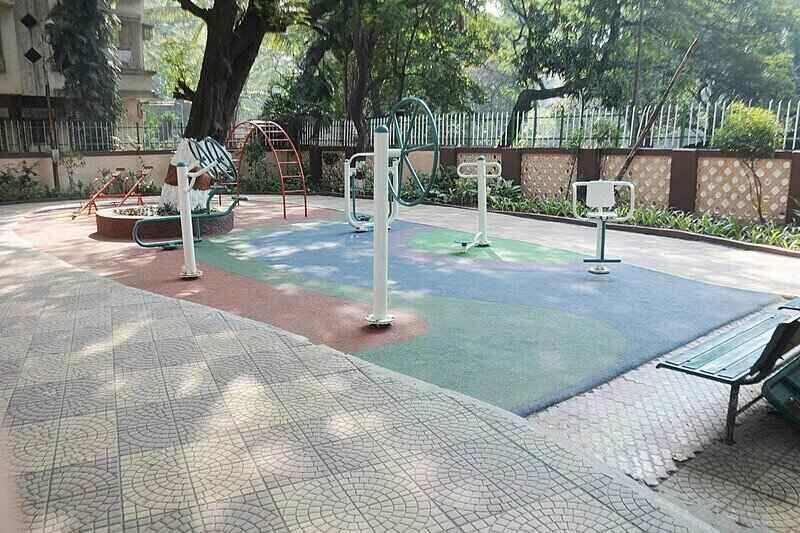
Average Cost: $8 to $11 per square foot
Like the rubber tiles used on garage floors, garden tiles have interlocking edges that snap into a continuous surface. They come in 18- to 24-inch squares, sometimes textured to mimic stone.
Made from recycled rubber, they come in many colors, last at least 10 years, and rinse clean with water. They suit backyard designs where you want a surface that is easy on the body.
Pros:
✓ Great for rentals or short-term properties
✓ Easy to configure
✓ Great on knees and ankles
Cons:
✗ Expensive compared to most other materials
✗ May need sand or stone underlayment
11. Rolled Mats
Average Cost: $1 to $2 per square foot
Rolled mats are newer to the market, typically made of high-density polyethylene (HDPE), and some use 100% recycled materials such as tires. They come in 22- or 24-inch widths in 6- or 8-foot rolls.
You simply unroll and connect lengths into a path, and their pressed-rubber look resembles mulch. Longevity depends on climate; expect about five years, with heat and UV shortening the lifespan.
Pros:
✓ Perforated for water infiltration
✓ Available in various colors
✓ Less disruptive than permanent materials
Cons:
✗ Recycled products can leach contaminants
✗ Backing can separate from the rubber surface
12. Grass
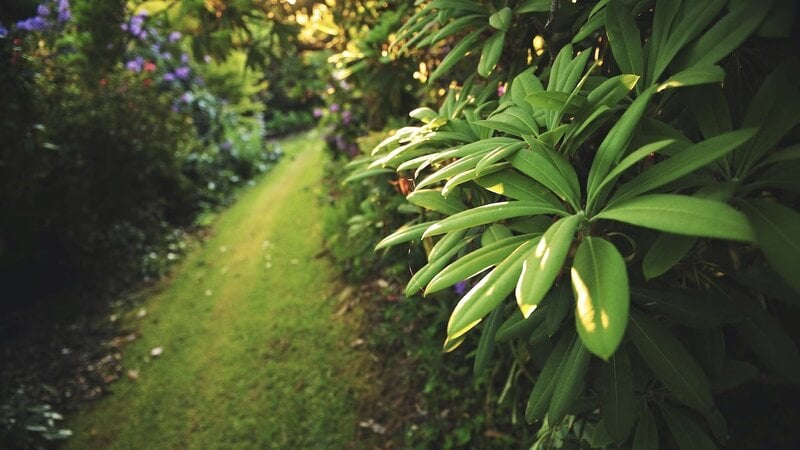
Average Cost: Seeding grass costs $0.09 to $0.15 per square foot; sod costs $0.60 to $1.65 per square foot
Hear us out: We do not mean letting grass run wild, but a well-manicured grass pathway. It suits gardens with raised beds, hardscaping, or gravel, softening the look and giving a gentle surface underfoot.
A grass path lasts indefinitely with healthy turf, though it is less formal than stepping stones or wood. Use new sod, grass seed, or existing turf in good condition, replacing lackluster grass with fresh sod.
Pros:
✓ Lovely to walk barefoot
✓ DIY friendly
✓ Water permeable
Cons:
✗ Needs constant maintenance
✗ May not feel like a formal path
Considerations When Choosing a Garden Path Material
Keep the following in mind as you weigh different materials for your project. These factors may play a part in your decision.
How much money can you comfortably budget to spend?
How much maintenance do you want to do?
How long do you want the garden path to last?
Are you looking for a DIY project, or will you hire a landscape designer?
What are your climate extremes in summer and winter? Materials perform differently under extreme heat or bitter cold.
What are your local building and zoning codes? You may need permits if you are attaching your garden path to existing structures such as a driveway or patio.
Are you building a pathway on a slope? If so, consider wood planks, brick, pavers, and even poured concrete.
FAQs
Building a garden path is straightforward, though steps vary by material. Lay out the design with a garden hose to set the shape and size, mark the edges with spray paint, remove the turf, and level the ground. Then follow the installation steps for your chosen material.
The cheapest materials are grass seed, sod, and topsoil. If you can use what is already available in your yard, the cost is minimal. If you need to purchase materials, expect to pay roughly $1 per square foot.
The best gravel depends on your needs and preferences. Pea stone is popular for paths because it has been smoothed and rounded by moving water. A smoother, rounder rock is easier to walk on, especially barefoot.
Let LawnStarter Help
If you are ready to build a beautiful pathway through your vegetable garden, Japanese garden, or English flower garden but would rather not tackle the project yourself, reach out to one of LawnStarter’s local landscaping pros to design and build it for you.
Read More:
Main Image: Garden Path. Photo Credit: PxHere
Related Posts: