| Key Takeaways |
|---|
| • Start winterizing in early fall, before the first hard frost, so tender plants and irrigation lines stay protected. • Mulching is one of the most impactful winterization tasks, as a 2- to 3-inch layer insulates soil temperature and suppresses spring weeds. • Remove all plant debris and weeds from garden beds before winter to prevent pests and disease from overwintering. |
As temperatures cool in Rochester, fall lawn care tasks heat up. As lawn mowing dies down, you’re busy with leaf removal, applying pre-emergent weed killers, and overseeding thin or patchy spots in your lawn.
Our 6-step Fall Lawn Care Checklist can make your life easier. Just check these boxes and your grass will be set for winter and green-up come spring. What could be easier? Hire one of LawnStarter’s local lawn care pros to tackle all this fall lawn care work instead of you.
1. Apply Fertilizer
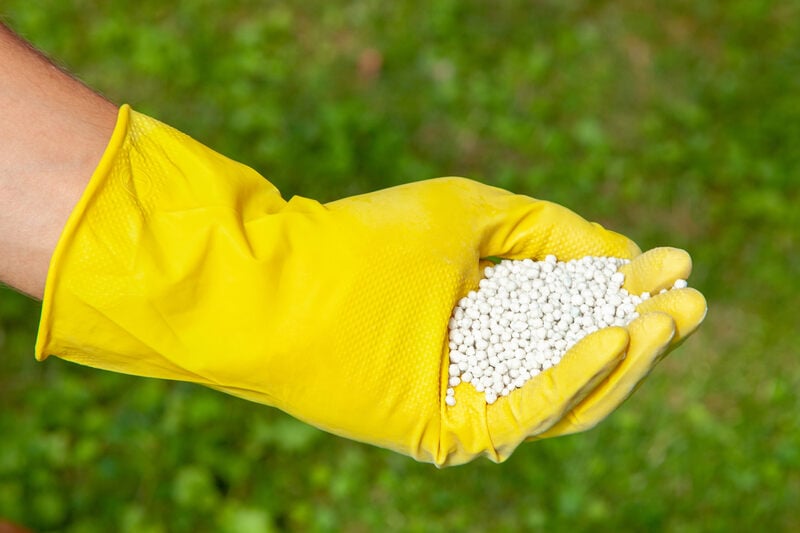
Most lawn care guides for Upstate New York will advise you to apply fertilizer in fall. The key is to choose a fertilizer that also prepares your lawn for winter. The best time to do this is in early September, around Labor Day.
If you have a Kentucky bluegrass lawn, remember that it needs 2 to 3 pounds of nitrogen and 1 to 3 pounds of potash per 1,000 square feet per year, while fine fescues and tall fescue need 1 to 2 pounds of nitrogen and 1 to 3 pounds of potash. So, choose your fertilizer carefully.
In Rochester, you can divide your fertilization application into two or three sessions a year. If you plan on fertilizing twice a year, do it in spring and early fall. If your lawn needs some extra feeding, fertilize in late spring, early fall, and late fall.
Tip: A soil test will help you determine which nutrients your grass needs, making your job of finding a fertilizer easier.
See Related:
— Best Fertilizers for Grass
— How to Choose the Right Lawn Fertilizer
— How and When to Fertilize Fescue
— When to Fertilize Kentucky Bluegrass
2. Aerate Your Lawn
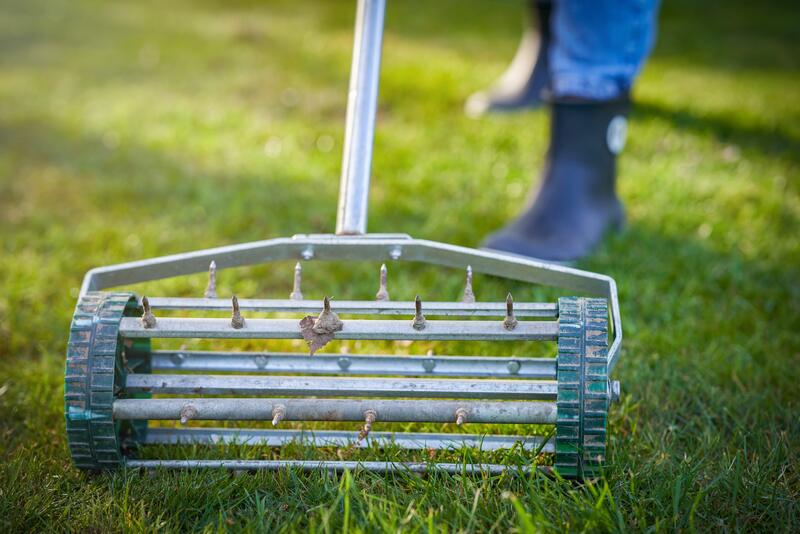
The best time to aerate your lawn in Rochester is in fall because most people here have cool-season grasses.
Aeration loosens up tightly packed soil and creates more space for water and nutrients to reach the roots of your plants and grass. Aeration also helps if you plan on overseeding, since it improves seed-to-soil contact, reducing seed waste.
See Related:
— What is Core Aeration?
— Liquid Aeration vs. Core Aeration: Which Method Actually Works?
— Core Aeration vs. Spike Aeration: What’s the Difference?
— How Much Does Lawn Aeration Cost?
3. Remove All Those Leaves
Rake, blow, or otherwise remove the leaves piling on your grass. Why? A blanket of leaves blocks the sun and smothers your grass.
Rochester makes it easy to dispose of leaves from the roughly 70,000 trees across the city with free curbside leaf pickup through November. Collected leaves are then composted and screened and then made available to the community as part of Rochester’s Materials Give Back Program.
And if you’d rather not rake and bag your leaves, LawnStarter now offers leaf removal in Rochester as a standalone service. That wasn’t an option when Peter Fullam wanted to hire someone through LawnStarter to remove his leaves a few years ago.
4. Overseed Your Lawn
Fall is the perfect time to overseed your lawn in Rochester. Cool-season grasses are in their peak growth season, creating the ideal opportunity to plant grass seeds to fill in thin or patchy areas of your lawn. Overseeding offers several benefits, including:
- Achieve a thicker, fuller lawn for a more lush appearance.
- Help crowd out weeds by filling in bare spots.
- Prolong your green season.
- Promote faster recovery from diseases.
Tip: To get the best results, choose a seed blend that matches your existing grass type and apply it evenly after aerating the soil.
See Related:
— Clear Signs You Need to Overseed Your Lawn
— How to Aerate Your Lawn: A Complete Guide
— How to Overseed in the Fall With Fescue
5. Mow Your Lawn into November
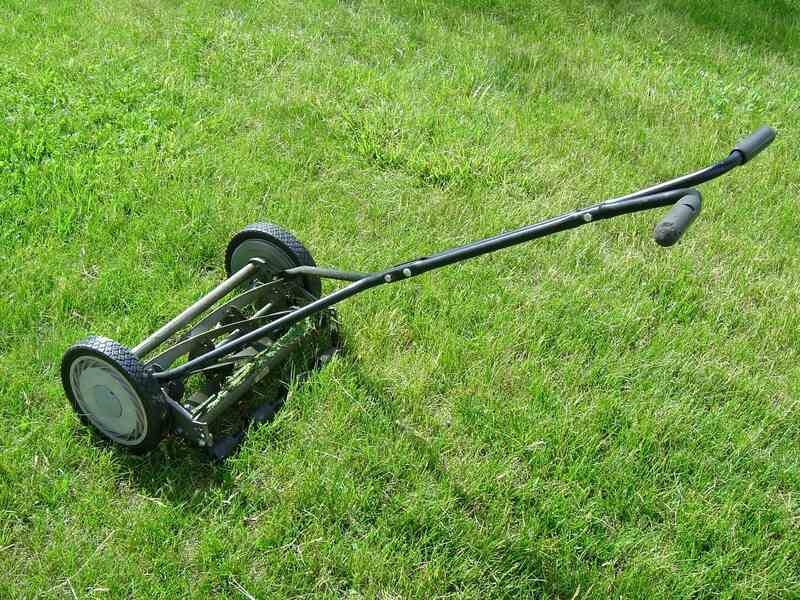
Mow your lawn until early to mid-November. You should also lower the height of your lawn mower blades once the grass stops growing.
There’s no need to butcher your grass — remember your lawn won’t grow again until March or April. That means you should never remove more than one-third of the grass blade, even if it’s the last mow of the season.
See Related:
— How to Mow Your Lawn: A No-Nonsense Guide
— Mowing Height Debate: Last Mow of the Season Low?
— When to Mow After Overseeding
6. Trim Your Bushes
Fall is also the time of year to trim your bushes and plants and to make sure you can protect them from the cold. Some need to be cut back, while others may require a safe covering in below-freezing temperatures. Certain plants and flowers may even need to be moved inside.
We Can Take Fall Lawn Care Off Your Hands
Need help preparing your lawn for fall? Our vetted lawn care pros mow grass, trim bushes, remove leaves, and do fall cleanups. Visit our Rochester lawn care page to be connected to a local professional.
In addition to Rochester, LawnStarter provides lawn care services to New York cities including Buffalo, Albany, and Syracuse.
Read More Next:
— Spring Lawn Care Tips for Rochester, NY
— Deer-Resistant Plants and Trees to Grow in Rochester
— Planting Zones of New York State
Main Image: A fan rake lies among a colorful pile of autumn leaves spread across a green lawn. Photo Credit: Sasha / Adobe Stock
Related Posts: