| Key Takeaways: |
|---|
| • Remove or mulch leaves: Fallen leaves can trap moisture and cause disease, so you should dispose of, compost, or mulch them. • Complete lawn treatments: Aerate your lawn in late August or early September to prevent soil compaction and pooling water. Fertilize in September and November. • Mow and water before frost: Keep mowing and watering while your grass is growing, but stop before Spokane’s first freeze in October. |
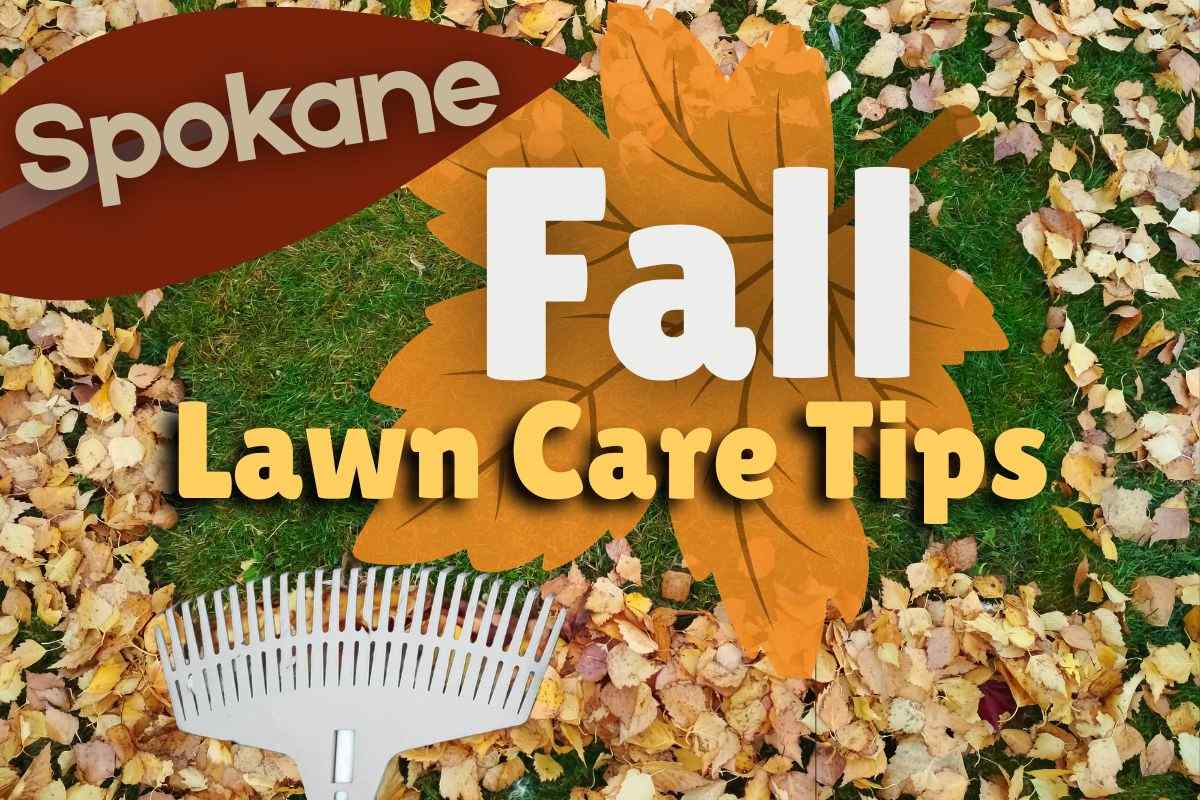
Fall is one of the most important times for lawn care in Spokane, as the work you do now will help prepare your lawn for the harsh winter weather.
Here are 5 fall lawn care tips for Spokane to keep your lawn healthy as the seasons change.
1. Remove Fallen Leaves and Debris
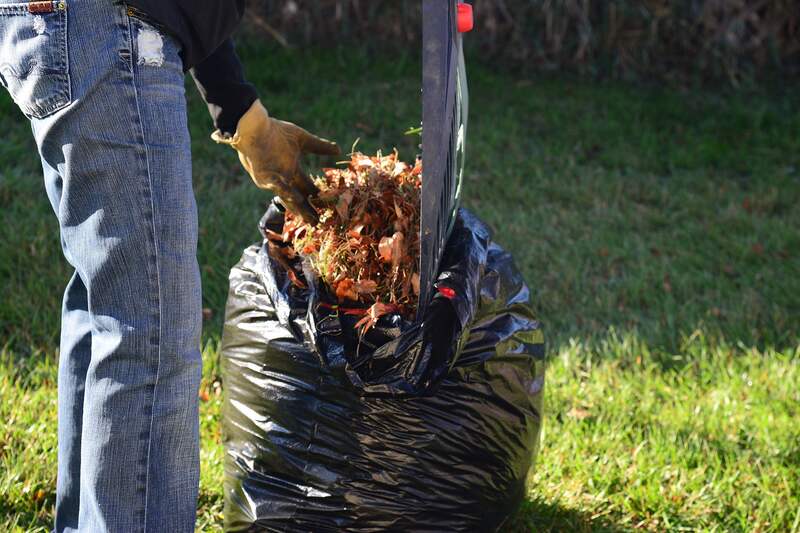
Before you do anything to your lawn this fall, rake up any leaves and unwanted debris. Leaves can trap moisture and cause lawn diseases.
Bag and dispose of leaves properly. You can also add them to your compost pile or mulch them to create a natural fertilizer for your lawn or garden.
Tip: If you don’t want to deal with fall leaves yourself, visit LawnStarter’s Spokane leaf removal page to connect with a background-checked leaf cleanup pro who can get rid of them for you.
See Related:
— Best Ways to Clean Up Leaves in Your Yard
— How to Rake Leaves
— Is It Better to Rake or Mulch Leaves?
— Main Benefits of Fall Yard Cleanup
— What Happens If You Don’t Remove Fallen Leaves?
2. Aerate Compacted Soil
If any part of your lawn floods during light rain showers, it could be a sign of compacted soil. This means the water isn’t absorbing into the soil or delivering nutrients to your grass’s roots.
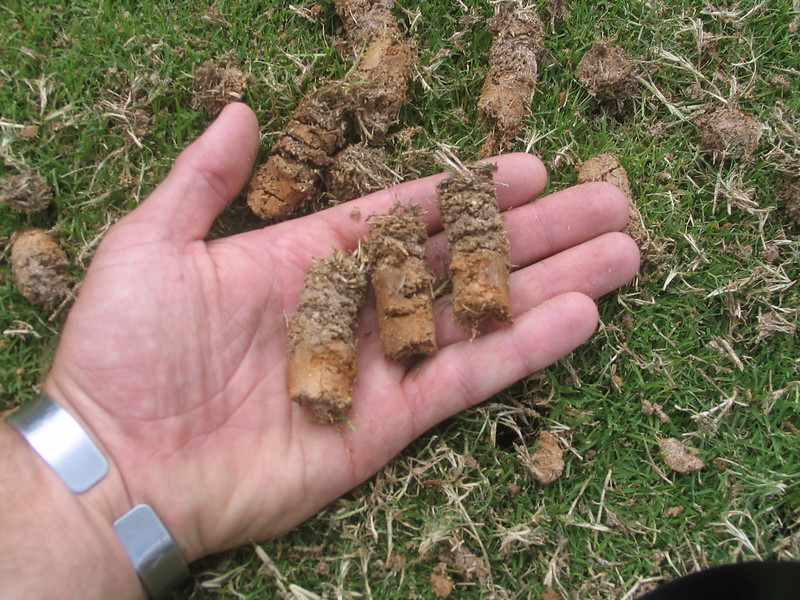
To fix this, wait until the end of August or early September, when your soil is slightly moist, then use a core aerator in affected areas.
Core aeration relieves compaction by removing small soil cores, allowing water, nutrients, and air to reach your grass’s roots more effectively and promoting deeper growth.
Once the cores have been dug up, rake them back into your lawn to redistribute nutrients.
See Related:
— How to Aerate a Lawn
— Best Time to Aerate and Overseed Your Lawn
3. Fertilize Your Lawn
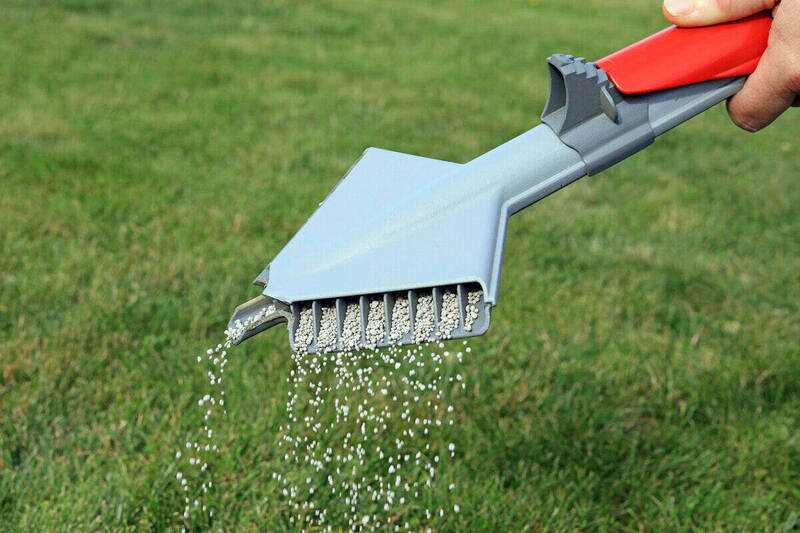
Most lawns in Spokane have cool-season grass, which means fall is the best time to fertilize. Here’s a good fall schedule to follow:
- September: Around Labor Day, fertilize with 0.5 to 1 pound of nitrogen per 1,000 square feet.
- November: Near Thanksgiving, fertilize your lawn with 1 to 1.5 pounds of nitrogen per 1,000 square feet.
Applying fertilizer before winter lets your lawn grow strong and resilient so it doesn’t die off during colder weather. Use slow-release fertilizers to produce more uniform growth and color.
Then, you can fertilize again in spring and summer.
See Related:
— How to Fertilize Your Lawn
— Common Fertilizer Mistakes to Avoid
4. Mow the Right Way
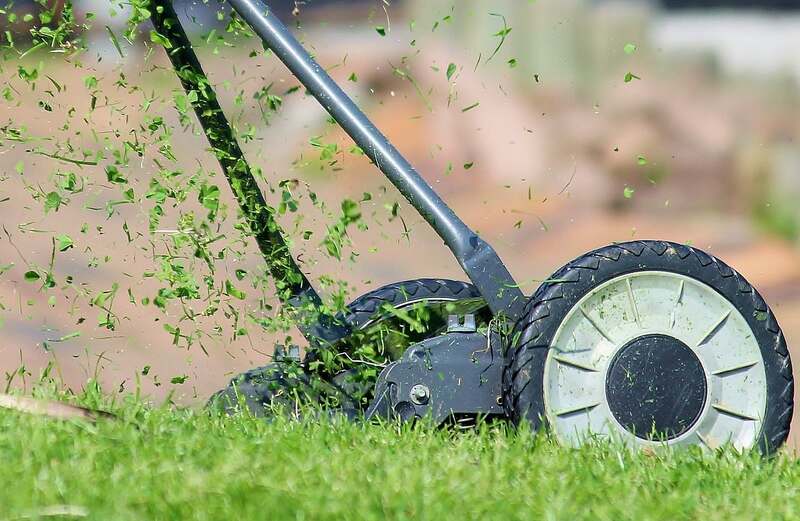
Most cool-season grasses reach their maximum growth rate during the spring and fall. During these times, mow properly and frequently.
Check the correct mowing height for your specific grass type, and cut it on the longer side during fall. By keeping your grass longer, you improve its disease resistance. Don’t cut off more than a third of your grass’s height at a time, as this can cause damage.
Want to help your lawn naturally? Mulch your grass clippings instead of removing them. This practice provides a natural, organic source of nutrients that replenishes your soil.
Keep mowing as long as your grass is still growing. However, stop mowing before the first freeze, which is usually in October. Wet or frosty grass is easily damaged, which could lead to bigger problems later.
See Related:
— How to Mow Your Lawn: A No-Nonsense Guide
— Reasons to Use Grass Clippings as Mulch
— When to Stop Mowing the Lawn Before Winter
— Reasons Why You Shouldn’t Mow Wet Grass
5. Water as Needed
While the driest months have passed, Spokane most likely won’t get enough rain in early fall to sustain your lawn.
Grass typically needs 1 to 1.5 inches of water per week, so water your lawn once or twice a week early in the morning. Make sure to follow Spokane’s current watering rules.
Stop watering once temperatures dip below freezing. Once it starts snowing, your lawn will gradually absorb the water it needs.
Read More:
— How Long Should I Water My Lawn?
— How to Water Your Lawn in Fall and Winter
— How Snow and Ice Affect Your Lawn
Prepare Your Lawn for the Cold
Fall is the perfect time to give your Spokane lawn the care it needs to stay healthy through the colder months and come back stronger in the spring. For professional help during this busy season, visit LawnStarter’s Spokane lawn care page to connect with a background-checked, local lawn care pro.
In addition to Spokane, LawnStarter provides lawn care services to other Washington cities, including Seattle.
Read More:
— Spring Lawn Care Tips for Spokane
— Best Grass Seed for Washington State
— Most Common Weeds in Washington State
— Washington Native Plants
Main Image Credit: Sasha / Adobe Stock
Related Posts: