| Key Takeaways |
|---|
| • Keep your lawn neat: Remove fall leaves all season long, and keep mowing your lawn until it stops growing. • Strengthen your turf: Overseeding will make your lawn thicker, while fertilization will help it develop stronger roots to survive winter. • Get rid of pests: Armyworms pose a risk to Dayton lawns, but they can be treated with natural methods or insecticides. |
Autumn is an important season for lawn care in Dayton. As the weather cools down, your grass needs extra attention to thrive through fall and prepare for winter. These fall lawn care tips for Dayton will keep your lawn healthy all season long.
1. Clean Up Your Yard
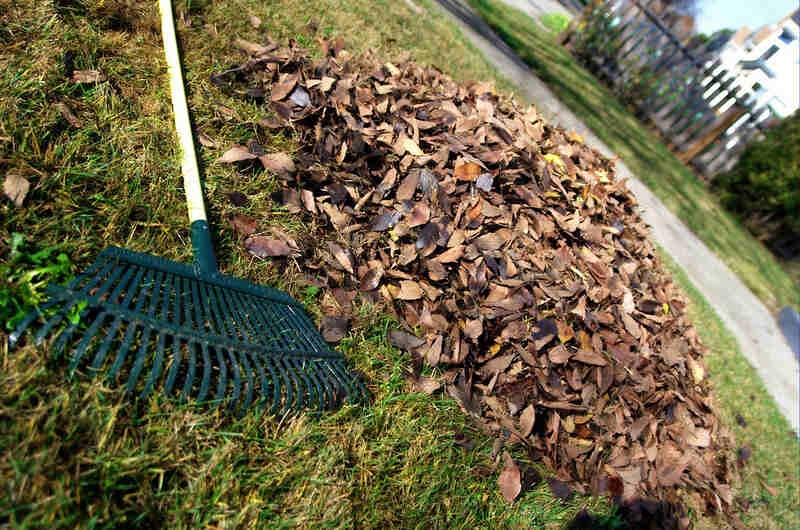
In the fall, you should regularly clean up leaves and branches from your lawn. Removing debris allows sunlight, air, water, and fertilizer to reach your grass.
To make cleanup easier, lay down a plastic tarp and rake all the leaves onto it. Then you can dispose of them as usual or add them to compost. Another option is to use a mulching mower to chop up leaves and spread them across your lawn to create a natural fertilizer.
Want to make things even easier? A LawnStarter leaf removal pro in Dayton can take care of leaf cleanup for you.
See Related:
— What to Do With Fallen Leaves in Your Yard
2. Mow Your Grass
In the fall, you may need to change your mowing frequency a few times.
The cool-season grasses common in Dayton tend to grow faster in early fall and require weekly mowing.
As temperatures continue to drop, growth will likely slow, and you can switch to bi-weekly and eventually monthly mowing until the frost hits.
3. Overseed if Needed
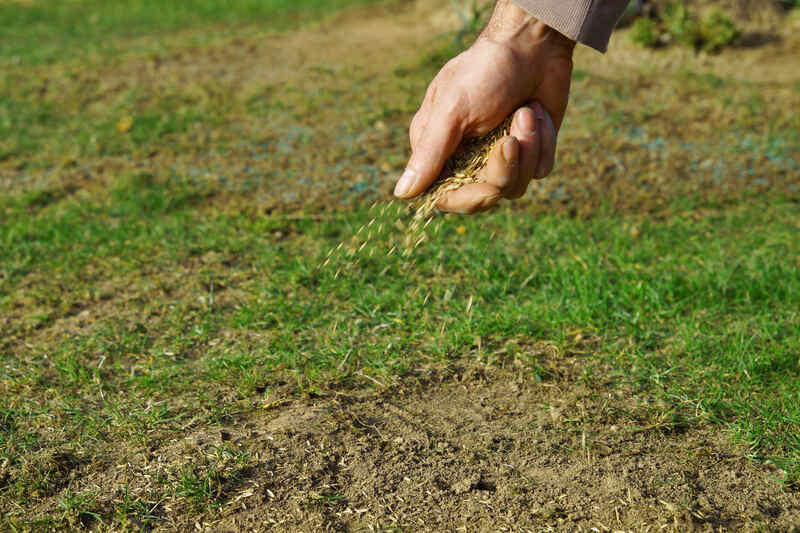
While not always necessary, you can overseed in the fall to repair bare patches and thicken your lawn. This not only makes your grass look better, but it also improves its chances of outcompeting weeds.
The best time to overseed in Ohio is between September 15 and October 15. Aerate your lawn beforehand for better soil-seed contact.
See Related:
— Clear Signs You Need to Overseed Your Lawn
— Steps to Prepare Your Lawn for Aeration and Overseeding
4. Fertilize the Right Way
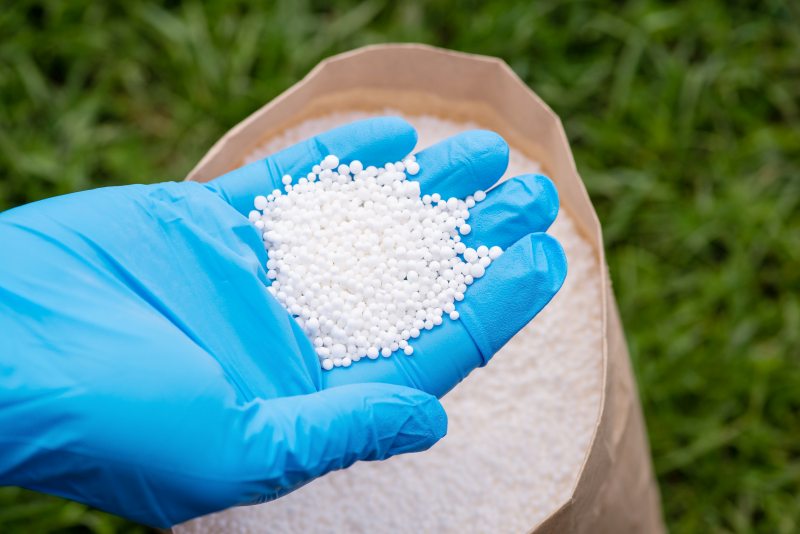
Fertilizer will help your lawn in both fall and winter, strengthening its roots so it can survive the cold months. The best times to fertilize Ohio lawns are in early September and late November.
A high-phosphorus fertilizer is often a good choice this time of year because it helps your lawn build deep, strong root systems. H
owever, you should do a soil test to confirm what your lawn needs. That way, you won’t overfertilize your lawn and waste money. The Ohio State University Extension for Montgomery County offers soil testing services.
See Related:
— How to Choose the Right Lawn Fertilizer
— Reasons Why Soil Testing Is Important for the Lawn
5. Watch Out for Fall Armyworms
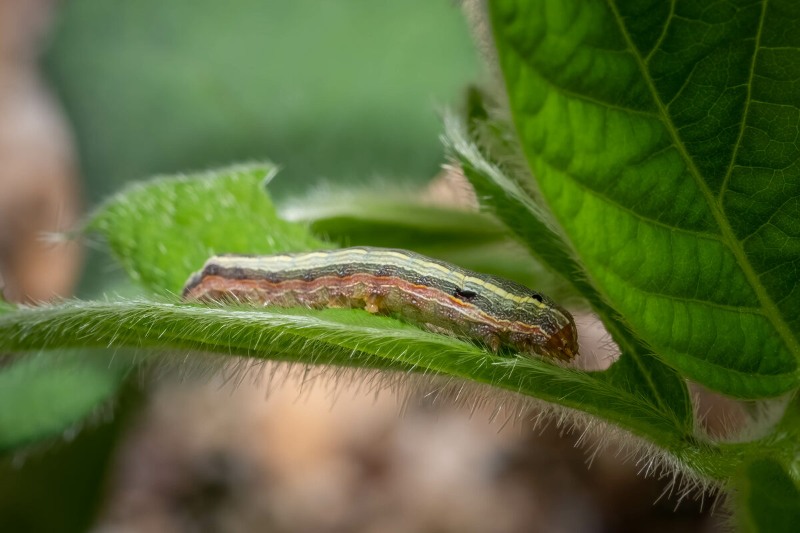
If your grass starts thinning or developing brown patches, look closer. The culprit could be fall armyworms munching on your grass.
These tiny caterpillars cause quite a stir whenever they march across Ohio, devastating crops and grass. You can identify them by the inverted Y-shaped marking on their head.
Fall armyworms tend to appear in Ohio in August or September. You can control small infestations naturally with treatments like beneficial nematodes, but large infestations may require insecticides like pyrethroids.
See Related:
— What Are Armyworms?
— How to Get Rid of Armyworms on the Lawn
— Common Lawn Pests in Ohio
Get Your Lawn Ready This Fall
With a bit of work, your lawn can thrive through fall growth spurts and eventually settle down for winter. If you’d like a little less work on your plate, visit our Dayton lawn care page to get connected with a local, background-checked lawn care provider.
LawnStarter also provides lawn care services to other Ohio cities, including Cleveland.
Read More:
— How to Prepare Your Lawn for Winter in Ohio
— Spring Lawn Care Tips for Dayton
— Best Grass Seed for Ohio
— Most Common Weeds in Ohio: How to Identify and Control Them
— Best Ohio Native Plants
Main Image Credit: Shuler Mansion / Warren LeMay / Flickr / CC BY-SA 2.0
Related Posts: