| Key Takeaways |
|---|
| • Slow down your lawn care Water and mow only as needed; finish fertilizing before winter, ideally between September and October. • Keep your lawn clean: Remove leaves, twigs, and branches so your lawn can get enough air, water, and sunlight. • Inspect your irrigation system: Check for leaks, broken sprinkler heads, or any other issues, especially if temperatures drop below freezing. |
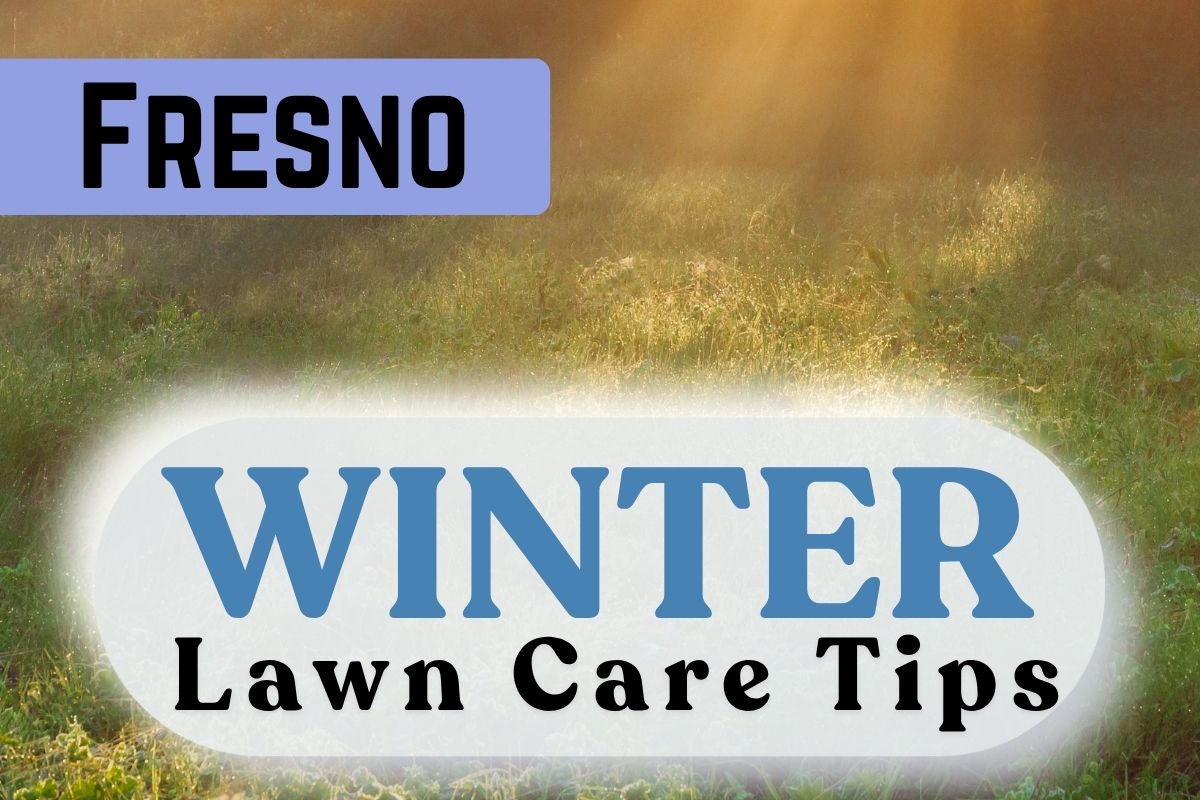
The care your Central Valley lawn needs when it turns cooler is different than the care you gave it during the hot summer. Here are five tips for winter lawn care in Fresno.
1. Reduce Watering
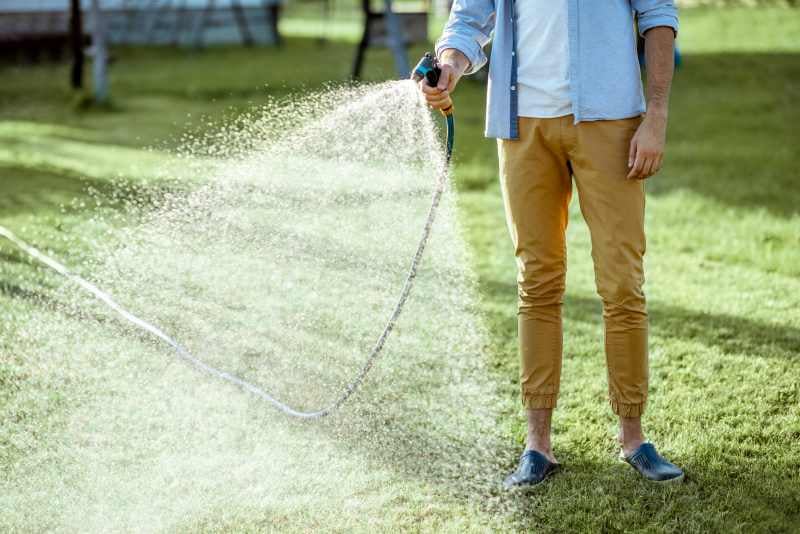
You won’t need to water as frequently during the winter months, especially as the rain picks up. How often you need to water your lawn depends on your grass type.
Weekly watering is needed for overseeded lawns (cool-season grass seeded on top of dormant warm-season grass) and for cool-season grass types.
If you have warm-season grass that’s gone dormant, you don’t need to water it on your regular schedule because it won’t be growing in winter.
See Related:
— How to Water Your Lawn in Fall and Winter
2. Reduce Mowing
Because you aren’t watering as often and the grass isn’t growing as quickly as it did during the summer, you won’t need to mow as often.
For your cool-season grass, you’ll need to mow only a few times a month at most. Bbe sure you mow often enough to stick to the one-third rule to keep your grass healthy.
See Related:
— When to Stop Mowing the Lawn Before Winter
3. Fertilize Before Dormancy
Ideally, you should give your lawn fertilizer between September and October to help it get through the winter months.
Don’t fertilize while your lawn is dormant, especially if it’s warm-season grass.
For specific guidance by grass type, check out this guide from UC IPM.
See Related:
— When to Fertilize Your Lawn in California
4. Remove All Debris

In the winter, you may have fallen leaves or broken twigs and branches scattered across your lawn. Remove these by raking or picking them up so the grass can still get enough air, water, and sunlight to grow.
If you’re raking up the leaves, rake them onto a tarp or burlap square and bring them to your compost pile to be turned into mulch you can use in your spring garden.
See Related:
— How to Rake Leaves
— What to Do With Fallen Leaves in Your Yard
— How to Use Compost in Your Yard
5. Check Your Irrigation System
No matter the season, you should check your irrigation system each month to make sure it is in good shape and operating as it should. This is especially important if temperatures drop below freezing during the winter.
Make sure there are no leaks or broken sprinkler heads, so you know your irrigation system will be ready to go when you need to water next.
See Related:
— How to Winterize Your Sprinkler System
Set Up Your Lawn for Success This Winter
Just because your lawn grows less in the winter doesn’t mean it needs no attention at all. With some slight adjustments to your routine, your lawn can thrive through winter and beyond.
Need help preparing your lawn? Visit our Fresno lawn care page to connect with a local, background-checked lawn care provider. In addition to Fresno, LawnStarter provides lawn care services in other California cities, including Los Angeles, Sacramento, and Riverside.
Read More:
— Best Types of Grass for California
— Common California Weeds
— California Native Grasses to Replace Your Lawn
— Native Plants for California: Flowers, Succulents, Shrubs, and Trees
Photo Credit: yanikap / Adobe Stock, created using Canva Pro.
Related Posts: