| Key Takeaways |
|---|
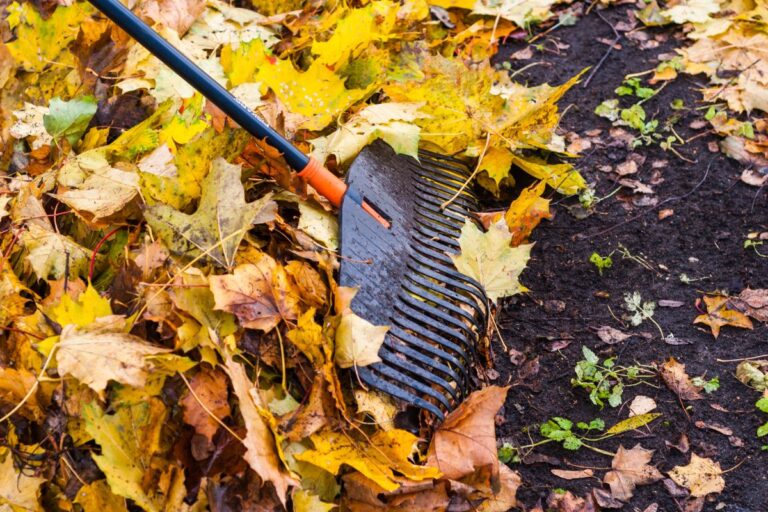
| • Raking suits wet, heavy, or slow-to-decompose leaves like oak and magnolia, and it protects newly seeded grass. • Mulching a light layer of dry leaves with your mower feeds the lawn and cuts down on cleanup. • Most homeowners do both across fall, matching the method to how many leaves have dropped. |
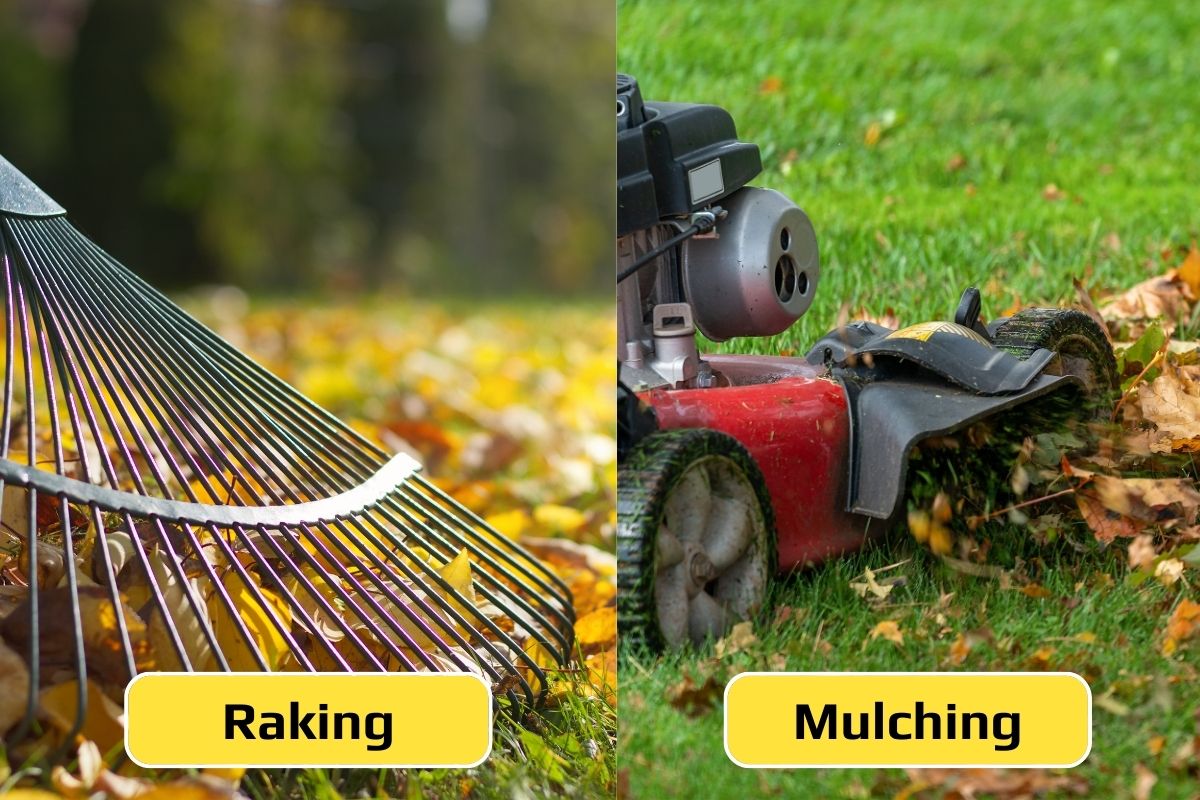
Rake leaves to prevent pests and fungal diseases, or mulch them to reduce landfill waste, fertilize your lawn, and suppress weeds. Below, we break down the benefits of each and when to choose one over the other.
And if you would rather reclaim your weekend, LawnStarter’s leaf removal service connects you with a local pro to handle it.
Why You Should Rake Leaves
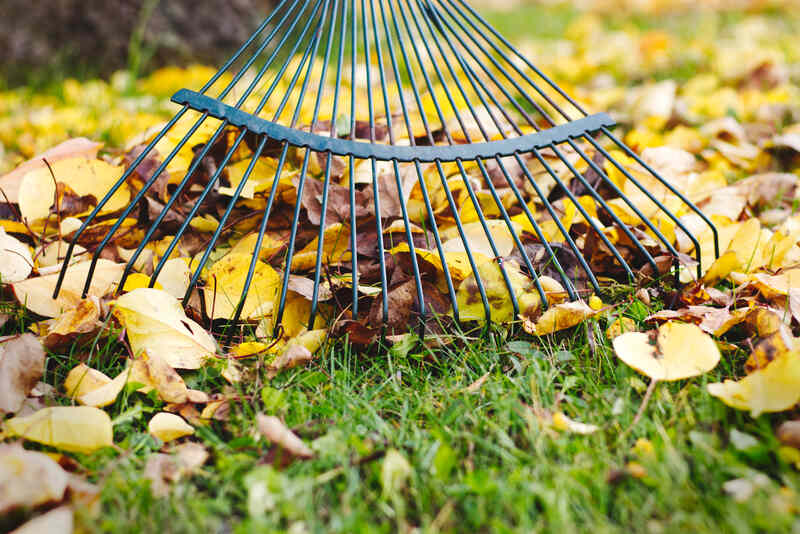
Raking is the better choice when leaves are wet, thick, or slow to break down, like oak and magnolia. It keeps your grass healthy and ready for winter. If your city has a leaf collection program, raking can be a fantastic option for you.
“The leaves can be bagged and placed on the curb for weekly pickup,” says Ryan Bearss, research assistant at Michigan State University.
Reasons for raking leaves include:
Some Types of Leaves Don’t Decompose Well
Not all leaves break down easily. Thick or waxy leaves, such as oak and magnolia, contain high levels of tannins and lignins that contribute to their slow decomposition. Thus, they can form a dense mat that blocks water and air from reaching your lawn.
Mulching these types of leaves can do more harm than good. So rather than turning thick or waxy leaves into mulch, you’ll be better off raking them. And if you think it’s a waste to dispose of these leaves, you can add them to your compost bin instead.
See Related:
Too Many Leaves Smother Grass
Even in the fall, your grass still needs sunlight. So, it’s not good to leave your lawn covered with a thick layer of fallen leaves.
Apart from depriving grass of sunlight, leaves left on your lawn can create a blanket that traps moisture and prevents the grass from getting the oxygen it needs. This smothering effect can weaken or kill patches of grass even before winter comes.
Raking leaves can help you avoid smothering your grass. If your lawn surface is clear of leaves, it will have a better chance of staying healthy through the cold months.
Raking Prevents Fungal Disease
Piles of wet, soggy leaves left to sit too long over your lawn can create the perfect humid environment for fungi to grow and spread, becoming a breeding ground for fungal diseases like snow mold. Once that happens, you could end up with a lawn that’s patchy and discolored come spring.
Raking helps break up this moisture trap and keeps the airflow moving across your lawn. The sooner you rake the wet leaf piles, the less chance fungi will take hold.
Raking Discourages Pests
Leaves can create a dark and moist environment that provides insects and pests with food and shelter. So, if your lawn is covered with damp, decaying leaves during fall, it can be a fantastic bed and breakfast for common insect pests. And if you don’t act on it, these unwanted guests won’t just stay for a few days.
Even if you’re not afraid of cockroaches, grass spiders, or beetles, it’s not a good idea to let leaves pile up on your lawn. Take their comfy hiding spots away by raking up fallen leaves. If you do, fewer pests will overwinter in your yard, which means fewer problems when spring arrives.
My Tip: Take extra caution when raking, as ticks remain active when temperatures are above freezing.
See Related:
Raking Creates a Tidy and Clean Yard
At first, a leaf-covered lawn may look rustic and beautiful. But after a while, the magic wanes and your yard starts to look messy.
So, rake the leaves to keep your outdoor space looking neat and clean. A freshly raked yard can also help boost curb appeal and increase home value. Additionally, it can make spotting problems, such as dry patches or weeds, much easier.
See Related: How to Fix Dry Patches in Your Yard
Raking Helps Grow Newly Seeded Grass
To properly care for new grass, you must give it everything it needs to establish strong roots before winter. A thick layer of leaves blocks the sunlight and water your new grass needs.
If leaves pile up on newly seeded grass, they can smother the young sprouts before they take hold.
Raking will keep the area open and clear, helping your new grass seedlings thrive. So if you’ve recently planted grass seed, this is one time where mulching definitely won’t help.
Why You Should Mulch Leaves
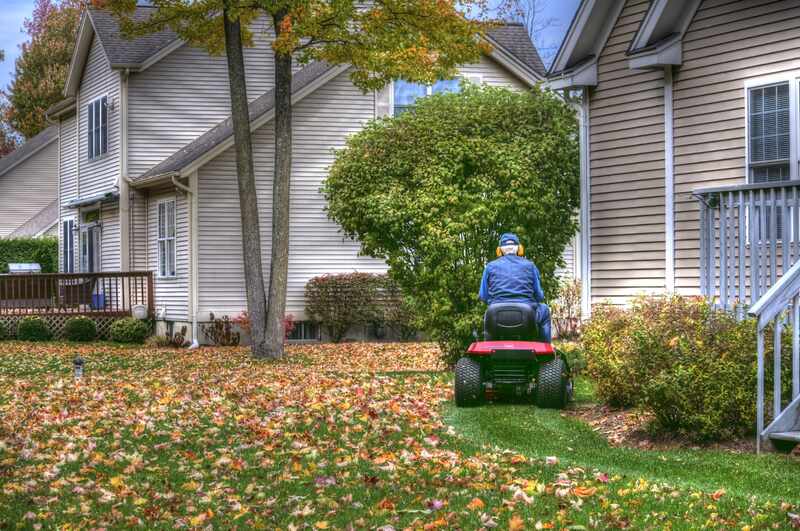
If raking is not an option, you can mulch to improve your lawn instead.
No need to bag them up because you can just shred the leaves with your mulching mower and let nature do the rest. It’s quicker, easier, and packed with benefits, such as:
Mulching Acts as a Natural Fertilizer
Besides tidying up your lawn, mulching leaves can also feed your grass. Since fallen leaves contain nitrogen, potassium, and phosphorus, mulching them returns those nutrients to the soil and reduces the need for supplemental fertilizer.
It’s a free and natural way to boost soil health without buying extra fertilizer. Just run your mower over dry leaves until they’re chopped into small bits, about dime size. If larger pieces remain, make a second pass. The smaller the pieces, the faster these leaves will decompose and enrich your lawn.
Note: If the leaves on your lawn cover more than 50% of your turf, you should remove some of them first before mulch mowing.
See Related: What To Do With Fallen Leaves in Your Yard
Mulching Discourages Weeds from Germinating
Lawns with bare or thinning spots are vulnerable to weeds, as there is less competition for the nutrients in that particular spot. Covering them with mulched leaves can act as a natural weed barrier, blocking sunlight from reaching the weed seeds.
Mulching is a passive method of getting rid of weeds without the use of chemicals or manual removal. According to Bearss, “Leaves contain organic chemicals that can naturally suppress colonizing weedy species.”
So, if you mulch leaves, your lawn will be denser and more competitive against weeds. And with fewer weeds, there’ll be less yard work for you come spring.
Mulching Helps Regulate Soil Temperature
A shredded leaf layer can help stabilize soil temperature.
“Leaves are an excellent insulator for retaining heat and turf health over winter,” Bearss says. It’s especially useful in the fall when temperatures can swing wildly between warm days and chilly nights.
Additionally, consistent soil temperature protects the grass roots from early frost damage. Since mulching fallen leaves creates a cozy blanket for your lawn, it won’t get stressed from sudden temperature drops.
Mulching Reduces Landfill Waste
Raking and bagging leaves sends tons of yard waste to the landfill every year. According to the United States Environmental Protection Agency, yard trimmings made up around 12% (35.4 million tons) of municipal solid waste in 2018 alone.
If you want to do your part in reducing landfill waste, mulching can help a great deal. Plus, you’ll also be giving the leaves a chance to give back to nature.
With mulching, you’re keeping organic material in your yard where it belongs. It’s an easy way to be more eco-friendly without making any big changes to your routine, just mow and go.
Mulching Eliminates Labor-Intensive Bagging
Bagging leaves can be a real pain, more so if you have a big yard or a lot of trees. It can turn into an all-day job with all the raking, stuffing bags, and hauling them to the curb. You can skip all that with mulching.
Just mow over the leaves once or twice and call it done. No bags, no mess, no aching backs. It’s the low-effort leaf cleanup option we all need, especially during busy fall weekends.
Rake or Mulch: How to Decide
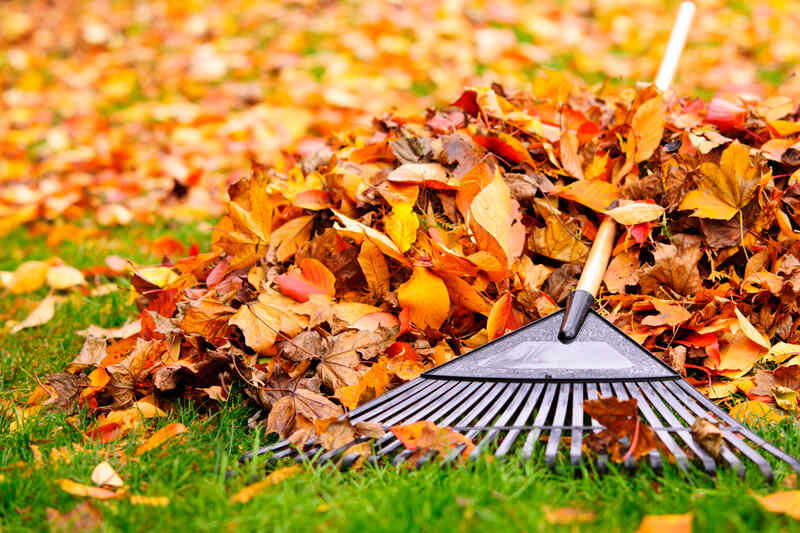
There is no single right answer, and you do not have to pick one method for the whole season. The best choice comes down to how many leaves you have and what kind of trees drop them.
| Your situation | Best method |
| Light layer of dry leaves | Mulch |
| Wet, matted, or thick leaf piles | Rake |
| Slow-to-decompose leaves (oak, magnolia) | Rake |
| Newly seeded grass | Rake |
| You want free lawn fertilizer | Mulch |
Choose mulching when: Leaves are dry, cover only a light layer of your lawn, and come from trees that break down easily. A quick pass or two with the mower feeds your grass and saves you the cleanup.
Choose raking when: Leaves are wet and matted, pile up thick enough to smother the grass, or come from slow-to-decompose trees like oak and magnolia. Raking is also the safer call over newly seeded grass.
Many homeowners end up doing both across the fall, mulching the light drops early and raking once the leaves get heavy.
FAQs
Professional leaf removal costs around $178, but prices vary depending on the size of your yard, tree density, and where you live.
Yes, you can mulch leaves with a regular mower, just mow over dry leaves a few times to shred them into small pieces.
To avoid contaminating other plants, you must bag the leaves from diseased trees and dispose of them properly. Don’t mulch or compost them.
Start once leaves begin covering the grass, usually mid to late fall. Mulch light, dry drops as they fall, and rake when leaves get wet, thick, or matted. Try not to let leaves sit long enough to smother the lawn or trap moisture.
Let the Experts Handle Leaf Removal
Whether you’re planning to rake or mulch your leaves, understand that it can take away your valuable time. Remember, you don’t have to make a sacrifice to keep your lawn healthy. When you hire a LawnStarter leaf removal pro, you can spend time with your family and friends instead of dealing with fallen leaves.
Main Image: Left: A rake gathering leaves. Right: A lawn mower mulching leaves.
Photo Credit: Rake: encierro / Adobe Stock
Mulching Lawn Mower: V. J. Matthew / Adobe Stock, Collage using Canva Pro.
Related Posts: