| Key Takeaways |
|---|
| • Water less in fall, roughly half an inch to three-quarters of an inch a week, and adjust as your grass slows down. • Fertilize in October with a low-phosphorus, potassium-rich blend, then mow less often as dormancy nears. • Stay ahead of fall weeds, pests, and fungal disease so your Jacksonville lawn rebounds strong in spring. |
Is there a better time of year in Jacksonville than the fall? The weekend calendar is brimming with outdoor festivals, the Jaguars are in action, and you can still sneak in a beach day at Neptune or Atlantic.
With so much going on, it is tempting to let yard work slide. Don’t. Fall lawn care in Jacksonville is the time to adjust irrigation, manage weeds, monitor for pests and disease, and decide whether your lawn truly needs services like aeration or dethatching based on turf condition.
The TLC you give your grass now decides how strongly it bounces back in spring. This checklist walks you through each fall task, or LawnStarter’s lawn treatment service can handle the fall feeding for you.
Reduce Watering a Bit
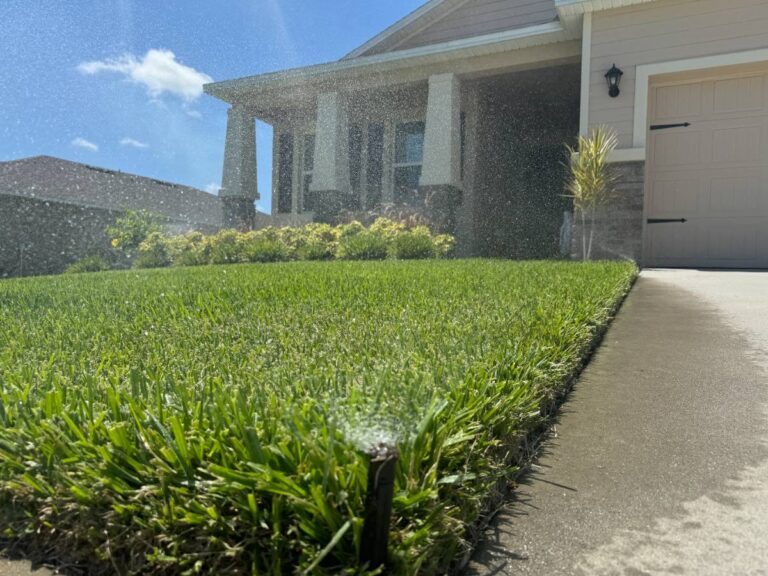
In fall, a Jacksonville lawn needs about half an inch to three-quarters of an inch of water a week, roughly half of what it gets in summer. Grass keeps growing into fall but needs less water as it cools.
Adjusting how much and how often you water helps your lawn stay healthy, promotes strong roots, and prevents disease. Apply only as much water as your system needs to deliver about one-half to three-quarters of an inch.
Water in the morning before 10 a.m. to limit evaporation. Derrick Williams, a LawnStarter pro based in Jacksonville, explains that if you wait too long into the day to water, “the sun will dry up the water and the ground will not be able to soak up all the water it needs.”
Once Jacksonville returns to EST, irrigation drops to one day per week under local watering restrictions, so update your controller when the seasonal schedule changes.
See Related: How to Water Your Jacksonville Lawn the Right Way
Fertilize in October
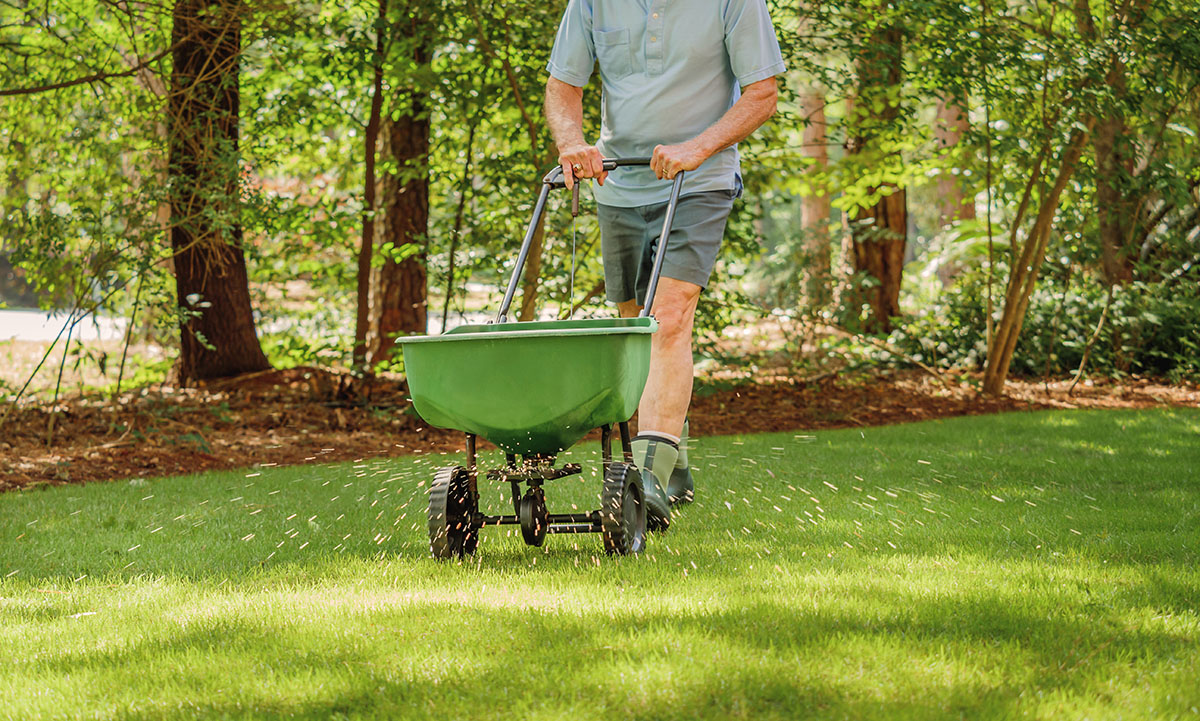
For many Jacksonville lawns, the last fertilizer application should be made in early fall while the grass is still actively growing.
Look for fertilizers with equal nitrogen and potassium numbers (like 16-4-16). The potassium strengthens grass cell walls for better cold tolerance. Keep phosphorus low, as Jacksonville soil usually has plenty.
Parts of Jacksonville east of the St. Johns River recently shifted to USDA hardiness zone 9b, a reminder that even our mild winters call for cold protection. If you are unsure what your lawn needs, get your soil tested through the Duval County Extension office.
See Related: The Best Lawn Fertilization Schedule and Tips for Florida
Slow Your Mow Mid-Fall
Our warmer climate means a longer growing season, so lawns keep growing into fall, just at a slower pace. As growth slows around late October, mow every 10 to 14 days instead of weekly. This lets grass build stronger roots and save energy for winter.
Devin Jones, a LawnStarter pro with Fla Lawn Pros LLC in Jacksonville, agrees with this schedule, advising homeowners to “mow higher [and] less frequently because grass goes dormant.”
“Make sure your mower blades are sharp,” says LawnStarter pro Chuck Vogt of Metro Lawns in Atlanta, Georgia. Dull blades tear grass rather than cutting it cleanly and create entry points for disease.
Raise your mower deck by half an inch, too. Slightly taller grass develops deeper roots, retains more moisture, and better insulates against temperature swings.
Attack Fall Weeds
Early October is your prime window to obliterate emerging fall weeds. If winter annual weeds are a recurring problem, apply a labeled pre-emergent just before the usual germination window when the temperatures are in the 55 to 60 degree range.
Focus treatment on problem areas where you had weeds last year, thin turf going into dormancy, and shaded spots under trees. Remember that pre-emergents only prevent new weeds from sprouting, so weeds already growing must be hand-pulled or hit with a post-emergent herbicide.
For weed identification, timing, and treatment options for all seasons, see our detailed Common Weeds in Jacksonville guide.
Aerate Compacted Soil
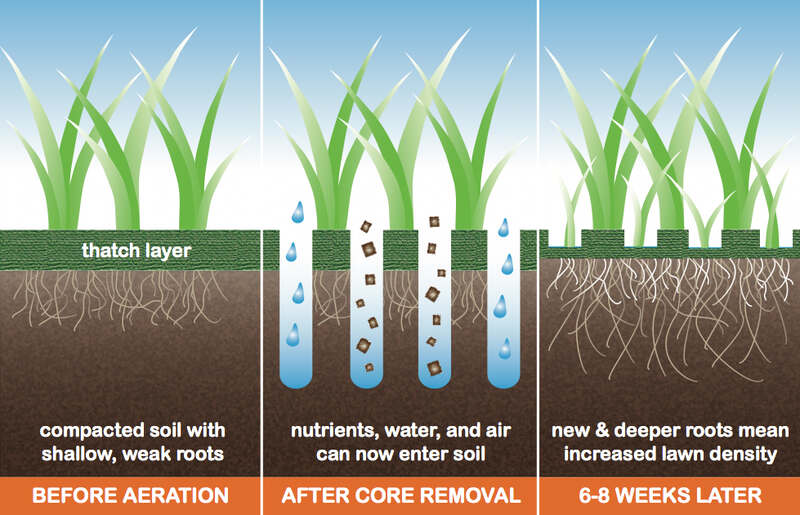
Heavy rain, construction in newer lots, and lots of foot traffic can compact your soil, making it harder for roots to get water, nutrients, and oxygen. Northeast Florida’s predominantly sandy soils drain fast, so good structure matters for holding water and nutrients.
Core aeration relieves compaction, but for Jacksonville’s warm-season lawns it’s usually safest and most effective when the grass is actively growing and can recover quickly.
LawnStarter pro Scott Culala of The Lawn Cypress in Gardner, Kansas, agrees: “I always recommend aeration over verticutting, because aeration helps with the soil.”
Aeration “allows your soil to breathe and strengthens both your soil and grass, [and] prevents infection,” says Chris Medina, a LawnStarter pro with Prestine Lawn Maintenance in Jacksonville.
Concentrate on high-traffic zones like pathways, play areas, or spots where water pools after rain or irrigation. Also check grass that looks thin despite fertilizer and careful watering. You can use a screwdriver to test for compacted soil: if you cannot easily push it 6 inches into the ground, the soil likely needs aerating.
See Related: How to Fix Compacted Soil
Pulverize Pests
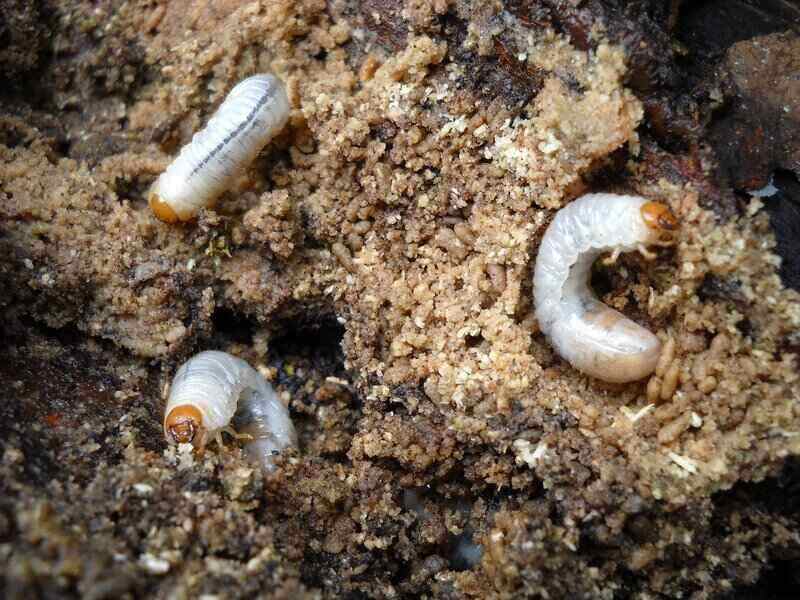
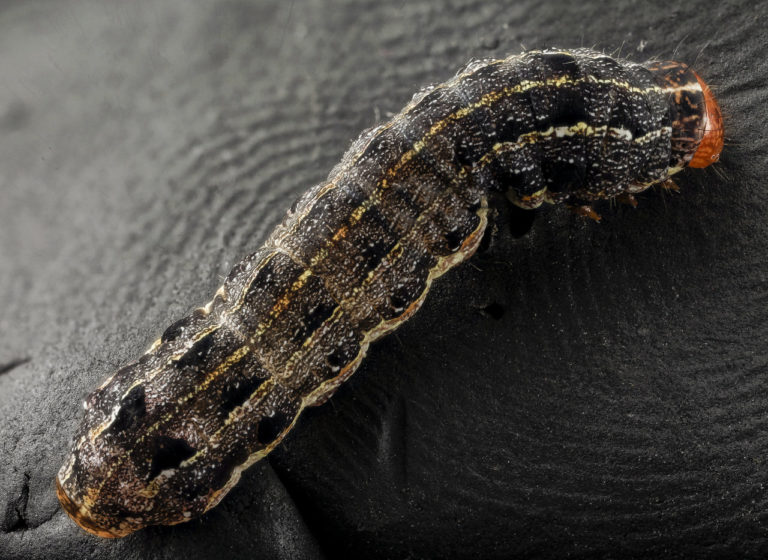
Jacksonville’s warmer climate makes fall a prime habitat for destructive lawn pests. From August through October, armyworms, chinch bugs, and white grubs can quickly devastate large areas of turf if left unchecked.
Catch problems early by watching for unusual brown spots, soft areas in your lawn, or more birds and animals digging in your yard. The best defense is a healthy lawn. If you already have pests, identify the culprit first, because treatment depends on the insect.
See Related: Worst Landscape Pests in Jacksonville
Watch for Lawn Diseases
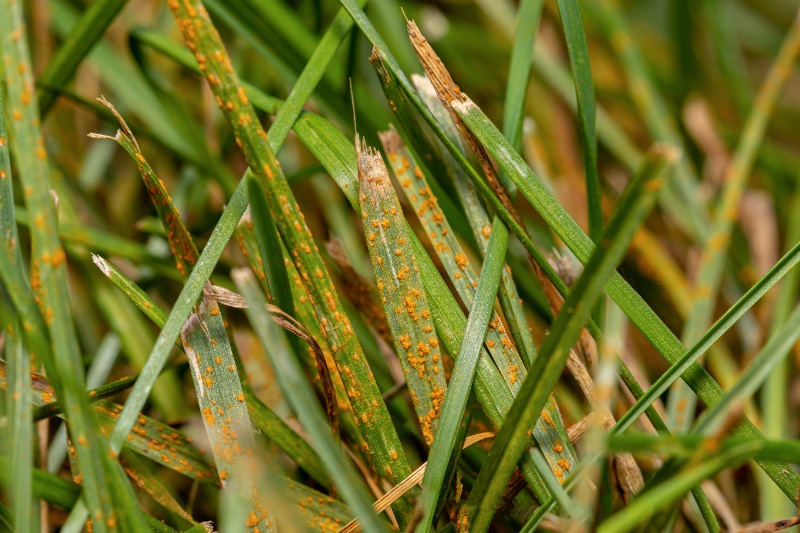
Cool fall nights combined with warm days create ideal conditions for fungal diseases in Jacksonville lawns.
Large patch: Forms expanding brown circles during temperature swings.
Take-all root rot: Causes gradual thinning by attacking roots.
Helminthosporium leaf spot: Creates brown-purple spots that may lead to “melting-out.”
Dollar spot: Produces small brown patches that can merge into larger dead areas.
If you spot disease symptoms, reduce watering frequency immediately and improve drainage in problem areas. As temperatures cool toward winter, rust disease may appear on Zoysiagrass and St. Augustinegrass as orange pustules, but this cosmetic issue simply signals a normal dormancy transition.
See Related: Winter Lawn Diseases in Jacksonville, FL
Clean and Prep for Winter
There are several benefits to fall yard cleanup. It prevents disease and removes hiding places for pests to make their winter homes. Remove fallen leaves so they do not block sunlight and trap moisture against the grass.
Leaves that are ignored “will pile up more and more, and that attracts bugs that will try to enter the home,” Williams says. Also, “The leaves piling up will kill the grass.”
Clear away sticks, toys, and equipment that might kill the grass beneath them.
Do not wait until all leaves have fallen to clean up. Rake or blow them regularly. You can mow over small amounts of leaves to turn them into mulch, but remove large piles. Clean your gutters to prevent overflow, which causes muddy spots. Compost leaves or check the city’s MyJax Yard Waste page for pickup service.
See Related: Benefits of Fall Yard Cleanup
Optional: Overseed for Winter Color

Jacksonville’s warm-season grasses, mostly St. Augustinegrass, Zoysiagrass, Bahiagrass, and centipedegrass, naturally go brown and dormant when soil temperatures drop below 60 degrees, typically December through February, and Jacksonville’s first frost usually arrives in late December.
Annual ryegrass is a popular overseeding choice, best sown once daytime highs fall to the low to mid 70s. It creates a temporary winter turf that dies back naturally in spring.
For the best timing, Morgan Jones, a LawnStarter pro with Get Buzzy based in Jacksonville, recommends overseeding from “October to November [because] this is when the weather conditions are most favorable for seed germination and growth.”
However, overseeded areas need consistent watering and care all winter, so weigh the time, cost, and maintenance against simply accepting natural dormancy for your landscape.
FAQs
The one-third rule means never cutting off more than one-third of the grass blade in a single mow. Removing more stresses warm-season grass and weakens its roots right when your lawn is trying to store energy for the winter ahead.
The most common mistakes are watering too much as the weather cools, fertilizing too late in the season, scalping the grass, and ignoring early pest or disease signs. Each one leaves your lawn weaker heading into dormancy.
Yes. Early fall soil is still warm while air temperatures ease, so new sod roots with less stress. Lay sod early enough that it establishes before growth slows in winter, and keep it consistently moist.
Fall is a good time to test your soil because the results help you fine-tune fertilizer and pH before the next growing season. Local homeowners can test through their county extension office.
Set Your Lawn Up for Success
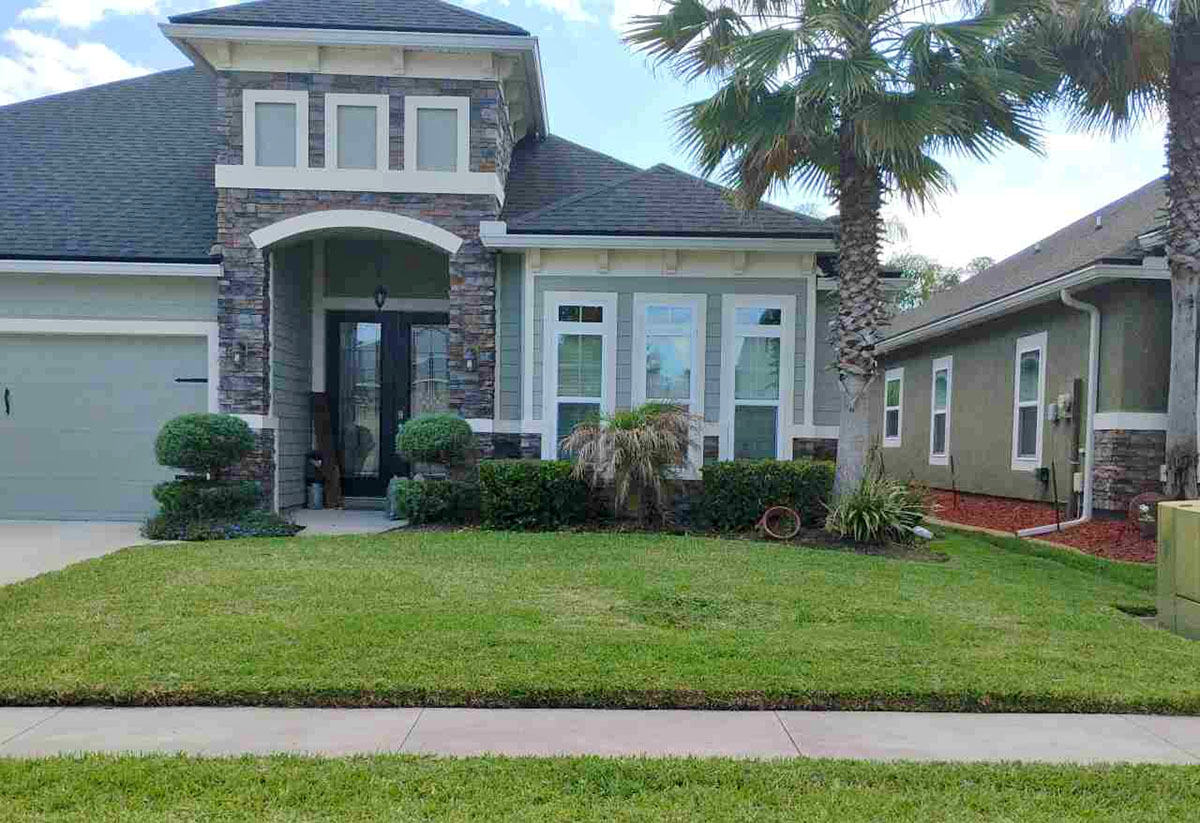
Taking care of your lawn in the fall helps it survive winter and grow well in spring. Start with the basics: water properly, fertilize at the right time, and check for issues. Fix problems like poor drainage or compacted soil right away.
If you would rather enjoy your weekends than work on your yard, LawnStarter connects Jacksonville homeowners with experienced local lawn care services that understand North Florida’s unique growing conditions and seasonal needs.
LawnStarter also connects you with lawn care pros in nearby cities and suburbs like Orange Park, Oakleaf Plantation, Atlantic Beach, Jacksonville Beach, Callahan, and more.
Read More:
Main Image: Fall Colors Shine through Maple Leaves in Cradle Creek Preserve in Jacksonville Beach, Florida. Photo Credit: Donna / Adobe Stock
Related Posts: