| Key Takeaways |
|---|
| • Mow at the proper height, and stop mowing once grass turns brown (dormant) for the winter. • Do less in winter: Water only when the lawn needs it, and hold off on nitrogen fertilizer until spring. • Stay ahead of winter weeds and large patch disease so your lawn bounces back strong in spring. |
Winters in Jacksonville are mild, but the cool season can still stress your lawn. Staying on top of winter lawn care keeps your yard healthy from now until spring.
Our winter lawn care tips cover mowing, watering, weeds, pests, and more for Jax homeowners.
Winter lawn care is mostly about doing less at the right time, and the timing is easy to miss. If you would rather skip the guesswork, LawnStarter’s lawn mowing service can handle the seasonal cutting for you.
Winterize Your Lawn
The best winter lawn care in Jacksonville actually starts in the fall. Before winter arrives, you prepare your lawn for cooler temperatures, a process called winterizing.
Jax homeowners should winterize their lawns in September, before the days get too cold. Here are the main steps to winterize your yard:
Mowing
Fertilizing
Overseeding
Mowing

Mowing at the correct height matters all year, but especially before winter. Proper mowing helps your turf grow stronger roots, making it more tolerant to drought and cold.
Grass mowed at the right height also shades out weeds. Cut too short, your turf gets stressed, inviting pests and winter lawn diseases.
The proper mowing height for Jacksonville yards depends on your grass type. Here are the 5 best grass types for Jacksonville and their ideal mowing height:
St. Augustinegrass: 2.5 to 4 inches
Zoysiagrass: 1 to 2 inches
Centipedegrass: 1 to 2 inches
Bermudagrass: 1/2 to 1 1/2 inches for hybrid cultivars, 1 1/2 to 2 1/2 for common Bermudagrass
Bahiagrass: 3 to 4 inches
Along with adjusting the height, you won’t need to bring out the mower as often.
LawnStarter pro Nathan Heaton of NH Landscaping in Jacksonville, Florida, points out that “grass growth slows down significantly in winter, especially when temperatures drop.”
He says, “You can typically reduce mowing frequency to every 2 to 4 weeks, and sometimes even less frequently, depending on the weather and your grass’s growth rate.”
If your grass goes dormant (brown), stop mowing until it starts to green up and grow again in spring.
Fertilizing

In Jacksonville, the last recommended month to fertilize turf with nitrogen is generally September. Pick a slow-release nitrogen fertilizer, ideally with a nearly equal ratio of nitrogen to potassium and no more than 2% phosphorus.
That means the first and third numbers on the bag should be similar (for example, 6-2-6). Florida’s fertilizer guidelines also cap quick-release nitrogen at 0.7 pounds per 1,000 square feet in any one application.
When fertilizing before winter, do not overdo it, because less is more. Too much fertilizer keeps grass growing, and pests love the tender new growth. When winter arrives, put fertilization on hold.
Overseeding
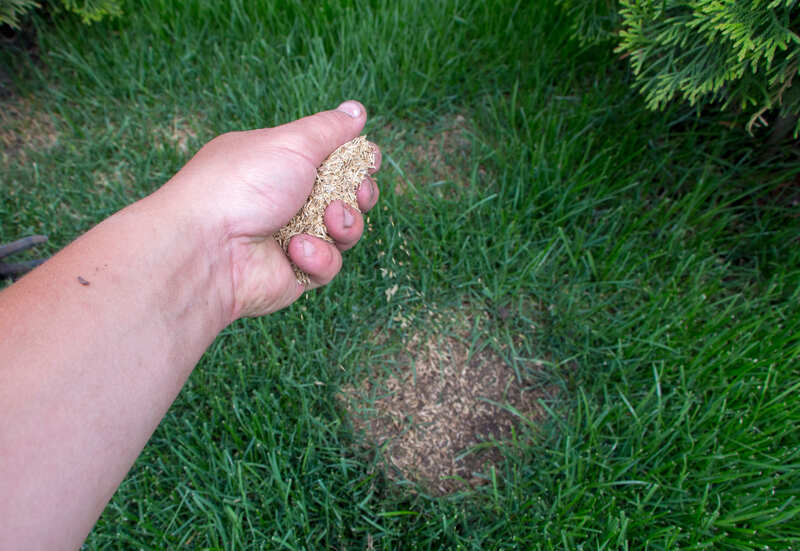
Is your turf turning brown? Browning warm-season lawns are normal as they enter dormancy in cooler weather. Still, some Florida homeowners overseed their lawns in the fall to keep some color.
When you overseed, you sow temporary cool-season grass over your warm-season lawn for a green look all winter. The cool-season grass, often ryegrass, dies off in spring as your warm-season grass wakes up.
According to UF/IFAS overseeding guidance, North Florida homeowners should sow ryegrass once daytime highs settle into the low- to mid-70s. In Jacksonville, that usually means fall.
To be more precise, LawnStarter pro Morgan Jones of Get Buzzy in Jacksonville, Florida, recommends overseeding from “October to November. This is when the weather conditions are most favorable for seed germination and growth.”
See Related: Fall Lawn Care Checklist for Jacksonville
Water Appropriately
Like any other season, you should irrigate your lawn only when it needs water. Overwatering makes your lawn weaker, more disease-prone, and less drought-resistant.
During rainier weeks, turn off automatic sprinklers or irrigation systems. “Overwatering is the No. 1 mistake, especially in the winter months,” says Amanda Marek, Extension agent with the UF/IFAS Marion County Extension in Ocala, Florida.
Water your lawn only when you see these signs:
Grass blades folding up
Wilting
Grass turning blue-gray
Footprints do not disappear after you walk on the grass
Keep Your Yard Clean
One of your lawn’s worst enemies in winter is fallen leaves. While leaves add some charm, too many will wreak havoc, suffocating your lawn and blocking sunlight from reaching the turf.
Start raking leaves in the fall, and keep watching for debris through winter. As LawnStarter pro Scott Culala of The Lawn Cypress in Gardner, Kansas, puts it: “Clean up your leaves, or at least mulch them down.” Also put away objects that could damage the lawn, like outdoor furniture.
Watch for Weeds
Your grass may go dormant in winter, but other plants will not. Proper mowing prevents most common Jacksonville weeds, but a few will still slip through. Winter weeds to watch for include:
Black medic
Common chickweed
Henbit
Annual bluegrass
Asiatic hawksbeard
Oxalis
Hand-pull winter weeds when possible. If needed, dig them up or spot-treat with herbicide, following the UF/IFAS weed management guide for Florida lawns. A lawn treatment service can also handle weed control for you. To get ahead of next year’s weeds, apply a pre-emergent herbicide in early October.
Protect Your Lawn From Winter Pests and Disease
Cooler weather slows your grass, but it does not stop the fungus and pests that can quietly damage a lawn before spring. The most common cool-season problem in Jacksonville is large patch.
According to UF/IFAS large patch research, this fungus is most active once temperatures drop below 80 degrees, usually from November through May, and it hits St. Augustinegrass and Zoysiagrass hardest.
Watch for round, brown patches that spread outward. To keep large patch in check, avoid overwatering, water early in the day so blades dry, and go easy on nitrogen.
Pests do not fully disappear either. Keep an eye out for overwintering mole crickets and chinch bugs during warm spells, and treat problem spots early before they spread in spring.
FAQs
Usually no, but it can. Jacksonville sits in USDA hardiness zones 9a and 9b, so hard freezes are rare. Even so, occasional freezes and cold snaps still happen. Cover tender plants during a freeze, and avoid walking on frosty grass.
Yes. Besides overseeding, you can use grass paints to keep your lawn green. Use turf colorants made for lawns if you go the DIY route, because regular paint is toxic and will kill your grass.
Mulching can help a lot. During winter, mulch can prevent weeds from growing, and it helps keep your turf’s root system and the soil warmer.
Keep Your Lawn Looking Better No Matter the Weather
Winter yards have different needs, but these tips help Jax homeowners keep a healthy lawn until spring returns. If you would rather spend your Saturday living your life, LawnStarter can connect you with Jacksonville lawn care pros who keep your yard healthy year-round.
LawnStarter also connects you with lawn care pros in nearby cities and suburbs like Orange Park, Oakleaf Plantation, Atlantic Beach, Jacksonville Beach, Callahan, and more.
Read More:
Main Image: Rathel House on Trout River Blvd., Jacksonville, Florida. Photo Credit: Glennweiss / Wikimedia Commons / CC BY-SA 4.0
Related Posts: