
Washington, D.C., is at its most iconic in the spring — the cherry blossoms are in bloom, for example — but we’re also busy in our yards as our lawns gearing up for mowing season.
There’s a lot of to be done — fertilizing, aerating, weeding, preparing the mower, and checking the string trimmer — before you pull the cord on your mower (or push the start button if it’s battery-powered). Our 6-point spring lawn care checklist will help you get everything done so you’ll have healthy green grass from spring to fall.
1. Spring Yard Cleanup
An untidy lawn, full of accumulated debris from autumn and winter, is much harder to care for. Grab a rake or leaf blower, and clear out things like leaves, dead plants, sticks, and twigs.
During cleanup, break apart any matted grass that may result from snow molds and make it harder for healthy turf to grow. It’s easy to do this with a rake — but don’t rake during or just after rainy weather to avoid pulling up healthy grass.
See Related:
— 16 Tips for Cleaning Up Leaves in Your Yard
2. Fertilize Your Lawn
It’s important to fertilize your lawn with care. The D.C. Department of Energy and the Environment advises that overfertilizing can harm the environment and cause weeds to grow rapidly in your lawn, and the Virginia Department of Conservation and Recreation notes that it can also cause damage to the roots in your lawn or garden.
If you followed our Fall Lawn Care Checklist and fertilized your lawn in the fall, there’s no need to fertilize again in the spring.
If you do need to fertilize, though, test your soil first to make sure you’re getting the right nutrients, keep fertilizer away from bodies of water and paved areas, and follow the Maryland Lawn Fertilizer Law as needed.
Aim to fertilize after the last frost, to avoid feeding weeds instead of your grass!
Pro Tip (from C.C. Boone of Nxtlvl Scapes): The best time to fertilize is the end of March, when the ice and ground are starting to soften up.
See Related:
— How to Fertilize Your Lawn
3. Overseed Bare Patches
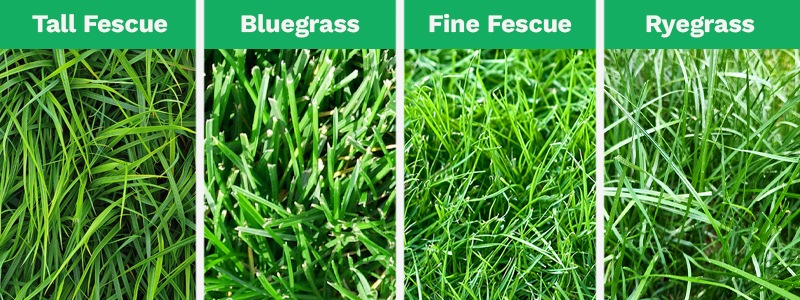
Depending on your grass type, your lawn may benefit from some spring overseeding. For the cool-season grass types that are best for the D.C. area, major overseeding projects should wait until the fall, but early spring is a good time to patch up bare spots that may appear as your grass recovers from winter.
For tall fescue in particular, the University of Maryland (UMD) recommends overseeding in March. Just be careful to avoid a full spring seeding project.
The DMV’s temperate springs provide good growing conditions for cool-season grasses, but by the time our hot, muggy summers roll around, new seedlings can’t handle the heat and may die off.
That’s why Virginia Cooperative Extension advises that major reseeding projects should wait until fall, when the cooler weather will allow your grass to establish itself before winter sets in.
See Related:
— When to Overseed in Spring
4. Water Wisely
Watering your lawn correctly is a key component of keeping it healthy. As spring sets in, it’s the perfect time to inspect your in-ground sprinklers and other irrigation systems to make sure they haven’t been damaged over winter. Adjust and repair sprinkler heads as necessary.
Then, pick the best time to water your lawn. The key is to prevent diseases associated with nighttime watering and water loss due to evaporation in midday heat by opting for early morning or early evening watering.
A drip irrigation system can prevent evening watering from causing fungal issues.
Apply water at a rate of half an inch per hour to avoid runoff.
Pro Tip: Looking for the best time to water your lawn in the DC area? LawnStarter lawn care pro Mark Burke from Manassas, Virginia, says that “around sunset is the best time to water the lawn.”
See Related:
— 8 Signs Your Lawn Needs Watering
— How to Adjust and Repair Lawn Sprinkler Heads
5. Start Mowing
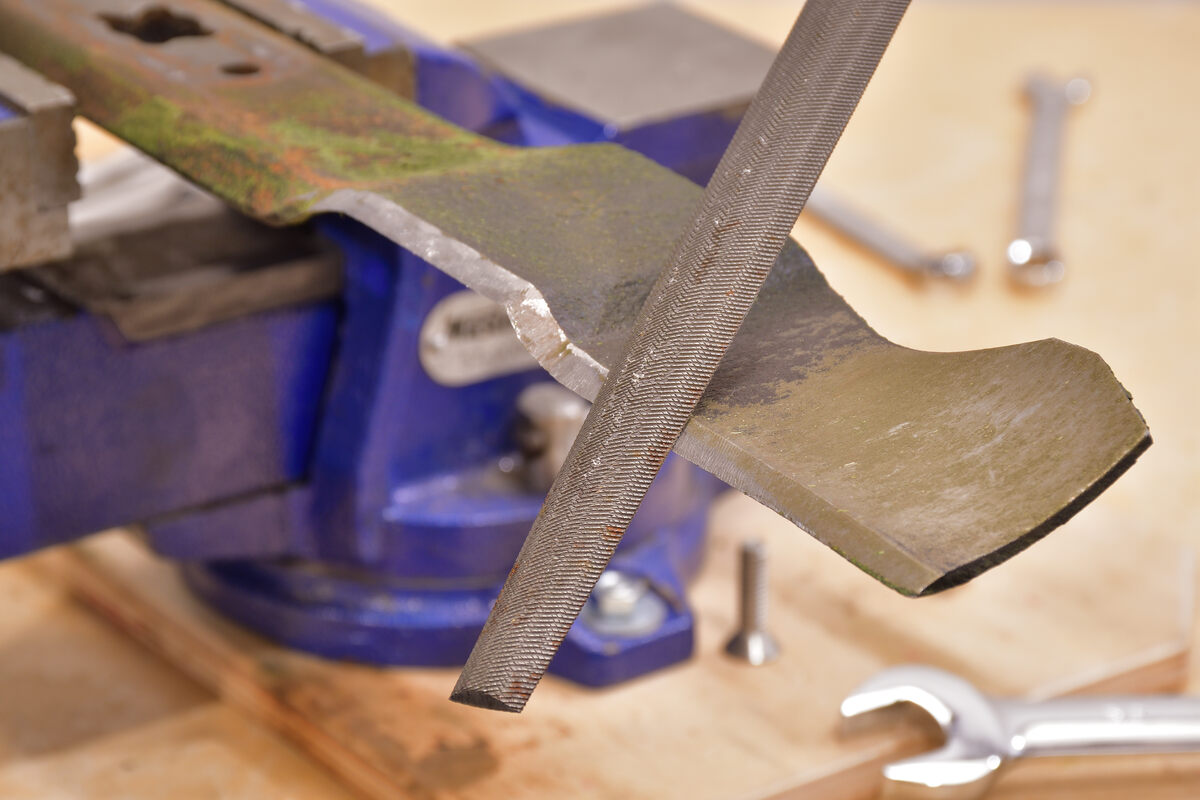
Regularly mowing your lawn is an important part of promoting healthy roots, reducing weeds and disease, and keeping your lawn lush and lovely. Mowing too high or too low can cause weeds to spread.
At the beginning of spring, sharpen your mower blades, and repeat every 4-6 weeks. The frequency and height at which you should mow depends on your grass type, but in general, wait until your grass reaches optimal growing height and after the risk of frost has passed to start mowing, typically in March.
Be sure not to cut more than one-third of the blade height at once.
See Related:
— How to Mow Your Lawn: A No-Nonsense Guide
6. Weed Control
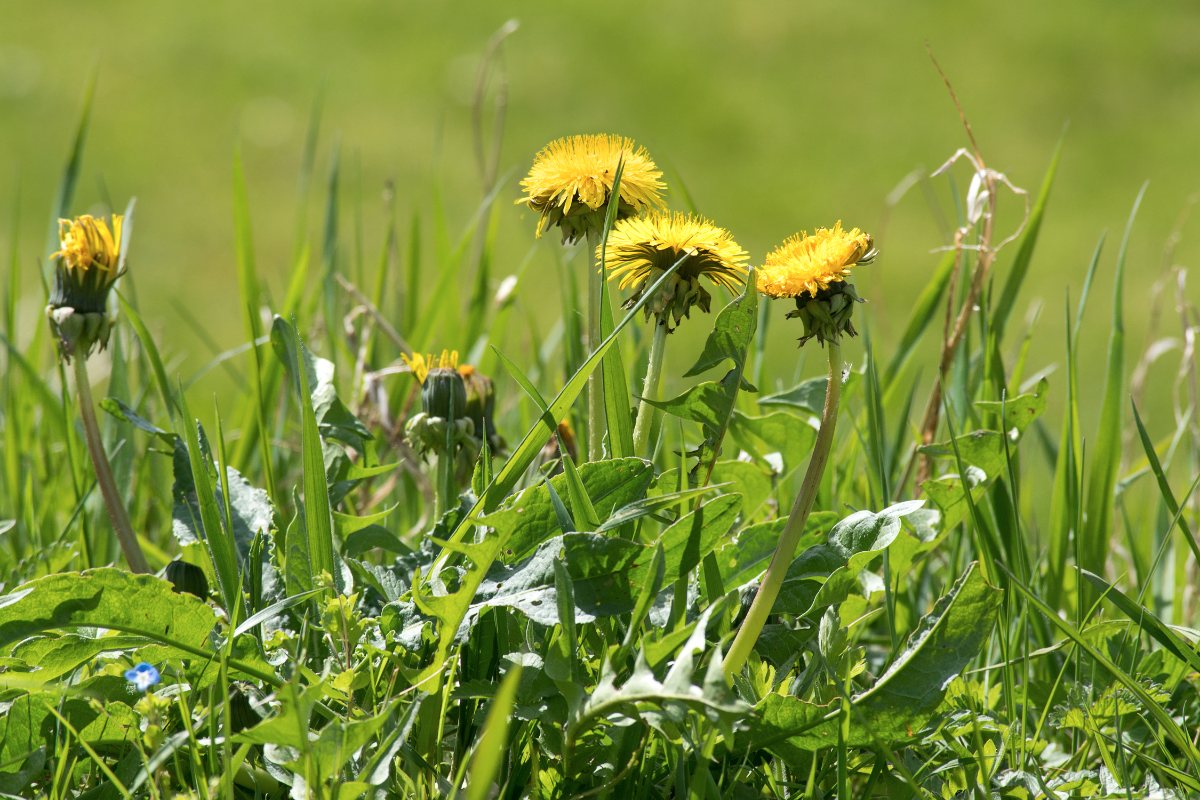
For most of the common weeds in the D.C. area, the best time to get an infestation under control is early spring, when hand-pulling weeds is easiest and seed pods haven’t been spread. Keep an eye out for the usual spring suspects like dandelions, deadnettles, and white clover, and weed as needed.
If your lawn struggled with crabgrass last summer, spring is a good time to apply a pre-emergent herbicide to keep it from coming back. Just keep in mind that you can’t overseed if you use a pre-emergent herbicide, as it often keeps grass seeds from sprouting, too.
See Related:
— 11 Common Weeds in the D.C. Area
— When to Apply Pre-Emergent Herbicides
Hire a LawnStarter Pro for Stress-Free Lawn Care

Your spring lawn care routine sets the tone for the growing season: It allows your yard to recover from winter and sets it on the right path to weather the summer heat. But spring lawn care is a lot of work — hours lost on weekends that you could be flying a kite on the National Mall.
If you want to make sure your spring lawn care is done right, hire a LawnStarter Washington, D.C., lawn pro today. And if you live in Bethesda, Arlington, or Reston, we have you covered with pros all across the D.C. area.
Read Next:
— 6 Lawn Care Tips for Summer in Washington, D.C.
— Fall Lawn Care Checklist for Washington, D.C.
— Best Grasses for the Washington, D.C., Area
Main Image: Lawn mowed by a LawnStarter pro in Washington, D.C. Illustration by Amy Stenglein / LawnStarter