Milwaukee summers mean family picnics at the park, baseball games, and farmers’ markets. There are countless activities to take part in, and some can even be done in your own backyard.
To ensure your lawn is up for the task, focus on weekly irrigation, mowing your lawn to the right height, and keeping an eye out for unwanted lawn diseases.
Hire a Milwaukee lawn care pro to spend more time enjoying fleeting warm-weather activities. Or, if you enjoy sprucing up the yard yourself, follow these 6 summer lawn care tips to get your Milwaukee yard in top summer shape:
1. Water the Lawn
To avoid a dormant lawn this summer, you’ll need to start irrigating weekly:
- When to water: The best time to water your grass is in the morning, between 5 a.m. and 9 a.m., to minimize evaporation and allow the lawn to dry before nightfall.
- How much to water: A typical lawn requires 1 inch of water per week, including rainfall. If you don’t know how long to run your sprinklers, try the tuna can test: Place a tuna can in your yard and run your sprinklers. The amount of time it takes for the tuna can to fill up is the time it takes for the yard to receive 1 inch of water.
- How often to water in summer: For most lawns, water 2-3 times a week, or less if there’s rain.
Want to save on your water bill? Consider letting your lawn go dormant during the summer months.
Cool-season turfgrasses, such as Kentucky bluegrass, tall fescue, and fine fescue, can survive summer dormancy with proper care: Keep heavy foot traffic off the lawn, and apply 1/4 inch of water per week or 1/2 inch every other week to keep the grass alive.
See Related:
– How Long Should I Water My Lawn?
– Guide to Growing Cool-Season Grasses
2. Follow the One-Third Mowing Rule
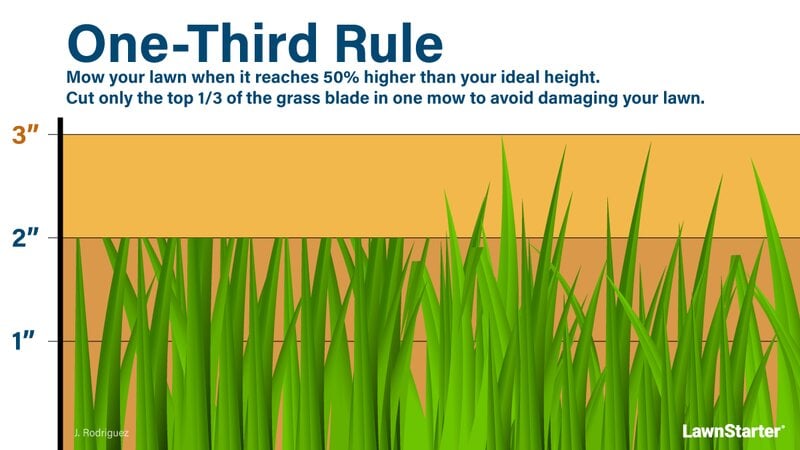
When you mow your lawn, follow the one-third mowing rule: Mow no more than one-third of the height of the grass to reduce damage and stress to the grass blades each time you mow.
Here’s how it works: For a grass type that should be mowed to a height of 2 inches, mow when it hits 3 inches. Keep the mower height at 2 inches. That way, you remove 1 inch, adhering to the one-third rule.
Here’s a chart of the recommended mowing height for the most popular Milwaukee turfgrasses:
| Type of Grass | Recommended Mowing Height (Inches) | When to Mow (Inches) |
| Fine fescue | 2-4 | 3-5 |
| Kentucky bluegrass | 2-4 | 3-5 |
| Perennial ryegrass | 1.5-3.5 | 2.25-5 |
| Tall fescue | 2-4 | 3-5 |
Pro Tip: Keep your lawn mower blades sharp. Dull lawn mower blades tear grass instead of cutting it, creating entry points for disease and fungi during the stressful summer season.
See Related:
– How Often Should You Sharpen Lawn Mower Blades
– How to Sharpen Lawn Mower Blades
3. Use Slow-Release Fertilizer
For low-maintenance, dormant lawns, there’s no need to fertilize in summer. Once per year in the fall is sufficient.
However, if you irrigate your lawn in the summer, you can broadcast 1 pound of slow-release nitrogen fertilizer per 1,000 square feet for full-sun lawns (or half this amount for lawns in shade).
Here’s a fertilizer schedule to follow for irrigated Milwaukee lawns:
| When to Apply Fertilizer | Holiday Reminder |
| Late May or early June | Memorial Day |
| Early to mid-July | 4th of July (skip unless you have a new lawn or regularly bag clippings) |
| Early September | Labor Day |
| Early October | Columbus Day |
Table taken from the University of Wisconsin-Madison Division of Extension.
Slow-release fertilizer granules are coated, meaning they release small amounts of nutrients each time you water the lawn. Choose a fertilizer with 25%-50% slow-release nitrogen to ensure continued feeding until your next application.
Pro Tip: To protect local waterways, most turf fertilizers sold in Wisconsin do not contain phosphorus. (This means you’ll see a 0 as the second fertilizer number on the label: 32-0-10.) Two exceptions: You are allowed to apply a phosphorus fertilizer when establishing a new lawn or if your soil test indicates a deficiency.
See Related:
– Slow-Release vs. Quick-Release Fertilizer
– Fertilizer Numbers: What They Mean and How to Use Them
4. Control Grubs
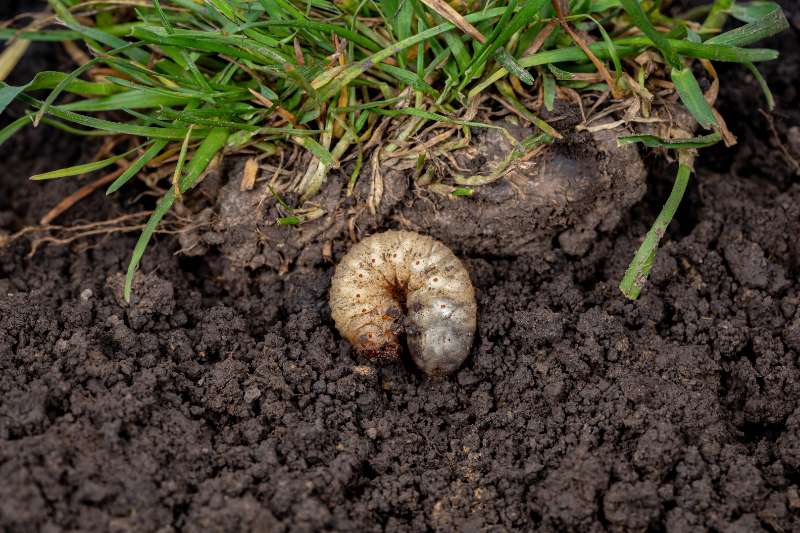
Damage from lawn grubs, the immature form of various beetles, is most noticeable in late summer, when grass struggles to recover from the heat. Grubs feed on plant roots, weakening your turf, and if their numbers get too high, you may notice damage.
Although severe damage is rare, brown patches that don’t improve with watering, animals digging in your yard, or grass that rolls up like a rug are common signs of an infestation.
Proper lawn care is usually enough to help your turfgrass recover: Water 2-3 times weekly, plan to fertilize at least once in the fall, and mow properly once the grass starts growing again. These basic tasks help the lawn recover and strengthen roots for the winter ahead. If you have bare patches or thinning, fall is also the time to overseed.
For lawns with little or spotty damage, it’s best to treat white grubs naturally with good lawn care practices. Applying insecticides should be avoided except in cases of severe infestation (10 or more grubs per square foot) or significant damage.
See Related:
– 6 Signs Your Lawn Has Grubs
– Lawn Grubs: How and When to Kill Them
5. Watch for Lawn Diseases
Summer moisture and sunshine can create perfect conditions for diseases to thrive. So this time of year, keep an eye out for signs of disease. If you notice something out of the ordinary in your lawn, you’ll be able to catch it early before it does significant damage.
Here are the 6 most common summer lawn diseases in Wisconsin:
| Disease Name | How to Prevent | Affected Turfgrass |
| Dollar Spot | – Water deeply – Prevent prolonged moisture on blades – Apply adequate nitrogen fertilizer | Kentucky bluegrass, perennial ryegrass, fine fescue |
| Fairy Ring | – Routine core aeration – Dethatching, if needed | All cool-season grasses |
| Necrotic Ring Spot | – Aerate soil – Fix drainage issues | Kentucky bluegrass |
| Red Thread | – Apply adequate nitrogen fertilizer – Bag the clippings | Kentucky bluegrass, perennial ryegrass, fine fescue |
| Summer patch | – Avoid overwatering – Core aeration – Keep soil pH below 6.5 | Kentucky bluegrass, fine fescue |
See Related: Common Lawn Diseases and How to Identify Them
6. Try Grasscycling
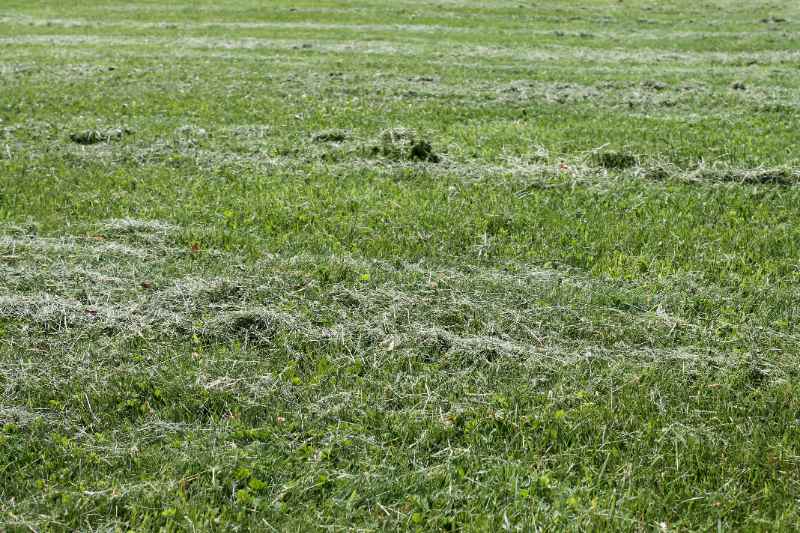
Grasscycling is leaving the grass clippings on your lawn instead of bagging them. It’s also known as mulch-mowing your lawn.
Not only does grasscycling save you time and effort, but it’s also beneficial for your lawn. As grass clippings decompose, they return nutrients to your lawn, acting as a natural fertilizer. As an eco-friendly benefit, grasscycling cuts back on waste, reducing the number of bags sent to local landfills.
Hire a Pro to Manage Your Milwaukee Lawn This Summer
Summer is the time for vacation and fun — not yard work. Need help completing these summer lawn care tasks? Hire one of LawnStarter’s Milwaukee mowing pros to reclaim your weekends this summer.
See Related:
– Spring Lawn Care Tips for Milwaukee, WI
– 4 Fall Lawn Care Tips for Milwaukee, WI
– Native Plants for Easy Gardening in Milwaukee, WI
Sources:
- “Lawn Disease Quick Reference.” P.J. Liesch, Extension entomologist; Vijai Pandian, horticulture outreach specialist; and Jim Kerns, turfgrass Extension specialist. University of Wisconsin.
- “Wisconsin Lawn Care Calendar.” Bruce Spangenberg, horticulture outreach specialist. University of Wisconsin.
Main Image: Lawn mowed by a LawnStarter pro in Milwaukee, WI. Illustration by LawnStarter
Related Posts: