| Key Takeaways |
|---|
| • Bermudagrass is the best all-around grass seed for Central Texas, offering high drought tolerance and excellent traffic resistance. • Buffalograss is the top choice for homeowners who want a low-maintenance, drought-tough lawn with minimal watering. • Not all Central Texas grasses are available as seed. St. Augustinegrass and hybrid Bermudagrass require sod or plugs. |
Between intense heat, periodic drought, and heavy clay soils, finding the best grass seed for Central Texas takes some homework. The right pick means a thriving yard; the wrong one means a brown, patchy mess.
Bermudagrass and buffalograss are the top seed-friendly picks for most Central Texas homeowners. But your best choice depends on shade, foot traffic, and how much maintenance you want to take on.
If you would rather enjoy a professionally installed lawn, LawnStarter connects you with landscaping pros who know exactly what grows best in your area.
Bermudagrass
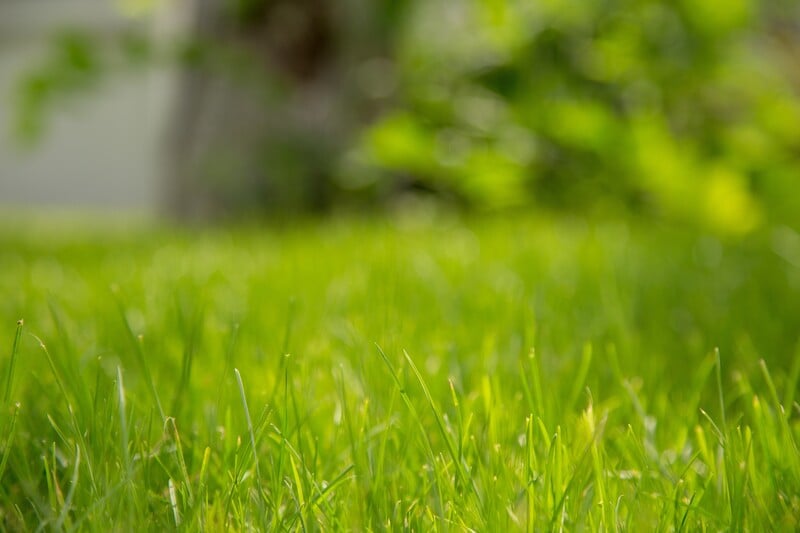
One of the most popular turfgrasses in Texas, Bermudagrass is also well adapted to Central Texas’s drought and heat. And if you really want that barbecue or party on your lawn, Bermudagrass is an ideal choice: It recovers quickly from damage, making it a great grass for high-traffic lawns.
Now, as with anything in life, this turfgrass also comes with its downsides. The fast growth rate will require you to mow and fertilize your Texas lawn regularly. It also develops thatch, so you’ll have to dethatch during late spring or early summer.
Note: Common Bermudagrass is available as seed, but improved hybrid cultivars like Tifway 419 and Celebration must be established from sod.
Shade tolerance: Low; thrives in full sun
Drought tolerance: High
Foot traffic tolerance: High
Maintenance needs: Needs frequent mowing due to fast growth rate; develops thatch easily; needs regular use of fertilizers for Bermudagrass
Mowing height: Set the mowing height between 0.5 and 1.5 inches for hybrid Bermudagrass cultivars. Mow common Bermudagrass down to 1.5 to 2.5 inches.
Potential for disease: Good resistance to disease, although diseases are common; low resistance to insects
Other notes: Bermudagrass varieties are plentiful throughout Texas. Homeowners can choose varieties based on preferred textures or colors.
Keep in mind that hybrid varieties are best suited for golf courses and athletic fields, like the ones used for the FIFA World Cup fields in 2026.
Buffalograss
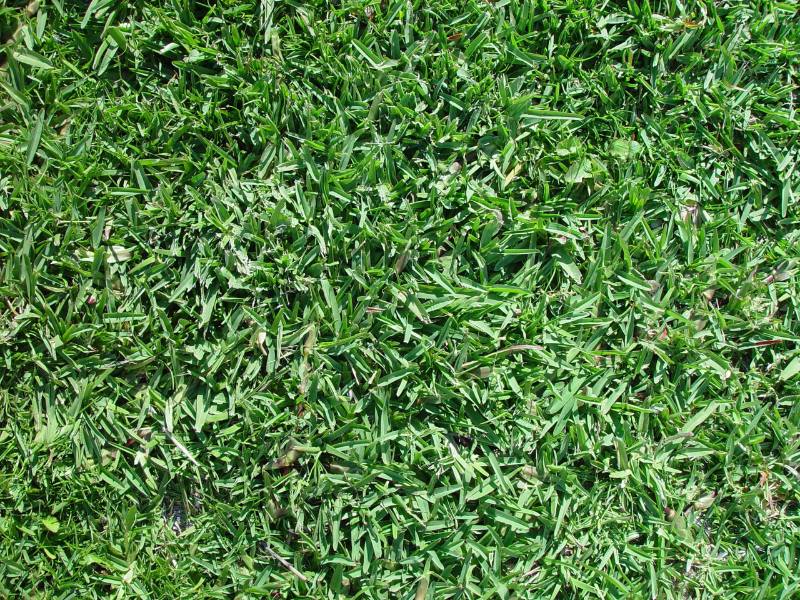
Best for: Low-maintenance yards with full sun and light foot traffic. Buffalograss is the most drought-tolerant turfgrass you can plant in Central Texas.
Like other native Texas plants, this grass thrives in the heat. This warm-season grass grows throughout Central and West Texas and wins homeowners over with its practical, low-maintenance qualities.
It won’t require lots of fertilizing or frequent mowing and prefers full sun exposure. That makes it perfect for the homeowner who does not want to fuss over the lawn. When opting for buffalograss, you will need regular weed control for common Texas lawn weeds.
Buffalograss has very low foot-traffic tolerance. So if you want a lawn where you can host barbecues and run around with the kids, check out the other options in this guide.
Shade tolerance: Low
Drought tolerance: High
Foot traffic tolerance: Low
Maintenance needs: Low fertilizer and mowing needs. Requires weed control.
Mowing height: Set the mowing height between 2 and 3 inches.
Potential for disease: Good tolerance against diseases and insects
Other notes: When overwatered, buffalograss is more prone to weed invasions. Turn off those sprinklers and resist the urge to water frequently. Prefers native clay soils; amend sandy soils.
Zoysiagrass
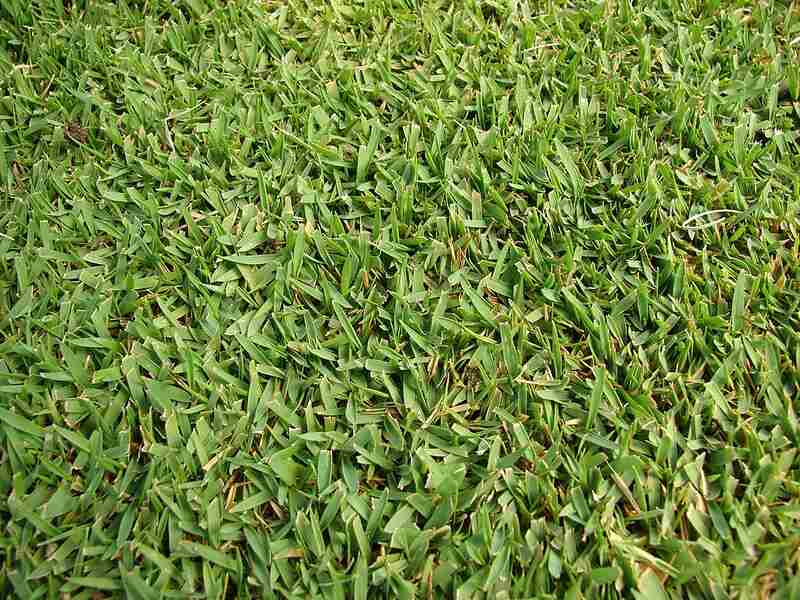
Best for: Partially shaded yards with moderate to high foot traffic and homeowners who want a lower-maintenance alternative to Bermudagrass.
If regular fertilizing is an expense you want to avoid, Zoysiagrass is a solid pick. Its ability to adapt to different soil types is similar to Bermudagrass, although Zoysiagrass is slower to establish.
It also tends to turn brown sooner and requires some extra lawn care during drought.
Overall, Zoysiagrass works well for homeowners who want decent foot traffic tolerance with lower maintenance. That makes Zoysia a good option for dog owners or lawns with moderate traffic.
It’s important to note, however, that because of its slow growth, it does not recover from damage as fast as Bermudagrass.
Another appealing quality is its shade tolerance. If your lawn is surrounded by large trees or buildings and you’re trying to grow grass in the shade, Zoysiagrass might be the right option for you.
Shade tolerance: Moderate
Drought tolerance: Moderate to High
Foot traffic tolerance: High, but recovers slowly from damage
Maintenance needs: Low nitrogen fertilization requirements, although it is prone to thatch build-up.
Mowing height: Set mowing height between 1 and 2 inches.
Potential for disease: Good disease tolerance overall
Other notes: Zoysiagrass has at least 11 different species that work as turfgrass. Each one has different features that homeowners can choose according to their needs, including improved shade tolerance, different shades of green, or better cold tolerance.
Texas Bluegrass
Best for: Homeowners who want a year-round green lawn with low water needs. Texas bluegrass is the only cool-season grass on this list.
This grass is a cross between native Texas bluegrass and Kentucky bluegrass. It has the aesthetic appeal of Kentucky bluegrass, producing beautiful dark green lawn grass, but it does not handle heavy traffic well.
Texas bluegrass can stay green all year round since it is well adapted to the Texas heat and sun. With its low water needs, you will not have to install a sprinkler system for it to grow. It has moderate maintenance needs and tolerates partial shade.
Shade tolerance: Moderate
Drought tolerance: High
Traffic tolerance: Low
Maintenance needs: Moderate; low watering needs; requires frequent mowing and more fertilizing than tall fescue
Recommended mowing height: Set the mowing height between 2 and 2.5 inches; during periods of high heat, increase the mowing height to 3 to 4 inches.
Potential for disease: Moderate. It is resistant to brown patch but needs dethatching every year.
Other notes: Texas bluegrass is suitable for partially shaded areas, while also being more heat and drought resistant than other cool-season options, such as fescues. Does best in acidic soils.
Honorable Mention: St. Augustinegrass
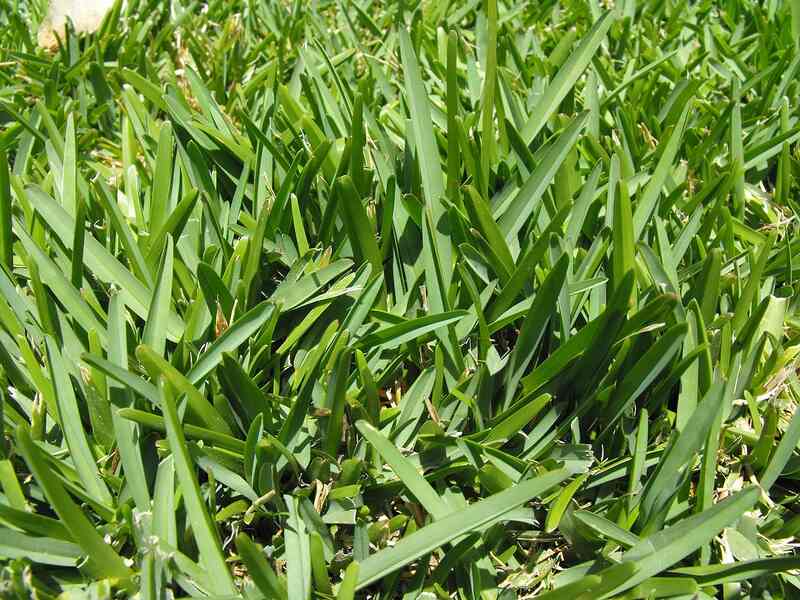
Best for: Shady Central Texas yards where homeowners want a lush, green lawn and do not mind higher maintenance. St. Augustinegrass offers the best shade tolerance among warm-season grasses.
While St. Augustinegrass might need extra sips of water to grow strong amidst the Central Texas heat, it is a viable option for homeowners who are willing to take this extra step, as this grass type is on the higher-maintenance side. In Texas, you’ll need to aerate your lawn in late spring or early summer as St. Augustine doesn’t tolerate compacted soil well.
With moderate shade tolerance (the best among warm-season turfgrasses) St. Augustinegrass is a quick grower. And as such, it will need frequent mowing. Besides that, it will also require regular fertilization and dethatching. When well cared for, it produces a lush and beautiful green cover.
Note: St. Augustinegrass is not commercially available as seed. You will need to establish it from sod or plugs. Consider professional sod installation for the best results.
Shade tolerance: Moderate to high. It is the most shade-tolerant warm-season grass.
Drought tolerance: Moderate to High
Foot traffic tolerance: Low
Maintenance needs: Needs frequent mowing due to fast growth rate; develops thatch easily; needs regular fertilization
Mowing height: Set the mowing height between 3.5 and 4 inches.
Potential for disease: Moderate to high
Other notes: St. Augustinegrass does not tolerate harsh winters or foot traffic.
How to Choose the Best Grass Seed for Central Texas
Choosing the best grass seed for Central Texas comes down to 4 factors: shade, drought tolerance, foot traffic, and maintenance.
| Grass Type | Pros | Cons |
| Bermudagrass | ✓ High drought and traffic tolerance; fast recovery; widely available as seed | ✗ High maintenance; low shade tolerance; aggressive spreader |
| Buffalograss | ✓ Most drought-tolerant; very low maintenance; native to Texas | ✗ Low traffic tolerance; low shade tolerance; slow to establish |
| Zoysiagrass | ✓ Moderate shade tolerance; good traffic tolerance; low fertilizer needs | ✗ Slow to establish and recover; prone to thatch build-up |
| Texas Bluegrass | ✓ Year-round green; high drought tolerance; low water needs | ✗ Low traffic tolerance; limited commercial availability |
| St. Augustinegrass | ✓ Best warm-season shade tolerance; lush appearance; fast grower | ✗ No seed available (sod or plugs only); high maintenance; low traffic tolerance |
Shade Tolerance
Is your lawn in full sun or partial shade? Consider whether you are landscaping for shade or have a yard with plenty of sunshine. Match your grass to your light conditions.
Low shade tolerance: Bermudagrass, buffalograss
Moderate shade tolerance: St. Augustinegrass, Texas bluegrass, Zoysiagrass
Drought Tolerance
As Texans know, drought periods can be harsh not only on people but on lawns as well. How much time and effort are you willing to spend during these periods to keep your lawn well maintained? If you don’t plan on spending much, grasses with a high drought-tolerance might be the best for you.
Moderate drought tolerance: St. Augustinegrass, Zoysiagrass
High drought tolerance: Bermudagrass, buffalograss, Texas bluegrass
Foot Traffic Tolerance
How do you plan to use your lawn? Whether you want to increase your home’s value with a tidy yard or create a play zone for family and friends, pick a grass that can handle the activity.
Low traffic tolerance: Buffalograss, St. Augustinegrass, Texas bluegrass
High traffic tolerance: Bermudagrass, Zoysiagrass
Maintenance Needs
Think about how much time and money you are willing to put into your lawn. Are you looking for a low-maintenance landscape or are you happy to stay on top of regular care?
Low maintenance: Buffalograss
Moderate maintenance: Zoysiagrass, Texas bluegrass
High maintenance: Bermudagrass, St. Augustinegrass
When to Plant Grass Seed in Central Texas
The best time to plant warm-season grass seed in Central Texas is spring through early summer, when soil temperatures consistently reach 65 degrees or higher (mid-April to early June, depending on location).
Bermudagrass and buffalograss seed establish fastest during this warm window because warm soil speeds germination. Zoysiagrass plugs and St. Augustinegrass sod can also go in from late spring through early fall.
Texas bluegrass, the one cool-season option on this list, is best planted in early fall (September through October) when temperatures start to cool.
See Related: When is the Best Time to Plant Grass Seed?
FAQs
Central Texas soils are often heavy blackland prairie clay that drains poorly. Before seeding, loosen the top 4 to 6 inches of soil and mix in compost to improve drainage and root penetration.
Bermudagrass seed typically germinates in 10 to 30 days. Buffalograss takes longer, usually 14 to 21 days. Consistent moisture during the germination window is critical for success.
Water new grass seed lightly 2 to 4 times daily for the first 2 weeks to keep the soil moist. After germination, reduce watering frequency. Deep watering encourages strong root growth for surviving Central Texas droughts
Need a Helping Hand?
We’ve got you covered. If you’re looking for a Texas lawn care pro near you, we have trusted lawn mowing pros in Georgetown, Austin, Round Rock, San Marcos, Cedar Park, and many more cities across the Lone Star State.
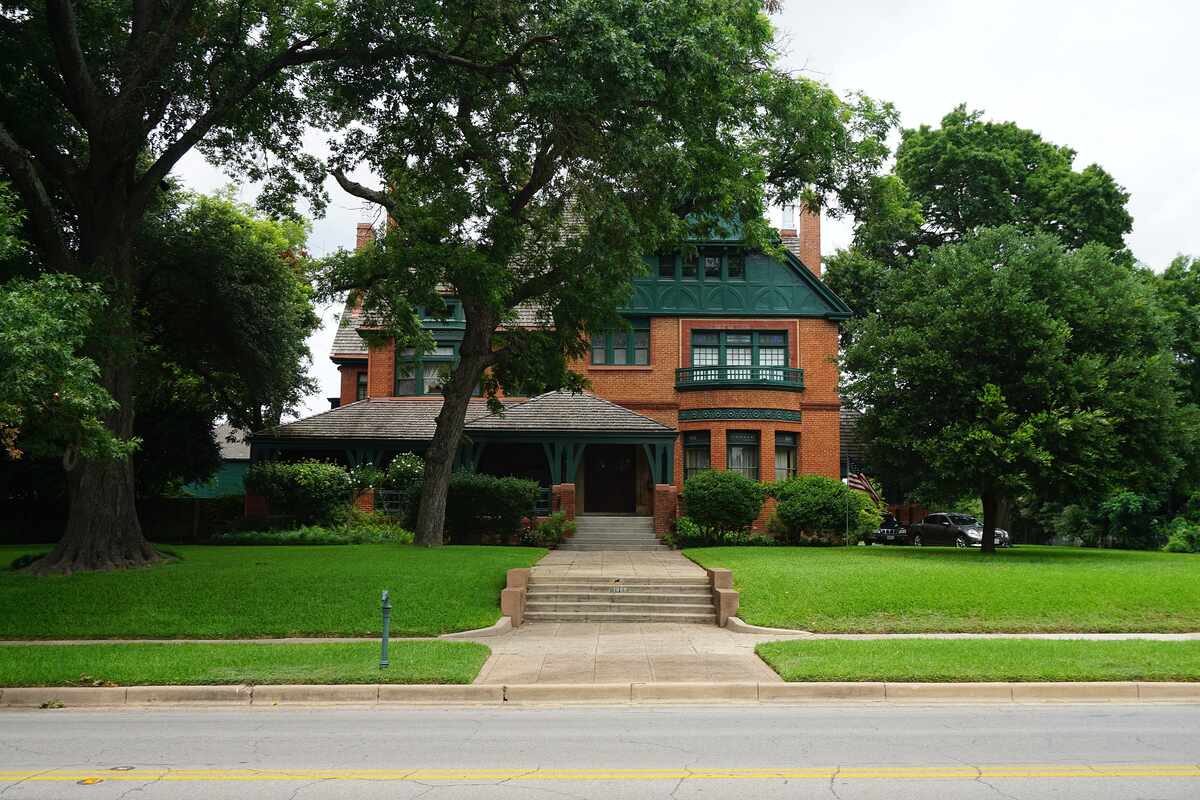
Main Image: Lawn in front of a house in Waco, Texas. Image Credit: Michael Barera / Wikimedia Commons / CC BY-SA 4.0