
Spring in New Hampshire means yard work — it’s time to help your grass recover from months of snow, ice, and freezing temperatures. Follow our 12-step spring lawn care checklist to get your lawn ready for mowing season and set to withstand the summer heat.
The first steps? You need to clean up debris left over from winter and prep your lawn mower for grass cutting season. You’re going to spend a few hours of your weekends, or you could hire one of LawnStarter’s local lawn care pros to take yard care off your to-do list.
Either way, your yard is going to look great if you take these steps in spring:
- 1. Clean Up Winter Debris
- 2. Check for Salt Damage
- 3. Look for Vole or Rodent Damage
- 4. Test and Improve Your Soil
- 5. Repair or Overseed Bare Patches
- 6. Dethatch (If Needed)
- 7. Aerate (If Needed)
- 8. Fertilize at the Right Time
- 9. Control Weeds
- 10. Mow High (and Correctly)
- 11. Water Wisely
- 12. Seed (If Necessary)
1. Clean Up Winter Debris
Once the snow finally disappears, grab a rake and clear out dead grass, matted spots, and leftover branches.
New Hampshire lawns often emerge from winter looking tired, so this early cleanup helps sunlight reach the soil and wakes the grass faster. Go easy if the ground is still soft. New Hampshire turf pulls up easily when the soil is wet from snowmelt.
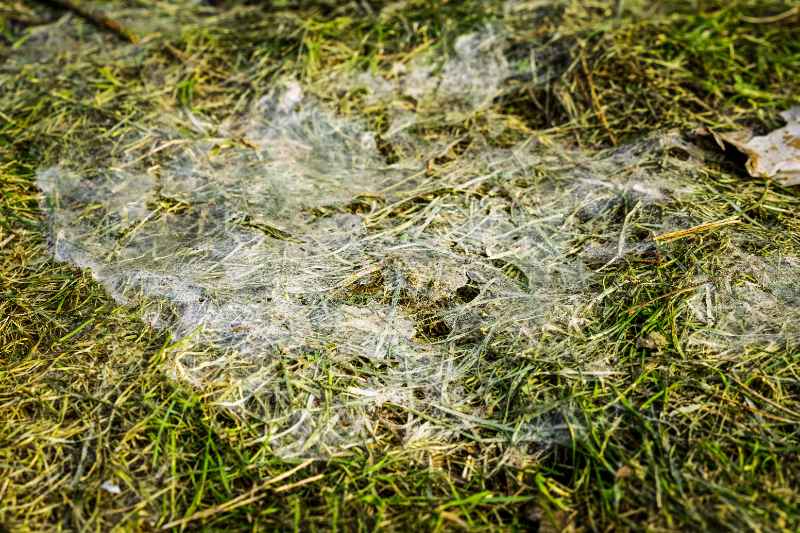
Late-season snow tip: Snow keeps piling up in March in many parts of New Hampshire. If it stacks unevenly, use a rake or shovel to spread it out. Thick, uneven snow piles melt more slowly and can lead to snow mold from trapped moisture.
See Related:
— How to Prevent Snow Mold
2. Check for Salt Damage
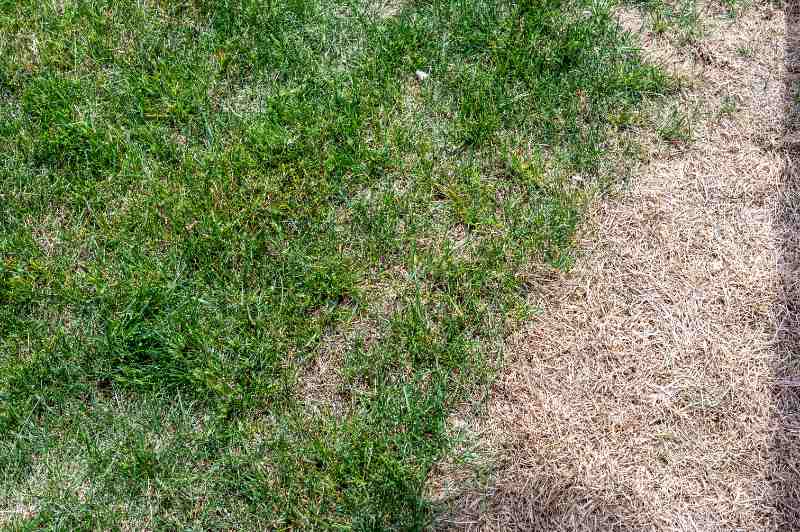
Road salt and ice melt are big issues for New Hampshire lawns, especially along driveways and walkways. Salt can kill grass and leave straw-colored, dead patches.
Once everything thaws:
- Rinse salt-damaged areas with water.
- Rake out dead spots.
- Add gypsum if salt seems heavy.
- Overseed areas that don’t recover.
See Related:
— How to Repair Salt Damage on Your Lawn
3. Look for Vole or Rodent Damage
Deep snowpack gives voles cover all winter, and they often leave tunnels and runways across your lawn.
To fix it:
- Rake the matted trails.
- Loosen the soil.
- Overseed bare areas.
Note: Most vole damage typically recovers naturally as temperatures warm.
See Related:
— How to Repair Vole Damage to Your Lawn
4. Test and Improve Your Soil
New Hampshire soils often lean acidic. Snowmelt and winter weather can throw pH and nutrients out of balance. A soil test tells you exactly what your lawn needs, like lime, nitrogen, organic matter, or nothing at all.
You can do this yourself with a DIY soil testing kit. However, sending a sample to the UNH Cooperative Extension gives the most accurate results. Make amendments now while the soil is still workable.
See Related:
— How to Test the Soil pH of Your Lawn
5. Repair or Overseed Bare Patches
Winter can leave behind bald spots from ice, plows, and long snow cover. Spring overseeding works in New Hampshire, but seedlings will need extra care to survive summer heat.
Loosen the soil, spread seed, and keep it consistently moist.
Best grass types for New Hampshire:
- Kentucky bluegrass
- Perennial ryegrass
- Fine and tall fescues
Important: If you plan to seed, skip pre-emergent weed control. It blocks new grass from sprouting.
6. Dethatch (If Needed)
New Hampshire’s wet spring weather can lead to thick thatch buildup. You only need to dethatch if the layer is over 1/2 inch.
Use a dethatching rake or power rake in mid- to late spring when the lawn is growing actively. Avoid doing this too early.
See Related:
— Top 10 Benefits of Dethatching Your Lawn
7. Aerate (If Needed)
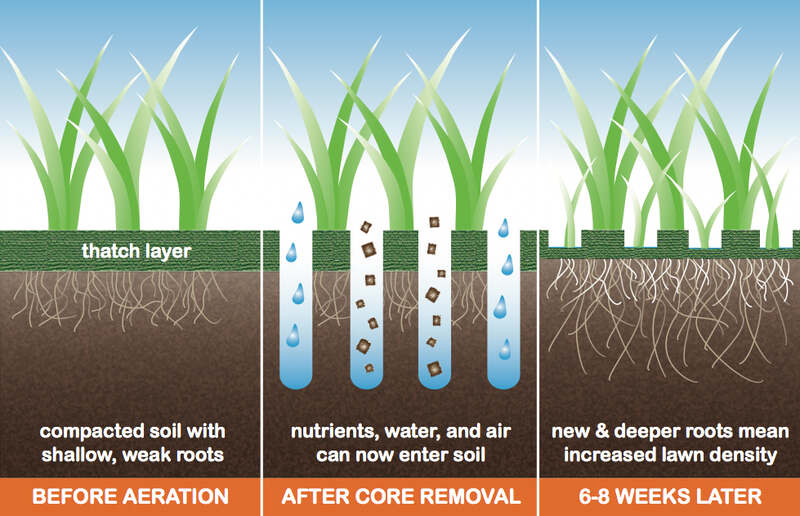
Only aerate in spring if your lawn is clearly compacted. Compaction shows up as puddles, runoff, or thin grass.
Core aeration breaks up compacted soil, allowing air, water, and nutrients to reach the roots again. You can aerate your lawn three ways: spike aeration, which simply pokes holes and gives only short-term relief; core aeration, which pulls out small plugs of soil; or liquid aeration.
Removing the plugs is more effective because it breaks up the compaction instead of just pushing the soil aside.
If your soil isn’t compacted, skip this step and save it for fall.
See Related:
— What is Aeration? [Video]
— What is Core Aeration?
8. Fertilize at the Right Time
Apply fertilizer in late March or April, once the soil is workable and your lawn begins greening up. Use a slow-release formula so growth stays steady, not weak and fast.
A second light application after the first couple of mows can help if your soil test calls for it. Fall feeding is still the most important time to fertilize New Hampshire lawns.
Important: New Hampshire has rules on nitrogen and phosphorus use, which directly affect what you can apply in spring. Before you buy anything, check the guidelines on New Hampshire’s fertilizer law. It explains when phosphorus is allowed, how much nitrogen you can apply, and how to choose products that meet state limits.
9. Control Weeds
Crabgrass and other spring weeds begin germinating once the soil warms into the 50s, usually late April or May in New Hampshire.
Options:
- Pre-emergent herbicide to stop weeds before they sprout
- Post-emergent herbicide if weeds are already visible
- Hand-pulling for small patches
If seeding, avoid applying a pre-emergent unless it’s labeled safe for new grass.
See Related:
— What are Pre-Emergent Herbicides? (Weed Prevention Guide)
— How to Apply Post-Emergent Herbicides on Your Lawn
10. Mow High (and Correctly)
Start mowing once your grass shows active growth, usually late April in southern New Hampshire and early May farther north.
Set your mower based on your grass type:
- Kentucky bluegrass and perennial ryegrass: 2 to 3 inches
- Fine fescue: 1.5 to 3 inches
- Tall fescue: 2 to 4 inches
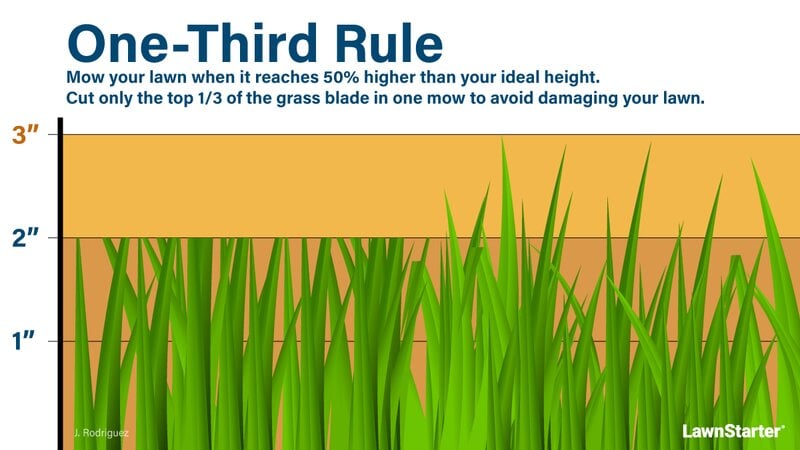
Mow when the grass is dry, and never cut more than one-third of the blade at once.
Before your first mow, tune up your equipment:
- Sharpen the lawn mower blade (dull blades tear grass and invite disease)
- Change the oil
- Replace the air filter and spark plug
- Add fresh fuel or charge the battery
- Clean out old clippings under the deck
A quick tune-up keeps the mower running smoothly through New Hampshire’s full growing season and helps you get a cleaner, healthier cut.
If you are an avid DIYer, check out our guide to DIY lawn mower maintenance.
11. Water Wisely
Spring rain usually gives New Hampshire lawns plenty of moisture early on. Start watering only when rainfall eases up or your lawn shows signs of stress.
New seedlings need more frequent watering and light, steady moisture until they establish. Established grass does best with deep, infrequent watering.
See Related:
— Best Time to Water Your Grass
— 8 Signs Your Lawn Needs Watering
12. Seed (If Necessary)
You can seed in spring in New Hampshire between March and May, but be ready to babysit the new grass through the summer heat. Keep soil moist, avoid heavy foot traffic, and mow carefully once seedlings reach mowing height.
For best results, seed again (or for the first time) in August through September, which is peak seeding season according to the UNH Cooperative Extension.
Hire a Lawn Care Pro in New Hampshire
When spring finally arrives, your New Hampshire lawn will need a little extra TLC to bounce back from the freeze and get ready for summer. If you’re short on time (or just don’t feel like battling the yard after months of snow), LawnStarter’s New Hampshire lawn care pros can handle the work for you.
We work with trusted lawn care pros in Concord, Derry, Manchester, and the surrounding areas.
Read Next:
— Best Native Plants of New Hampshire
— Plants That Flower in New Hampshire’s Cold Winters
Main Image: Lawn mowed by a LawnStarter pro in New Hampshire (Nashua), NH. Illustration by Amy Stenglein / LawnStarter